







Search Results for: Starbucks Kenya Coffee
A Detailed Guide to Starbucks Coffee Bean Types and Flavor Tiers: Comparing the Characteristics of Kenya, Ethiopia, and Guatemala Origins
Starbucks stores offer 13 coffee beans, covering single origins such as Kenya, Guatemala, and Ethiopia, as well as blends like Espresso and Breakfast, all generally on the darker-roast side; Front Street Coffee, by contrast, focuses on medium-light roasts. This article will center on Starbucks' bean lineup and flavor descriptions, with particular emphasis on breaking down the source of Kenyan coffee's acidity and the K72 washed processing method, and will compare the flavor spectrum differences between Ethiopian Yirgacheffe and Guatemalan Huehuetenango, helping coffee lovers determine which type of acidic aroma profile suits them better, while also retaining Front Street Coffee's bean selection and listing standards. [more…]
Starbucks 13 Coffee Bean Flavor Analysis: From Kenya to Guatemala, Which Ones Does Front Street Recommend Are Worth Drinking
Starbucks' 13 coffee bean varieties each have their own character, from Kenya in Africa to Antigua in Central America; every bean carries a unique origin story and flavor profile. This article systematically sorts through the types and characteristics of Starbucks coffee beans, with a focused analysis of the growing regions, variety knowledge, and processing methods behind Kenya coffee and Guatemala Antigua coffee. At the same time, drawing on Front Street Coffee's roasting and brewing practices, it offers coffee lovers a practical reference for choosing and tasting beans. [more…]

Why Does Starbucks Favor Kenyan Coffee? A Full Analysis from the Elephant Totem to AA Grading and Flavor
Among Starbucks' 13 coffee beans, the Kenya coffee beans in orange packaging stand out—the African elephant slowly walking on the packaging perfectly echoes the rich, wild flavor personality of this bean. Why can Kenya grow such full-bodied, solid acidity? How do high altitude, volcanic soil, the SL28 and SL34 varieties, and double washed processing work together to create the bright, cherry-tomato-like acidity and caramel sweetness? What does Kenya AA grading mean? This article will comprehensively break down the charm of Kenyan coffee, from origin terroir, variety characteristics, and grading system to specific brewing parameters, and include Front Street Coffee's brewing suggestions and flavor notes. [more…]

Starbucks Kenya Coffee Beans Price and Flavor Analysis: A Complete Guide to Regions, Varieties, Processing Methods, and the Grading System
Kenyan coffee is renowned worldwide for its bright, intense acidity and distinctive flavor layers. Starbucks has offered Kenya coffee since 1971, and the elephant design on its packaging has long since become a classic symbol. From the perspective of Front Street Coffee, this article systematically reviews Kenya's coffee-growing conditions, main varieties (SL28, SL34, Ruiru11, Batian), the K72 washed processing method, and the green bean grading system. Combined with the roasting and brewing parameters of Front Street's Kenya Little Tomato coffee beans, it will guide you through a comprehensive understanding of the unique charm of this African specialty coffee, offering a reference for everyday purchasing. [more…]
A Comprehensive Guide to Kenyan Coffee: Starbucks Reserve Kenya Bean Prices, Flavor Characteristics, and the K72 Processing Method
Kenyan coffee has long been renowned for its strong, full-bodied acidity and distinctive cherry tomato and prune flavors, standing alongside Ethiopia's Yirgacheffe as one of Africa's two flagship coffees. Starbucks has offered Kenya coffee since 1971, and the elephant design on its packaging has become a classic emblem. This article will comprehensively analyze the reasons behind the formation of Kenyan coffee's flavor—from the growing conditions of its producing regions, varietal characteristics, and the K72 washed processing method to the coffee bean grading system—and share detailed information on the AA-grade Kenyan cherry tomato and PB-grade coffee beans introduced by FrontStreet Coffee, including roasting parameters and brewing suggestions, to help coffee enthusiasts gain a deeper understanding of this premium producing region. [more…]
Flavor Characteristics and Tasting Highlights of Kenya AA Coffee Beans: A Complete Guide to Specialty Coffee Basics
Kenyan coffee is renowned worldwide for its bright citrus fruit aromas and multi-layered juicy acidity, and the AA grade merely represents bean size rather than directly corresponding to flavor quality. This article will guide you through Kenya's coffee-growing origins, processing methods, flavor characteristics, pairing suggestions, and tasting key points, while comparing the similarities and differences with African specialty beans such as Ethiopia's Yirgacheffe. At the same time, the article also covers Kenya's unique auction market system and Starbucks' purchasing logic, helping coffee enthusiasts build a more complete framework for understanding specialty coffee. Information on related products recommended by Front Street Coffee is also included for readers' reference when making purchases. [more…]
The Historical Origins of Starbucks Kenya Coffee and a Detailed Guide to Brewing Kenya AA Coffee Beans
For those new to Kenyan coffee, the distinctive acidity reminiscent of cherry tomatoes and prunes is often unforgettable from the very first sip. Starbucks once launched a classic Kenya coffee whose elephant logo on the packaging has long become iconic. From the perspective of Front Street Coffee, this article systematically reviews the growing conditions, variety characteristics, K72 washed processing method, and green bean grading system of Kenyan coffee, and shares in detail the roasting parameters and brewing suggestions for two Kenyan coffee beans available at Front Street—Asalia AA and Sachini Estate PB—taking you through the full charm of Kenyan coffee. [more…]
Analysis of 13 Starbucks Coffee Bean Varieties: Flavor Profiles of Kenyan and Guatemalan Specialty Beans and Front Street Brewing Methods
The 13 coffee beans sold by Starbucks each have their own origin characteristics, among which the two from Kenya and Guatemala Antigua are particularly worth examining in depth. Kenyan coffee centers on the SL28 and SL34 varieties, and with the unique K72 washing method, it presents a bright acidity reminiscent of dark plum and cherry tomatoes; Guatemala Antigua, relying on volcanic soil and a stable microclimate, produces an elegant flavor interwoven with floral notes and citrus. Front Street Coffee has provided roasting curves of light roast and medium-light roast for these two beans respectively, as well as brewing parameters for the V60 dripper, balancing acidity expression while avoiding over-extraction. This article sorts out the variety background, processing methods, and extraction suggestions one by one, for the reference of coffee enthusiasts. [more…]

Starbucks Autumn Blend Coffee Bean Brewing Guide: Blend Origins, Packaging Meaning, and CT Story Sharing
Every autumn, Starbucks releases a seasonal autumn blend coffee bean, conveying the season's steadiness and warmth through taste. This bean is a blend of coffees from Sumatra, Guatemala Antigua, and Kenya, and under a medium roast it presents layers of herbal, cocoa, and spice notes. Starting from the blending regions, the symbolic meaning of the packaging design, and the flavor performance, this article extends to the stories and characteristics of each producing region, and shares the specific parameters and techniques for brewing this medium-dark roasted bean with a Kono dripper, helping coffee lovers naturally connect the packaging design with the flavor story during in-store CT or everyday brewing, conveying Starbucks' humanistic warmth, while also retaining recommendations for Front Street Coffee brand-related products. [more…]

Starbucks Kenya Coffee Beans: Symbolism and Flavor Analysis, Front Street Coffee Guides You Through the Entire Kenyan Pour-Over Process
Kenyan coffee is renowned worldwide for its intense, bright acidity, and the Kenya coffee beans that Starbucks launched in 1971, with their African elephant design, have become a classic symbol. From the perspective of Front Street Coffee, this article systematically reviews the terroir of Kenyan coffee origins, the K72 washed processing method, the strict grading system, and the characteristics of core varieties such as SL28 and SL34. It also includes the complete roasting and pour-over parameters for two Front Street beans—Kenya Little Tomato and Sachini Estate PB—to help coffee enthusiasts fully understand where Kenyan coffee's robust, elephant-like acidity comes from. [more…]
The Origin of Starbucks Kenya AA Elephant Packaging: A Full Analysis of Kenyan Coffee Regions, Varieties, and the K72 Processing Method
Kenyan coffee occupies an important position in the global specialty coffee landscape. Starbucks Kenya AA coffee beans feature an elephant as the packaging design, which naturally evokes the vast scenery of the African savanna. This article, compiled by Front Street Coffee (FrontStreet Coffee), provides a comprehensive analysis of the unique charm of Kenyan coffee, from its historical origins, geographical growing conditions, six major producing regions, four main variety characteristics, green bean grading system, to the K72 washed processing method. The article also specifically shares the roasting parameters and brewing suggestions for Front Street's Kenya Cherry Tomato coffee beans, helping coffee enthusiasts gain a deeper understanding of this African specialty bean with its cherry tomato acidity. [more…]
Kenyan Coffee Bean Flavor Characteristics and Pour-Over Parameters Explained: SL28 Variety, K72 Washed Processing, and the Starbucks Kenya Story
Kenyan coffee is renowned for its vivid fruity notes and juicy acidity, making it one of the most distinctive African origins in the minds of many coffee enthusiasts. This article focuses on the Kenya Asalia coffee beans selected by Front Street Coffee, systematically reviewing its origin terroir, variety heritage (SL28 and SL34), and the unique Kenyan-style 72-hour fermented washed process, while also sharing specific roasting curves and V60/cake cup brewing recipes. At the same time, by incorporating the historical background of Starbucks Kenya coffee beans, it helps readers fully understand the appeal of this bean from the dimensions of flavor, processing method, and brewing details. [more…]

A Complete Analysis of Starbucks' 13 Pour-Over Coffee Beans: Flavor Rankings and Origins—A Bean Selection Guide from Bright Acidity to Rich and Full-Bodied
Walking into Starbucks and ordering a pour-over, how should you choose among 13 coffee beans? Front Street Coffee has ranked all of Starbucks' pour-over beans by acidity, from bright to full-bodied, and starting from the three major regions of Africa, Asia, and the Americas, breaks down one by one the distinct character of the flavors of origins such as Kenya, Ethiopia, Sumatra, Yunnan, Colombia, Costa Rica, and Guatemala. This article not only helps you understand the Starbucks menu, but also guides you in building a framework for understanding regional flavors, so that whether you prefer fruity acidity or full-bodied bitterness, you can find the cup that suits you. [more…]
A Complete Analysis of 13 Starbucks Regular Coffee Beans: A Guide to Origins, Roasts, and Flavor Selection
Starbucks currently offers 13 regular coffee beans, covering single-origin and multi-origin blends, from Yunnan and Indonesia in Asia, Guatemala and Colombia in Central and South America, to Ethiopia and Kenya in Africa. Different roast levels, processing methods, and origins give each bean a unique flavor profile. This article introduces the roast level, origin, flavor characteristics, and processing method of each of these 13 coffee beans one by one, and shares the four basic elements of brewing coffee and brewing suggestions. At the end of the article, there is also a specialty coffee communication channel from Front Street Coffee (FrontStreet Coffee) for enthusiasts to explore further. [more…]

How to Choose Non-Bitter Drinks at Starbucks? Plus Front Street Coffee's Non-Bitter Coffee Beans and Pour-Over Brewing Guide
For many people, the one thing they fear most about drinking coffee is bitterness. Walking into Starbucks and facing a dense, packed menu, choice paralysis strikes immediately: which drinks aren't bitter? And how should sweetness be ranked? The logic isn't actually complicated—the more syrup is added, the sweeter it gets, and the higher the proportion of milk, the more the coffee's own bitterness is diluted. But if you want to truly understand coffee, adding sugar and milk isn't enough. The roast level, variety, and processing method of the coffee beans are the key factors determining how strong the bitterness is. This article starts with the patterns for choosing Starbucks drinks, then uses three beans from the Front Street Coffee bean list—Kenya Little Tomato, PWN Golden Mandheling, and Hacienda La Esmeralda Green Label Geisha—to explain clearly where acidity and bitterness come from, along with specific brewing parameters to help you brew a good cup of coffee that isn't bitter or astringent at home. [more…]
Why Does Rwandan Coffee Earn a Place in Starbucks Reserve? A Panoramic Analysis from Growing Region and Variety to Washed Processing
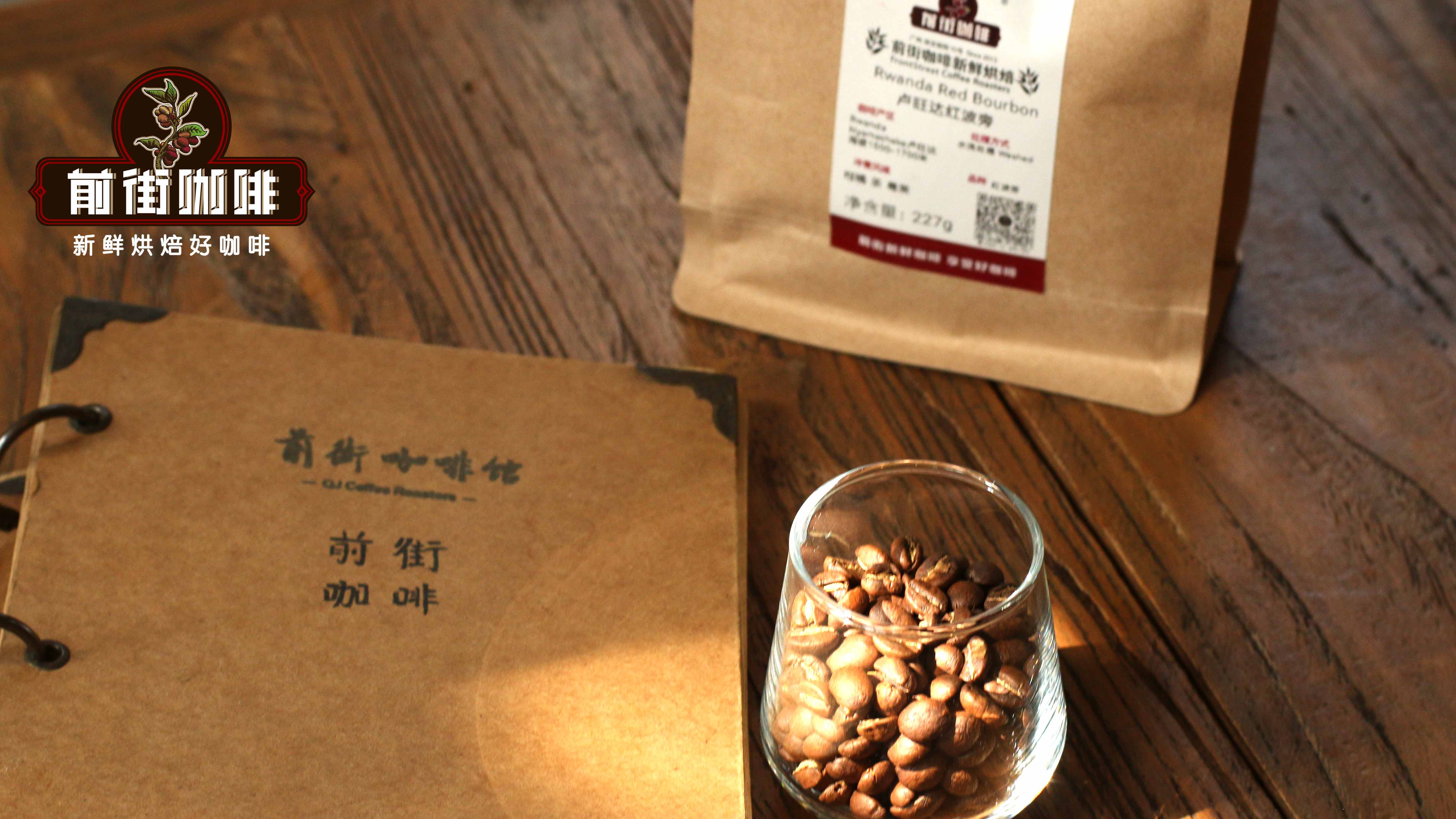
Rwanda, known as the "Land of a Thousand Hills," enjoys superior conditions such as high altitude, volcanic soil, and abundant sunlight. Its coffee is celebrated for its fruity sweetness, floral aromas, and a finish reminiscent of black tea, with a flavor profile more balanced than Kenya's. Why does Starbucks Reserve favor Rwanda? Drawing on Front Street Coffee's cupping experience, this article examines Rwanda's growing environment, main producing regions, the industry's transformation during the colonial period, its Bourbon-dominant variety structure, and how washed processing became the key to a leap in quality. It also includes the complete profile of Front Street's Rwanda Gaseke coffee beans, roasting curves, cupping notes, and brewing parameters—ideal reading for enthusiasts eager to deepen their understanding of African specialty coffee. [more…]

How to Make Cold Brew Coffee at Home? How Starbucks Nitro Cold Brew Differs from Americano, Plus Five Front Street Coffee Bean Recommendations
In the heat of summer, a refreshing glass of cold brew coffee is the top choice for cooling off among many coffee lovers. Cold brew is simple to make—steep it before bed and it's ready to enjoy the next day. But what exactly is the difference between cold brew, Americano, and Starbucks Nitro Cold Brew? How can you make a delicious cold brew at home? This article will start with the extraction principles of cold brew, explain the taste advantages brought by low-temperature slow extraction, and break down in detail Front Street Coffee's cold brew production parameters and steps. Finally, we recommend five single-origin coffee beans suitable for making cold brew, covering Yirgacheffe, Kenya, Panama Butterfly, Costa Rica Mozart, and Honduras Sherry, to help you find your own cup of summer cold brew. [more…]
Coffee Bean Brand Buying Guide: Seven Delicious and Affordable Coffee Bean Recommendations and Comparisons
Want to enjoy a great cup of coffee at home? Choosing the right coffee bean brand is key. This article rounds up seven coffee bean brands worth checking out, covering Starbucks, Front Street Coffee, Nescafé, illy, Colin, Novell, and Front Street Kenya AA beans, analyzing each one by flavor profile, roasting freshness, and value for money. Among them, Front Street Coffee offers more than fifty types of beans, covering mainstream growing regions, and insists on roasting within five days and shipping within twenty-four hours, balancing quality and price. Whether you're a beginner just getting started or a seasoned coffee lover looking for everyday beans, this list can help you find the one that suits you faster. [more…]
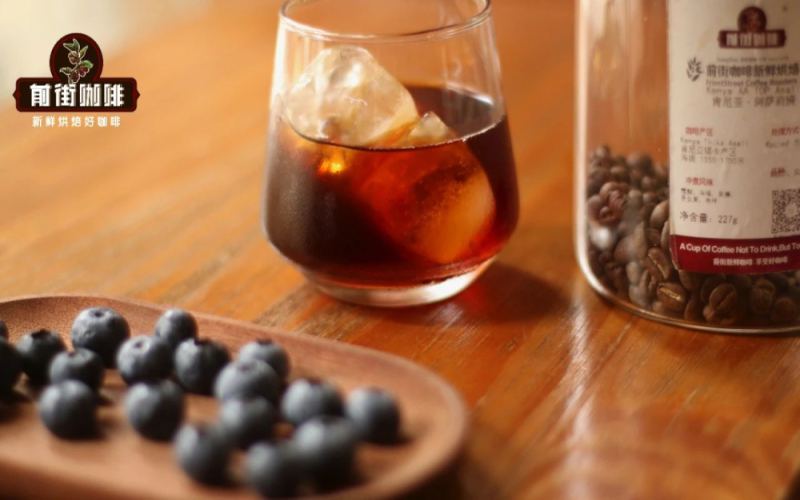
Why Is Kenyan Coffee Flavor So Distinctive? A Full Breakdown of V60 Brewing Parameters, Varieties, and Processing Methods for Kenyan AA
Kenyan coffee is renowned for its bright, intense acidity, often described as having flavors of cherry tomatoes and prunes, which stands in sharp contrast to the citrus notes of Ethiopian coffee. From the perspective of Front Street Coffee, this article systematically reviews Kenya's coffee-growing regions and their cultivation conditions, the main varieties (SL28, SL34, Ruiru11, Batian), the distinctive K72 washed processing method, and the practical meaning of AA, AB, PB, and other grades in Kenya's green bean grading system. The article also shares the roasting parameters for two Kenyan beans at Front Street Coffee and provides specific water temperature, coffee-to-water ratio, grind size, and staged extraction techniques for brewing Kenyan AA in a V60 dripper, helping coffee enthusiasts gain a more comprehensive understanding of the flavor sources and brewing key points of Kenyan coffee. [more…]
A Detailed Guide to Making Cold Brew Coffee at Home: Starbucks Nitro Cold Brew vs. Americano Comparison and Five Front Street Coffee Bean Recommendations
On a scorching summer day, a refreshing glass of cold brew coffee is undoubtedly the perfect way to cool down. Cold brew has a low barrier to entry—steep it the night before, and it's ready to enjoy the next day. But how does the extraction logic of cold brew differ from that of high-temperature pour-over? And what exactly is Starbucks' Nitro Cold Brew? This article starts with the definition and extraction principles of cold brew, unravels the nitrogen mystery behind Nitro Cold Brew, and shares in detail Front Street Coffee's cold brew recipe and steps, including key parameters such as coffee-to-water ratio, grind size, and refrigeration time. It also offers extraction time adjustment suggestions for different flavor preferences, and recommends five Front Street single-origin coffee beans suitable for cold brew, covering producing regions such as Ethiopia, Kenya, Panama, Costa Rica, and Honduras, helping you make a cup of cold brew to your liking at home. [more…]