







Least Bitter Coffee Drinks at Starbucks and Golden Mandheling Beans
At Starbucks, bitterness drops as syrup and milk increase, so frappuccinos and flavored milk drinks taste sweetest while plain pour-over tastes most bitter. Roast level matters more than any add-in: darker roasts build body and bitterness, and lighter roasts keep acidity forward. Beans such as golden mandheling, Kenya Cherry Tomato and Esmeralda Green Label Geisha show how wide that range can be.
Brewing also drives perceived bitterness, so water temperature, grind size and extraction time all need attention. A medium-light roast poured at a moderate temperature with a coarser grind limits the harsh compounds that read as bitter. For contrast, a panama geisha lot brewed the same way shows floral and citrus notes rather than roast-driven bite.
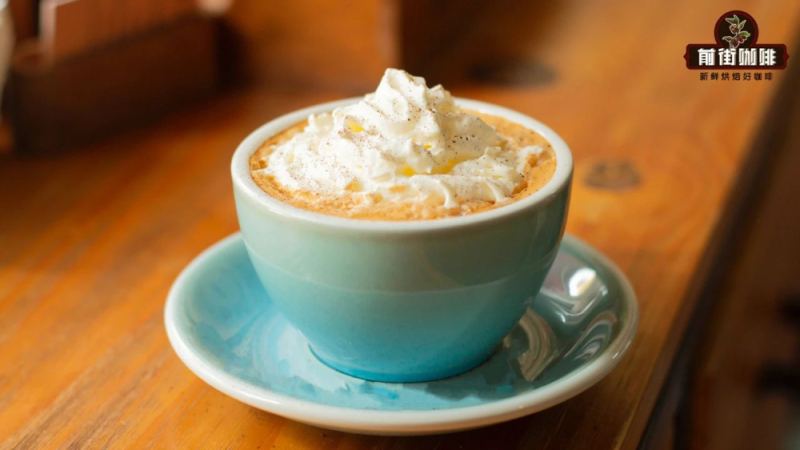
For many people, the one thing they fear most about drinking coffee is bitterness. Step into a Starbucks and face the dense menu, and choice paralysis kicks in immediately: which drinks aren't bitter? And how do you rank them by sweetness? The logic isn't actually complicated—the more syrup added, the sweeter the result, and the higher the proportion of milk, the more the coffee's own bitterness gets diluted. But if you want to truly understand coffee, adding sugar and milk isn't enough. The roast level, variety, and processing method of the coffee beans are what really determine the intensity of bitterness. This article starts with the patterns behind choosing Starbucks drinks, then uses three beans from the Front Street Coffee bean list—Kenya Cherry Tomato, PWN Golden Mandheling, and Hacienda La Esmeralda Green Label Geisha—to explain the sources of acidity and bitterness, along with specific brewing parameters, so you can brew a smooth, non-bitter cup at home.
More and more people are drinking coffee, but the moment you push open the door of a Starbucks, you're greeted by a dense, crowded menu—and friends who struggle with choices are instantly stumped: which coffees aren't bitter? Which one tastes best? And how do you rank them by sweetness?
The logic is actually quite straightforward. The more syrup you add, the sweeter the final product—Frappuccinos are a classic example. The more milk you add, the more diluted the coffee's own flavor becomes, so bitterness naturally becomes harder to detect. This applies to espresso drinks, and the same goes for a mocha with chocolate sauce or a caramel macchiato drizzled with caramel.
Front Street has noticed that most consumers walking into Starbucks still lean toward milk-and-sugar styles. As for pour-over coffee—made without sugar or milk—many people openly say they can't handle that bitter kick. But based on Front Street's years of experience, the reason pour-over tastes so noticeably bitter isn't just about variables like bean variety, growing environment, water temperature, extraction time, and grind size. There's another core factor that can't be ignored—the degree of roast. The darker the beans are roasted, the more body they develop, and the bitterness rises along with it.
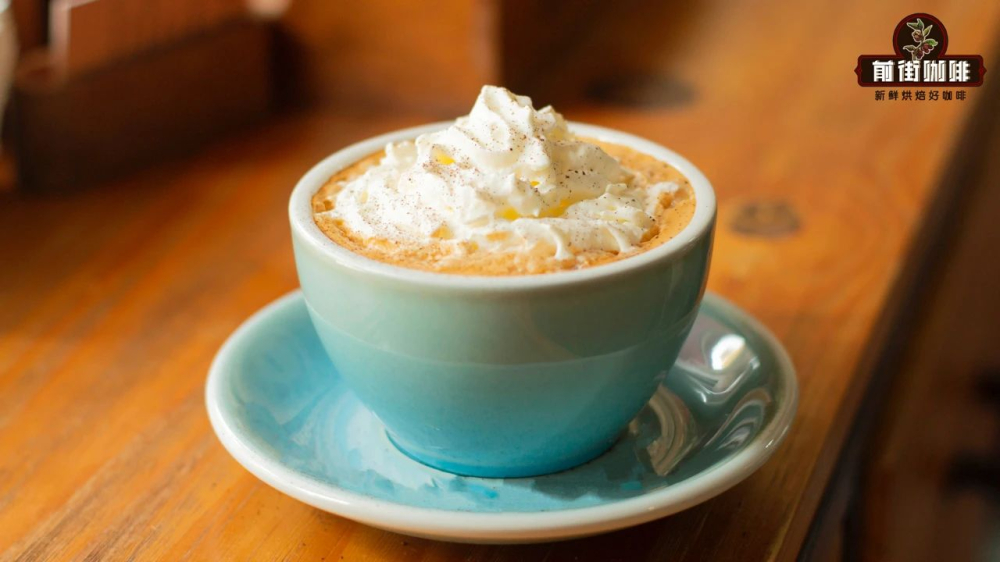
Green coffee beans are naturally light green. Through roasting, their color shifts step by step from light green toward brown, even dark brown. As the roast deepens, the Maillard reaction continues, and proteins and polysaccharides are converted into large-molecule dark brown pigments—and these pigments are precisely the source of bitterness. The larger the pigment molecules, the more intense the bitterness, the fainter the acidity, and the heavier the mouthfeel.
The more than thirty beans on the Front Street Coffee shop's bean list can all confirm this point. Here, let's pick the two beans with the most extreme flavor profiles for comparison:
Front Street Kenya Cherry Tomato Coffee Beans Region: Thika, Kenya Processing Station: Asali Honey Processing Station Altitude: 1550m–1750m Variety: SL28, SL34 Processing Method: K72 Washed
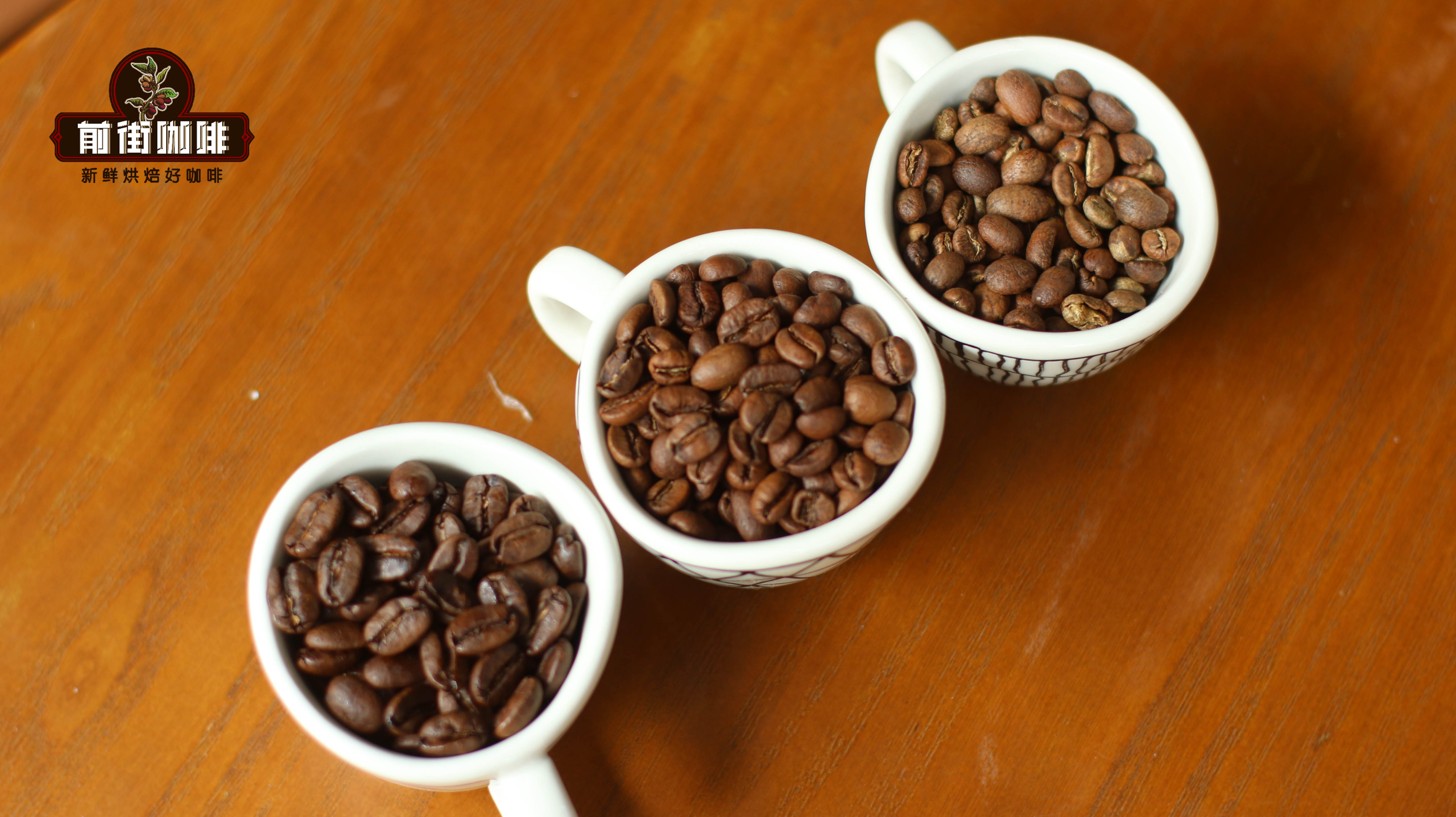
Front Street PWN Golden Mandheling Coffee Beans Country: Indonesia Region: Gayo Mountain, Aceh, Sumatra Altitude: 1100m–1600m Variety: Ateng Processing Method: Wet-Hulled
Brewing Suggestions
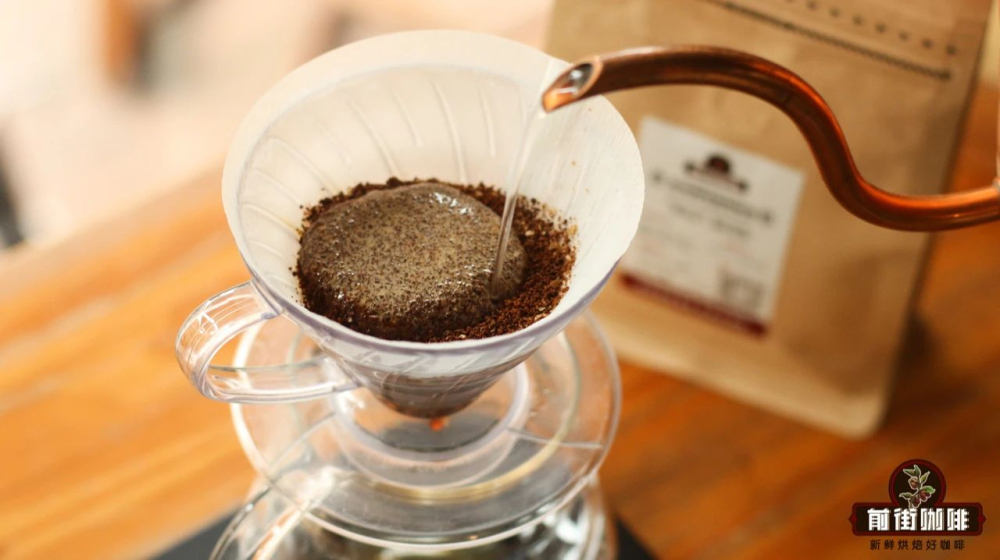
Front Street Coffee recommends the following brewing parameters: Dripper: Kono dripper [Golden Mandheling]; V60 dripper [Kenya] Water Temperature: 86°C [Golden Mandheling]; 93°C [Kenya] Dose: 15g Coffee-to-Water Ratio: 1:15 Grind Size: EK43s #11 (70–75% pass-through on Chinese Standard No. 20 sieve) [Golden Mandheling]; EK43s #10 (80% pass-through on Chinese Standard No. 20 sieve) [Kenya]
Front Street Coffee (FrontStreet Coffee) uses a staged extraction method: use 30g of water for a 30-second bloom, then pour in a slow circular stream until the scale reads 125g for the first stage. When the water level drops and is about to expose the coffee bed, continue pouring until 225g and stop. When the water level drops and is about to expose the coffee bed again, remove the dripper. (Timing starts from the beginning of the bloom.) Total extraction time is 2'00".
Flavor Description
[Front Street Cherry Tomato] The wet aroma has ripe tomato and floral notes. On the palate, flavors of cherry tomato and smoked plum, with bright acidity, a clean and rich mouthfeel, and a prominent sweetness in the mid-palate. It has a juicy quality, with a finish of berry and brown sugar sweetness, plus green tea aroma.
[Front Street PWN Golden Mandheling] Layered and complex, mellow and clean, with high balance. Rich nutty and caramel aromas, with chocolate notes and a long-lasting finish.
Front Street Kenya Cherry Tomato
Front Street Coffee (FrontStreet Coffee)'s Cherry Tomato beans have such a bright, clean acidity not only because of their light roast level, but also because of Kenya's local red soil rich in phosphoric acid, as well as their K72 processing method.
What Is the K72 Processing Method?
The K72 processing method, also known as the Kenyan-style 72-hour fermentation washed process. Kenyan coffee beans undergo a repeated cycle of fermentation and washing. After harvest, the highest-quality cherries are selected, depulped, and fermented for 24 hours. After 24 hours, they are washed with clean river water, and this is repeated 3 times to reach 72 hours.
Front Street Golden Mandheling
The reason Mandheling became known to the world owes much to its excellent body. There's a story behind this as well.
Mandheling was originally the name of an Indonesian tribe, and through a twist of fate it became the name of a coffee bean. There's a story behind it. Back when Japanese soldiers were in Indonesia during the colonial period, they returned to Japan and couldn't forget the delicious local coffee. Through trade connections, they asked locals to help collect high-quality coffee beans, and among them was this Mandheling. The Japanese loved this coffee bean and asked for its name. Since the commercial source couldn't be disclosed, the locals casually said "Mandheling," and just like that, Mandheling accidentally became the name of a coffee bean.
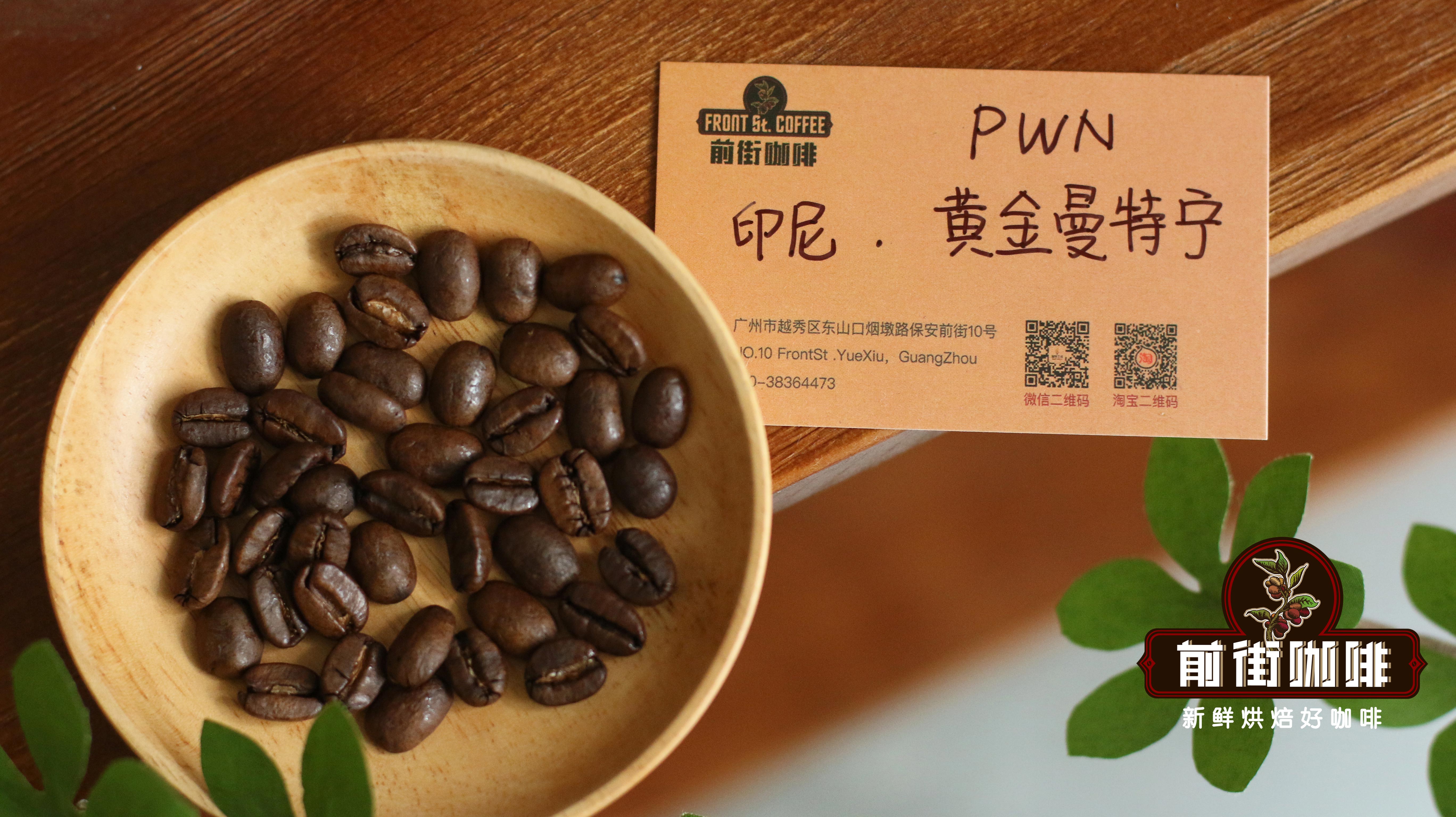
And the local that friend found was none other than the owner of Indonesia's PWN company (Pwani Coffee Company). Later, PWN registered Golden Mandheling as its trademark. Front Street Coffee (FrontStreet Coffee)'s Golden Mandheling is PWN's Golden Mandheling.
The Special Processing Method: Wet-Hulling
Mandheling mostly uses Sumatra's unique coffee processing method—wet-hulling. The wet-hulled method creates Mandheling's distinctive flavor. You could say Mandheling and wet-hulling are inseparably linked.
Because the local weather is mostly rainy, with constant typhoons, it can't achieve the good weather needed for sun-drying. And the local economy isn't strong either, so they can't afford the more expensive washed method. This gave rise to the highly localized wet-hulled method. Nowadays, Indonesia's coffee industry has developed far beyond those early days of poverty. There are quite a few estates and companies with the means to use the washed method, but why haven't they abandoned wet-hulling? Front Street Coffee (FrontStreet Coffee) believes that wet-hulling is what made Mandheling coffee known to the world. The moment you mention Mandheling coffee, you think of wet-hulling—so they've become a mutually reinforcing pair.
The specific steps of wet-hulling can be divided into the following two stages: Stage one: Use a wooden depulper to remove the skin and pulp. After 3 hours of fermentation, spread the beans out to dry until the moisture content drops to 30–50%, which is semi-dry. Stage two: Remove the mucilage and parchment layer, and continue the later drying stage. The drying process takes 2–4 days, bringing the moisture content down to 12–13%.
Besides the regular wet-hulled method, there's also an aged wet-hulled method. The coffee beans first undergo regular wet-hulling, then are sealed and stored in a warehouse for 2–3 years. The warehouse environment must be cool, ventilated, and the beans must be turned regularly to prevent mold and spoilage. During this time, the coffee's acidity gradually diminishes and converts to sugars, and the color becomes deeper—mostly yellowish-brown or dark brown. The Mandheling coffee beans on Front Street Coffee (FrontStreet Coffee)'s bean list that use this processing method are called Aged Mandheling Coffee Beans.
Panama Geisha
If you're asking whether there's such a thing as a sweet pour-over coffee—there really is! For example, in Front Street's eyes, the Panama Hacienda La Esmeralda Washed Green Label Geisha offers outstanding value.
Speaking of Geisha, one must mention Hacienda La Esmeralda. Hacienda La Esmeralda is both the discoverer of Geisha's flavor and the promoter of Geisha coffee. The Geisha variety was introduced to Panama in the 1960s and remained obscure, but after more than 40 years of quietly building up, it won the 2004 BOP competition and shot to fame overnight, becoming known to the world.
Geisha coffee beans are considered the brightest, richest, and most intensely aromatic coffee variety. Geisha coffee trees grow at very high altitudes and have beautiful, slender leaves. Geisha coffee cherries and green Geisha coffee beans are also somewhat slender compared to other top-quality high-altitude coffees. Geisha has a full sweetness, an extremely clean mouthfeel, and rich aromas that range from berry and citrus all the way to mango, papaya, and peach. A very distinct bergamot-like aftertaste is also a typical cupping attribute. Geisha coffee beans are often champions among coffee varieties. Geisha coffee beans receive cupping evaluations of moderate body.
Hacienda La Esmeralda classifies its Geisha coffee varieties into three grades: Red Label, Green Label, and Blue Label. To maintain the estate's brand image, starting in 2021, the Blue Label under the Geisha brand was discontinued.
Green Label Geisha
Green Label is not an independent competition lot—it's Geisha of excellent quality that is planted but doesn't enter competition. It uses beans from altitudes of 1600–1800 meters, blended from micro-lots from different plots such as Jaramillo and Cañas Verdes. People often ask what the difference is between Red Label and Green Label. Front Street Coffee (FrontStreet Coffee) gives the simplest answer: Red Label can be traced back to which specific small plot, while Green Label is a blend that cannot be traced. Because it uses a blend model, with no detailed plot designation, sometimes Green Label and Red Label can be very similar in flavor, but the next release might be different again. Front Street Coffee (FrontStreet Coffee) feels that drinking Green Label is like buying a lottery ticket—maybe this batch you're drinking tastes just like Red Label. Green Label Geisha can be processed using either natural or washed methods.
Front Street Coffee (FrontStreet Coffee)'s Hacienda La Esmeralda Washed Green Label Geisha has fresh jasmine and ginger flower aromas, citrus-like bright acidity, and a thick, juicy mouthfeel.
Front Street Hacienda La Esmeralda Green Label Geisha Coffee Beans Region: Boquete, Panama Estate: Hacienda La Esmeralda Altitude: 1600m–1800m Variety: Geisha Processing Method: Washed
Front Street Brewing Suggestions for Hacienda La Esmeralda Green Label Geisha Coffee Beans Dripper: V60 #01 Dose: 15g Coffee-to-Water Ratio: 1:16 Grind Size: EK43s #10.2 Water Temperature: 91°C
Front Street took into consideration that these Geisha coffee beans are all light-roasted. Light-roasted beans have a lower dissolution rate of coffee compounds than dark-roasted ones, so to ensure full extraction of Geisha's flavors, a higher water temperature was used for brewing, along with a finer grind size. Some friends have noticed that Front Street has always recommended a 1:15 coffee-to-water ratio, but for Hacienda La Esmeralda's Geisha it's 1:16. That's because slightly widening the ratio helps better appreciate Geisha's layers and flavors.
Front Street Coffee (FrontStreet Coffee) uses a staged extraction method, also called three-stage brewing: use 30g of water for a 30-second bloom, then pour in a slow circular stream until the scale reads 125g for the first stage. When the water level drops and is about to expose the coffee bed, continue pouring until 240g and stop. When the water level drops and is about to expose the coffee bed again, remove the dripper. (Timing starts from the beginning of the bloom.) Total extraction time is 2'00"–2'05".
Flavor Description: Intense jasmine aroma, high sweetness, citrus, berry, juicy quality, cream, green tea, orange peel, cantaloupe. The overall flavor is richly layered, with a long-lasting finish of floral and citrus notes.
The above content is compiled by CoffeeHunters, a coffee news website.


