







Search Results for: Spoon Measurement
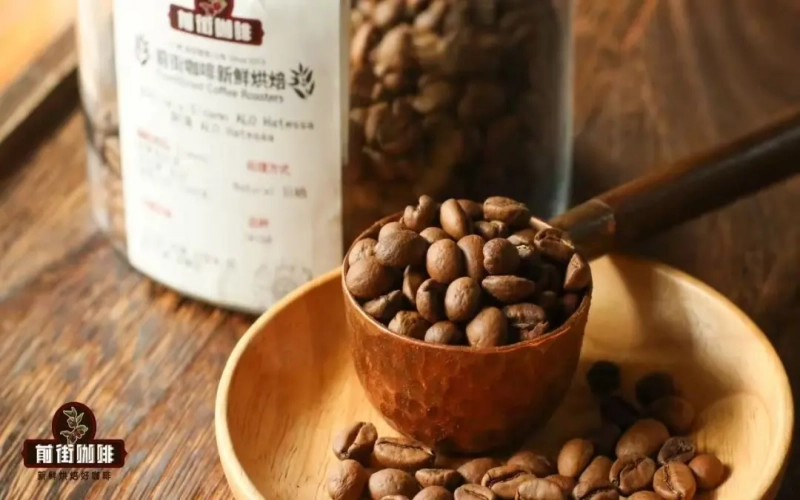
Measurement in Pour-Over and Espresso: Why a Digital Scale Beats a Measuring Spoon, and How Coffee-to-Water Ratio Affects Strength
In coffee brewing, the choice of measuring tools may seem like a minor matter, yet it directly affects consistency in the cup. A measuring spoon is convenient, but it measures volume rather than weight; due to differences in variety, cultivation, and roasting, the same level spoonful of different coffee beans may scoop out 9g or 11g, an error large enough to change the direction of the flavor. Front Street Coffee once conducted an experiment with Geisha Village Red Label Geisha: with water volume and other parameters unchanged, adjusting the dose by just 1g produced noticeable differences in concentration and extraction yield. This article will use experimental data to explain why electronic scales have become the first choice of coffee shops, and to show why measurement accuracy must be even higher under pressurized espresso extraction. [more…]
How to properly drink coffee grounds? American drip coffee maker usage guide and key operating points analysis
Can you brew coffee grounds directly? How should you drink coffee after grinding the beans? Starting from the daily inquiries received by Front Street Coffee baristas, this article systematically introduces the types of American drip coffee makers, capacity specifications, water and coffee grounds standards, and the complete operating steps. The content covers the history of American coffee, its differences from espresso, how to make iced Americano, and recommendations for choosing coffee beans suitable for American coffee makers. Whether you are a coffee beginner or an enthusiast hoping to easily brew a pot of good coffee at home, this guide can help you get started quickly and master the essentials of using an American drip coffee maker. [more…]
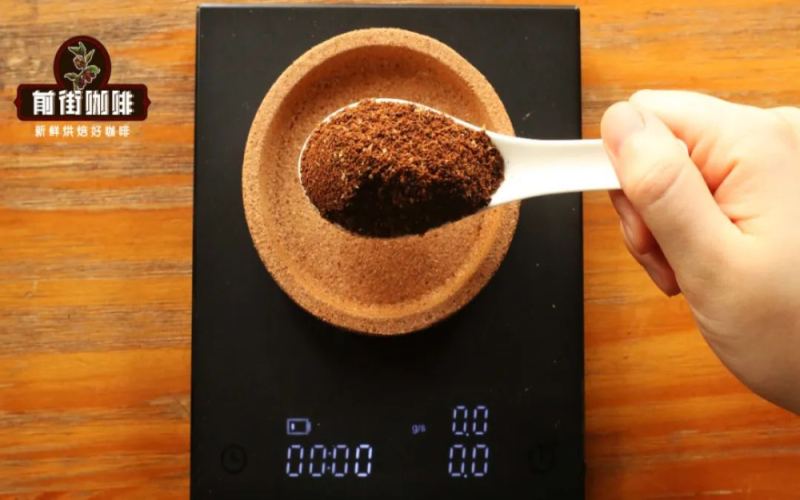
How Many Grams Is a Scoop of Ground Coffee? And How Many Scoops Are in 15 Grams of Coffee Beans? A Practical Conversion Guide
Many friends who are just getting into pour-over coffee, in order to save money, often skip tools like electronic scales and thermometers, and instead use spoons they already have at home to estimate their coffee dose. But spoons vary in size and depth, and the roast level of the coffee beans also affects density, so there is no uniform answer to how many grams a single spoon holds. This time, Front Street Coffee specifically gathered four common types of spoons—a porcelain soup spoon, a small stainless steel spoon, a cupping spoon, and a promotional bean scoop—and separately weighed light roast, medium-light roast, medium-dark roast, and dark roast coffee beans before and after grinding, compiling a complete set of data, and teaching you how to convert, based on roast level, the number of scoops needed for close to 15 grams of coffee, so that even without an electronic scale you can still roughly control your coffee dose. [more…]
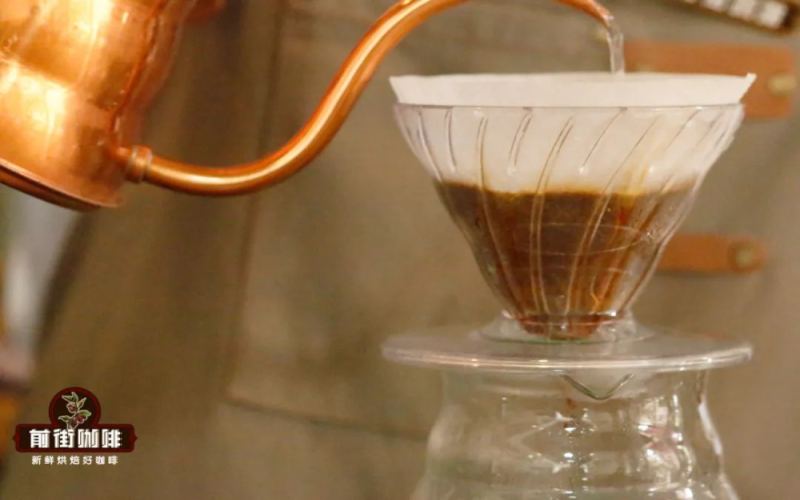
The Difference Between Coffee-to-Water Ratio and Coffee-to-Beverage Ratio Explained: Choosing and Converting Measurement Methods for Pour-Over
In the daily practice of pour-over coffee, the coffee-to-water ratio and the coffee-to-beverage ratio are two concepts that are often mentioned but easily confused. The former refers to the ratio of coffee grounds to the amount of water poured, while the latter measures the relationship between the coffee grounds and the weight of the final brewed coffee liquid. Since coffee grounds absorb about twice their own weight in water during extraction, there is a convertible correspondence between these two ratios. Understanding their differences not only helps in choosing the appropriate measurement method for different brewing scenarios, but also enables coffee enthusiasts to precisely control the extraction results. This article will systematically sort out the definitions of the coffee-to-water ratio and the coffee-to-beverage ratio, the conversion logic, and their respective applicable occasions, and combine them with the practical experience of Front Street Coffee to provide readers with clear operational guidance. [more…]
How is the extraction yield of immersion brewing calculated? Concentration measurement and practical demonstration under the Golden Cup theory
In the Golden Cup extraction theory, extraction yield and concentration are the two core metrics for assessing the flavor state of coffee. However, coffee that falls within the ideal range is not necessarily delicious, and coffee outside the range is not necessarily undrinkable—the key lies in how to use these two values to help adjust the brewing plan. From the perspective of Front Street, this article first clarifies the basic definitions and ideal ranges of extraction yield and concentration, then explains in detail how to use two sets of concentration measuring tools, and finally uses the Santa Vini anaerobic natural beans as an example to fully demonstrate the entire process from weighing the liquid weight to plugging it into the formula to calculate the extraction yield. [more…]
How to brew ground coffee | How to determine the grind size for an American coffee maker? How to make delicious black coffee with an American drip machine?
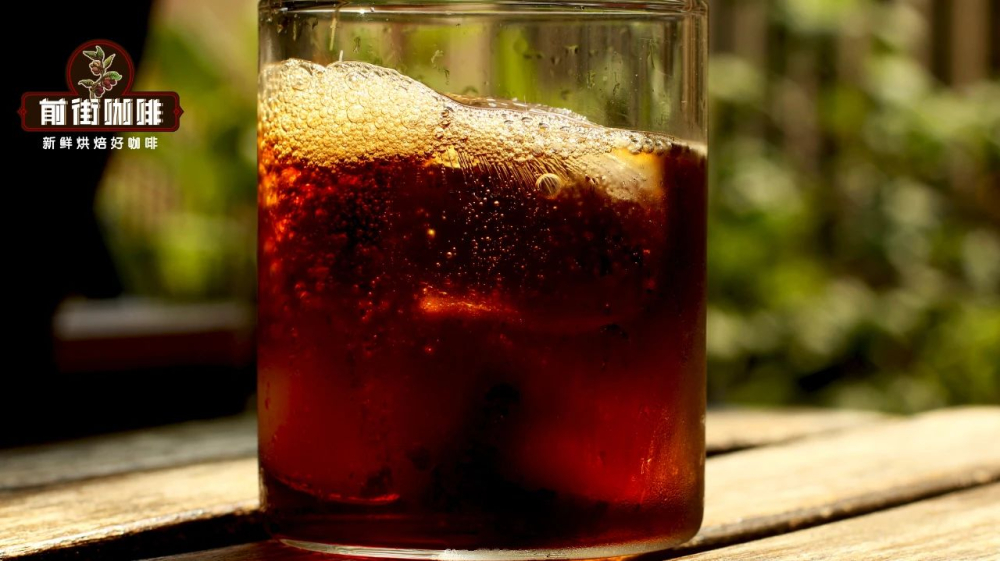
Customers who frequently come to Front Street Coffee sometimes ask the baristas if there's a lazy-person coffee machine suitable for home use, preferably at a reasonable price. Well then... let's get to know the American drip coffee maker! The American drip coffee maker (Drip Coffee Maker) is currently one of the more commonly used [more…]

How to Brew Coffee at Home Without a Dripper, Filter Paper, or Pour-Over Kettle? A Complete Guide to Four Simple Alternatives
Returning home for the Spring Festival, your coffee craving kicks in, only to find you didn't bring a dripper, your filter papers are used up, and your pour-over kettle is nowhere to be found? Don't worry—as long as you have ground coffee and hot water on hand, you can still brew a delicious cup. This article rounds up four simple brewing methods you can do at home: propping a filter paper up with chopsticks, steeping in a teapot, boiling directly in a pot, and an immersion method mimicking cupping. Each method comes with detailed parameters and step-by-step instructions, and using Front Street. Hamashiu natural beans as an example, it walks through the flavor results of each approach one by one, helping you get a satisfying cup even when you're short on gear. [more…]
Can an espresso machine also make pour-over? Analyzing the principles of faux pour-over and key operating points for home espresso machines
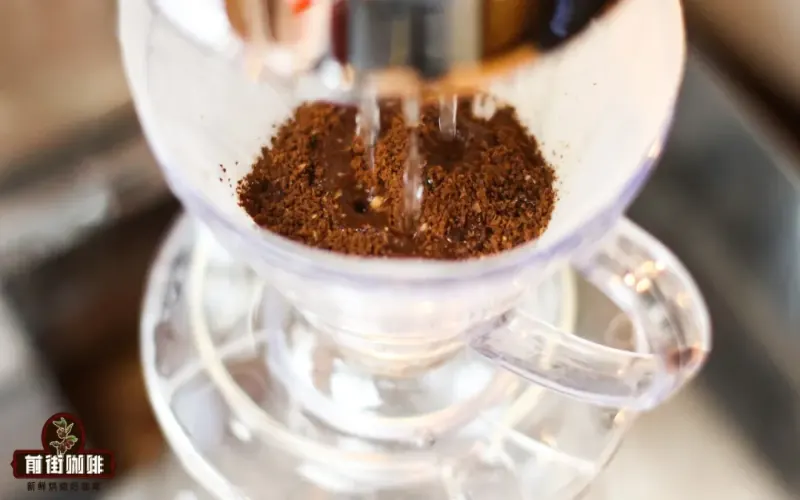
Many people assume that pour-over coffee can only be made with a gooseneck kettle and a dripper, but in fact, an espresso machine can also produce a satisfying cup of drip coffee. The key lies in the proper setting of brewing parameters, not the pouring method itself. Using Front Street Ethiopia Huakui as an example, this article explains in detail the entire process of making pour-over coffee with an espresso machine, including water temperature measurement, dripper selection, grind size adjustment, and the specific steps of pulse pouring. It also explores the so-called fake pour-over concept, helping readers understand the core logic of coffee extraction and allowing home espresso machines to unlock more possibilities. [more…]
The Art of Tasting Espresso: Extraction Parameters, Tasting Methods, and Flavor Analysis
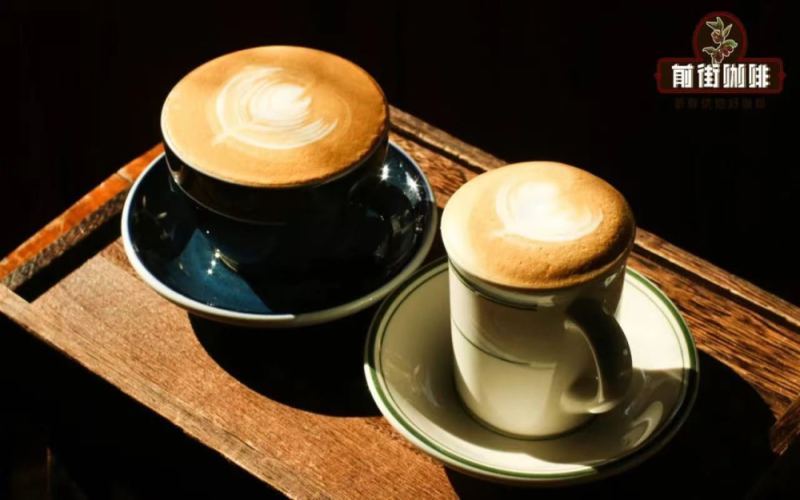
Espresso may seem simple, but in reality it conceals a great deal of knowledge. From extraction pressure, water temperature, and dose to extraction yield, every variable affects the final flavor expression. Many first-timers are puzzled by the glass of ice water a barista serves alongside it—what exactly is this water for? Starting from Front Street Coffee's production practices, this article systematically sorts out the golden rules for espresso extraction, analyzes how grind size, extraction pressure, dose, and extraction yield affect flavor, introduces in detail the recipe and flavor characteristics of Front Street Coffee's Sunflower Warm Sun blend coffee beans, and finally shares the proper way to drink espresso, helping coffee lovers truly understand this cup of rich, mellow coffee. [more…]
A Complete Guide to Recommended Bean Varieties, Grind Size Standards, and Operating Procedures for American Drip Coffee Makers
To easily enjoy a good cup of coffee at home, a American drip coffee maker is a highly cost-effective choice. It is simple to operate, has a standard process, and brewing a pot takes only 5 to 8 minutes. Based on the experience of Front Street Coffee, this article sorts out single-origin beans suitable for American coffee makers for coffee lovers, including Huakui, Mozart, Bird of Paradise, Queen's Estate, and Butterfly, and explains in detail the water amount, coffee dose, grind size, and the complete steps for using a drip coffee maker, helping you quickly master the method for consistently producing good coffee at home, while also answering common questions about making iced American coffee and adjusting the grind size. [more…]
How to Fix Coffee Ground Too Fine for Pour-Over? Muddy Flow Stirring Brewing Method Explained and Practical Parameters Shared
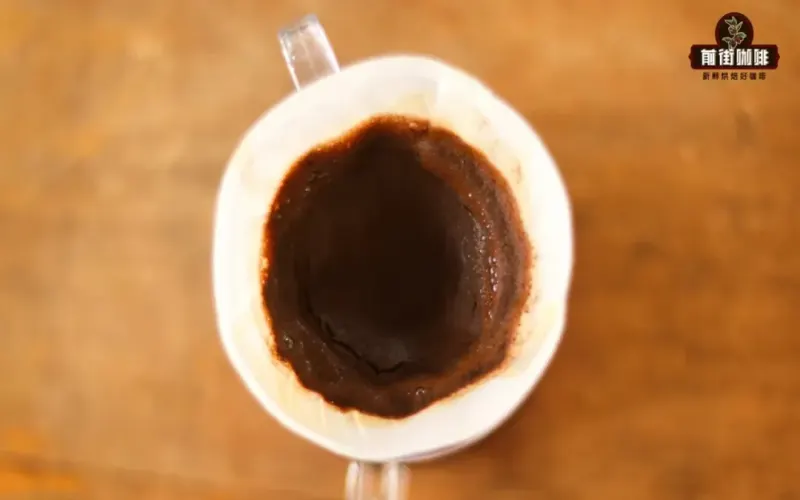
When brewing pour-over coffee, if the filter basket ends up with a thick, muddy bed of grounds instead of distinct, granular particles, it often means the coffee was ground too fine, which easily leads to over-extraction. When faced with the dilemma of pre-ground coffee that cannot be made coarser, besides switching to immersion extraction, there is another distinctive approach using high concentration and low extraction—the mud flow. It uses extremely fine grinding combined with agitation to rapidly dissolve flavor compounds in a short time, then dilutes with hot water, resulting in coffee with a normal extraction yield and full flavor. In this article, Front Street will explain in detail the principles and specific operating parameters of the mud flow, helping you easily tackle the problem of coffee grounds that are too fine. [more…]
A Complete Guide to Espresso: From Boiler Systems to Milk Frothing and Latte Art — Professional Fundamentals
Want to systematically master the underlying logic of espresso? This article provides a complete overview of the core knowledge system of espresso, from equipment principles to practical details. It first deeply analyzes the differences between four types of boiler heating systems and their impact on extraction stability, then explains one by one the selection of steam wands, the structure of grinder burrs, the matching principles of tampers, and key points for choosing latte art pitchers. In the materials section, it focuses on comparing the roasting differences between Northern and Southern Italian-style coffee beans and the logic for selecting suitable milk. Finally, it focuses on the five major variables of extraction and the six factors of milk frothing, and explains in detail the techniques for integrating coffee and milk foam. The full text balances theoretical depth with operational guidance, making it suitable for coffee enthusiasts who want to solidify their foundations to read carefully. [more…]
Coffee Color Meter Usage Guide: From Bean Color and Ground Value to RD Value, Understanding the Scientific Measurement of Roast Degree
Judging the roast level of coffee beans by the naked eye alone, based on how light or dark the color appears, is clearly not rigorous enough. In the industry, a colorimeter is more commonly used to measure the degree of caramelization. This article will start with the measurement principle, explain the meaning of the Agtron value (color value), the difference between whole-bean color and ground-coffee color value, and how the RD value calculated from the difference between the two reflects roast uniformity. It will also explain how factors such as processing method affect the measurement results. Front Street Coffee will also present the commonly shared Agtron value roasting chart to help coffee enthusiasts more systematically understand the scientific basis behind roast assessment. [more…]
Espresso Measurement Decoded: How Much Coffee Is in a Shot? From Bar Lingo to Coffee Shop Standards
When ordering at a coffee shop, you'll often hear phrases like "add a shot" or "give me a shot," but how much espresso does one shot actually mean? This term actually originated from bar culture and was later borrowed into the coffee world. As extraction equipment and production standards have continued to evolve, the meaning of "shot" has also undergone a shift from measuring by dose to measuring by liquid volume. This article will sort out the origin of the term "shot," what it specifically refers to in the coffee context, and how modern coffee shops deal with the awkwardness brought by traditional measurement methods, helping coffee enthusiasts understand the ordering logic of espresso more clearly. [more…]
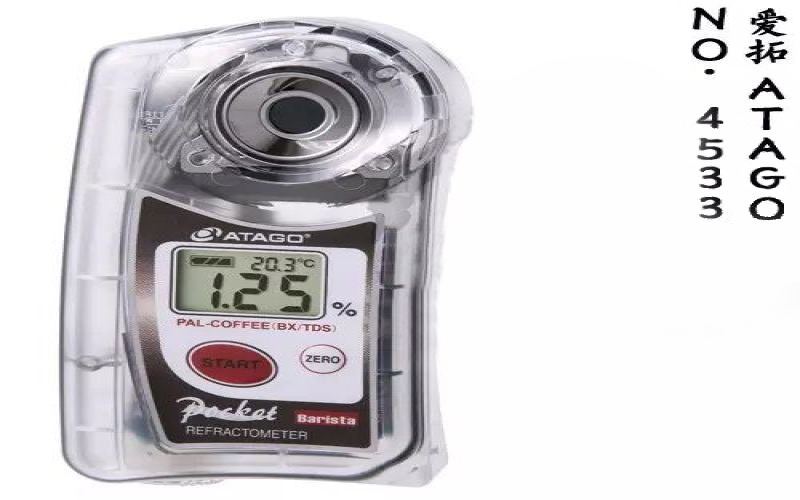
ATAGO Coffee Concentration Meter Operation Guide: A Complete Analysis from Zero Calibration to Extraction Yield Calculation
For coffee enthusiasts pursuing precise extraction, the ATAGO refractometer is a common professional tool. This article focuses on three coffee refractometers under the brand—4523, 4532, and 4533—sorting out their differences and purchasing advice, and addresses questions about accuracy comparisons with the VST LAB. Then, using the 4532 TDS model as an example, it explains step by step the practical essentials such as the unboxing checklist, battery installation, zero calibration, concentration measurement, and extraction yield calculation. The article also particularly reminds readers of easily overlooked details such as zeroing frequency, sample temperature, and cleaning taboos. If you are currently using or considering purchasing an ATAGO refractometer, this guide will help you avoid common pitfalls and make every measurement more reliable. Front Street Coffee also emphasizes the standardized use of such instruments in daily quality control. [more…]
An In-Depth Analysis of Coffee Extraction: Concentration Measurement, Extraction Yield Conversion, and Calculation Methods for Various Brewing Devices
Coffee extraction is the key step that determines flavor. About 30% of coffee beans consists of soluble substances, including both aromatic components and mouthfeel-related compounds, and a higher extraction yield does not necessarily mean better quality. This article systematically introduces concentration measurement methods (refractometer, conductivity pen, evaporation and drying), explains the extraction yield conversion formula in detail, and provides specific calculation steps for different brewing devices such as immersion, pour-over, and espresso. It also includes the golden cup concentration recommendations from the SCAA and SCAE, as well as relevant product information from the Front Street Coffee brand, to help enthusiasts understand extraction more scientifically. [more…]
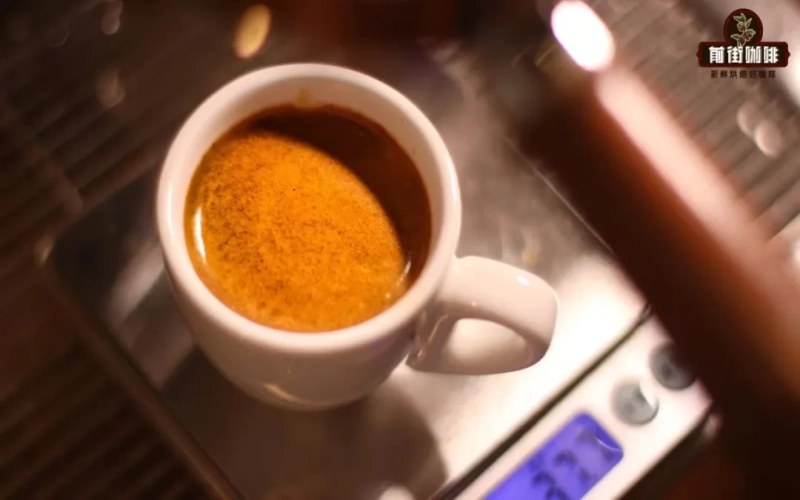
One shot or two? Decoding what a "shot" really means, starting from dose standards
When ordering at a coffee shop, have you ever been confused: if you extract 36ml of espresso from 18g of coffee grounds, should that count as 1 shot or 2 shots? This seemingly simple question actually involves the evolution of measurement standards in the coffee industry. In the early days, 1 shot referred to 30~36ml of coffee liquid extracted from 7~9g of grounds, while today the mainstream approach has changed to extracting 36ml of liquid from 18g of grounds. Is the measurement object the dose of grounds or the volume of liquid? Today, Front Street Coffee will start with the origin of the word "shot" to help you thoroughly sort out the logic for determining single versus double espresso, so you will no longer be confused when ordering or making coffee. [more…]
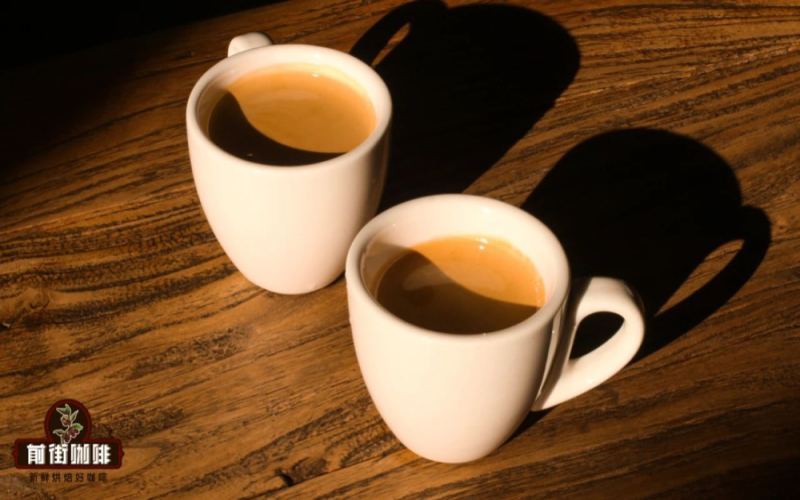
Espresso Dose Guide: Single vs. Double Basket Differences and Standard Extraction Parameters Explained
How much coffee grounds should you use when making espresso? What is the difference between single and double baskets? Drawing on Front Street Coffee's hands-on experience, this article provides a detailed analysis of the structural characteristics and current usage of single-shot espresso baskets, explaining why double baskets have become the mainstream choice. At the same time, using "Front Street Sunflower · Warm Sun Espresso Blend Coffee Beans" as an example, it fully demonstrates the standard extraction process for a double basket, covering dose, yield, time control, and distribution and tamping techniques, to help you consistently produce an espresso with thick, velvety crema and rich, layered flavors. [more…]
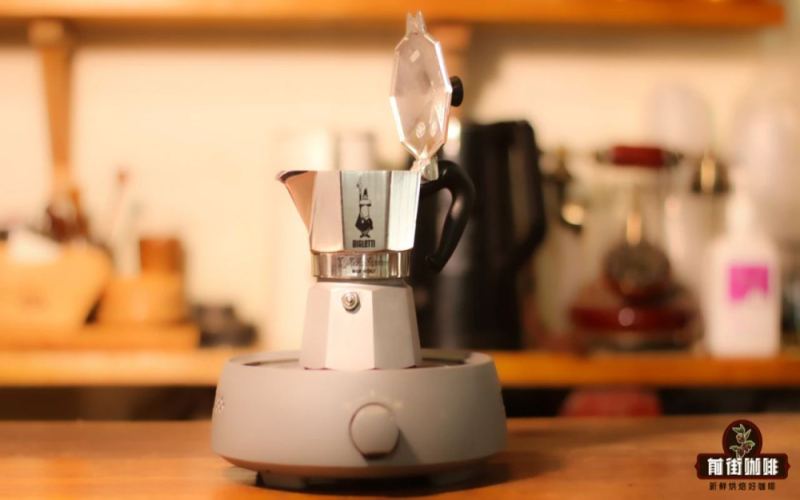
Home Coffee Brewing Methods | What Are the Differences in Taste and Mouthfeel Between Drip, Siphon, and Moka Pot Brewed Coffee? Introduction to Coffee Pot Black Coffee Methods and Extraction Ratios
Many people's first real encounter with coffee making actually starts with a moka pot, because it is not only attractive and convenient, but also affordable and very easy to operate, making it especially approachable for beginners. But Front Street Coffee has also noticed that some young people [more…]
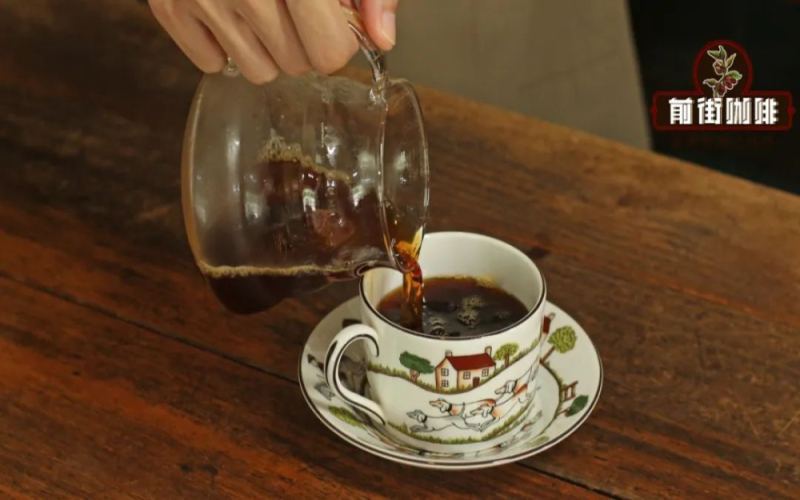
The Way of Hot-Brewed Pour-Over Coffee: How Temperature Changes Affect Flavor and Concentration Measurement
Many people are used to drinking pour-over coffee while it's hot, but what exactly does temperature do to the flavor of pour-over? Starting from coffee refractometer measurements, this article explores how pour-over coffee tastes at different temperatures and explains why hot coffee better reveals the full flavor of the coffee. We'll also introduce recommended products from Front Street Coffee to help you nail the ideal drinking temperature in your daily brewing. [more…]