





Making Pour-Over with an Espresso Machine: Principles and Practical Tips
Many people think pour-over coffee requires a gooseneck kettle and a dripper, but an espresso machine can also produce a satisfying cup of filter coffee. The key lies in setting brewing parameters correctly, not the pouring method itself. This article uses Front Street Ethiopia Huakui as an example to explain making pour-over with a coffee machine, including water temperature measurement, dripper selection, grind size adjustment, and staged pouring.
Using a coffee machine to make pour-over is similar to the faux pour-over concept discussed by Front Street Coffee: with proper brewing parameters, the machine can yield a good pot. The core factors determining flavor are water temperature, grind coarseness, and extraction time; pouring is only an auxiliary. However, pay attention to the actual water temperature, which may deviate from the set value. Measure the outlet temperature and adjust accordingly to avoid under-extraction.
Many people assume that pour-over coffee can only be made with a gooseneck kettle and a dripper, but in fact, an espresso machine can also produce a satisfying cup of filter coffee. The key lies in the proper setting of brewing parameters, not the pouring method itself. This article takes Front Street Ethiopia Huakui as an example to explain in detail the entire process of making pour-over coffee with a coffee machine, including water temperature measurement, dripper selection, grind size adjustment, and the specific operation of staged pouring. It will also discuss the so-called fake pour-over concept, helping readers understand the core logic of coffee extraction and allowing home coffee machines to unleash more possibilities.
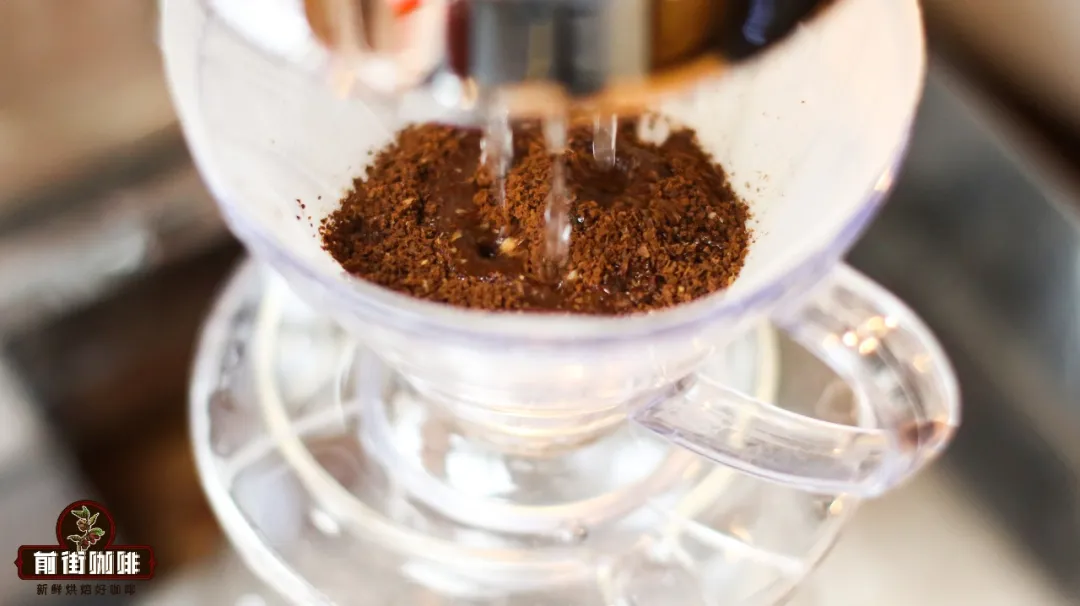
At first glance it may sound a bit unbelievable, but indeed, using a coffee machine to make a cup of pour-over coffee is completely feasible, and the process is quite simple. If you have spare time on ordinary days, you might as well give it a try.
How to brew a decent pour-over with a coffee machine?
Using a coffee machine to make tasty pour-over coffee is not complicated. The idea is actually quite similar to the fake pour-over that Front Street Coffee discussed before—as long as the brewing parameters are set properly, the machine can also produce a satisfying pot of pour-over.
The reasoning is not hard to understand. The core factors determining the flavor of pour-over coffee mainly lie in the various parameters used during brewing, such as water temperature, grind coarseness, extraction time, and so on. The pouring action itself is only an auxiliary means, helping us more easily complete a good cup of coffee. When the parameters are right, even if you use a summer brewing method, you can still make a delicious cup.
However, there are several aspects that need special attention when making pour-over with a coffee machine. The first is the water temperature issue. The actual temperature of the hot water released by a coffee machine often deviates from the set value.
Taking Front Street Coffee's V3 as an example, the set water temperature is 94°C, but the actual temperature of the hot water flowing out will be slightly lower. Therefore, it is recommended to measure the coffee machine's water outlet temperature before actual operation, and then adjust the parameters accordingly, to avoid under-extraction caused by low water temperature.
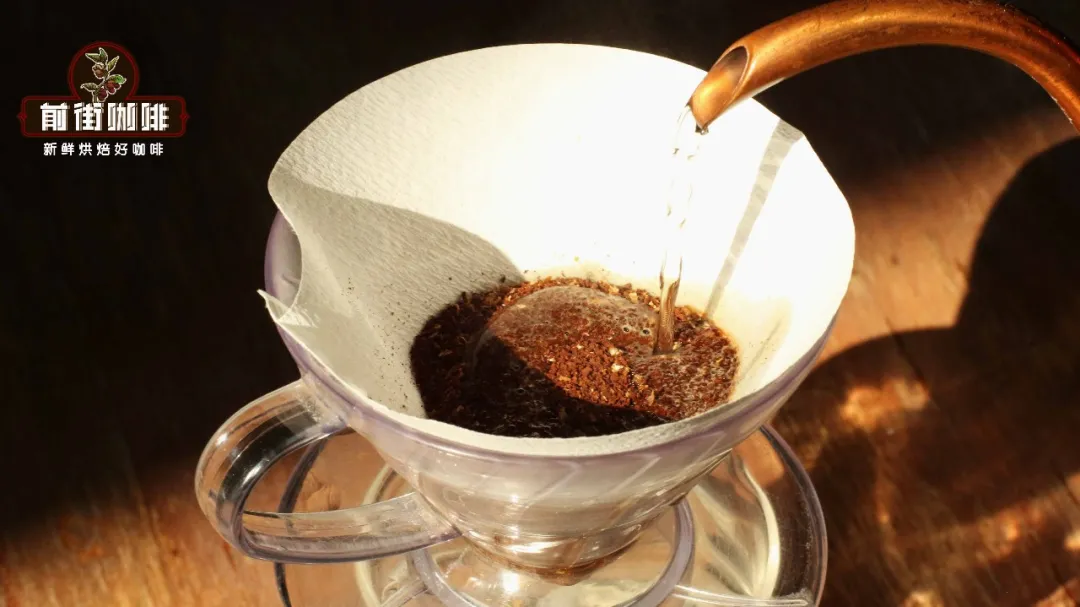
The second is the choice of dripper. The flow rate and coverage range of a coffee machine are usually limited and not easy to adjust. In this situation, if you want to brew a tasty pour-over with a coffee machine, it is best to prioritize a no-bypass, slow-flow dripper. Doing so can both reduce the problem of bypass water and increase the proportion of immersion extraction, preventing uneven, insufficient, or excessive extraction.
So without further ado, next Front Street Coffee will share exactly how to brew a good pot of pour-over with a coffee machine.
This time Front Street Coffee selected Front Street Ethiopia Huakui, a medium-light roasted Ethiopian bean with a very rich floral and fruity aroma. When brewing this type of coffee bean, the grind size should be slightly finer and the water temperature slightly higher, because only with higher extraction efficiency can the flavor substances in this type of high-density bean be fully dissolved out. The parameters used by Front Street Coffee are as follows:
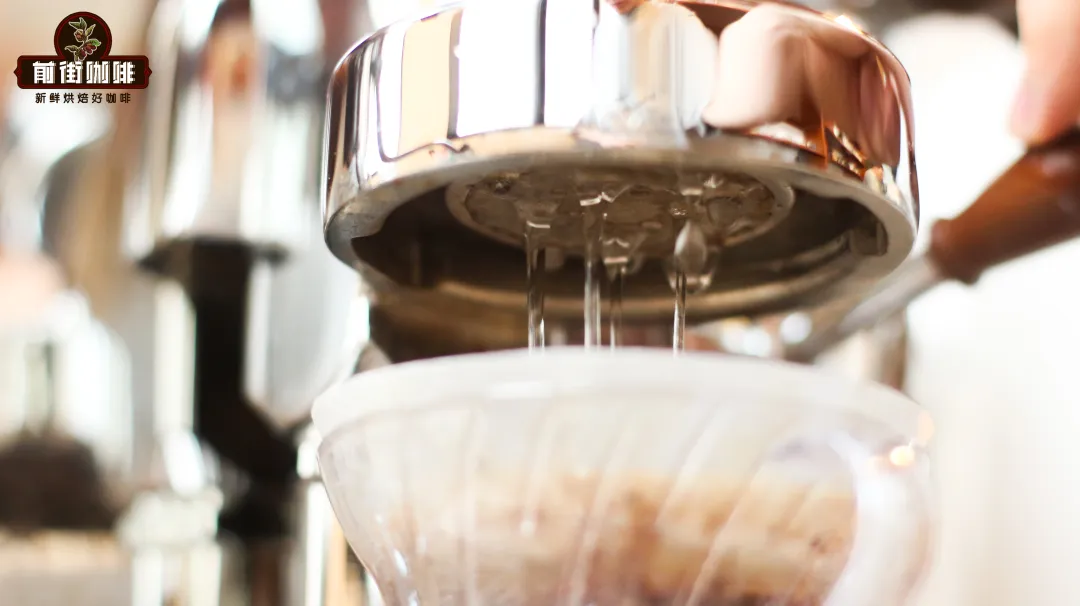
Coffee dose 15g, coffee-to-water ratio 1:15, grind size with a 20-mesh sieve at 75%~80% pass rate, coffee machine set water temperature 95°C, V60 dripper selected, three-stage pouring. (Except for the water temperature, the other parameters are basically the same as daily brewing)
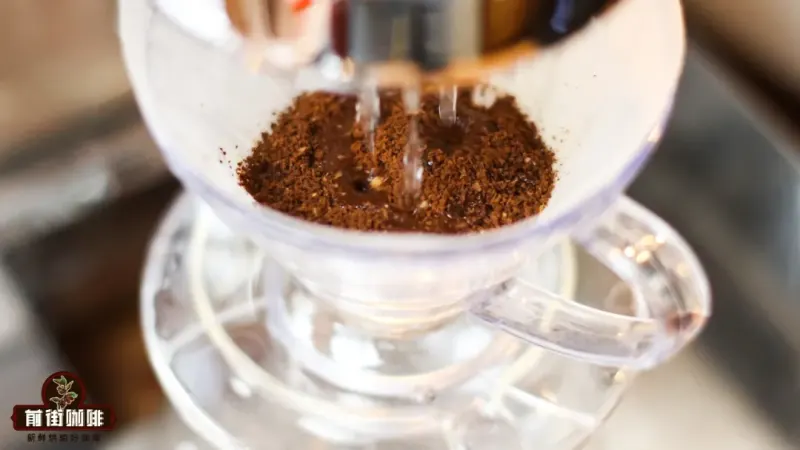
Before starting to brew, you can first use a spoon to dig a relatively large crater in the center of the coffee bed. It does not need to be too deep, but the diameter can be slightly larger. Since the hot water falling from the coffee machine is not completely in the form of a water column, its penetrating and stirring power is relatively limited; digging the crater in advance can help the hot water more evenly saturate all the coffee grounds. Similarly, first release water at twice the coffee dose to wet the coffee grounds, and perform a 30-second bloom and degassing.
After the bloom is complete, open the valve and pour the second stage of hot water, with a total of 120ml in this stage. Note that if the coffee grounds used are of higher density, it is best to adjust the grind coarser and split the hot water into more stages for pouring, to avoid the coffee grounds being unable to rise with the water level and causing too much bypass water. (This is also why Front Street Coffee recommends using a no-bypass dripper)

After the second stage of hot water has penetrated almost completely, open the valve and pour the final stage of hot water, 75ml in total. After that, simply wait for the coffee liquid to fully drain, then remove the dripper and end the extraction.
Total time 2 minutes 20 seconds. The Front Street Ethiopia Huakui brewed this way is not much different from that made by the conventional pour-over method. Because there is less disturbance to the coffee grounds throughout the process and a certain degree of immersion extraction is formed, the mouthfeel on entry is fuller and the flavor is more balanced. You can still clearly perceive citrus, berry, oolong tea, and a faint floral aroma, with a long finish and a quite impressive performance.
That is all for this sharing by Front Street Coffee. Friends who are interested might as well try it at home; it is indeed a rather interesting way to play.
- END -
The above content is compiled by CoffeeHunters, a coffee news website.


