







How Does the Roasting Process Change Coffee Bean Density?
A level spoon of ground coffee generally holds about 5 to 7 grams, so 15 grams works out to roughly two to three spoons, depending on the spoon and the coffee. Dark roasts weigh less per scoop because the roasting process expands the beans and lowers their density, while light roasts pack more weight into the same volume.
Front Street Coffee tested four spoons, including a porcelain soup spoon, a small stainless steel spoon, a cupping spoon, and a free bean scoop, weighing light, medium-light, medium-dark, and dark roasts both whole and ground. Each spoon and roast combination produced different gram readings, so counting scoops only gives an estimate.
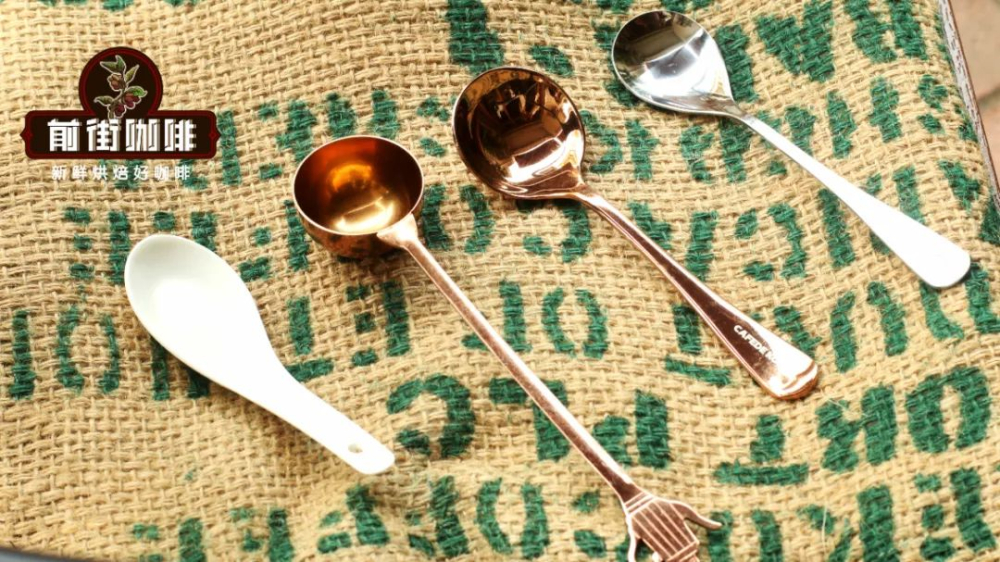
Many friends who are just getting into pour-over coffee often skip tools like digital scales and thermometers to save money, opting instead to estimate coffee doses with spoons they already have at home. But spoons vary in size and depth, and the roast level of coffee beans also affects their density, so there is no universal answer for how many grams a single spoon holds. This time, Front Street Coffee specifically gathered four common spoons—a porcelain soup spoon, a small stainless steel spoon, a cupping spoon, and a complimentary bean scoop—and weighed four types of coffee beans (light roast, medium-light roast, medium-dark roast, and dark roast) both before and after grinding. We compiled the complete data and will teach you how to convert spoon counts based on roast level to get close to 15 grams of coffee, so you can roughly control your dose even without a digital scale.
Out of a spirit of thrift, many friends who are just getting into coffee advocate saving wherever possible. As long as they can brew a decent cup, they firmly refuse to buy non-essential equipment—thermometers and digital scales, in some people’s eyes, are completely optional.
Front Street also noticed that when people don’t have a digital scale but want to know their actual coffee dose, they usually rely on life experience or directly use the most common items around them as substitutes for measurement. The most common stand-in for a digital scale is the indispensable spoon found in every household—Cantonese speakers call it "ci gang."
As a piece of tableware, the spoon plays an important role in daily life. But considering that everyone’s preferences and habits differ, the size, shape, and depth they buy may all vary, leading to differences in the amount scooped. So today, Front Street will be your stand-in hands and pull out four spoons that are relatively handy to use: the essential porcelain soup spoon, a small stainless steel spoon, a round cupping spoon, and a bean scoop that came as a free gift with equipment.
A coffee bean continuously expands during the roasting process, and the degree of expansion determines not only its particle size but also its density and weight. Based on experience, the darker the roast, the more the beans expand, the lower the density, the larger they look, and the greater their volume after grinding. Simply put, dark roast coffee grounds are fluffier than light roast ones. When using the same utensil to measure, the darker the roast, the less each spoon holds.
To provide a usable solution for more people, Front Street used four coffees representing different roast levels as examples (light roast Yirgacheffe Gedingding, medium-light roast Mozart, medium-dark roast Bird of Paradise, and dark roast Golden Mandheling). Then we weighed each with the four spoons both before and after grinding, and recorded the results in a table.
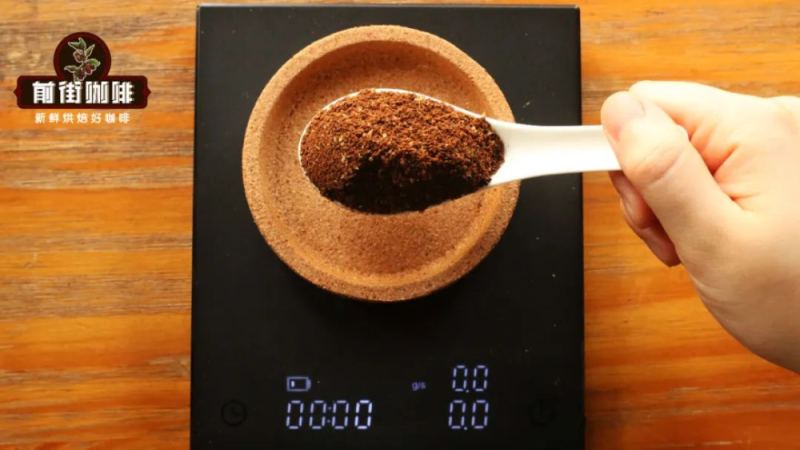
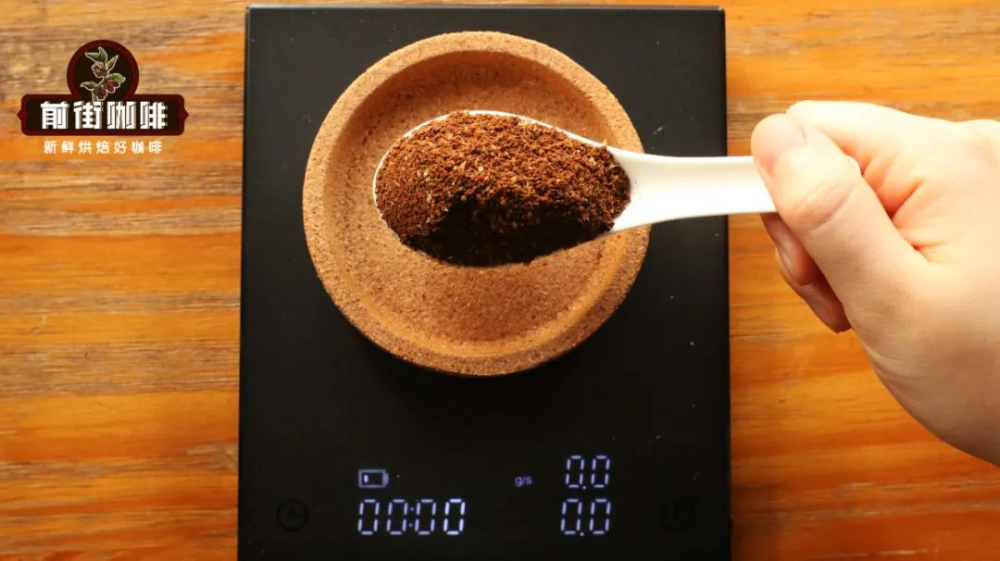
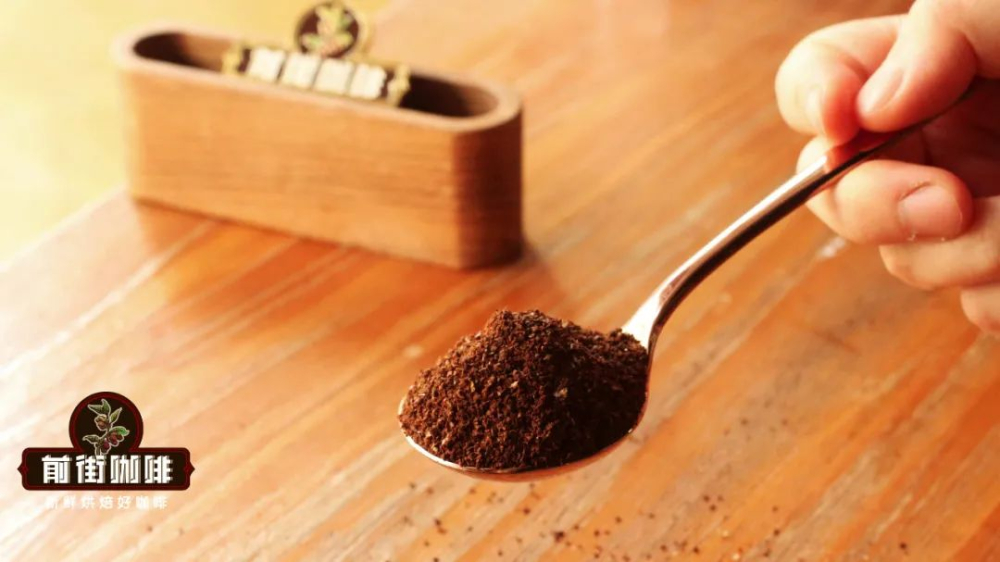
Also, since the main purpose of this exercise is to help everyone figure out a rough coffee dose without a digital scale, we first need to agree on what "full" means—otherwise the results won’t be useful as a reference. To minimize interfering factors, when weighing coffee beans, Front Street fills the spoon as much as possible with whole beans. When measuring coffee grounds, we shake and tap it like a cafeteria lady, making sure the grounds form a slight mound.
Weight of One Spoon of Coffee Beans
Weight of One Spoon of Coffee Grounds
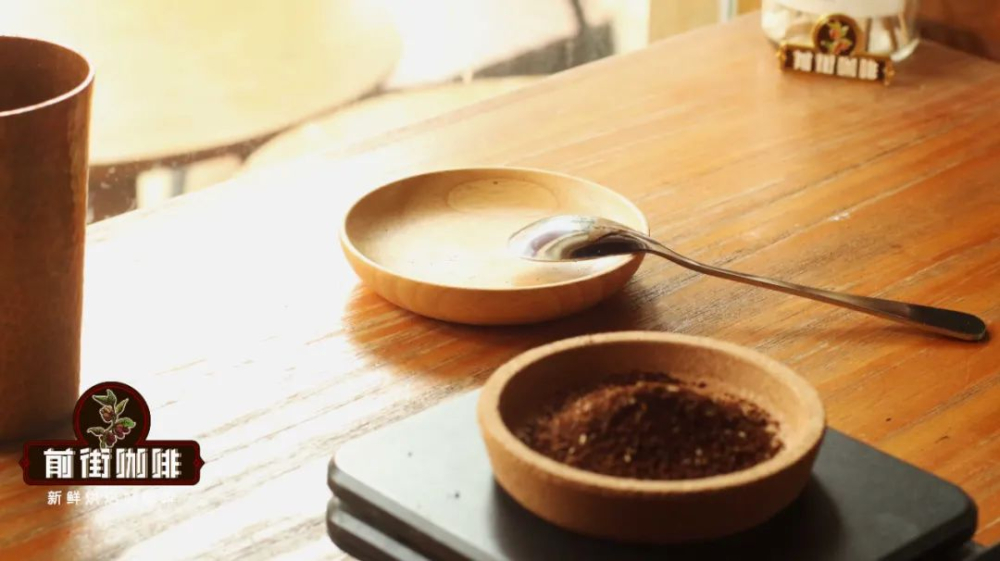
How Many Spoons for 15g of Coffee?
Now that we know the weight of coffee grounds/beans per spoon, as long as we confirm the roast level, we can roughly figure out the desired dose.
For example, if you bought a bag of Huakui 8.0 coffee beans with flavor notes of passion fruit, floral, and berries, that indicates a light to medium roast. If the tool you use at home is a small stainless steel spoon, then when weighing whole beans it holds about 5g each time, so you only need 3 scoops to roughly keep the dose close to 15g. Similarly, if the beans are already ground, each small spoon holds close to 4g, so scooping it full 4 times will get you about 16g of grounds.
- END -
The above content is compiled by CoffeeHunters, a coffee news website.


