







Search Results for: Spanish coffee
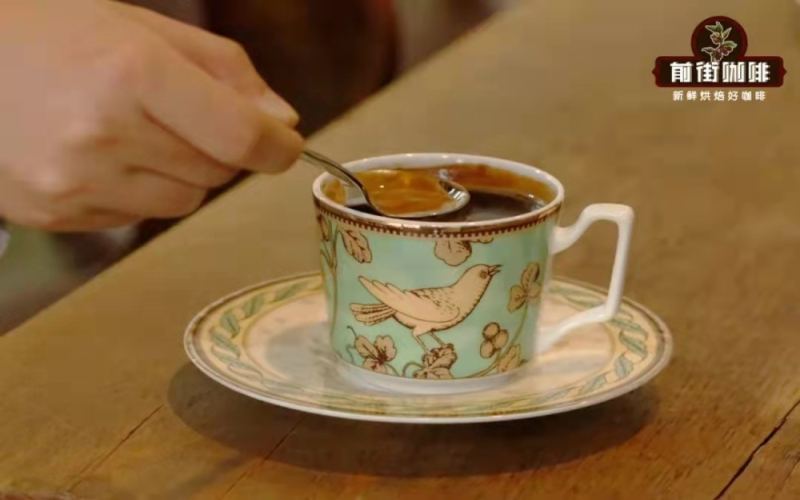
A Complete Guide to Spanish Coffee Culture: Nine Classic Drinks and the Unique Charm of Condensed Milk Coffee
Coffee presents vastly different appearances around the world, and Spain's coffee culture is particularly unique. From Café solo to Café con leche, from Café Bombón to Spanish latte, this Iberian Peninsula nation ingeniously combines coffee with condensed milk, milk, and alcohol, creating a rich and diverse array of drinking styles. Spanish cafés are not only places to drink coffee, but also the core stage of social life. This article will take you deep into the historical origins of Spanish coffee, nine classic flavors, and Front Street's insights on recreating the Spanish latte and Café Bombón, so you can feel coffee's soulful place in Spanish culture. [more…]
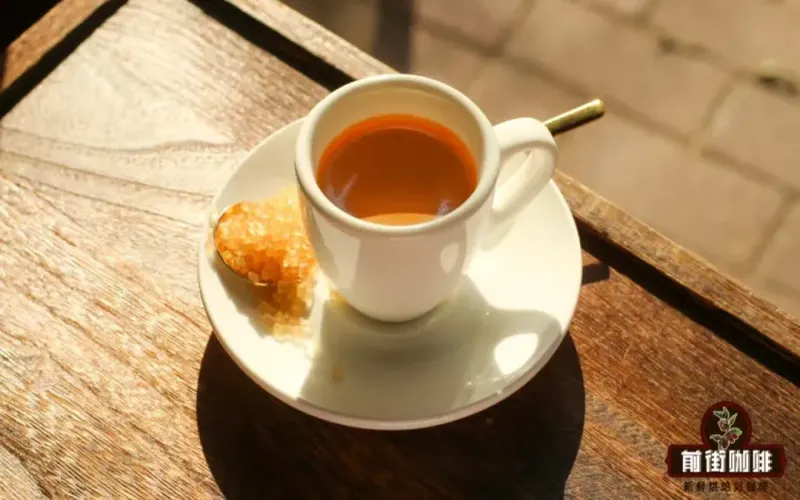
What Is Café Bombón, the Spanish Condensed Milk Espresso? How to Make a Spanish Latte at Home with Recipe Ratios
Many people find coffee's bitterness hard to stomach, so milk, sugar, and condensed milk are often used to balance the flavor—Vietnamese drip coffee is the classic example of condensed milk coffee. But this article is about a regional specialty from Valencia, Spain: Café Bombón. It uses only two ingredients, condensed milk and espresso, and is simple to make, visually appealing with its layers, and tastes sweet, fragrant, and smooth. The Spanish latte offered by chain brands is very likely a derivative of this coffee. Front Street Coffee will break down the meaning of Café Bombón, how it differs from a Spanish latte, and provide specific ingredients, ratios, extraction parameters, and preparation steps, along with recommended Front Street Coffee espresso beans to pair with it, so you can recreate this sweet, rich Spanish-style coffee at home. [more…]

Flavor characteristics and making method of Spanish Latte: How is it different from a regular latte?
Spanish Latte has gained popularity in recent years with the expansion of %Arabica, but it has no direct connection to Spain itself; instead, it is closer to the condensed milk style of Vietnamese drip coffee. This drink consists of espresso, milk, and condensed milk, essentially a latte with condensed milk added. The Middle East particularly favors this sweet coffee, with sales of Spanish Latte in the UAE even accounting for half of the country's coffee consumption. To make it, extremely finely ground coffee powder is needed, extracted through a moka pot or a portable espresso machine. Front Street Coffee recommends using "Front Street Sunflower Warm Sun Blend Coffee Beans," which can bring rich layers of wine aroma, berry, vanilla cream, and nutty caramel. After extraction, add condensed milk and stir, and you can enjoy the sweet and rich Spanish Latte. [more…]
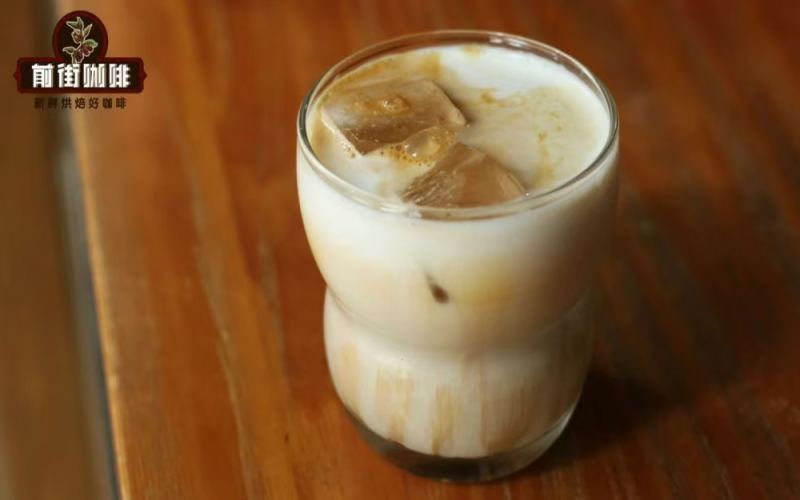
Spanish Latte Recipe | Can You Add Condensed Milk to Black Coffee? What's the Difference Between a Spanish Latte and a Regular Latte? What's the Milk-to-Coffee Ratio in a Spanish Latte?
Today, the menus in coffee shops are rich and diverse, and in order to cater to more people's tastes, adding various dairy products and flavored syrups to coffee is also very common. So have you ever heard of coffee with condensed milk? Adding condensed milk is to mask the strong bitterness in coffee. In Vietnam, the aroma of coffee drifts through the streets and alleys. [more…]
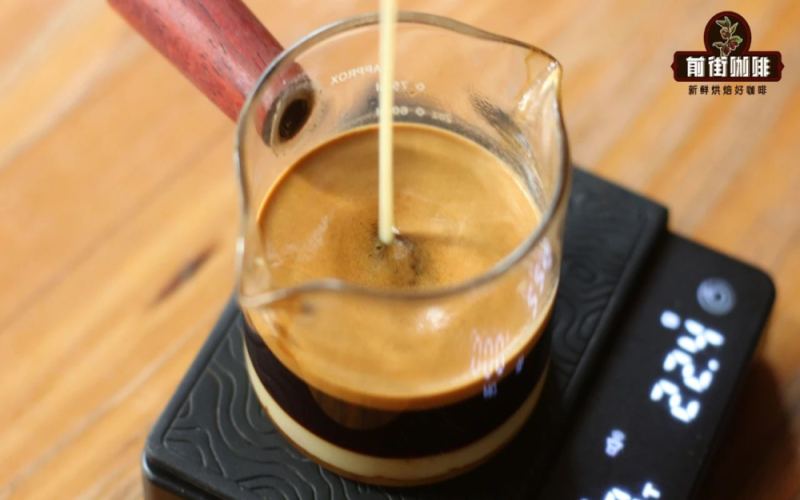
How to Make a Spanish Latte? An Analysis of the Ratio of Condensed Milk to Espresso and the Flavor Differences from a Regular Latte
On café menus, the Spanish latte has been appearing frequently in recent years—so what exactly sets it apart from an ordinary latte? This article starts with two condensed-milk coffees, Vietnamese drip coffee and the Spanish Café Bombón, sorts out the role condensed milk plays in coffee, and then explains in detail the recipe ratios for a Spanish latte, both hot and iced methods, as well as the flavor performance brought by the blend beans used in Front Street Coffee shops. If you're curious about how condensed milk balances coffee's bitterness and what the essential difference is between a Spanish latte and a latte, this article will give you clear answers. [more…]

Spanish Latte Didn't Originate in Spain? The Birthplaces of Ice Drip and Cold Brew, and the Beautiful Misunderstanding Behind the Name Arabica
There are quite a few interesting trivia facts hidden in the world of coffee: the Spanish latte is actually not a native Spanish drink, but originates from a candy coffee called Café Bombón; the inventor of cold brew coffee was not Japanese either, but the Dutch of the Age of Discovery. Although the cold drip tower is a Japanese improvement, the roots of cold brew as an extraction method lie in the West; and the name Arabica stems from a beautiful misunderstanding—it rose to prominence in Yemen, yet it did not originate in Arabia. Its true homeland is Ethiopia. This article guides you through these coffee trivia facts one by one, while retaining relevant recommendations from the Front Street brand for coffee enthusiasts to gain a deeper understanding. [more…]
How to Make a Spanish Latte? A Detailed Guide to Recipes, Ratios, and Standard Methods from Condensed Milk Coffee to Café Bombón
Adding condensed milk to coffee has long ceased to be a practice unique to Southeast Asia. Vietnamese drip coffee uses condensed milk to neutralize the bitter, burnt notes of Robusta, while Spain's Café Bombón strikes a stark black-and-white contrast by combining espresso and condensed milk in a one-to-one ratio. Today's wildly popular Spanish Latte on café menus is simply a regular latte with condensed milk added, balancing espresso, fresh milk, and condensed milk in harmony. This article begins with the origins of condensed milk coffee, sorts out the differences between a Spanish Latte and a regular latte, and provides specific ratios, step-by-step instructions, and flavor profiles for both hot and iced versions, helping you reliably recreate this rich, silky milk coffee at home. [more…]
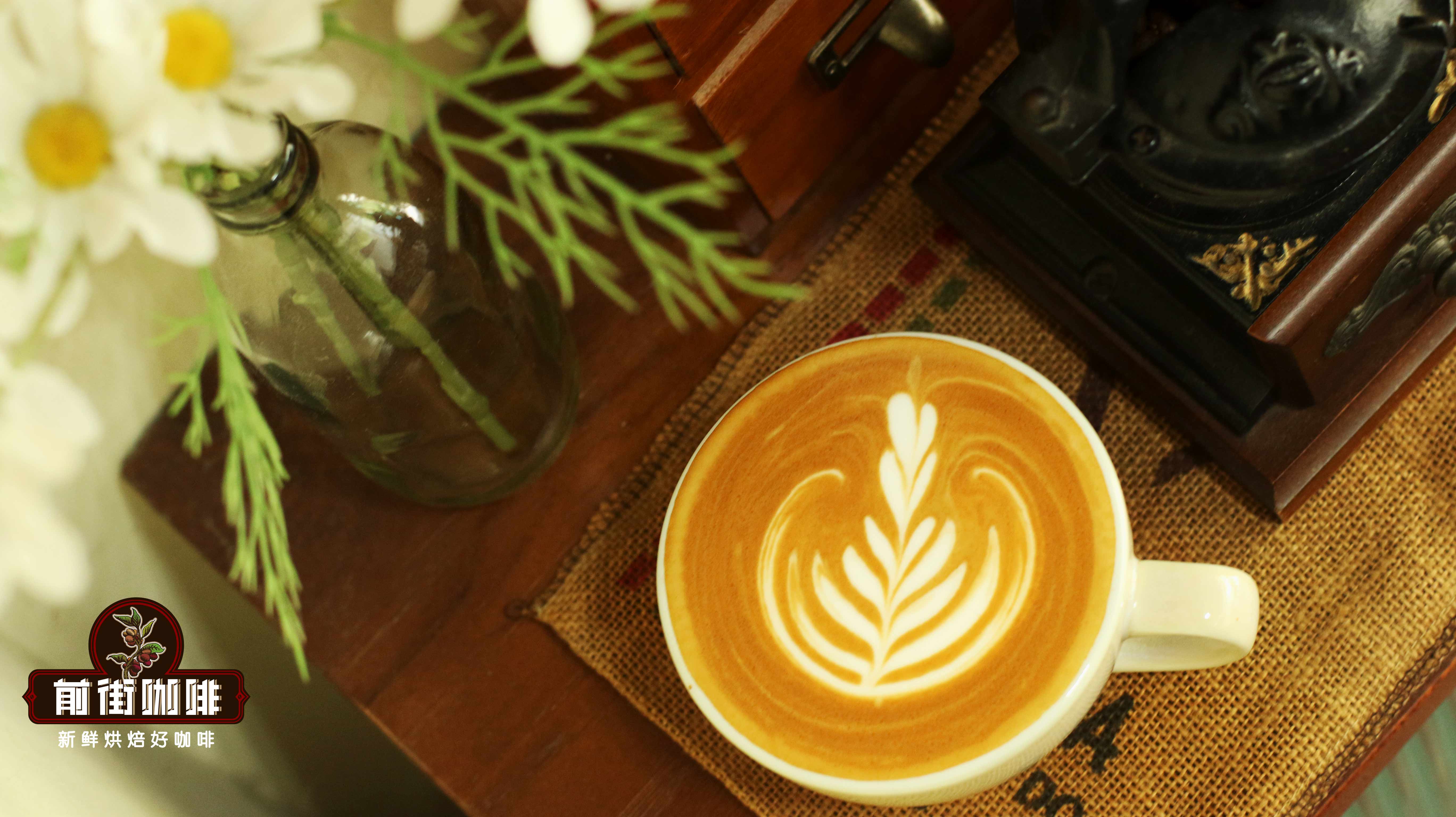
The Origins and Recipes of Spanish Latte and Café Bombón, Plus an Analysis of Valencia Condensed Milk Coffee's Taste
Adding sugar or milk to coffee has long been commonplace, but pairing coffee with condensed milk is equally distinctive. This article begins with the basic concept of condensed milk, first introducing the condensed milk approach to Vietnamese drip coffee, then focusing on Café Bombón from Valencia, Spain, explaining its simple 1:1 recipe of espresso and condensed milk and the layering principle, before extending to the familiar Spanish latte—which actually has no ties to Spain, but is simply a latte combined with condensed milk. The article also explains that making a Spanish latte calls for full-bodied Italian-style beans, and recommends Front Street Coffee's commercial blend, which combines Brazil and Colombia with a small amount of Robusta, presenting nutty aromas and a low-acid, full-bodied taste. [more…]
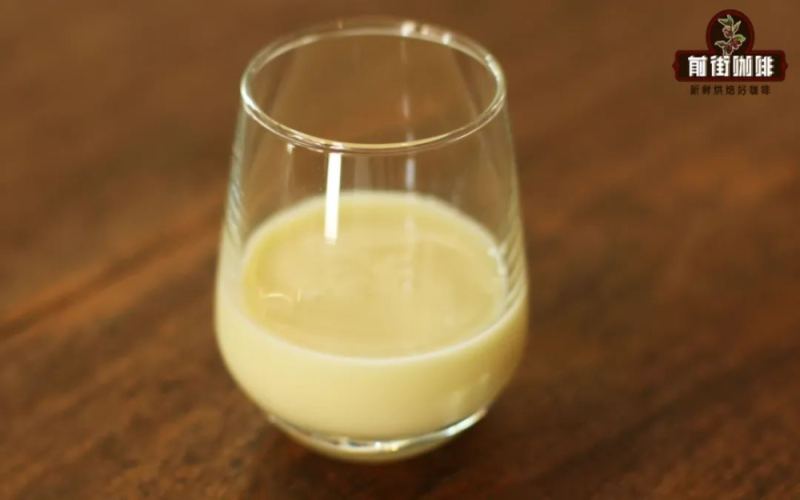
Spanish Latte Recipe Features and Origins: From Condensed Milk Espresso Craft to the Vietnamese Drip Coffee Connection
In recent years, the Spanish latte has set off a craze in China's coffee scene. With condensed milk as its core ingredient, it has a rich and sweet taste and is deeply loved by fans of milk coffee. But did you know that the birth of this cup of coffee is actually inextricably linked to Vietnamese drip coffee? Starting from the production principles of condensed milk, this article will sort out the flavor characteristics and origin of the Spanish latte, as well as its ties to Vietnamese coffee culture, while also introducing how %Arabica brought this drink into the public eye. The article also includes store information for Front Street Coffee, providing a reference for readers who want to taste it in person. [more…]

Step-by-step illustrated tutorial: detailed preparation steps and recipe ratios for iced Spanish latte
The Spanish Latte is a popular drink in the coffee world that combines condensed milk with coffee. The sweet, smooth condensed milk meets rich espresso, creating a layered and complex taste experience. Today, Front Street Coffee will guide you step by step through making an iced version of the Spanish Latte. The whole process is not complicated—you just need to prepare a 300ml cup, condensed milk, milk, ice cubes, and a shot of espresso. From layering condensed milk at the bottom of the cup, adding ice and pouring in milk, to pulling the espresso and stirring everything together, the ratio of ingredients for each step and the detailed tips from Front Street Coffee will be explained one by one, helping you easily recreate a café-quality icy, dessert-like coffee at home. [more…]
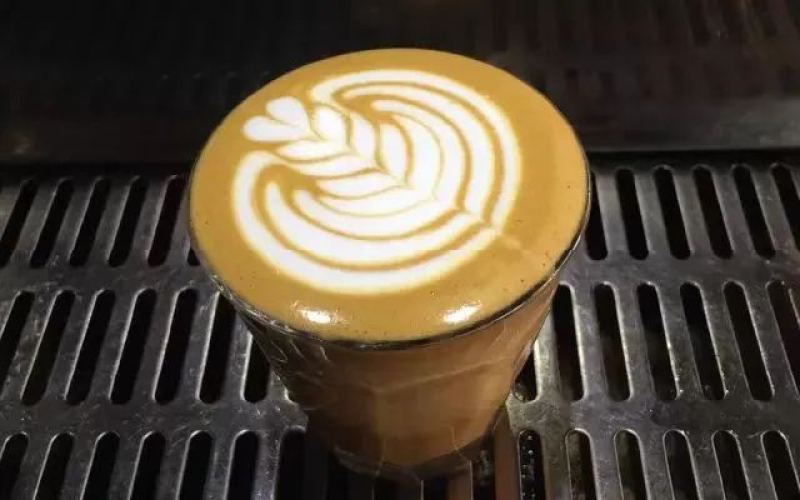
Spanish Cortado Coffee: A Balanced 1:1 Espresso and Hot Milk Drink and Its Flavor Characteristics
In the espresso family, Espresso can be transformed into countless drinks, and today Front Street wants to talk about the Cortado, which is one of them. It comes from the Basque region of Spain, and is made by using an equal amount of hot milk to "cut" the strong bitterness of the espresso, while still letting the coffee aroma take center stage. Compared with the piccolo latte, which is also a small cup, the Cortado has a stronger coffee flavor, with milk only playing a supporting role. This article will take you through the origin of the Cortado's name, its classic 1:1 ratio, the interesting story of how its milk foam evolved, and how it differs from the piccolo in terms of recipe and taste. If you also like adding a little milk to your espresso, then you may have already had a Cortado. [more…]
A Historical Examination of the Origins and Flavor Characteristics of Colombian Coffee: From Missionary Records to "Green Gold"
Colombia's coffee cultivation history can be traced back to the Spanish colonial period in the sixteenth century, with multiple accounts of its introduction, including via water routes through Haiti and El Salvador, and in 1808 by a priest who brought it from the French Antilles via Venezuela. The earliest written record appears in the observations of the missionary Jose Gumilla in 1730 along the banks of the Meta River. Today, Colombia is the second-largest coffee producer after Brazil, as well as the world's largest exporter of Arabica coffee beans and the largest exporter of washed coffee beans. Its coffee is renowned for its silky, balanced flavor and is hailed as "green gold." This article reviews its historical origins and flavor characteristics, and retains the relevant recommendations for the Front Street brand. [more…]
What's the Difference Between a Cortado and a Piccolo? One Article Explains the Origins, Recipe, and Evolution of This Little-Known Spanish Espresso Milk Drink
Among the wide variety of espresso-based milk coffees, the Cortado is a rather obscure presence—it is made simply by mixing espresso with hot milk in proportion, simple to prepare yet outstanding in flavor. Originating from the Basque region of Spain, this drink, with its 1:1 ratio of coffee to milk, reduces the heaviness of the espresso while preserving its rich coffee aroma, and is popular in Spain, Portugal, Cuba, and elsewhere. As it spread, it was continually adapted in different countries, also giving rise to classic variations such as the Gibraltar. This article walks you through the origins of the Cortado, its traditional preparation, its evolution across regions, and how it differs from the similar-looking, equally small-cup Piccolo coffee. [more…]
The Origins of Coffee Cultivation in Colombia and Variety Flavors: From Colonial Legends by Lake Titicaca to Specialty Cupping
Colombia is the world's second-largest coffee producer and the largest exporter of Arabica and washed coffee beans. Its coffee-growing history can be traced back to the 16th-century Spanish colonial period, with various accounts circulating of its arrival by sea, introduction by priests, and documentation by missionaries. This article traces the spread of coffee in Colombia, its botanical characteristics, and variety classification, analyzes the reasons behind its silky, balanced flavor, and includes Front Street Coffee's recommendations and tasting references, making it suitable for coffee enthusiasts who want to understand the complete picture of this "green gold." [more…]
A Panoramic Overview of Costa Rican Coffee: Terroir, Variety Classification, and Flavor Profiles
Although Costa Rica is not a large country, it occupies a pivotal position in the specialty coffee landscape. This article systematically organizes everything from the national background, coffee history, growing conditions, variety selection, processing methods, and grading system to the eight major producing regions, giving you a comprehensive understanding of this Central American coffee powerhouse. The article also introduces the SHB, GHB, and MHB grading standards based on altitude and bean density, analyzes the unique advantages of the two star producing regions Tarrazú and Tres Ríos, and includes related product information recommended by Front Street Coffee, making it suitable for enthusiasts who want to gain a deeper understanding of Costa Rican coffee. [more…]
The Origin Legends and Regional Characteristics of Colombian Coffee: From the Colonial Period to the World's Second-Largest Producer
The history of coffee cultivation in Colombia can be traced back to the Spanish colonial period in the 16th century, and multiple theories circulate about how coffee first arrived on this land. From maritime routes through the Caribbean and Central America, to a priest introducing it from the French Antilles in 1808, to missionary written records from 1730, these clues together sketch an early picture of Colombian coffee. Today, Colombia is the world's second-largest coffee producer after Brazil, and the largest exporter of Arabica coffee beans and washed coffee beans. Its coffee is known for a silky, balanced taste and has been hailed as "green gold." Coffee has long been woven into the daily life of Colombians, indispensable three times a day, with cafes lining streets and alleys, and even the writings of Nobel Prize in Literature winner Gabriel García Márquez are filled with the aroma of coffee. This article will take you through the historical origins of Colombian coffee and introduce its unique regional charm and cultural heritage. [more…]
Guatemala Antigua Coffee Flavor Analysis: Smoky Acidity Nurtured by Volcanic Soil and Mayan Coffee Culture
Guatemala Antigua coffee, with its balanced and refreshing fruit acidity, rich spice aroma, and uniquely distinctive smoky flavor, is regarded as one of the finest and most distinctive coffees in the world. This flavor comes from the fertile volcanic soil and a desolate history—Antigua was once the capital during the Spanish colonial period, but lost its prosperity in an instant due to a volcanic eruption. After returning to simplicity, it was the hardworking Indigenous people who managed the coffee cultivation. They not only discovered the rich, alluring, and unique aroma of Antigua coffee, but also brought it to the world. This article will analyze the flavor characteristics of Antigua coffee beans from three dimensions: terroir, history, and Maya culture, and introduce the SOE espresso taste performance of Front Street Coffee. [more…]
A Comprehensive Analysis of Jamaican Blue Mountain Coffee: From Altitude Cultivation to Grinding and Brewing, with Prices and Flavor Characteristics
Jamaican Blue Mountain coffee has long been renowned as the "King of Coffee." Its delicate, smooth mouthfeel and distinctive flavor characteristics have captivated countless coffee enthusiasts. This article will take you on an in-depth exploration of Blue Mountain coffee's growing altitude, cultivation and processing methods, analyze its flavor profile and grinding recommendations, and introduce product information for Front Street Blue Mountain coffee. At the same time, we will also compare it with the equally famous Cuban Crystal Mountain coffee, to see why it is called "the Blue Mountain of Cuba." Whether you are a beginner just getting started or a seasoned connoisseur in pursuit of the ultimate flavor, this article will provide you with practical references and a tasting guide. [more…]
The Historical Origins of Colombian Coffee and the Specialty Flavors of the Huila Region: From Front Street Coffee's Everyday Beans to Chiroso Cold Brew
Although Colombia is not a large country, it is a major coffee-producing powerhouse, second only to Brazil in global Arabica coffee production. From the early eighteenth century when Spanish missionaries brought coffee to this land, to the formation of a smallholder industry structure after the Thousand Days' War, and then to the establishment of FNC in 1927, Colombian coffee has traveled a tumultuous road. This article will take you through the historical threads of Colombian coffee and provide an in-depth interpretation of the most renowned Huila region—where volcanic ash soil gives the coffee refined fruit acidity, nutty flavors, and a caramel finish. Front Street Coffee selects high-altitude washed Huila as an everyday beans, with a medium-dark roast suitable for various extraction methods; in addition, there are Finca La Divisa's Ombligon and Sidra, the latter of which helped a competitor win the 2019 WBC championship. At the end of the article, the preparation steps for Sidra cold brew iced coffee are included for enthusiasts' reference. [more…]

Puerto Rican Coffee: A Complete Analysis of the Planting History and Varieties of the U.S. Autonomous Territory's Caribbean Island Nation
Among the many coffee-growing islands in the Caribbean, Puerto Rico is a special case—it is not an independent country but a self-governing territory of the United States. This island, located in the eastern Greater Antilles, has a central mountain range running through it, volcanic terrain, and a tropical rainforest climate. Coffee cultivation was introduced by Spanish colonists as early as the 18th century. By the late 19th century, production reached 30 million pounds, ranking it among the world's top seven coffee-producing countries. Since then, due to the U.S. takeover, rising costs, typhoon damage, and competition from Brazil, the industry has gone through repeated ups and downs, and in 2017 two hurricanes destroyed nearly 90% of the plants. Today, Puerto Rican coffee is gradually recovering, with particularly outstanding quality in the Yauco area. About 4,000 coffee farmers on the island produce 3 million pounds of green beans annually, with varieties including Arabica, Robusta, and Liberica, and processing methods expanding from traditional washed and natural to experimental techniques. This article will guide you through this turbulent history and the current state of its varieties. [more…]