







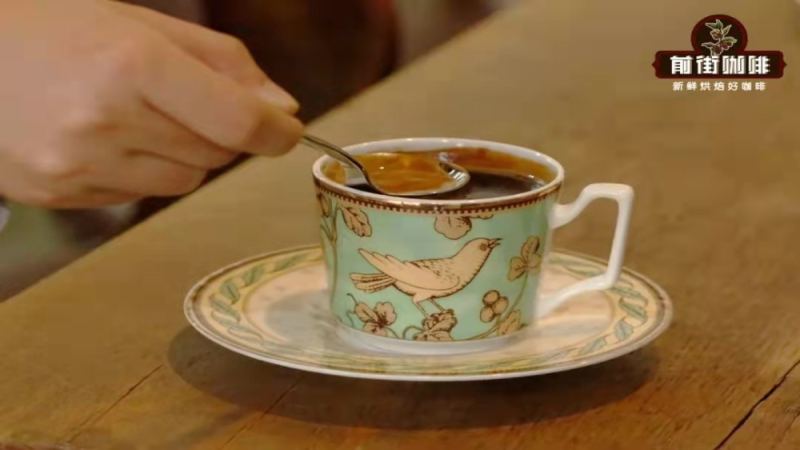
Which Spanish Coffee Types Pair Coffee with Condensed Milk?
Spain's coffee culture runs from Café solo to Café con leche, and from Café Bombón to the Spanish Latte. The condensed milk tradition shows up in Café Bombón, made with a 1:1 ratio of espresso to condensed milk in a 90 to 120 ml glass, poured so the denser milk stays below and creates a layered black-and-white look.
Because condensed milk is denser than espresso, the two do not mix immediately without stirring, and the drink tastes thicker than straight espresso with far less bitterness. Cafés in Spain also serve as core social venues rather than quick stops, which helps explain why the same bean is drunk in so many formats. Southeast Asia shares the habit, as in Vietnam's ca phe sua da.
Coffee presents vastly different appearances around the world, and Spain's coffee culture is particularly unique. From Café solo to Café con leche, from Café Bombón to Spanish Latte, this Iberian Peninsula nation cleverly combines coffee with condensed milk, milk, and alcohol, creating a colorful variety of drinking styles. Cafés in Spain are not only places to drink coffee, but also the core stage of social life. This article will take you deep into the historical origins of Spanish coffee, nine classic flavors, and Front Street's experience in recreating the Spanish Latte and Café Bombón, so you can feel coffee's soul-level place in Spanish culture.
Coffee is widely grown and consumed around the world, but drinking habits in different regions each have their own strengths, forming distinct regional characteristics. Take Vietnam as an example: the local area mainly grows Robusta varieties, and because their flavor is rather bitter and earthy, they are usually deep-roasted until the surface is shiny and black. The extracted coffee liquid has a thick body and often shows hazelnut, grain, and caramel notes, with a very prominent bitterness. In the streets and alleys of Vietnam, the aroma of coffee fills the air. Locals prefer to use condensed milk with a strong lactose sweetness to balance the intense bitterness of the coffee. This drink is called "ca phe sua da," which is what we commonly call Vietnamese drip coffee.
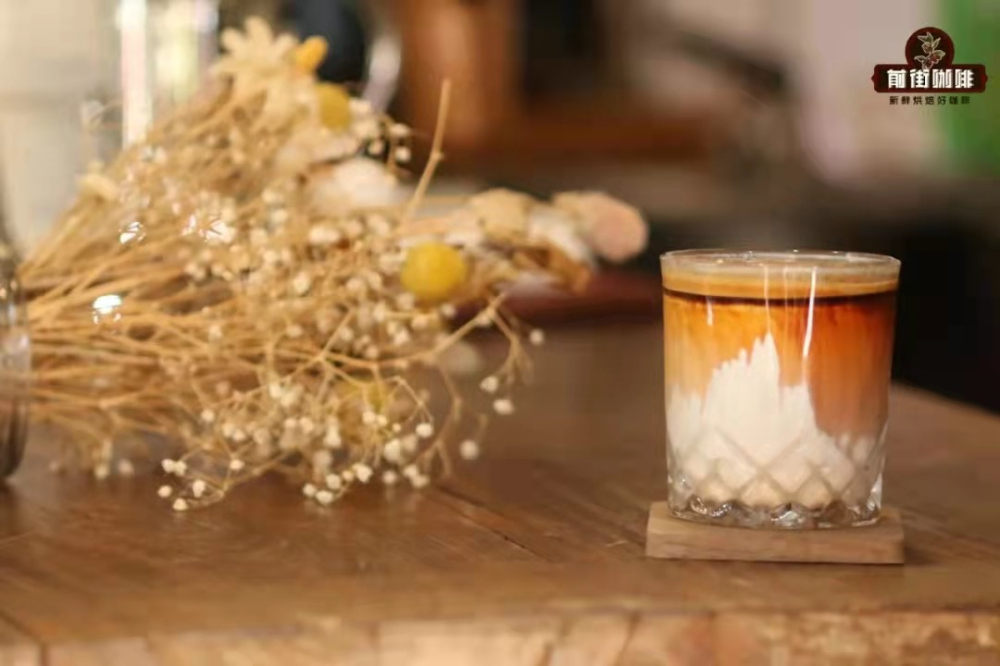
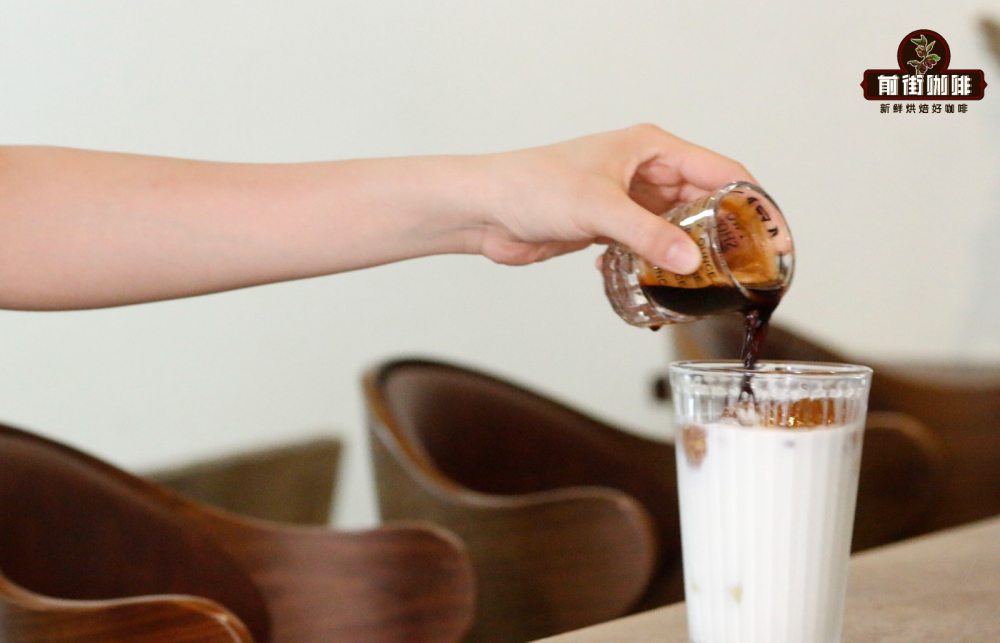
In fact, it is not only Vietnam in Southeast Asia; Spain in Europe also has a tradition of drinking "coffee with condensed milk," which locals call "Café Bombón." The method is espresso paired with condensed milk, served in a small cup. Front Street has also recreated this drink: choose a 90 to 120 ml glass, mainly for better visual effect. Follow a 1:1 ratio of espresso to condensed milk; for example, Front Street uses 40 grams of espresso liquid, so add 40 grams of condensed milk accordingly. Then pour the espresso on top of the condensed milk. Because condensed milk has a higher density, without stirring, the espresso will not immediately mix with the condensed milk, creating a beautiful "black-and-white layered" effect. It tastes somewhat like "turtle jelly with condensed milk," with a mouthfeel much thicker than drinking espresso straight, and the bitterness is greatly reduced.
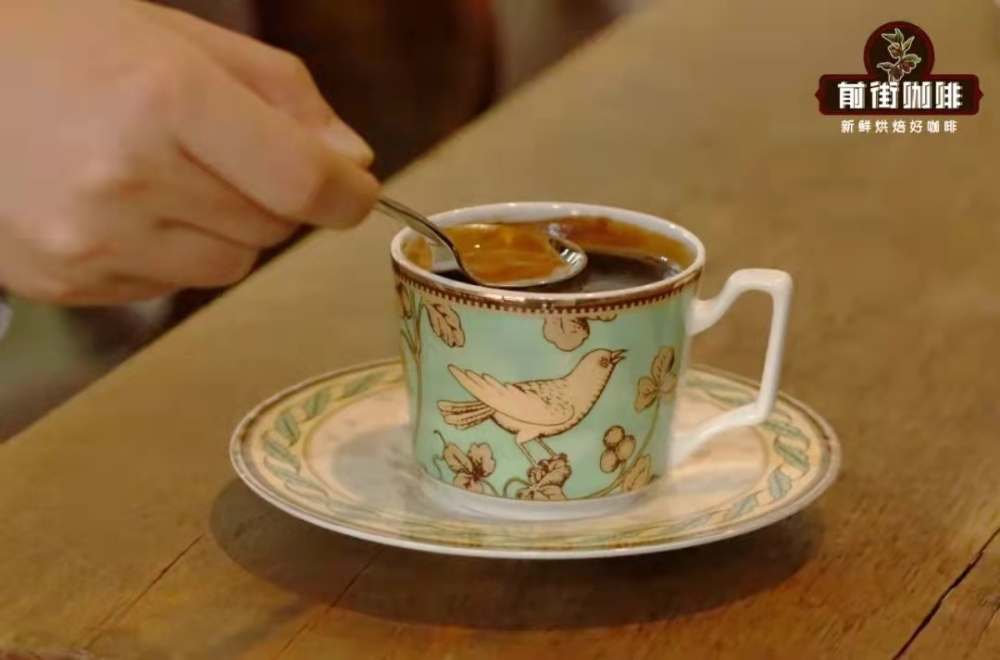
The "add condensed milk" way of drinking is of course not limited to the above two. In recent years, the "Spanish Latte"—that is, the combination of coffee, milk, and condensed milk—has also become a popular choice on café menus. For example, chain brands such as Arabica have launched this popular drink.
Such a rich array of coffee styles precisely confirms the inclusiveness and diversity of Spanish culture. For Spaniards, no matter what ingredients are used or in what proportions the coffee is blended, it has its own unique charm. Sip a Spanish coffee with a distinctive flavor, add rum from a century-old distillery, then garnish with cinnamon and sugar, and finally decorate with cream and a cherry.
The world's three great surrealist painters Picasso, Miró, and Dalí; Gaudí's architecture, listed as a World Heritage Site before it was even completed; flamenco dance, bullfighting, Don Quixote... all of these come from Spain, a country brilliant in arts and literature. Its culture blends Western Christianity with Eastern Islamic influences, standing uniquely apart in Europe, and its coffee culture is equally colorful. The Spanish philosopher and writer Unamuno once said: "The true university of Spain is in the cafés and the city squares." They have integrated culture into daily life.
The History of Spanish Coffee
When people mention Spanish coffee, they often think of a steaming hot drink with rum or other spirits added, then topped with whipped cream, but Spain's contribution to the coffee industry goes far beyond that cup in a ski lodge bar.
Spanish ships once carried coffee plants and seeds to many remote parts of the world that were not the original home of coffee, and these places subsequently rose rapidly to become coffee-growing centers. Descendants of Spanish conquerors settled in Central and South America, where they opened enormous plantations specifically for growing Spanish coffee.
Coffee was first introduced to Spain with Turkish immigrants. In fact, Spain does not grow much coffee domestically, but they developed a roasting method that can produce very dark, almost black, oily coffee beans. The coffee made from them is very intense, namely the so-called Spanish roast or dark French roast.
Spanish coffee growers in Latin America contributed nearly half of exported coffee; however, most of the coffee supplied domestically in Spain came from Angola and Mozambique, and was roasted very dark to fully release the flavor.
Spanish cafés come in different forms and styles, but their common feature is being extremely lively, always full of locals and tourists. In Spain, you will be surprised to find that people seem to have plenty of leisure time to spend in cafés. In fact, Spanish cafés and bars share the same name. If you see a place with a "Bar" sign, you can safely walk in and enjoy a cup of rich coffee.
Every second in a Spanish café is full of boundless energy: waiters are loud, almost shouting; cash registers clatter; locals and tourists talk and laugh loudly, mixed with Spaniards' characteristic exaggerated body language. But no matter how enjoyable the conversation is, people never forget to occasionally pick up their cups and take a sip of coffee.
When you first arrive in Spain, you might ask a waiter for a takeaway coffee, which is not difficult elsewhere, but in Spain, the waiter will give you a charming smile and then persuade you to stay in the café and finish it before leaving. In fact, drinking a cup of coffee in the shop takes no more than 5 minutes, but what you experience is centuries of cultural accumulation.
The quality of coffee in Spain is excellent, thanks to the quality of the coffee beans and the unique roasting and blending methods.
Café solo is a small and strong black coffee, usually served in a small glass.
In Spain, the traditional café carajillo is Café solo with a small amount of brandy added. Rum or whiskey can also be used. If made authentically, the brandy is first lit to burn off the alcohol, then coffee (solo) is added.
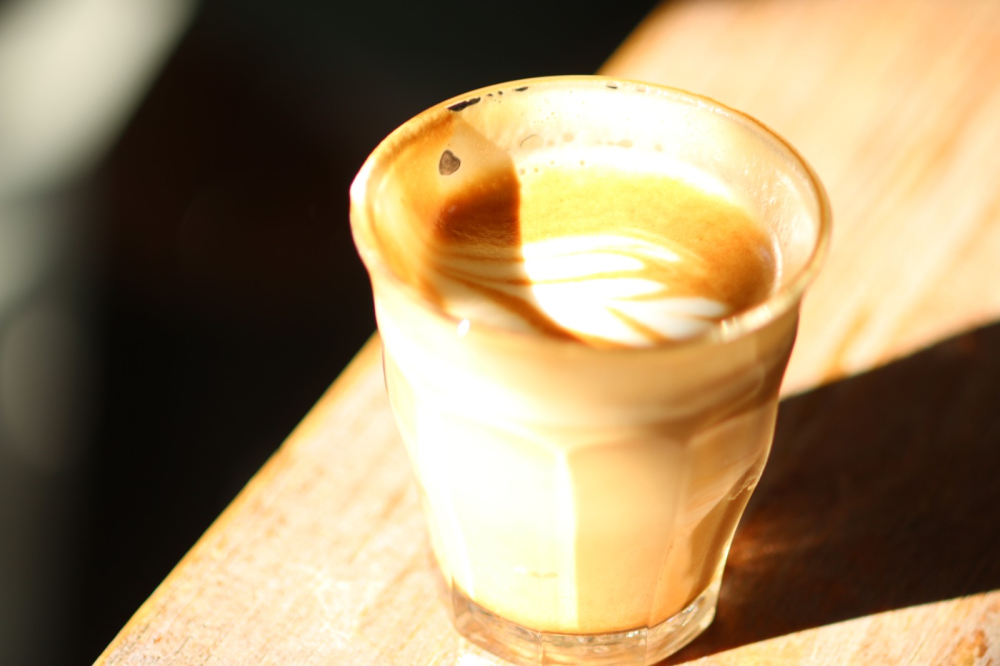
Drinking coffee is a way of life for Spaniards. They shout "Hola!" as they enter a café, not to greet an acquaintance, but to greet everyone present. The people in the café are like a miniature community, and the stacked coffee cups and plates full of Spanish tapas are also part of this community. Here people enjoy themselves. Even if they only have 10 minutes in the morning to sit in a café, they will steal a moment to chat, laugh, talk grandly, or browse the newspaper. For Spaniards, drinking coffee represents a simple yet beautiful sentiment, a preference integrated into the soul.
The following are several different flavors of coffee in Spain:
Café con leche
Drinking coffee is a way of life in Spain. Spaniards usually drink coffee in the morning, and their breakfast starts their day. This first cup of coffee is usually accompanied by hot milk, and this coffee is called café con leche. As Spain's most popular and most common coffee, it has quite a lot of milk added that has been heated by steam pressure and a coffee machine, and is generally served in a large coffee cup or glass.
Then at around 11 a.m., many Spaniards stop for a short break called Almuerzo. They often order a coffee called Café solo, paired with some small snacks, such as bocadillo—more familiar to us as a cheese or ham sandwich made with rectangular bread.
Café cortado
Coffee with only a small amount of milk added, generally served in a small coffee cup. Its difference from Café con leche lies in having less milk. Usually, people drink this coffee after lunch.
Café Bombón
"Coffee + condensed milk" is not unique to Vietnam; far away on the Iberian Peninsula, Spain also has this way of drinking it. In Valencia, Spain's third-largest city, you can order a coffee called "Café Bombón." This is actually a small cup of coffee made of espresso and condensed milk.
Café solo
Plain coffee, that is, black coffee, is generally served in a very small cup.
Café descafeinado
Decaffeinated coffee usually comes in two types: De sobre, mostly prepared by adding a small packet of instant coffee to hot milk; De maquina, coffee made by brewing decaffeinated coffee grounds with an espresso machine.
Café americano
This kind of coffee is generally made by pouring boiling water into coffee brewed with an espresso machine. In some cafés, a separate glass of water is also brought for customers to dilute it according to their preference.
Café con hielo
Iced coffee. Generally, after ordering, the customer receives a glass with ice cubes and freshly brewed plain coffee. Sugar is added to the hot plain coffee, then it is poured into the glass.
Capuchino
A type of coffee originating from Italy, made by pouring steam-frothed milk over a rather strong coffee. In Spain, it is made with whipped cream and cinnamon added.
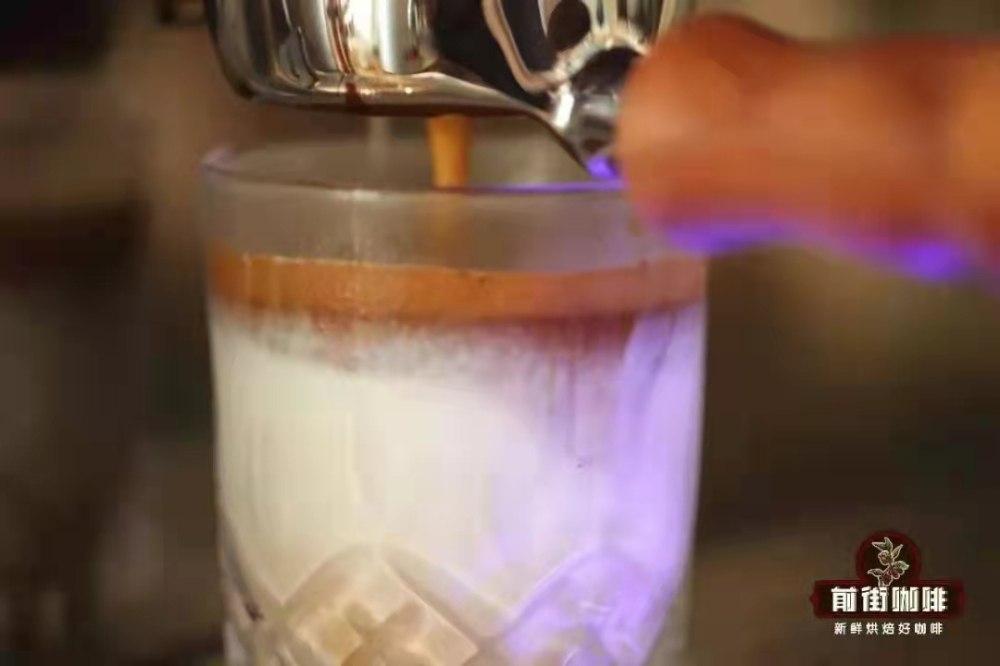
For friends who do not particularly like bitter coffee, the Spanish Latte is a good choice. Adding condensed milk can mask more of the coffee's bitterness while highlighting the sweetness of lactose and sucrose. Compared with adding flavored syrup, adding condensed milk feels more natural and comfortable.
Coffee is also consumed at lunchtime (Comida) and after dinner (Cena). As you know, Spaniards love their coffee, and the best way to experience this coffee is in those worn, rustic, and very traditional Spanish bars.
Is there a difference between a Spanish Latte and a Latte?
The Spanish Latte is made up of espresso, fresh milk, and condensed milk. In other words, it is an ordinary latte with condensed milk added. The addition of condensed milk allows even friends who cannot accept bitterness to taste the rich coffee aroma.
Now that you know the difference between a Spanish Latte and an ordinary latte, making it is very simple. Front Street first extracts 40 ml of Espresso coffee liquid, adds 10 grams of condensed milk to the base, and stirs thoroughly; then heats 200 ml of fresh milk to a suitable temperature of 55–65°C, and finally mixes it into the coffee liquid, and the Spanish Latte is complete. If you want to make an iced Spanish Latte, Front Street first adds 75 grams of solid ice cubes to the cup, pours in 200 ml of iced milk, then adds 10 grams of condensed milk to the extracted Espresso and pours it over the surface. Before drinking, stir evenly with a straw.
Because the espresso drinks produced at Front Street stores use our own roasted "Sunflower Warm Sun Blend," made from Ethiopian natural Red Cherry coffee beans (30%) + Honduras Sherry barrel coffee beans (70%). The extracted Espresso shows flavors of vanilla, cream, whiskey, and berries. Paired with milk, it is like the mouthfeel of vanilla chocolate milk, and adding condensed milk highlights the sweetness of lactose and sucrose.
Front Street brewing suggestions:
No matter what kind of coffee you are brewing, to brew a delicious cup of coffee, you still need to pay attention to the freshness of the coffee beans. Front Street has always believed that the freshness of coffee beans has a great relationship with coffee flavor, so the coffee beans shipped by FrontStreet Coffee are all within 5 days of the roasting date. Front Street's roasting purpose is "freshly roasted good coffee," so that every customer who places an order receives the freshest coffee. The resting period for coffee is about 4–7 days, so when the customer receives it, it is exactly at its best flavor.
For friends who need ground coffee, Front Street kindly reminds you: if the coffee beans have been ground in advance, there is no need to rest them, because during transportation, the pressure generated by carbon dioxide inside the package can also make the coffee flavor rounder, so once you receive the coffee grounds, you can immediately brew a cup and start drinking. However, coffee grounds need to be brewed promptly, because after coffee grounds contact air, they oxidize relatively quickly. In other words, the coffee flavor will dissipate relatively quickly, and the coffee flavor will not be as good. Therefore, Front Street recommends buying whole beans and grinding and brewing fresh each time, so you can better taste the coffee's flavor.
For professional coffee knowledge exchange and more coffee bean information, please follow Coffee Workshop (WeChat public account cafe_style)
For more specialty coffee beans, please add the private WeChat of FrontStreet Coffee: qjcoffeex
The above content is compiled by CoffeeHunters, a coffee news website.


