







Search Results for: Smoky Plum Acidity
Front Street Kenya Coffee Beans Flavor Analysis and Full Guide to Pour-Over Brewing Parameters
Kenyan coffee is famous for its distinctive preserved plum-like acidity, citrus notes, and wine-like complexity, and Front Street Coffee's Kenyan specialty beans are an outstanding representation of this style. This article systematically reviews the growing region and climate, variety origins, and grading system of Kenyan coffee, with a focus on how SL28 and SL34 shape its signature flavor, and also includes complete brewing recommendations for Front Street Coffee's Kenyan beans, covering pour-over, siphon, French press, and AeroPress methods, to help coffee lovers fully unlock this bean's complex acidity and sweet finish. [more…]
A Detailed Guide to Starbucks Coffee Bean Types and Flavor Tiers: Comparing the Characteristics of Kenya, Ethiopia, and Guatemala Origins
Starbucks stores offer 13 coffee beans, covering single origins such as Kenya, Guatemala, and Ethiopia, as well as blends like Espresso and Breakfast, all generally on the darker-roast side; Front Street Coffee, by contrast, focuses on medium-light roasts. This article will center on Starbucks' bean lineup and flavor descriptions, with particular emphasis on breaking down the source of Kenyan coffee's acidity and the K72 washed processing method, and will compare the flavor spectrum differences between Ethiopian Yirgacheffe and Guatemalan Huehuetenango, helping coffee lovers determine which type of acidic aroma profile suits them better, while also retaining Front Street Coffee's bean selection and listing standards. [more…]
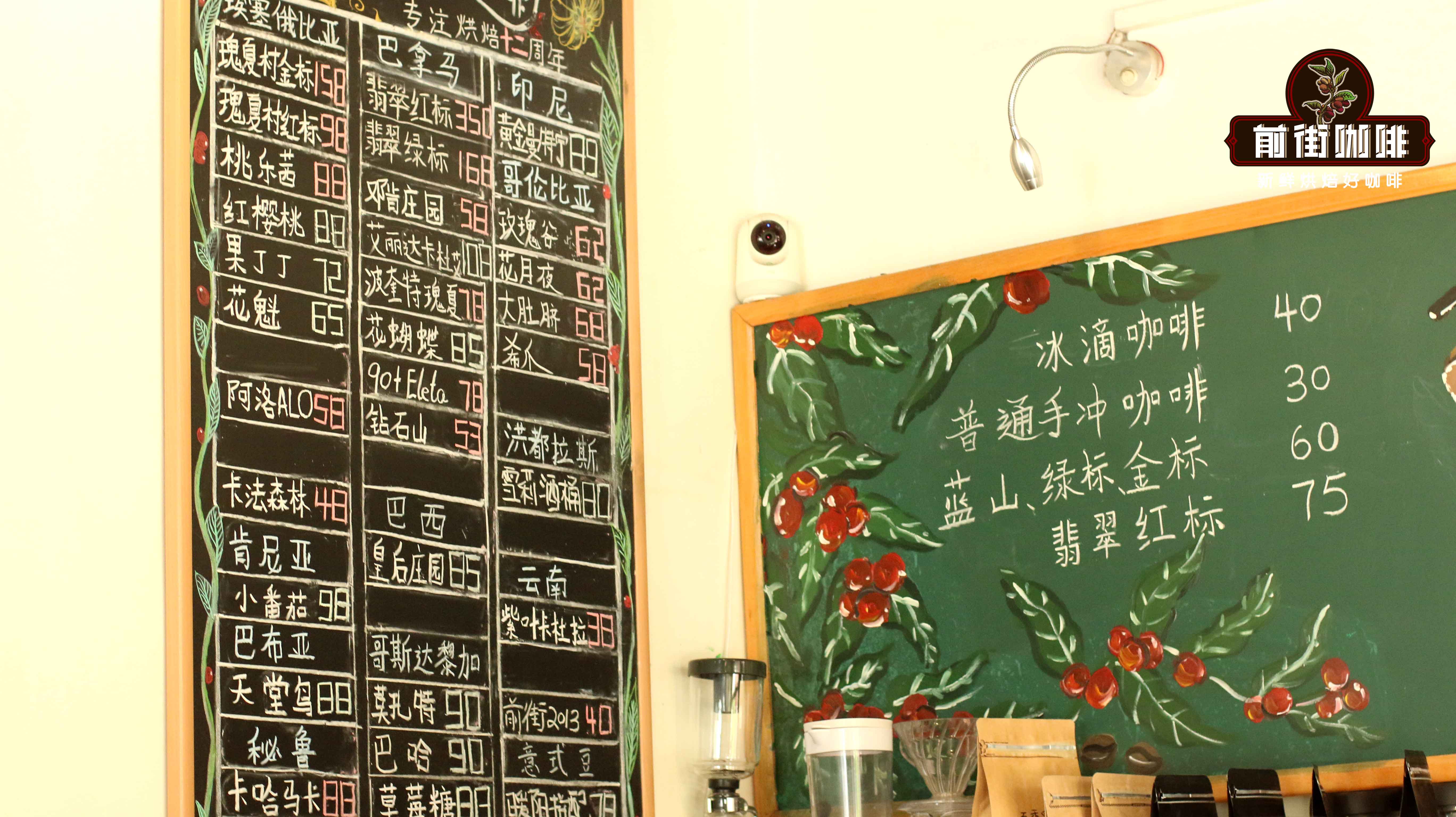
Front Street Coffee Single-Origin Beans Wholesale Buying Guide: A Complete Overview of Green and Roasted Bean Quotes and a Flavor Analysis of Global Producing Regions
To open a coffee shop or replenish your home supply of everyday beans, finding a stable and reliable wholesale channel is key. Guangzhou's long-established Front Street Coffee (FrontStreet Coffee) keeps over 50 single-origin beans in stock offline, spanning many well-known producing regions and estates across Africa, the Americas, and Asia, so you can find a suitable choice whether for pour-over, espresso, French press, moka pot, or cold brew. This article compiles Front Street Coffee's latest single-origin coffee bean list and green/roasted bean wholesale price report, covering popular beans such as Yirgacheffe, Sidamo, Mandheling, Blue Mountain, and Hacienda La Esmeralda, with grades, processing methods, roast levels, and flavor descriptions attached, making it convenient for roasters and cafes to purchase as needed. For commercial use in opening a shop, Front Street Classic Blend is recommended, a combination of three producing regions—Brazil, Indonesia, and Vietnam—with a medium-dark roast bringing a mellow mouthfeel and rich oils, equally suitable as everyday beans for home use. [more…]

Why Does Coffee Taste Sour? A Complete Analysis from Roast Development to Acidity Quality
Many people feel confused when they taste acidity in coffee, but coffee beans themselves are rich in a variety of acidic substances. Before the turn of the millennium, mainstream dark roasting caused the acidity to break down or be masked, and it was only after light roasting became popular in the specialty coffee era that acidity could be clearly perceived. But coffee is not better the more acidic it is—what we should pursue is "acidity quality" rather than simple "acidity level." Acidity level is the intensity of the sour taste, and when too high it becomes sharp and hard to accept; acidity quality, on the other hand, combines with other sensory impressions and can evoke positive flavors such as citrus or smoked plum. The quality of acidity is influenced by many factors, including growing altitude, soil fertility, processing, and brewing. Front Street Coffee will break down these factors in detail in this article to help you truly understand coffee acidity. [more…]
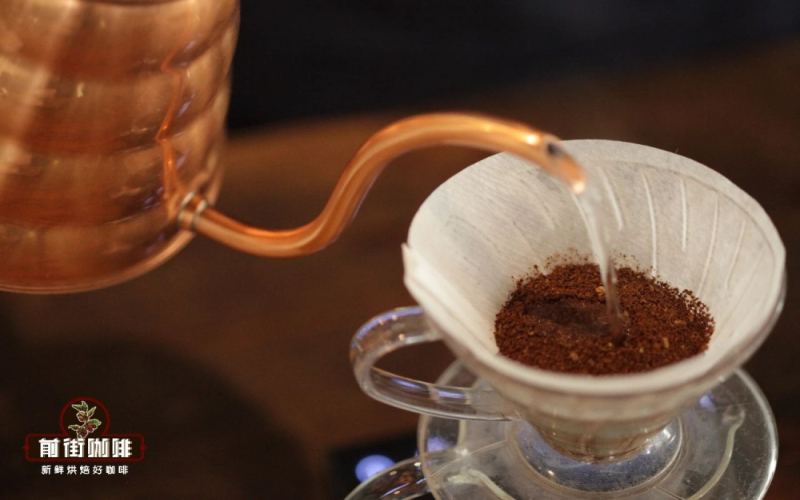
A Detailed Guide to Single-Origin Coffee Classification: A Comprehensive Analysis of Flavor Characteristics Across Major Producing Regions from Africa to the Americas and Differences in Coffee Shop Flavors
Have you ever walked into a specialty coffee shop, faced the dazzling array of single-origin coffees on the menu, and felt at a loss where to begin? Single-origin coffee refers to coffee made from beans sourced from a single origin, and it can be traced back to a specific region or even estate. This article will systematically sort through the representative single-origin coffees from major producing regions such as Africa, Central and South America, and Asia, introduce Front Street Coffee's rigorous process from roasting curve testing to cupping selection, and present the flavor descriptions of coffee beans from each region one by one, helping you find the cup that best suits your taste. [more…]
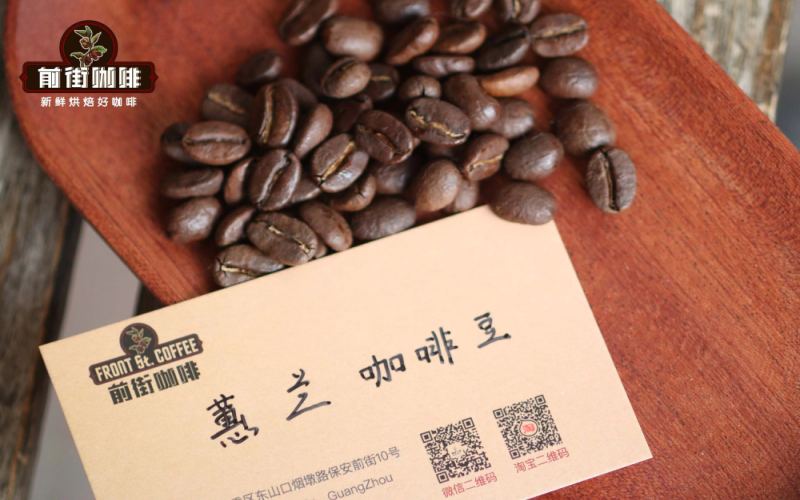
Top Ten Well-Known Pour-Over Coffee Bean Brands | Which Coffee-Producing Country Has the Best-Tasting Single-Origin Beans? What Specialty Pour-Over Beans Do Seasoned Coffee Enthusiasts Recommend?
Coffee is one of the best-selling beverages in the world. Because different countries export coffee, the quality, taste, and mouthfeel of coffee can vary from country to country. So which country has the best coffee? 1. Front Street Ethiopia Sidamo Huakui coffee beans. Region: Sidamo Hambela Buku A [more…]

A Complete Analysis of Starbucks' 13 Pour-Over Coffee Beans: Flavor Rankings and Origins—A Bean Selection Guide from Bright Acidity to Rich and Full-Bodied
Walking into Starbucks and ordering a pour-over, how should you choose among 13 coffee beans? Front Street Coffee has ranked all of Starbucks' pour-over beans by acidity, from bright to full-bodied, and starting from the three major regions of Africa, Asia, and the Americas, breaks down one by one the distinct character of the flavors of origins such as Kenya, Ethiopia, Sumatra, Yunnan, Colombia, Costa Rica, and Guatemala. This article not only helps you understand the Starbucks menu, but also guides you in building a framework for understanding regional flavors, so that whether you prefer fruity acidity or full-bodied bitterness, you can find the cup that suits you. [more…]
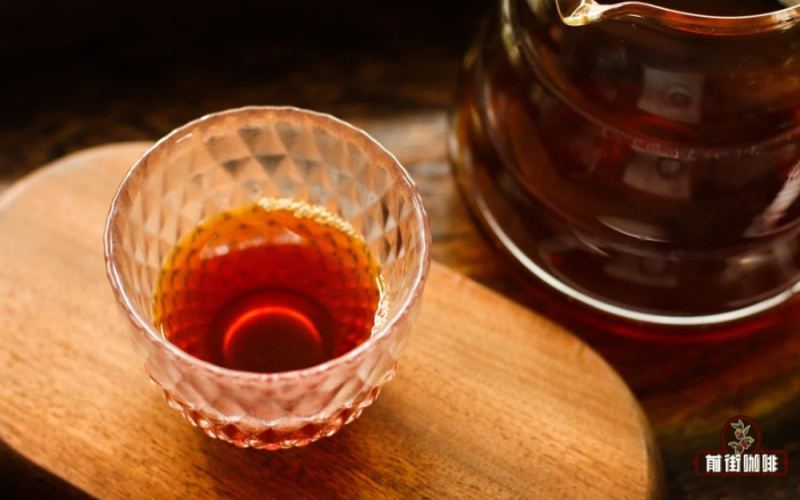
Coffee Aroma Description Guide: An Analysis of 36 Common Aroma Names and Professional Tasting Terminology
When drinking coffee, have you ever encountered a familiar yet indescribable aroma? In fact, perceiving coffee flavors requires systematic cognitive training. In daily cupping and roasting adjustments, Front Street Coffee places particular emphasis on the ability to identify coffee flavors. This article starts with coffee's four major tastes—sour, sweet, bitter, and salty—and, combined with the classification logic of the flavor wheel, breaks down in detail 36 common aroma names across floral, fruity, green/vegetal/herbal, nutty/cocoa, sweet, spicy, sour/fermented, alcoholic fermentation, roasted, and other categories, along with specific representative coffee beans and Front Street's tasting suggestions, to help you more accurately describe and enjoy a cup of coffee's layers and lingering finish. [more…]
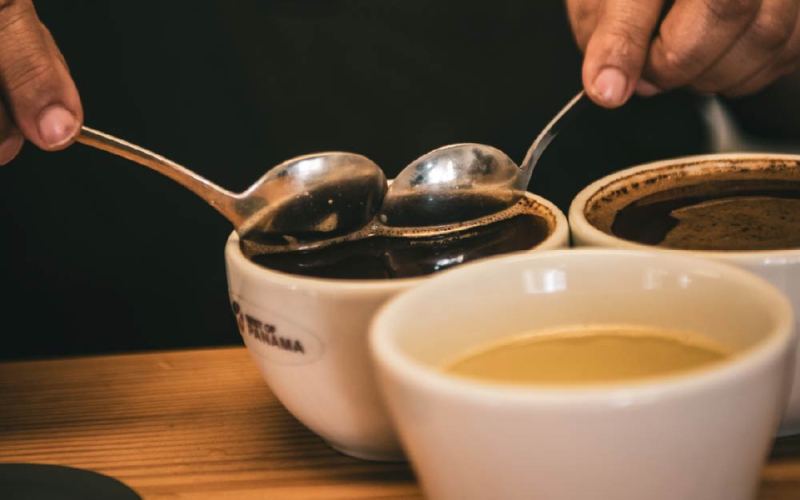
A Comprehensive Analysis of Arabica Coffee Varieties: Flavor Characteristics, Main Subspecies, and Specialty Coffee Icons
Arabica is the most widely consumed coffee species in the world, accounting for about 70% of the market and serving as the core of specialty coffee. This article provides a systematic introduction to Arabica from the perspectives of its origin, botanical characteristics, and growing conditions, and reviews one by one the origins and flavor profiles of major varieties such as Typica, Bourbon, Caturra, Catuai, Geisha, and SL28/SL34. It also compares the differences with Robusta and explains why Arabica can present richer and more elegant layers of acidity and sweetness. The article also includes recommendations for several Arabica bean products from Front Street Coffee as well as advice on freshness for brewing, making it suitable for coffee enthusiasts who want a deeper understanding. [more…]
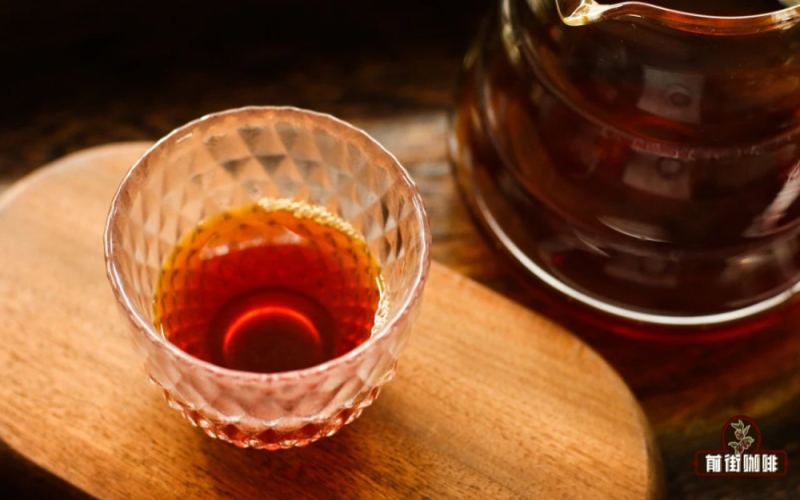
A Flavor Showdown of Coffee-Producing Countries: An In-Depth Review of Ten Specialty Coffees from Ethiopia to Yunnan
As one of the most popular beverages in the world, coffee's flavor expression is closely tied to the terroir of its origin. Coffee beans from different countries each have their own distinctive characteristics in terms of quality, aroma, and taste. This article selects representative coffee beans from ten major producing regions—including Ethiopia, Kenya, Guatemala, Panama, Colombia, Costa Rica, Brazil, Jamaica, and Yunnan, China—and analyzes each one's origin information, variety characteristics, processing methods, and brewing flavor. Whether you prefer bright fruity acidity or are fond of rich, nutty notes, this roundup will help you find your ideal choice. [more…]

SCAA Pour-Over Specialty Coffee Flavor Wheel High-Resolution Download and Systematic Knowledge of Flavor Terminology
The coffee flavor wheel is a recognized tasting tool in the specialty coffee community, but when faced with descriptors like citrus, berries, nuts, and chocolate, many people don't know how to match them. Starting from the high-resolution image of the latest SCAA flavor wheel, this article systematically sorts out the compositional logic of coffee flavor: the relationship between the four basic tastes of sour, sweet, bitter, and salty and the roast level, the proportion data of each taste substance, the subdivision of the acidity spectrum, bitterness spectrum, sweetness spectrum, and saltiness spectrum, as well as an item-by-item analysis of the nine major flavor groups including floral and fruity, green and herbal, nutty and cocoa, sweet, spicy, sour and fermented, alcoholic fermented, roasted, and other. The article also intersperses Front Street Coffee's daily training methods and representative bean recommendations, helping readers build a complete tasting framework from smelling to drinking. [more…]
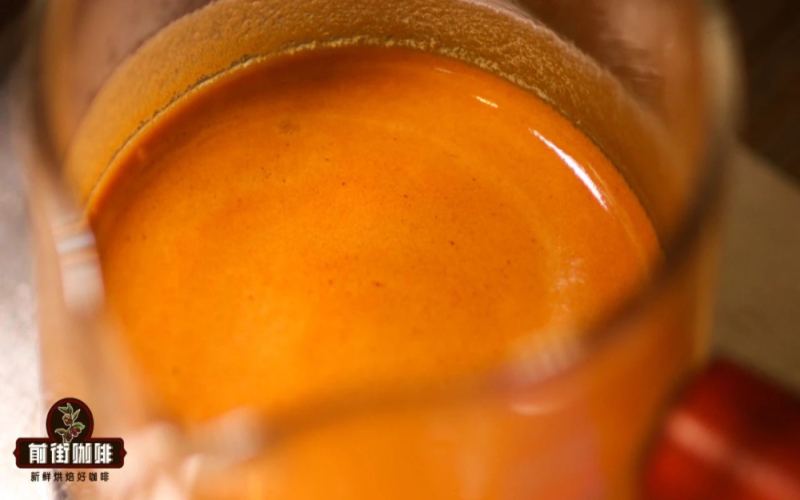
A Comprehensive Guide to the New SCAA Coffee Flavor Wheel: From Sour, Bitter, Sweet, and Salty to 85 Flavor Layers
The update to the coffee flavor wheel has made the tasting system more complete, but many people still feel confused when faced with descriptions like citrus, berries, and nuts. In daily brewing, Front Street Coffee recommends beans from different regions based on guests' taste preferences, while accurately identifying flavors requires systematic training. This article starts with the four major taste spectrums—sour, sweet, bitter, and salty—and, combined with the complete classification of the new flavor wheel, interprets one by one the specific expressions of floral, fruity, herbal, nutty and cacao, sweet, spice, sour and fermented, alcoholic fermentation, roasted, and other categories, helping coffee enthusiasts build a clear framework for flavor perception. [more…]
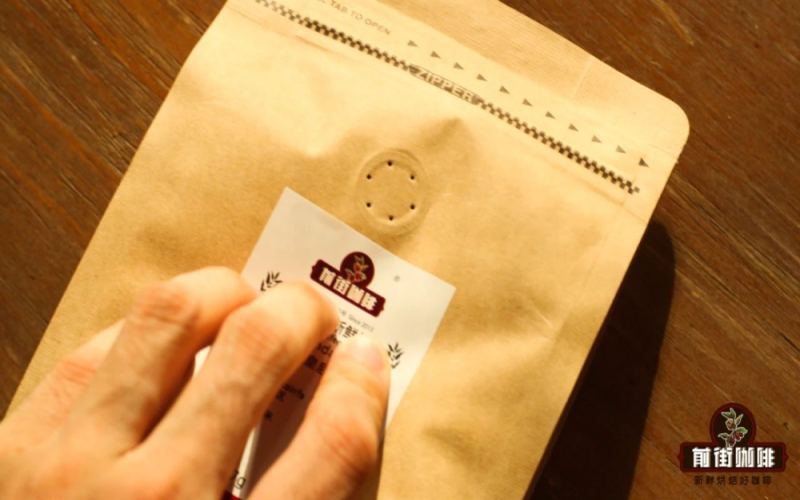
Quickly Select Fresh Coffee Beans | How to Tell If Single-Origin Coffee Beans Are Freshly Roasted? Recommended Coffee Bean Roasting Brands for Beginners
Many friends have left comments saying they don't know how to choose coffee beans, or how to tell whether the coffee beans they bought are fresh. So today, Front Street Coffee will teach you how to choose coffee beans, so that next time you buy coffee, you won't have to worry about getting beans that don't suit you or aren't fresh. Let's take a look at the most basic things you need to know when choosing coffee beans. [more…]

Coffee Bean Freshness Guide: Practical Tips from Roast Date to Flavor and Mouthfeel
Faced with a dazzling array of coffee beans, how do you judge whether they are fresh and how do you choose the one that suits your taste? Front Street Coffee starts with four basic steps, teaching you to check the roast date and one-way degassing valve packaging, quickly identify freshness by smelling the aroma, and reminding you that freshly roasted beans need to rest for two to three days before brewing. The article also recommends a number of Front Street beans categorized by acidity, bitterness, and sweetness, covering Yirgacheffe, Tarrazú, Golden Mandheling, and others, while suggesting that beginners give priority to high-value everyday beans and gradually build up their understanding of regional flavors. [more…]
How long can coffee beans be stored frozen? Should they be thawed? Front Street's hands-on test reveals the right way
Freshness is the foundation of good-tasting coffee, but faced with Front Street Coffee's "30% off for 2 items, 50% off for 3 items" promotion, it's hard not to buy a few extra bags. As a result, questions keep pouring in about whether coffee beans can be frozen, how long they can be frozen, and whether they need to be thawed after taking them out. Starting from Front Street Coffee's actual testing, this article first clarifies the difference between freezing and refrigeration, then explains the impact of freezing on flavor, and finally offers specific operational advice such as freezing after resting, sealed portioning, and whether to thaw. If you also want to keep your stockpiled beans as tasty as possible, this article is worth reading to the end. [more…]
Coffee Bean Buying Guide: A Practical Four-Step Method from Freshness Assessment to Flavor Matching
Faced with a dazzling array of coffee beans, many enthusiasts often don't know where to start, and are even less clear about whether the beans they buy are actually fresh. Drawing on the practical experience of Front Street Coffee, this article systematically lays out four basic steps for choosing coffee beans: first learn to judge freshness, then pin down the roast level and region based on your preference for acidity or bitterness, next get started with pour-over in a cost-effective way, and finally gradually delve into specific origins. The article not only offers practical tips such as smelling the aroma, checking the roast date, and looking for a one-way degassing valve, but also recommends specific products like Front Street Red Cherry, Tarrazú, and Golden Mandheling for different tastes, helping you make a wiser choice the next time you buy. [more…]
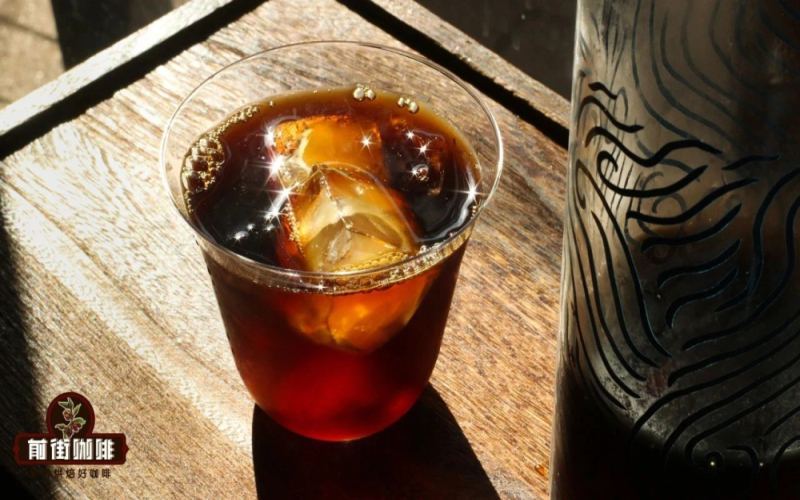
The Best Drinking Window for Hot Pour-Over and Cold Brew / Ice Drip Coffee: How Long Can It Be Stored After Brewing?
In the heat of summer, a glass of iced coffee always refreshes you instantly. But whether it's hot pour-over left to cool, or cold brew and ice drip coffee stored in the fridge, each has its own window of peak flavor. This article uses Front Street Coffee's Kenya Asalia as an example, first introducing the brewing parameters and flavors of hot pour-over and Japanese-style iced pour-over coffee, then breaking down in detail the methods, coffee-to-water ratios, extraction times, and refrigeration recommendations for cold brew and ice drip coffee. You'll learn: why hot black coffee should be finished before it cools completely, how cold brew coffee's flavor evolves within 5 days of refrigeration, why ice drip coffee is best consumed within 3–4 days, and how to adjust drinking timing based on fermentation time, so that every glass of iced coffee is at its best. [more…]
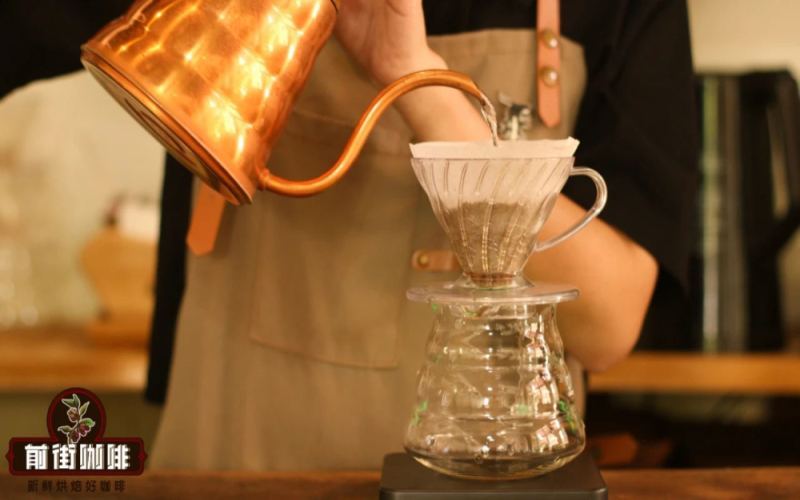
Kenya AA Pour-Over Coffee Ground-to-Water Ratio Practical Analysis: Flavor Differences from 1:15 to 1:13 and 1:17, and Front Street Asalia Brewing Record
The coffee-to-water ratio for pour-over coffee is often seen by beginners as the biggest obstacle. At Front Street Coffee, through conversations with customers in our stores and with enthusiasts, we have found that most questions revolve around this one parameter. This article uses the Front Street Asalia AA TOP coffee beans from Kenya's Thika region as a sample, keeping the three-pour brewing method and a water temperature of 90-92°C fixed, changing only the coffee-to-water ratio, and conducting comparative brews at 1:15, 1:13, and 1:17 respectively, recording the changes in flavor direction such as citrus, cherry tomato, smoked plum, and caramel. At the same time, it sorts out the difference between extraction yield and concentration, the Golden Cup theory range, the two major extraction methods of immersion and filtration, and includes a complete explanation of Kenya's 72-hour washed processing method, helping readers understand how the coffee-to-water ratio affects the acidity, sweetness, and body thickness of a cup of pour-over coffee. [more…]
A Comprehensive Analysis of the Flavor Differences and Identification Methods of the Three Major Coffee Varieties: Arabica, Robusta, and Liberica
There are three main native varieties in the coffee world: Arabica, Robusta, and Liberica. Arabica dominates the specialty coffee mainstream with its elegant flavors, Robusta is known for its high caffeine content and full-bodied taste, while Liberica has scarce production and a unique flavor. Front Street Coffee has been involved in coffee cultivation since entering the industry and owns its own plantations. Currently, its sales are mainly Arabica, with Robusta used only for espresso blends. This article will systematically sort out the characteristics of the three major varieties and provide an in-depth introduction to many sub-varieties such as Typica, Bourbon, Geisha, Caturra, and Catimor, as well as their flavor performance, helping coffee lovers fully understand the mysteries and identification techniques of coffee bean varieties. [more…]
What Are the World's Universally Recognized Great Coffees? A Comprehensive Analysis and Recommendation of Ten Premier Single-Origin Beans
Coffee enthusiasts often ask: what exactly qualifies as the world's top coffee? The answer tends to point to freshly roasted Arabica beans, ground on demand and brewed into that one cup. The flavor quality of coffee is inseparable from the freshness of the beans. Since its founding, Front Street Coffee has sold only freshly roasted Arabica coffee beans, striving to let every enthusiast experience the unique character and taste of different bean varieties. This article will begin with the definition of Arabica, the criteria for judging specialty coffee, and the characteristics of single-origin beans, then introduce ten single-origin coffee beans worth trying one by one, including several representative products from Front Street Coffee, to help you find that cup of good coffee that belongs to you. [more…]