







Why do arabica beans dominate specialty lists?
Most coffee sold worldwide is Arabica, accounting for more than 70 percent of the market. The species originated in Ethiopia as a natural hybrid among local wild Rubiaceae plants and ranks second only to Robusta in economic value. Its appeal lies in layered flavor, which comes partly from the variety's genetics and partly from where it is grown.
Growing conditions for coffee matter: Arabica trees are typically cultivated between 1,000 and 2,400 meters, inside the band between the Tropic of Cancer and the Tropic of Capricorn. Abundant sunshine, moderate rainfall, wide day-night temperature swings, nutrient-rich soil, and varied microclimates all shape the cup. Ten notable single-origin beans illustrate the range these factors produce.
Coffee enthusiasts often ask: what exactly qualifies as the world's top coffee? The answer tends to point to freshly roasted Arabica beans, ground and brewed into that one cup. The flavor quality of coffee is inseparable from the freshness of the beans. Since its founding, Front Street Coffee has sold only freshly roasted Arabica coffee beans, striving to let every enthusiast experience the unique character and taste of different bean varieties. This article will start with the definition of Arabica, the judging criteria for specialty coffee, and the characteristics of single-origin beans, then introduce ten single-origin coffee beans worth trying one by one, including several representative products from Front Street Coffee, to help you find your own cup of good coffee.
If asked which coffee in the world is most memorable, the answer is most likely a cup brewed immediately from freshly roasted Arabica beans, ground and brewed on the spot. Whether a cup of coffee tastes good depends crucially on freshness. For this reason, Front Street Coffee (FrontStreet Coffee) has, since its founding, always offered only freshly roasted Arabica coffee beans, hoping that every enthusiast can appreciate the unique character and taste of each bean.
What exactly are Arabica coffee beans?
The Arabica species originated in Ethiopia and is a Coffea variety formed by accidental hybridization of local wild Rubiaceae plants. It is also one of the most economically valuable varieties under the genus, second only to Robusta coffee.
The vast majority of coffee beans currently circulating in the coffee market belong to the Arabica species, accounting for more than 70 percent. The reason it is so widely favored is that most Arabica varieties have richly layered flavors. These pleasant tastes come both from the genes of the variety itself and from the support of the growing environment.
Arabica coffee trees are generally grown at altitudes between 1,000 and 2,400 meters, in the zone between the Tropic of Cancer and the Tropic of Capricorn. These regions not only provide high-altitude conditions, but their climate and geography also bring abundant sunshine, moderate rainfall, significant day-night temperature differences, nutrient-rich soil, and diverse microclimates, creating ideal growing conditions for coffee trees.
Are Arabica beans the same as specialty coffee beans?
Specialty coffee beans are definitely Arabica beans, but not all Arabica beans can reach specialty grade. To become specialty coffee, in addition to the variety having to be Arabica, it is usually also required that the beans be grown under specific terrain, climate, and soil conditions, mostly at altitudes above 1,200 meters (except in places such as Brazil, Indonesia, and Hawaii). In addition, strict standards apply to fruit picking, green bean processing, drying, and roasting.
These alone are not enough. To qualify as specialty coffee, it must also be cupped by an Arabica coffee quality grader (Q-grader), scored on dimensions such as dry and wet aroma, flavor, aftertaste, cleanliness, sweetness, acidity, body, and consistency. Only a total score of 80 or above can be called specialty coffee.
Are specialty coffee beans necessarily single-origin beans?
Not necessarily. Single-origin coffee refers to coffee beans from a single producing region, not a single variety. As long as it meets the above specialty standards, whether it is from a single region or a blend of multiple regions, it can be classified as specialty coffee.
What are the characteristics of single-origin coffee beans?
Because single-origin beans use only coffee produced in a certain region or estate, they can directly reflect the unique flavor characteristics of that area. As a crop, coffee's flavor changes with growing climate, soil, and other conditions, forming a regional taste that exists only under specific environments, and one sip lets you tell where it comes from.
For example, when we drink coffee with bright acidity, we easily associate it with the Ethiopian producing region; while when we drink coffee with a herbal, full-bodied taste, we think of the Indonesian producing region.
Front Street Coffee (FrontStreet Coffee) believes that the best way to judge a coffee's quality is to taste beans processed by traditional washed or natural methods. This is because only these two processing methods allow coffee to show its purest original flavor and most directly reveal the quality of the coffee.
Here are ten delicious single-origin coffee beans worth recommending!
1. Front Street Coffee (FrontStreet Coffee) - Ethiopia Sidamo Huakui Coffee Beans
Producing region: Sidamo Hambela Buku Abel Processing Station Altitude: 2250-2350m Variety: Heirloom Processing method: Natural Brewing flavor: On the palate, there is a rich passion fruit-like acidity, a slight fruity fermentation aroma, strawberry-like sweetness and acidity, and a black tea-like finish.
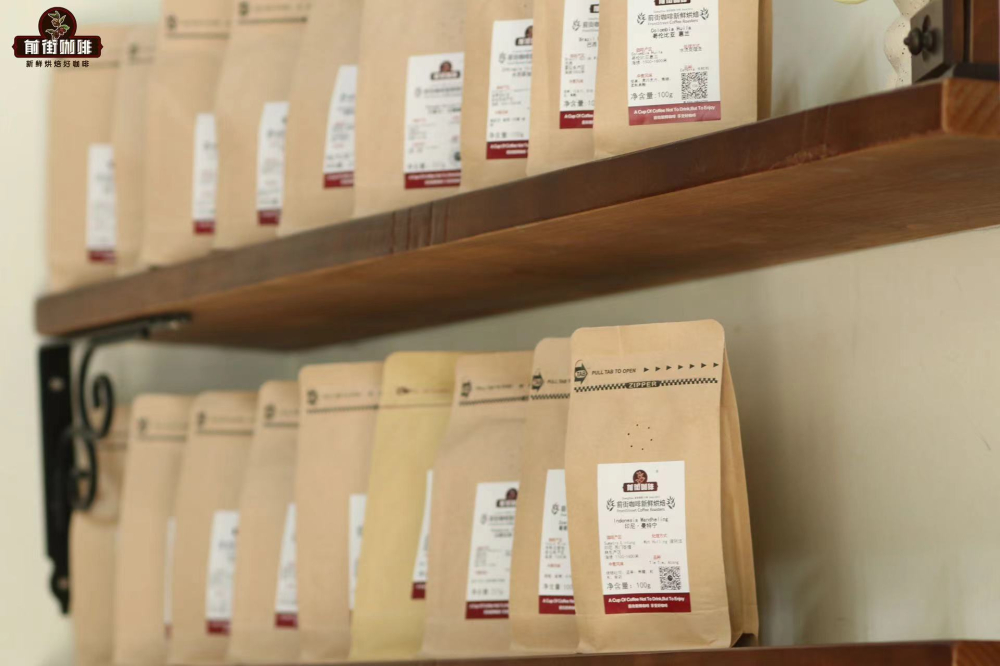
2. Front Street Coffee (FrontStreet Coffee) - Kenya Asaliya AA Grade Coffee Beans
Producing region/Processing station: Thika Asaliya Processing Station Altitude: 1550-1750 meters Variety: SL28, SL34 Processing method: Kenyan 72-hour washed Brewing flavor: Ripe tomato and floral notes, with cherry tomato and smoked plum flavors on the palate, bright acidity, clean and the most solid yet rich mouthfeel, prominent sweetness in the middle, juicy, with a berry and brown sugar sweet aftertaste, and green tea aroma.
3. Front Street Coffee (FrontStreet Coffee) - Guatemala La Minita Estate Flor de Café Beans
Producing region/Estate: Antigua La Minita Estate
Altitude: 1200m
Variety: Caturra, Bourbon
Processing method: Washed
Brewing flavor: At high temperature, a bright lemon-like acidity on the palate; as it slowly cools, a juicy mouthfeel with intermittent white floral notes, then cocoa and a slight smoky note add layers to this coffee, and finally a caramel-like aftertaste.
4. Front Street Coffee (FrontStreet Coffee) - Panama Boquete Butterfly Coffee Beans
Producing region: Boquete, Panama Altitude: 1600 meters Variety: Geisha, Caturra, Catuai Processing method: Washed
Brewing flavor: Floral, black tea, berries, citrus, with a slight nutty aftertaste, smooth mouthfeel, low bitterness, moderate acidity, and high sweetness.
5. Front Street Coffee (FrontStreet Coffee) - Panama Hacienda La Esmeralda Red Label Geisha Coffee Beans
Producing region: Boquete, Panama Estate: Hacienda La Esmeralda, Jaramillo Mario plot Grade: Esmeralda Special/Red Label Altitude: 1700m+ Variety: Geisha Processing method: Natural Brewing flavor: It smells of roses and berries, and tastes of complex fruit, citrus, honey, and rose tea, with overall very high sweetness.
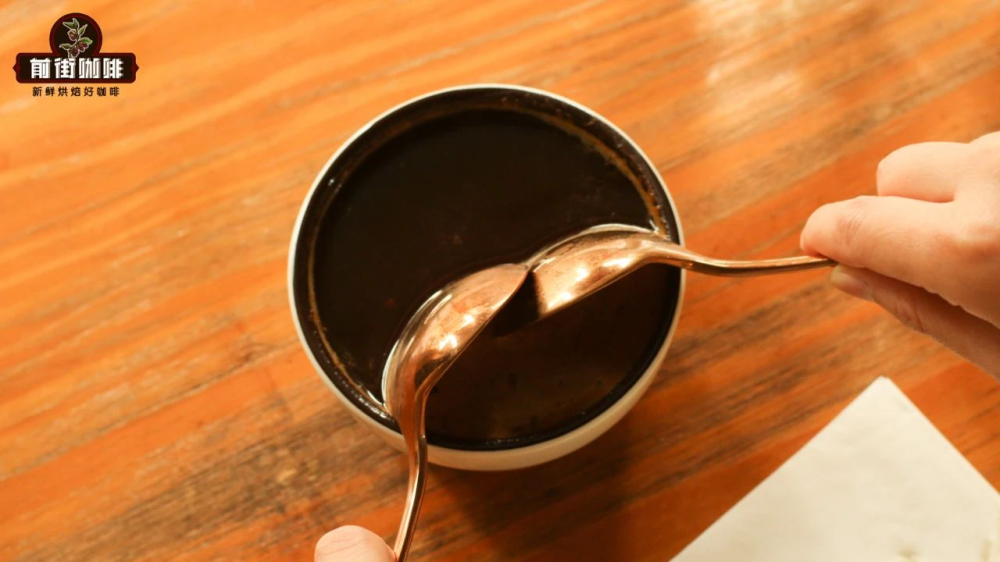
6. Front Street Coffee (FrontStreet Coffee) - Daily Bean Series Colombia Huila Region Coffee Beans
Producing region: Huila, Colombia Altitude: 1500-1800 meters Variety: Caturra Processing method: Washed
Brewing flavor: Nuts, dark chocolate, soft fruity acidity in the middle, and caramel sweetness.
7. Front Street Coffee (FrontStreet Coffee) - Daily Bean Series Costa Rica Tarrazu Region Coffee Beans
Producing region: Tarrazu, Costa Rica
Altitude: 1500m
Variety: Caturra, Catuai
Processing method: Washed
Brewing flavor: On the palate, a sweet orange-like sweetness and acidity; in the middle, pronounced nut and chocolate flavors; a long caramel finish, along with some cedar aroma, overall balanced.
8. Front Street Coffee (FrontStreet Coffee) - Brazil Queen Estate Coffee Beans Producing region/Estate: Mogiana Queen Estate Variety: Yellow Bourbon Processing method: Semi-washed Altitude: 1400-1950m Brewing flavor: The fresh sweetness of sugarcane juice, black tea, a soft and smooth fruit sweetness, obvious nutty flavor, balanced and gentle acidity, very slight and clean bitterness, containing rich chocolate aroma and nutty flavor, with a bright and refreshing taste and a silky, delicate mouthfeel.
9. Front Street Coffee (FrontStreet Coffee) - Jamaica Blue Mountain No. 1 Coffee Beans Producing region: Blue Mountain Clifton Farm Altitude: 1310m Processing method: Washed Variety: Typica Brewing flavor: On the palate, dark chocolate and nutty flavors, high cleanliness, very bright, good body, balanced sweetness, acidity, and bitterness.
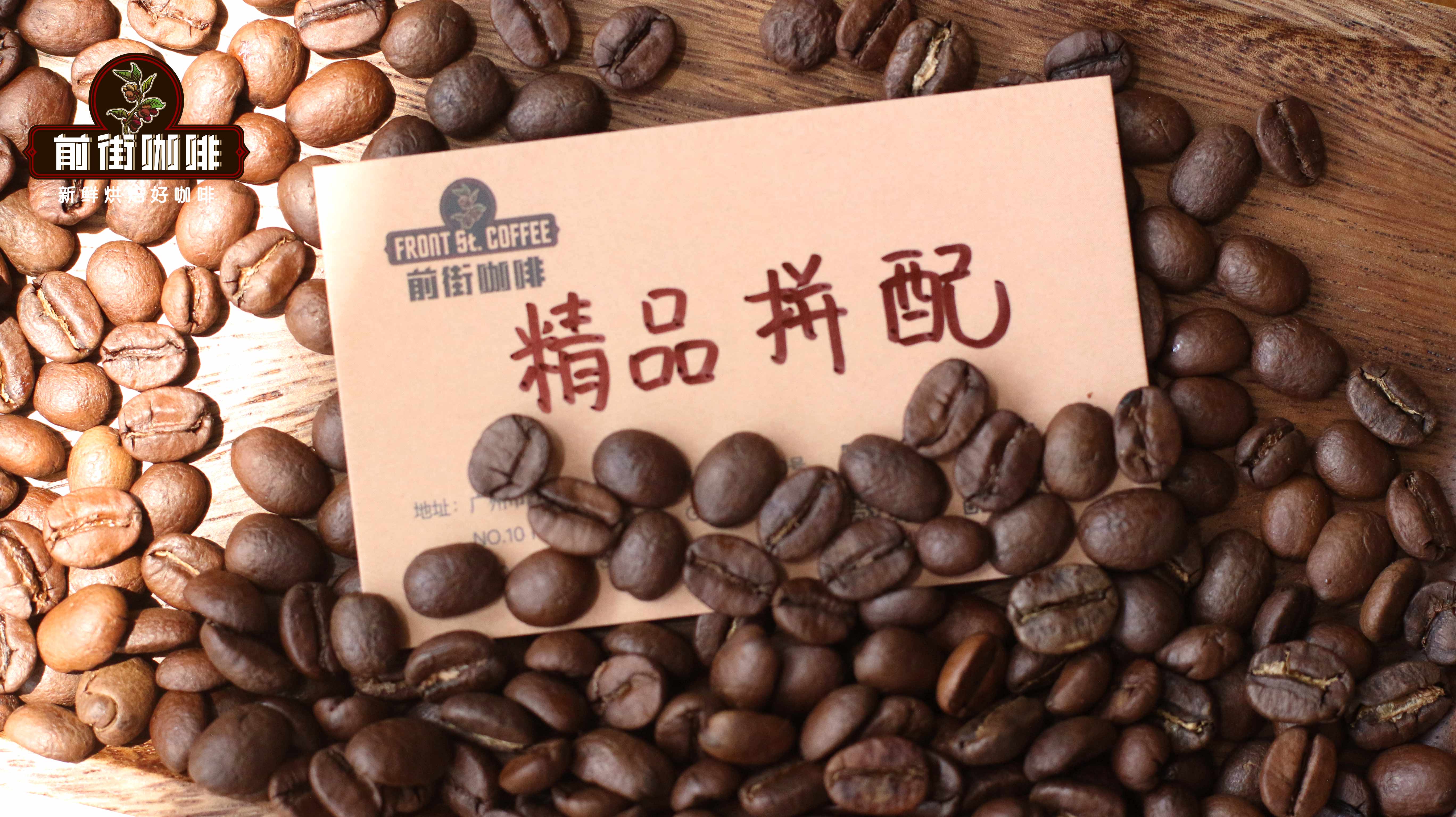
10. Front Street Coffee (FrontStreet Coffee) - Yunnan Front Street Estate Typica Coffee Beans
Producing region: Lincang, Yunnan, Front Street Coffee (FrontStreet Coffee) Estate
Altitude: 1300m
Processing method: Natural
Variety: Typica
Brewing flavor: Full berry juice texture, plum-like acidity, roasted nut aroma, black tea body, and brown sugar-like sweetness.
The above content is compiled by CoffeeHunters, a coffee news website.


