







Which Arabica Coffee Varieties Shape Today's Specialty Market?
Arabica holds about 70 percent of global coffee consumption and is the core of specialty coffee, while Robusta, Liberica, and other types make up the rest. The species originated in Ethiopia rather than Arabia, despite its scientific name Coffee Arabica, and spread worldwide through Arab merchants from the 16th century onward.
Major sub-varieties include Typica, Bourbon, Caturra, Catuai, Geisha, and SL28/SL34, each with its own origin story and flavor profile. Robusta, sometimes called rough bean, has a coarser flavor and higher caffeine content and is usually not classed as specialty coffee. Most specialty raw material comes from Arabica, so freshness advice matters when brewing.
Arabica is the most consumed coffee variety globally, holding about a 70% market share and serving as the core staple of specialty coffee. This article systematically introduces Arabica from the perspectives of its origin, botanical characteristics, and growing conditions, and reviews the origins and flavor profiles of major sub-varieties such as Typica, Bourbon, Caturra, Catuai, Geisha, and SL28/SL34 one by one. It also compares the differences with Robusta and explains why Arabica can present richer and more elegant layers of acidity and sweetness. The article also includes recommendations for several Arabica bean products from Front Street Coffee and brewing freshness advice, suitable for coffee enthusiasts to gain a deeper understanding.
Global coffee beans can be summarized into three major categories: Arabica, Robusta, and Liberica. Among them, the first two are the most commonly encountered in daily life—Arabica is renowned for its elegant flavor and is the core force of specialty coffee; Robusta, also called "rough bean," has a relatively rough flavor and higher caffeine content, and is usually not classified as specialty coffee.
The vast majority of raw materials for specialty coffee come from Arabica, such as Front Street's Jamaican Blue Mountain coffee, Geisha coffee, and Front Street 2013 Sun-Dried Typica coffee. Arabica beans excel in flavor, mouthfeel, and sweetness, and are highly favored by coffee enthusiasts. As one of the three major bean types, Arabica accounts for about 70% of global coffee consumption, with the remaining varieties totaling about 30%.
Arabica is the earliest coffee variety discovered by humans. Although its scientific name "Coffee Arabica" carries Arabic associations, its place of origin is actually the homeland of coffee—Ethiopia. It is recognized as the highest-quality coffee variety and is also the most widely cultivated type of coffee bean in the world today, produced in Central and South America, Africa, and many parts of Asia. When Ethiopians first discovered coffee, they would chew coffee leaves for refreshment, and the fruit was also used medicinally. Later, through research by Arab scholars, the method of roasting and drinking gradually took shape. In the 16th century, it spread globally through the trade networks of Arab merchants and eventually evolved into today's world-famous beverage.
Specialty coffee as defined by the third wave of the specialty coffee movement is mainly judged from four dimensions: variety, altitude, processing method, and cupping score, among which the variety aspect is dominated by Arabica.
Arabica is quite demanding about its growing environment, far less adaptable than Robusta. Its plants usually grow 2.5 to 4.5 meters tall, can tolerate low temperatures but cannot withstand frost, and have weak drought resistance. The beans are relatively large, the flavor is clean, the mouthfeel is rich and smooth, and the caffeine content is low. Panama Geisha and Jamaican Blue Mountain are the most typical examples; their unique geographical environments create their signature flavors and have also placed them among the world's most expensive coffees.
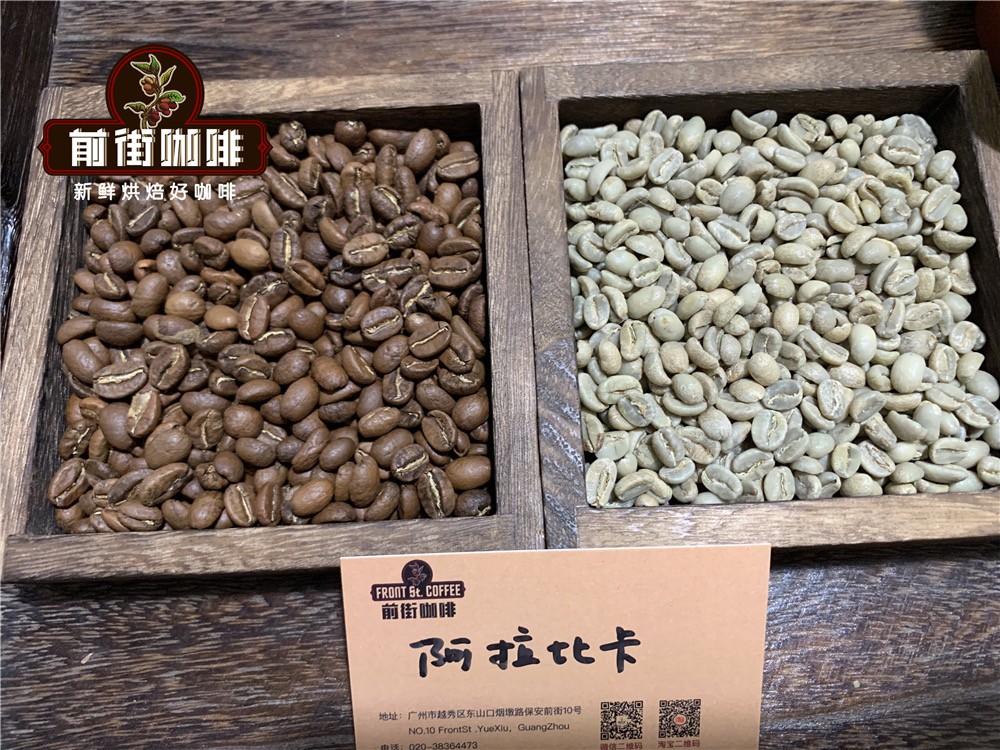
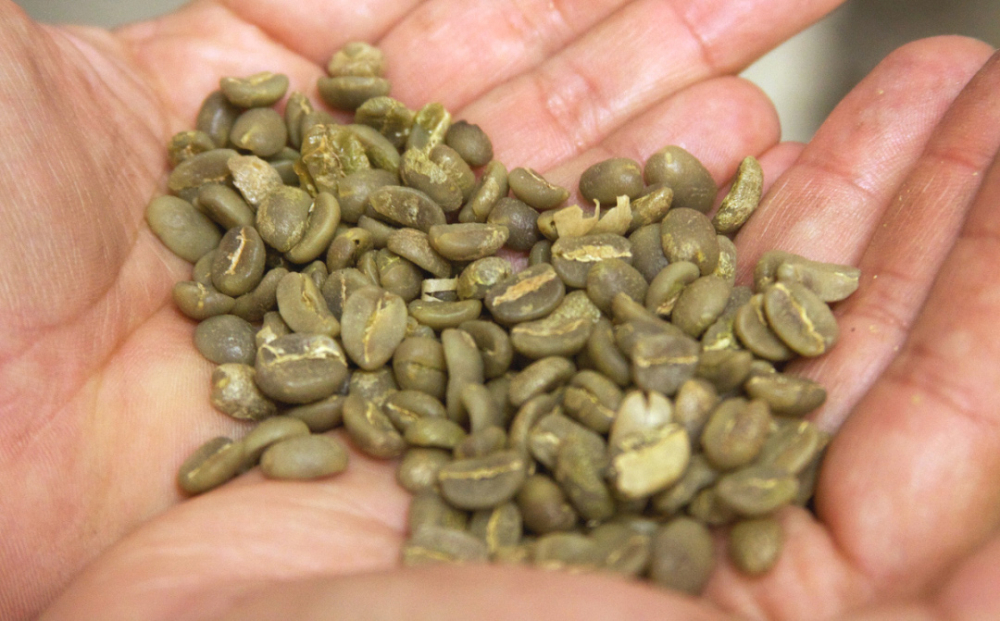
In appearance, Arabica beans generally grow in pairs, are slightly flat, with a long oval shape on the front, a narrow and curved center crack resembling the letter S, and a relatively smooth rounded arc on the back. Their caffeine content is about 0.8% to 1.5%.
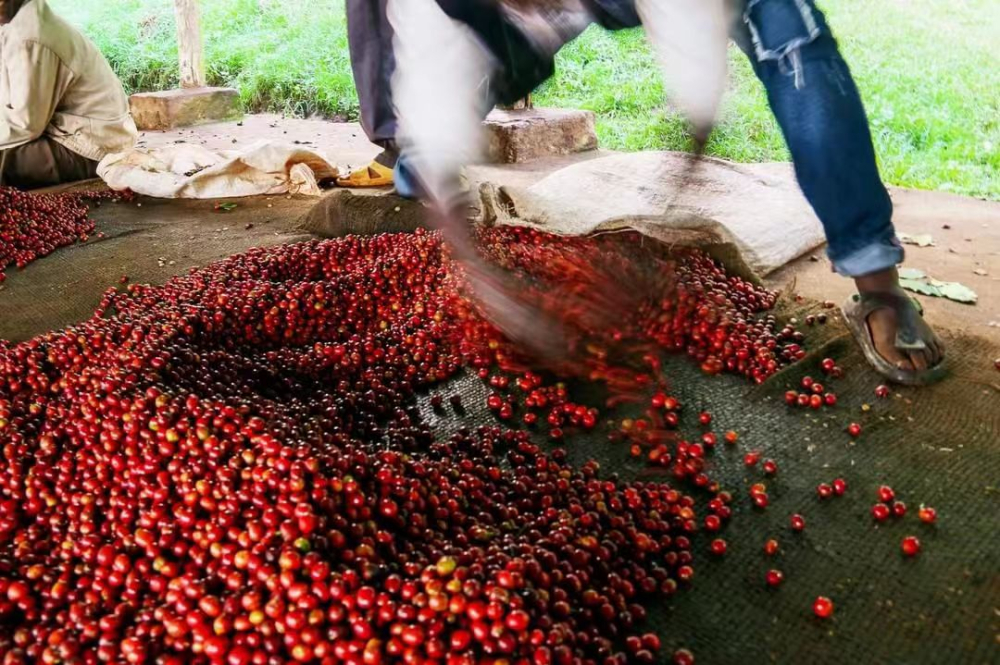
Robusta is relatively unfamiliar to many people, with the general impression that its flavor is inferior to Arabica, that it does not count as specialty coffee, and that it is mostly used in commercial blends. FrontStreet Coffee's commercial blend includes Vietnamese Robusta. Strictly speaking, Robusta should be called Canephora, and Robusta is merely one widely cultivated subspecies within it, which over time has almost become synonymous with the entire species. Robusta originated in the Congo Basin region of West Africa and was widely promoted because it adapts to low altitudes, has high yield, and is easy to cultivate, accounting for about 20% to 30% of global coffee production.
Arabica encompasses numerous sub-varieties, almost all of which derived from mutations after the oldest Ethiopian Typica and Yemeni Bourbon spread to Central and South America or Asia. The varieties are extremely rich, and Ethiopia can be called Arabica's genetic treasure trove. The following lists several varieties more commonly seen at Front Street.
The rough classification is as follows.
"Ancient Heirloom Varieties" "Typica"
Typica is the oldest native variety in Ethiopia, and all Arabica originated from it. The top leaves are bronze-colored, and the beans are oval or slender-pointed; the flavor is elegant, but the plant is relatively weak, has poor disease resistance, and low yield. Excellent beans such as Jamaican Blue Mountain coffee, Sumatra Mandheling coffee, Panama Elida coffee, and Front Street 2013 Sun-Dried Typica coffee all belong to Typica. Bronze-colored top leaves are one of the important features for identifying Typica.
"Bourbon"
Bourbon is a variant produced after Typica was early transplanted to Yemen, with the bean shape changing from slender-pointed to round. In 1715, the French brought the round-shaped beans of Yemeni Mocha to Bourbon Island off the east coast of Africa (renamed Réunion Island after the French Revolution), from which Bourbon got its name. In 1727, the round beans made their way to Brazil and Central and South America. In 1732, the British also transplanted Yemeni Mocha to Saint Helena Island (the later place of Napoleon's imprisonment), which likewise belonged to Bourbon round beans. Bourbon has repeatedly achieved excellent results in American specialty coffee cupping. It can be further divided into Red Bourbon, Pink Bourbon, and Yellow Bourbon. Front Street's Brazil coffee is Red Bourbon, while Brazil Queen coffee is Yellow Bourbon.
Kenya "SL28" and "SL34"
Kenyan specialty coffee is mostly washed, with a clean and bright flavor and particularly outstanding acidity. Many smallholders still insist on high-quality control, and specialty lots emerge endlessly. Kenyan soil is rich in phosphoric acid, and the two Bourbon variants SL-28 and SL-34 seem to have long adapted to it, being key contributors to the region's distinctive smoky plum acidity. Its unique smoky plum acidity, citrus notes, and alluring wine-like taste are interwoven with fresh sugarcane sweetness; the aroma is intense yet elegant, with clear layers and a complex, deep flavor. Its highly distinctive acidity showcases the extraordinary standard of Kenyan specialty coffee. This is like the previously mentioned Front Street Kenya Asaliya coffee.
Caturra
Caturra is a natural mutation of Arabica Bourbon, discovered in Brazil in 1937. The tree is shorter than Bourbon, and because it inherits Bourbon lineage, its disease resistance is relatively weak, but its yield is higher than Bourbon's. Although discovered in Brazil, Caturra is not well suited to Brazil's environment and failed to be planted on a large scale there; instead, it became widespread in Central and South America, with large-scale cultivation in countries such as Colombia, Costa Rica, and Nicaragua.
Catuai
Catuai is a hybrid offspring of Mundo Novo and Caturra, so to speak a "second-generation hybrid." It inherits Caturra's short tree stature while making up for Arabica's weakness of fragile fruit; the cherries hold firmly and do not easily fall off even in strong winds. Its biggest drawback is that its overall flavor is somewhat more monotonous than Caturra's. Catuai also has red-fruit and yellow-fruit types, with red fruit having more award records than yellow fruit. Catuai, Caturra, Mundo Novo, and Bourbon are together known as Brazil's four main coffee varieties.
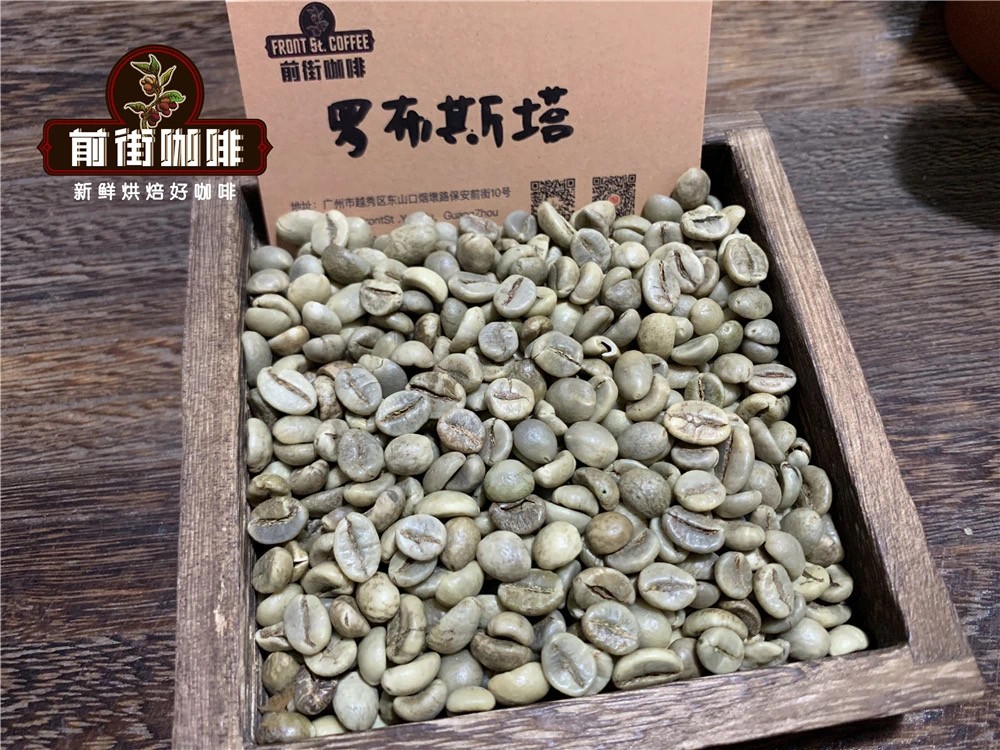
Sumatra Typica / Sumatra Mandheling
The main coffee-producing regions of Indonesia include Sumatra Island, Java Island, and Sulawesi Island, among which "Mandheling" produced in Sumatra is the most well-known.
Mandheling is also called "Sumatra coffee." The area around Lake Tawar at the northern end can be called Aceh coffee or Lake Tawar coffee, while coffee produced in the Lintong and Lake Toba areas can be called Mandheling. Its taste is heavy, its body is rich, and its flavor is rich and lively, neither astringent nor sour, with body and bitterness expressed to the fullest. Mandheling coffee beans may be considered the ugliest in appearance, but coffee fans often say that the uglier the Sumatra beans, the better, richer, and smoother the taste. Front Street offers Indonesian Mandheling coffee and Golden Mandheling coffee.
Geisha
The famous Geisha is a derived variety of the Typica family. It was exported from the Geisha Mountain in southern Ethiopia in 1931 (Geisha sounds the same as the Japanese word for "geisha"), remained obscure after passing through many countries, was transplanted to Panama in the 1960s, and did not frequently win championships in cupping competitions until 2005.
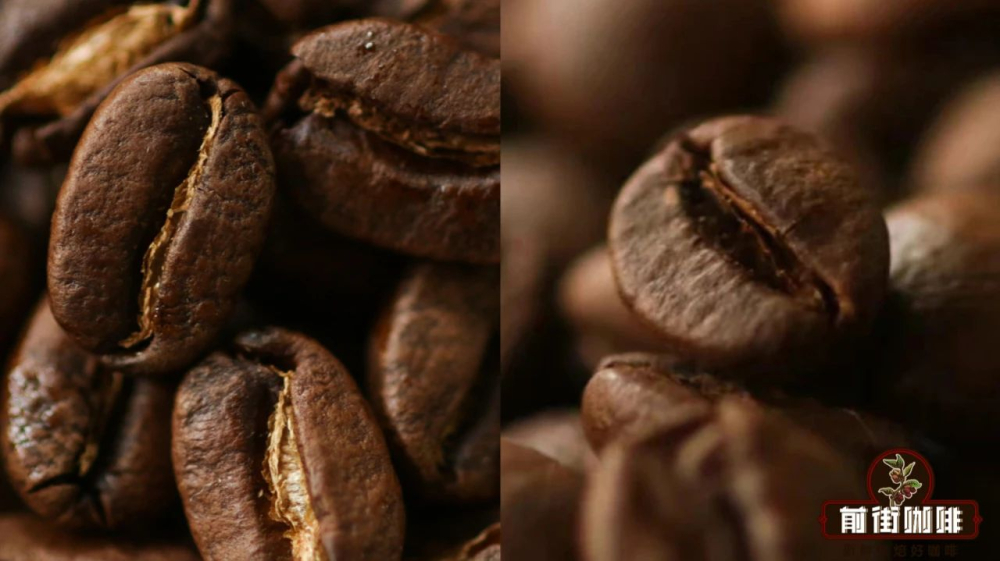
Currently the most well-known Geisha producing area is the Boquete region of Panama, a small town on the eastern slope of Volcán Barú. The most prestigious Geisha-growing estates there include La Esmeralda, Elida Estate, and Panama NPGE Estate. Although people around the world grow Geisha, even in Taiwan, China, the flavor has never been as stunning as Panama's. Front Street offers La Esmeralda's Red Label Geisha, Green Label Geisha, and Boquete Pishá.
Arabica and Robusta
As the two most common varieties on the market, Arabica is a small-bean species, while Robusta is a medium-bean species. Robusta has 22 chromosomes, while Arabica has 44, or 22 pairs. The doubled number of chromosomes not only gives Arabica a superior aroma but also brings rich and unique acidity and sweetness, making it better in taste than Robusta.
Arabica needs to be grown in frost-free highlands at an altitude of 800 to 2,200 meters. The higher the altitude, the more pronounced the temperature difference, which delays the ripening of coffee cherries, favors the accumulation of flavor compounds, and allows the aroma to develop more fully. The unique microclimates of each producing region provide diverse growing conditions for Arabica and create different flavors. At the same time, high altitude also means greater susceptibility to pests and climate effects, fewer cherries, and a longer maturation period. High-quality Arabica requires more manual management and harvesting, so production costs are naturally higher.
By contrast, Robusta's caffeine content is between 2.7% and 4%, twice that of Arabica. Caffeine is a plant's natural pesticide and can resist most insect damage, so Robusta is easier to grow and lower in price. In addition, higher levels of amino acids and chlorogenic acid bring a thick, deep bitterness, along with flavors of walnut, peanut, hazelnut, wheat, and grain. If improperly processed, it can also develop an earthy, fishy taste, making it less appealing, and it is often used in dark-roasted espresso blends or instant coffee.
Some Arabica varieties have low yield and balanced flavor but are extremely expensive; some have high yield and ordinary flavor but are relatively moderate in price. Arabica is certainly excellent, but not all Arabica is good coffee.
FrontStreet Coffee brewing advice:
Most coffee on the market is of the Arabica variety, and specialty coffee is almost entirely Arabica. Although Arabica has outstanding flavor, brewing a good cup still requires attention to the freshness of the coffee beans. Front Street has always believed that freshness has a huge impact on flavor, so the coffee beans shipped by FrontStreet Coffee are all within 5 days of roasting. Front Street's roasting philosophy is "freshly roasted good coffee," so that every customer who places an order receives the coffee in its freshest state. The resting period for coffee is about 4 to 7 days, so when customers receive it, it is exactly at its best flavor.
For friends who need ground coffee, Front Street warmly reminds you: once coffee beans are ground in advance, they no longer need resting, because the pressure from carbon dioxide inside the packaging during transport can also make the flavor rounder, so the ground coffee can be brewed immediately upon receipt. However, ground coffee needs to be used up as soon as possible, because after contact with air it oxidizes quickly and loses flavor quickly, and quality will decline noticeably. Therefore, Front Street recommends buying whole beans and grinding fresh before brewing to better taste the coffee's flavor.
For professional coffee knowledge exchange and more coffee bean information, please follow Coffee Workshop (WeChat public account cafe_style)
For more specialty coffee beans, please add the private WeChat of FrontStreet Coffee, WeChat ID: qjcoffeex
The above content is compiled by CoffeeHunters, a coffee news website.


