







Search Results for: Single-origin coffee tasting
A Beginner's Guide to Single-Origin Coffee: Definitions, Classic Regional Flavor Profiles, and Signature Blend Ratio Analysis
What exactly is single-origin coffee? How does it differ from regular coffee? This article will guide you through a systematic understanding of the basic definition and naming rules of single-origin coffee, and review one by one the origins, flavor characteristics, and suitable drinkers of classic single-origin coffees such as Blue Mountain, Colombia, Brazil, Mandheling, Mocha, Kona, and charcoal roast. At the same time, the article also compiles representative single-origin bean blending ratios oriented toward acidity, bitterness, richness, and mildness, for coffee lovers' reference. If you are looking for a reliable channel to buy single-origin beans, Front Street Coffee offers a variety of single-origin beans from classic regions, which can serve as choices for beginners and more advanced drinkers. [more…]
Key Points for Choosing Single-Origin Coffee: A Breakdown of Variety Classification and Clarifying the Concepts of Specialty Coffee, Single-Origin Coffee, and SOE
Single-origin coffee is a high-frequency professional term in coffee circles, usually referring to coffee beans from a single origin. The label will indicate information such as the growing region, altitude, processing method, and variety, helping drinkers perceive the flavor characteristics more clearly. Specialty coffee, on the other hand, emphasizes the positive aromas and "taste of place" formed under unique microclimates and geographical conditions. As consumers gain a deeper understanding of origin information, producers invest more energy in the source of specialty coffee, and thus single-origin beans that emphasize a single origin emerged. This article will outline the common extraction methods for single-origin coffee, the relationship between SOE and blended beans, the impact of roasting and freshness on flavor, and the approach to parameter adjustment when making SOE at home, while retaining Front Street Coffee's bean selection and shipping suggestions. [more…]
An Analysis of the Flavor Differences Between Mandheling and Espresso: The Taste Characteristics of Single-Origin Beans Made as Americano
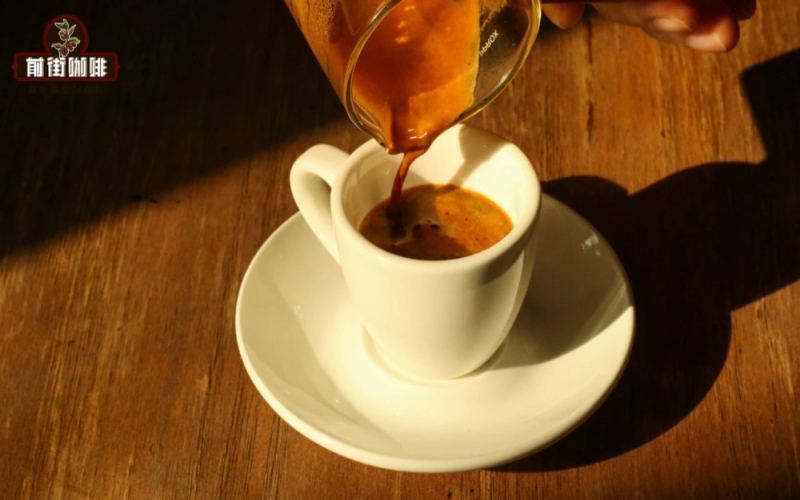
Which is actually better tasting, Mandheling or espresso? Behind this question lies the fundamental difference between the two major systems of single-origin coffee and Italian-style coffee. Front Street Coffee (FrontStreet Coffee) starts from the history of coffee, sorting out the differences between single-origin beans and espresso blend beans in bean selection logic, brewing methods, and flavor expression, and focuses on introducing Mandheling's origin story, the wet-hulling processing method, and the taste characteristics when using it to make SOE and Americano. Whether you prefer the rich and full-bodied Mandheling or are accustomed to the strong impact of espresso, after understanding these differences, you can find the cup that better suits your taste. [more…]
How Do Professional Coffee Enthusiasts Choose and Taste Single-Origin Coffees? A Full Breakdown from Blue Mountain and Mandheling to Yirgacheffe, Plus Tasting Steps
In specialty coffee shops, more and more people are leaning toward single-origin coffee, because—just like tea and red wine—the closer you get to the final product, the more attention is paid to the flavor of the beverage itself. Single-origin coffee comes from a specific origin, region, or estate, and can express a unique terroir. This article will introduce the flavor characteristics of three common single-origin coffees—Blue Mountain, Mandheling, and Yirgacheffe—and systematically explain the six steps of tasting single-origin coffee: smelling the dry aroma, tasting the flavor, perceiving the aftertaste, recognizing acidity, perceiving body, and discovering defects. By understanding this knowledge, you can not only understand coffee better, but also appear more professional when ordering. Front Street Coffee (FrontStreet Coffee) has compiled the relevant information, hoping to help everyone gain a deeper understanding of coffee. [more…]
SOE Coffee Bean Buying Guide: Pros, Cons, Pricing, and Considerations for Single-Origin Espresso
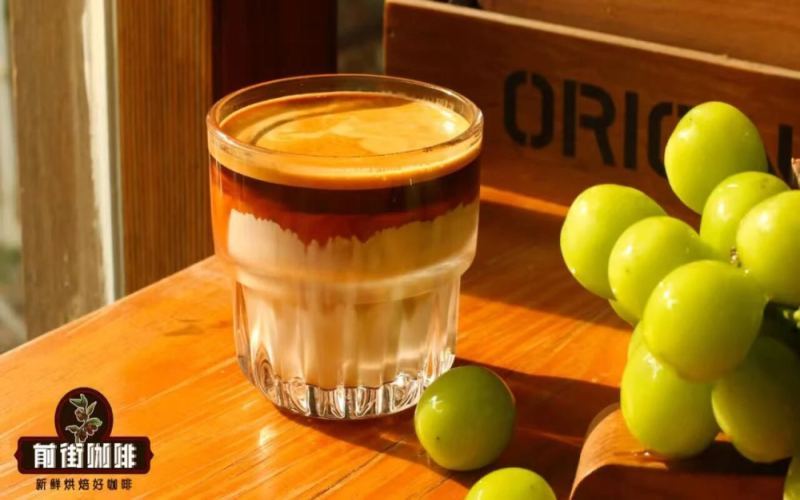
SOE coffee beans emerged in 2007 and had established a firm foothold in the North American market by around 2010. Today, more and more cafés feature them as their seasonal highlight. SOE, or Single Origin Espresso, refers to espresso extracted under high pressure from a single-origin coffee bean using an espresso machine. It is not some mysterious formula—essentially, it simply swaps a blend for a single-origin bean—but the resulting differences in flavor expression, consistency, and price are worth every coffee lover's serious attention. This article will explore the concept, common misconceptions, and key points for bean selection, while also recommending several distinctive, niche SOE beans from Front Street Coffee to help you make a more suitable choice based on your personal taste preferences. [more…]
A Flavor Tasting Guide to Single-Origin Pour-Over Coffee: Eight Selected Micro-Lot Bean Recommendations from Front Street Coffee
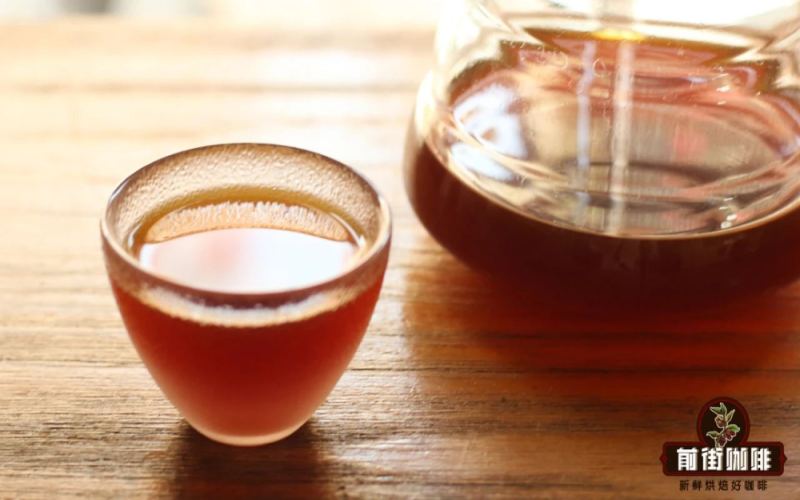
In recent years, the third wave of specialty coffee has swept in, drawing more and more coffee lovers to single-origin coffee. Single-origin coffee refers to beans from a single producing region; these beans are usually of higher quality, and during roasting, adjustments are made specifically according to the characteristics of the origin and variety, striving to restore the coffee's most authentic regional flavor. So how should a cup of high-quality pour-over single-origin coffee be tasted? And where should you start when choosing beans? This article will guide you through the five key steps of tasting pour-over coffee, and, starting from the three major influencing factors of producing region, variety, and processing method, select eight single-origin beans from Front Street Coffee for your reference, covering classic origins such as Ethiopia, Indonesia, Brazil, Costa Rica, Kenya, Colombia, and Panama, to help you find the cup that suits your taste. [more…]
How Do Espresso Beans Differ from Single-Origin Beans? A Comprehensive Analysis from Blending Principles to SOE
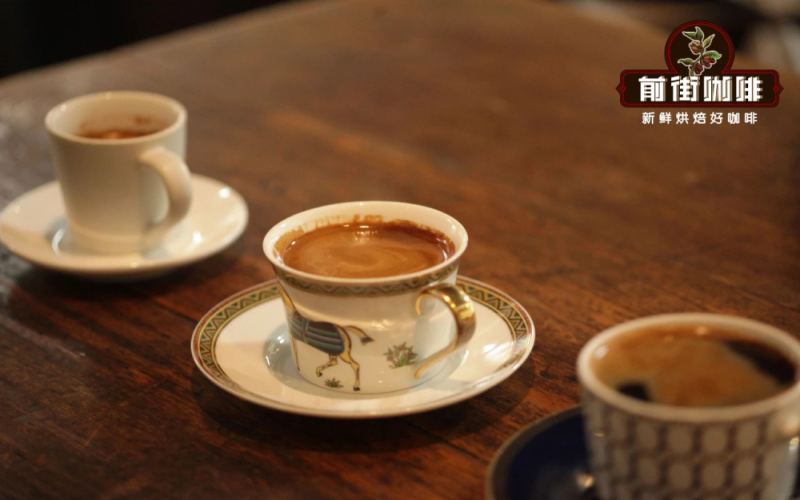
Friends who often drink lattes and cappuccinos may never have thought that the coffee beans used in these drinks and the single-origin beans for pour-over actually follow two different paths. Espresso beans usually refer to the beans used to make Espresso, most of which are blends of coffee from multiple origins in specific proportions, though there are also SOEs made from single-origin beans. Single-origin coffee beans emphasize traceability to a single origin or variety, and are suitable for pour-over, cold drip, and similar methods. The two differ in bean selection, roast level, and flavor expression, and understanding their differences will help you make a more suitable choice based on your own taste and equipment. Starting from Front Street Coffee's actual products, the following article breaks down layer by layer the logic of espresso blending, the characteristics of SOE, and the impact of freshness on flavor. [more…]
How Are Blended Coffee Beans Different from Single-Origin Coffee Beans? Which One Should You Choose for Making Americano
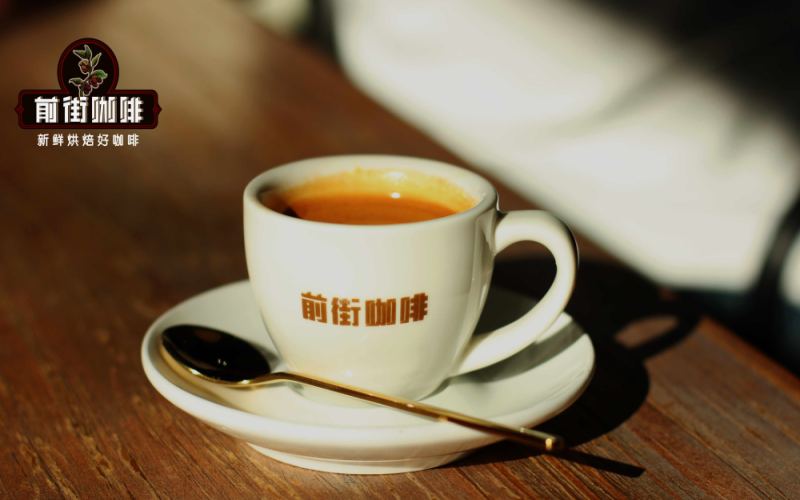
Walking into a coffee shop, you'll often see two options on the menu: blends and single-origin coffees. What exactly is the difference between them? Simply put, single-origin coffee comes from the same region or estate, with a distinct and distinctive flavor profile; blended coffee, on the other hand, combines beans from multiple origins in specific proportions, pursuing balance and consistency in taste. Blending is not random mixing—the blender must, like a painter mixing colors, let different beans complement each other's strengths and weaknesses. Single-origin beans, meanwhile, rely more on the roaster's skill to showcase regional characteristics. So when making an Americano, which is better tasting—a blend or a single-origin? This article will go through the differences between the two in terms of definition, roasting, extraction methods, and specific bean recommendations, and offer purchasing advice suitable for beginners. [more…]
Pour-Over Single-Origin Coffee Tasting | Which Specialty Arabica Coffees Are Good for Pour-Over? 8 Must-Buy, Affordable, High-Quality Single-Origin Pour-Over Coffee Beans for Beginners
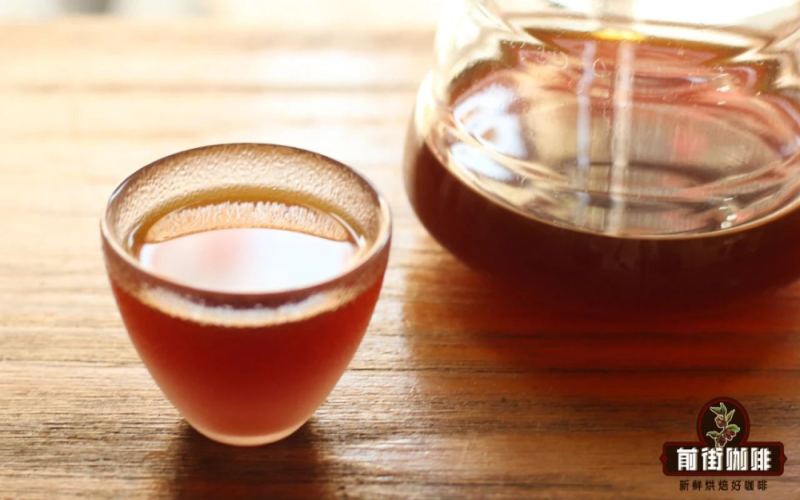
With the rise of third-wave specialty coffee culture in recent years, more and more people have fallen in love with "single-origin coffee." So-called "single-origin coffee" refers to coffee beans from a single growing region, and it usually also means higher-quality coffee; in roasting, adjustments are made to suit the characteristics of the origin and variety, so as to present the coffee in its purest form. [more…]
What Exactly Does Single-Origin Coffee Mean? Clarifying the Differences and Similarities Between Single-Origin and Specialty Coffee, and the Flavor Characteristics of Major Producing Regions
Single-origin coffee refers to coffee made by grinding and brewing beans from a single origin and a single variety, usually without adding creamer. Its flavor is distinctly individual, and it is more worthy of savoring slowly than fancy coffee drinks. It overlaps with, yet differs from, the concept of specialty coffee: specialty coffee emphasizes the exceptional quality that reflects the terroir of a specific region, while single-origin coffee focuses on the purity of the bean source. This article will systematically outline the definition of single-origin coffee and introduce one by one the origins and taste characteristics of classic single-origin beans such as Blue Mountain, Mocha, Mandheling, Colombia, Brazil, and Kilimanjaro, helping coffee enthusiasts build a clear cognitive framework. Front Street Coffee will also provide purchasing references for beginners in this article. [more…]
SOE Single-Origin Espresso | Which pour-over single-origin beans are suitable for making SOE coffee? What are the differences between single-origin pour-over and single-origin espresso?
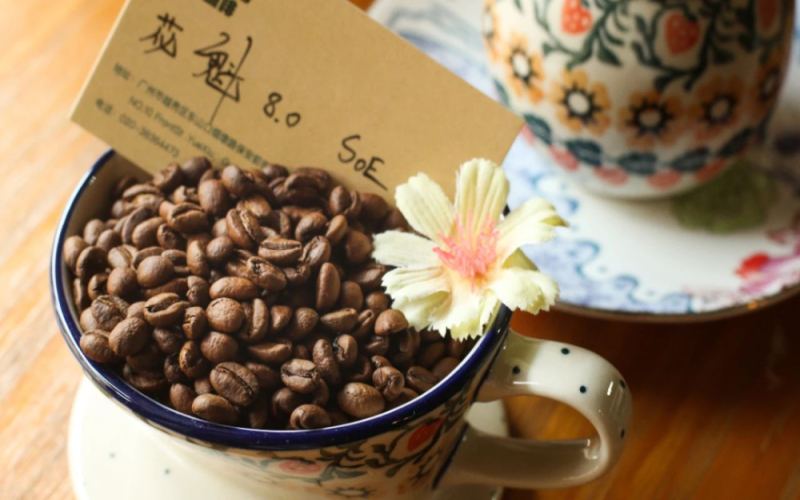
SOE is one of the most popular products in today's specialty coffee shops and coffee chains. It is an espresso extracted from single-origin (single-origin) coffee beans. Its characteristic is that even at a very high concentration, the coffee liquid can still express the unique flavor profile of the coffee's origin. [more…]
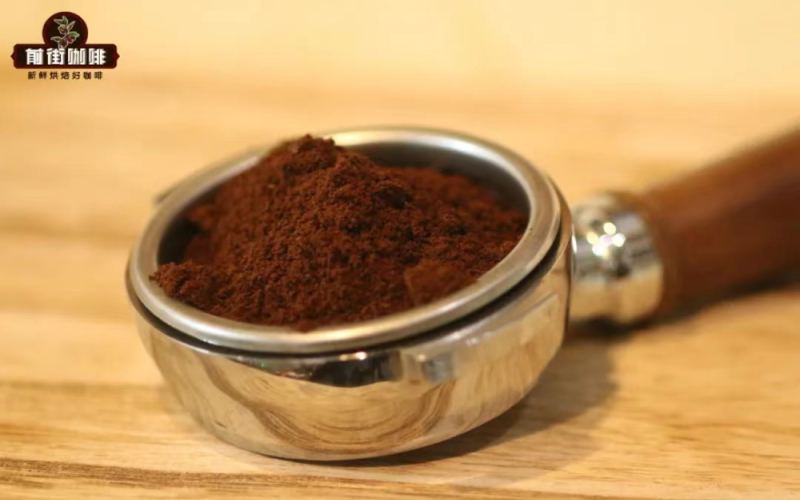
What Is SOE Single-Origin Espresso? Flavor Performance and Bean Selection Tips for Making Espresso with Yirgacheffe Single-Origin Beans
In the specialty coffee world, pour-over usually uses single-origin beans, while espresso mostly uses blends. But can single-origin beans be used to make espresso? The answer is yes—this practice is called SOE (Single Origin Espresso). Because the high-pressure extraction of an espresso machine amplifies the flavor characteristics of the coffee beans, SOE can both highlight origin personality and easily expose flaws. In this article, Front Street Coffee will systematically explain the definition of SOE, its differences from blends and pour-over single-origin beans, key points of roasting and extraction, and recommend coffee beans suitable for making SOE, such as Yirgacheffe Natural Red Cherry, along with specific extraction parameters and flavor descriptions. [more…]
How is SOE different from espresso blends and pour-over single-origin coffees? A comprehensive analysis from flavor stability to extraction parameters
In recent years, the specialty coffee trend has driven the popularity of SOE, and many coffee enthusiasts are curious about how it differs from pour-over single-origin and traditional espresso blends. From the perspective of Front Street Coffee, this article first clarifies the definitions and roasting differences between single-origin coffee and SOE, then explains why SOE flavors tend to fluctuate and why Front Street has long favored blends and single-origin coffees, and finally provides specific brewing parameters and flavor descriptions for the sun-dried Huakui SOE and Front Street's classic blend, helping you judge whether SOE americano is actually good and how to make it at home without messing it up. [more…]
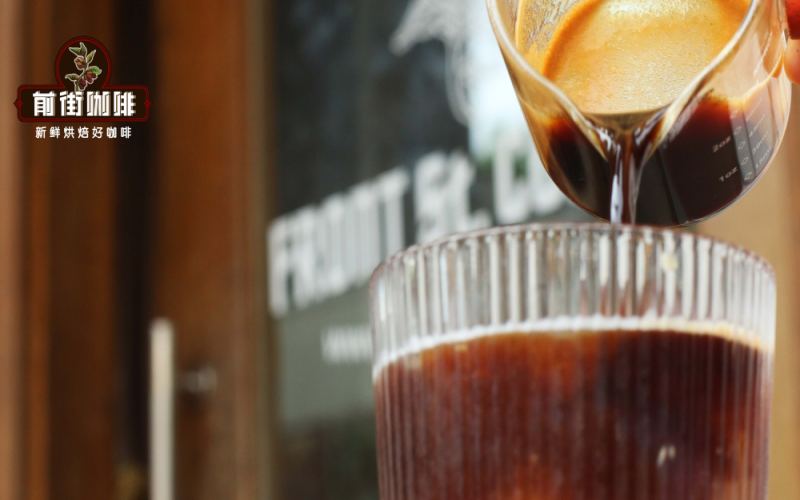
SOE Latte Flavor Characteristics | What Is the Relationship and Difference Between SOE Coffee Beans and Pour-Over Single-Origin Beans? Which Tastes Better, Blended Espresso or Single-Origin Espresso?
For more specialty coffee knowledge, please follow our WeChat public account: FrontStreet Coffee. Some people believe that espresso made from single-origin coffee beans (SOE/Single Origin Espresso) must necessarily be better than [more…]
SOE Single-Origin Espresso Selling Points Explained: A Guide to Choosing Non-Acidic Espresso Beans
Walking into a specialty coffee shop, you'll often see SOE on the menu. It stands for Single Origin Espresso. Many people mistakenly believe that single-origin beans are necessarily superior to blend beans, but is that really true? This article, from the perspective of Front Street Coffee, first explains the extraction principles of espresso, then describes the respective characteristics of single-origin beans and blend beans, and finally recommends five espresso blend beans with different positioning, to help you make a more suitable choice when pursuing a non-sour taste. [more…]
Single-Origin Espresso (SOE) characteristics | Which coffee beans make espresso that isn't sour? Can pour-over single-origin beans be used as SOE coffee beans?
For more specialty coffee knowledge, please follow: Front Street Coffee (Frontsteet Coffee) In some coffee shops, there is such an option, SOE. SOE stands for Single Origin Espresso. Many specialty coffee shops [more…]
What exactly is SOE coffee? How is it different from single-origin coffee beans? A complete guide to single-origin espresso
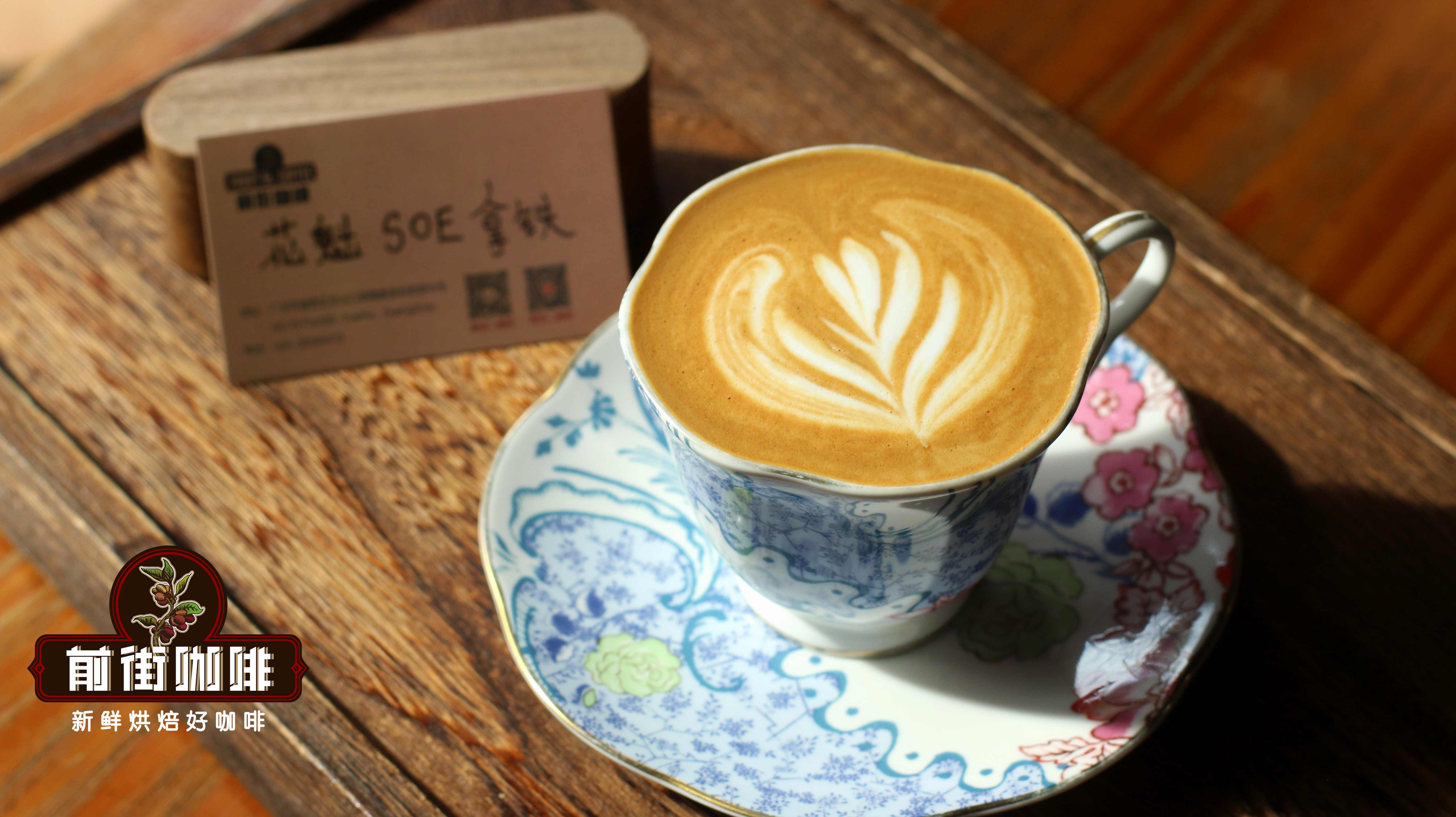
You often see the term SOE on café menus—what exactly does it stand for? And how does it differ from the common espresso blends and pour-over single-origin coffees? This article will give you a systematic understanding of the definition of SOE coffee, its flavor characteristics, historical origins, and which coffee beans are suitable for making SOE. It will also share Front Street Coffee's bean selection recommendations and extraction tips to help you make a cup of distinctive single-origin espresso at home. [more…]

Black Coffee Bean Varieties | What's the Difference Between Single-Origin Pour-Over Beans and Espresso Blend Beans? Can Espresso Blend Coffee Beans Be Used for Pour-Over Black Coffee?
With the development of specialty coffee, more and more people are falling in love with single-origin coffee. Two types of coffee have emerged on the market: single-origin coffee beans and blended coffee beans. Single-origin coffee beans are generally used for making pour-over coffee, though many specialty coffee shops also use single-origin coffee beans to make espresso. Blended coffee beans [more…]
Which is better, Mandheling coffee or espresso? Starting from the flavor differences between blend beans and single-origin beans
Espresso versus Indonesian Mandheling—one is famed for its rich, velvety smoothness, the other for its herbal, spicy flavor. Which one actually tastes better? This question cannot really be answered simply. From the perspective of Front Street Coffee, this article first clarifies the basic concepts of espresso coffee, espresso, and single-origin coffee, then analyzes why espresso blends have become the mainstream choice, as well as the respective pros and cons of SOE and Mandheling espresso. At the end, it also includes recommendations for several popular espresso blends and Mandheling beans available at Front Street, helping you find the cup that suits your personal taste. [more…]
A Comprehensive Analysis of Single-Origin Coffee, Espresso, and Americano: A Complete Guide from Origin Flavors to Classic Specialty Coffee
The world of coffee is far richer than one might imagine. When classified by brewing method, the three common categories are espresso, French press, and American-style, while café menus typically present only two main directions: single-origin and specialty coffee. Single-origin coffee emphasizes the terroir of its place of origin, served without milk or sugar, with Blue Mountain, Brazil, Colombia, and Mandheling each possessing a distinct character; specialty coffee, on the other hand, relies on milk foam, milk, and decorative flavorings, with latte, cappuccino, and Irish coffee each having their own following. This article systematically sorts out the origin characteristics and flavor differences of single-origin coffee, explains in detail the balanced expression of acidity, bitterness, and body in common single-origin beans, and introduces the recipes and taste characteristics of several classic specialty coffees, helping coffee enthusiasts build a clear understanding of coffee classification and find the cup that suits their own taste. [more…]