







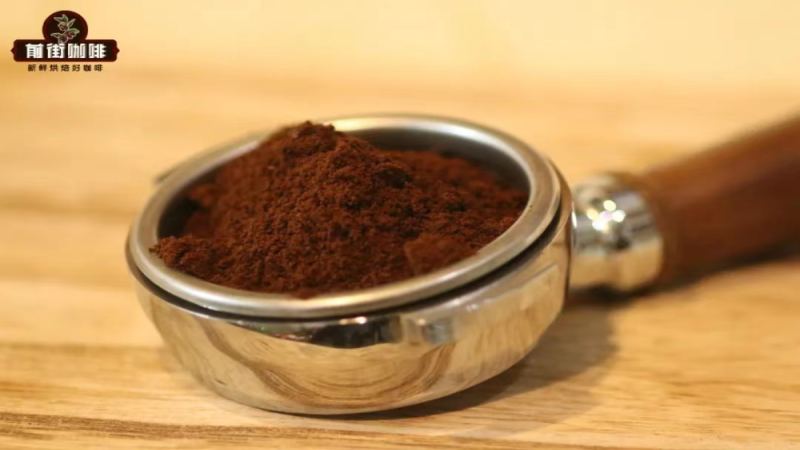
What is SOE coffee and how does it differ from a blend?
SOE stands for Single Origin Espresso, meaning espresso pulled from beans of one origin rather than a blend. Pour-over usually uses single-origin beans and espresso usually uses blends, but a single origin can be used in an espresso machine. High-pressure extraction intensifies the bean's character, so origin personality shows clearly and defects show just as clearly.
Roasting and extraction matter more with soe espresso, because the machine magnifies whatever the bean carries. Beans with strong flavor recognition, such as Yirgacheffe Natural Red Cherry, work well when the roast and parameters are set for espresso. The article covers the definition, the differences from blends and pour-over singles, plus recommended beans and extraction parameters.
In the specialty coffee world, pour-over usually uses single-origin beans, while espresso often uses blended beans. But can single-origin beans be used to make espresso? The answer is yes—this practice is called SOE (Single Origin Espresso), meaning espresso made from a single origin. Because the high-pressure extraction of an espresso machine amplifies the flavor characteristics of the coffee beans, SOE can highlight origin personality but also easily expose defects. In this article, Front Street Coffee will systematically explain the definition of SOE, its differences from blended beans and pour-over single-origin beans, key points of roasting and extraction, and recommend coffee beans suitable for making SOE, such as Yirgacheffe Natural Red Cherry, along with specific extraction parameters and flavor descriptions.
For more specialty coffee information, welcome to follow our WeChat public account: Front Street Coffee (FrontStreet Coffee)
Friends familiar with specialty coffee should know that currently, the beans used for pour-over coffee on the market are basically all from single origins, while espresso typically uses blended beans from multiple origins. This is related to the extraction characteristics of espresso machines. So here's the question: can single-origin beans be used to make espresso? Front Street Coffee (FrontStreet Coffee) can clearly tell everyone: absolutely yes, but this practice has a new name—SOE coffee. Next, Front Street Coffee (FrontStreet Coffee) will guide everyone to understand in detail what SOE coffee actually is.
What is SOE coffee?
SOE is the abbreviation for Single Origin Espresso, which translates to espresso from a single origin. Although the name includes "single origin," it is not equivalent to specialty coffee. If single-origin coffee beans with high flavor recognition are chosen to make SOE, you can get a cup of espresso with a distinct style and typical characteristics.
This is related to the characteristics of espresso machines mentioned earlier by Front Street Coffee (FrontStreet Coffee). During high-pressure extraction, espresso machines amplify the flavors of coffee beans multiple times. So, although SOE uses single-origin beans just like pour-over, the flavor expression is more intense and prominent. Conversely, if the coffee beans themselves have defective flavors, these will also be amplified.
For example, Front Street's Ethiopian Yirgacheffe coffee beans are known for citrus and lemon acidity, and SOE coffee made from them will similarly amplify the citrus and lemon acidity notes; whereas if it's Indonesian Mandheling coffee beans, it will amplify herbal flavors and defective flavors as well.
In addition, factors such as the roast level and grind size of SOE will affect the final flavor presentation. It can be said that the consistency of SOE coffee output is quite poor, which is why Front Street Coffee (FrontStreet Coffee) does not offer SOE coffee to coffee enthusiasts. The original intention of Front Street's shop was to let friends who love Front Street Coffee (FrontStreet Coffee) drink specialty coffee with stable flavors, rather than something that tastes different today and tomorrow.
Moreover, the flavor of coffee beans will show subtle differences with climate changes in the producing areas each year. For example, the flavor of Sidamo Flower Queen changes every year, but the extent of this change is very small. With SOE, if you're not careful, the flavor fluctuation can be very exaggerated and difficult to control.
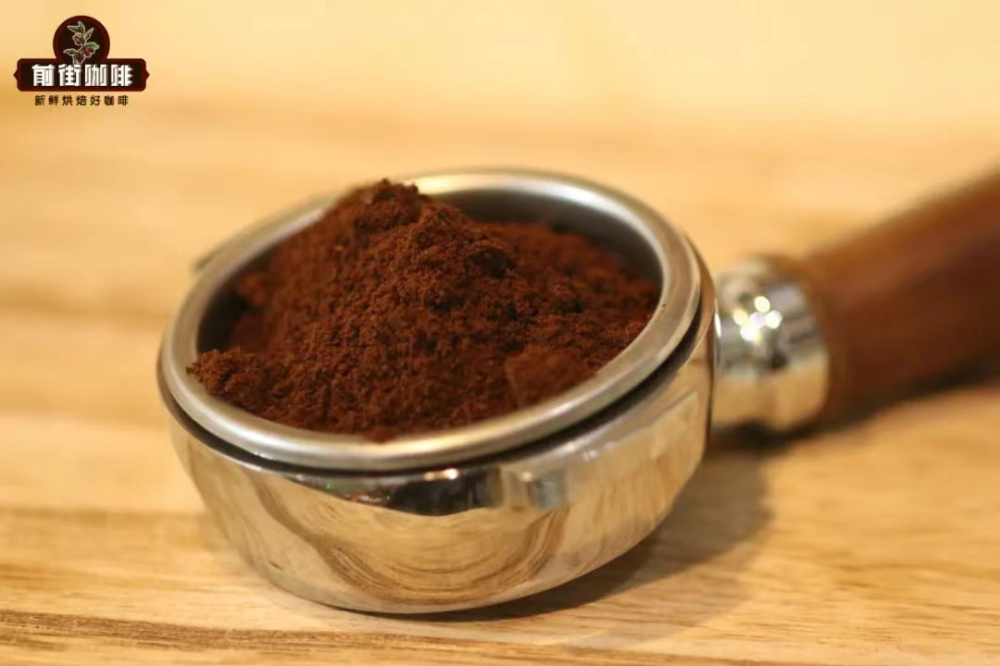
Common ways SOE coffee is presented
Of course, SOE coffee is not as bad as imagined. Many coffee shops that specialize in SOE not only offer SOE espresso but also use SOE as a base to make milk coffee, with equally excellent flavors. Milk can play a neutralizing role, just as espresso blend beans with different proportions of milk can be made into mocha or latte.
So what is the difference between SOE coffee beans and single-origin beans ?
According to what Front Street Coffee (FrontStreet Coffee) said above, making espresso from pour-over single-origin coffee beans is indeed SOE "single origin espresso," but in actual operation, it is far from as simple as imagined.
Compared with blended beans, espresso made from single-origin coffee beans is more likely to taste clear flavors or origin characteristics. Because blended beans mix multiple coffee beans, their greatest advantage lies in balance and stability, but precisely because there are too many combinations, origin flavors are harder to identify.
So compared with traditional blended espresso, SOE should be an espresso that emphasizes flavor personality more. This characteristic determines that when selecting beans for SOE, one should try to choose coffee beans with high and strong flavor recognition. If beans with weaker flavor intensity are chosen for SOE, the resulting espresso will be plain and weak. Imagine a cup of SOE that has neither distinctive features nor the balance and stability of blended beans—wouldn't that be a loss outweighing the gain?
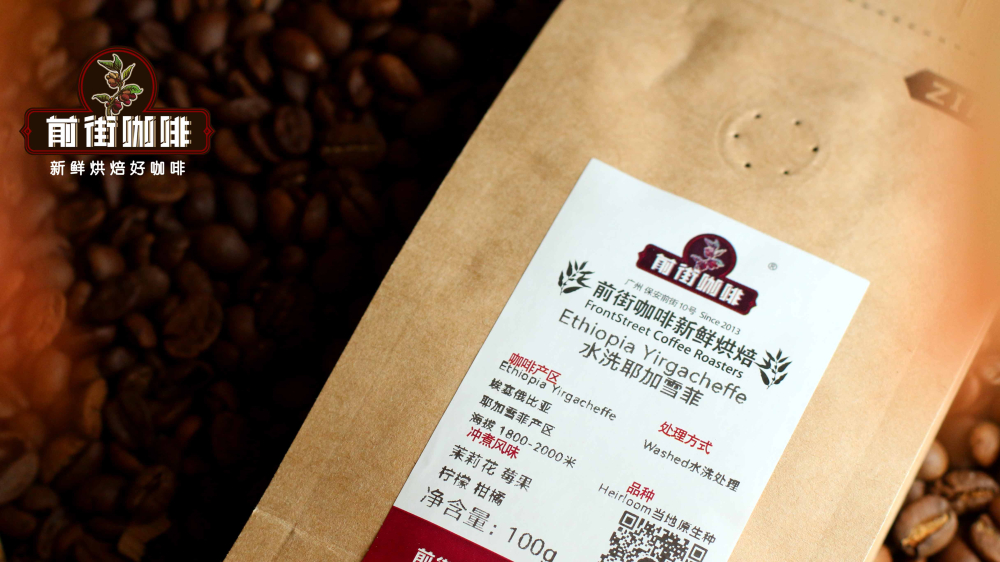
Secondly, the roast level should be neither too dark nor too light. Roasting too dark will greatly diminish origin flavors, while roasting too light will cause the espresso machine to amplify the acidity brought by light roasting under high pressure, easily making the espresso sharp and pungent. Moreover, a lighter roast level makes the coffee beans harder in texture, easily causing under-extraction. Diminishing origin flavors or sharp, unbalanced acidity both go against the original intention of highlighting single-origin flavors. Therefore, for the same bean, the roasting curve for making SOE and the roasting curve for making pour-over should be two different curves.
Therefore, single-origin coffee beans can indeed be used to make SOE coffee, but the roast level needs to be adjusted accordingly, and that is where the difference lies. So, are there any coffee beans suitable for making single-origin SOE? Front Street Coffee (FrontStreet Coffee) will next recommend a few coffee beans suitable for making SOE coffee.
Coffee beans suitable for making SOE
First, Front Street Coffee (FrontStreet Coffee) believes that since SOE single-origin coffee uses single-origin beans, there is no concept of complementarity—it can only highlight origin flavors. If your espresso machine parameters and time control are appropriate, and you've chosen the right coffee beans, you can perfectly showcase the bean's flavors. Conversely, if these aspects are not well controlled, the resulting SOE single-origin coffee will definitely be a failure, and no one will enjoy drinking it.
So, everyone should not underestimate a cup of single-origin coffee; making a cup of SOE coffee is not simple. Even though Front Street does not offer SOE coffee, Front Street has explored this path countless times. First, you need to determine the blend formula and decide what flavor the SOE should present—whether it's the lemon-citrus acidity of Ethiopian Yirgacheffe or the sweetness of Costa Rican honey-processed Bahia. These require Front Street Coffee (FrontStreet Coffee) baristas to slowly explore step by step and then verify whether the final taste meets expectations. Before the formula is finalized, Front Street needs multiple tests and adjustments. So the production process of every cup of SOE coffee is not simple, and the price may be much higher than pour-over coffee, which is reasonable.
At the same time, Front Street Coffee (FrontStreet Coffee) found that many coffee shops like to use Yirgacheffe for SOE, and the extracted floral aroma is very obvious, with a sour taste, which is very suitable for coffee enthusiasts who like acidic flavors. In fact, Front Street has also tried using Ethiopian Red Cherry to make SOE coffee, with 20 grams of powder, 40 milliliters of coffee liquid, and an extraction time of about 27 seconds. The resulting SOE coffee has a quite good taste, moderate body, uplifting acidity, more like citrus and berries, with a faint fermented wine aroma.
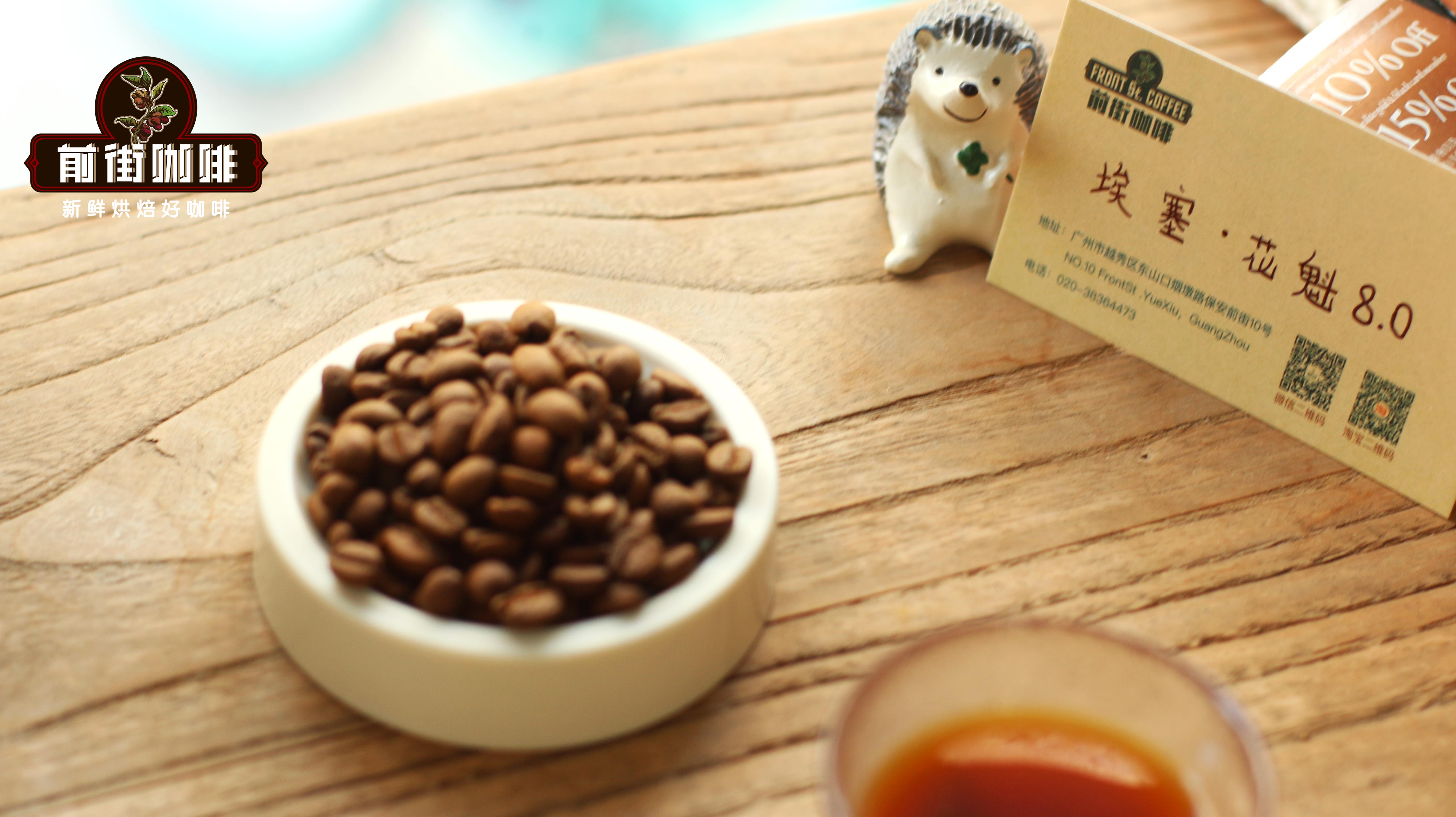
Next, Front Street Coffee (FrontStreet Coffee) will introduce these two SOE single-origin coffee beans separately.
Front Street Coffee (FrontStreet Coffee) Ethiopian Yirgacheffe Natural Red Cherry Coffee Beans
Country: Ethiopia
Region: Yirgacheffe
Altitude: 2300m
Variety: Local heirloom varieties
Processing Method: Natural
Flavor: Berries, lemon, strawberry, fermented wine aroma
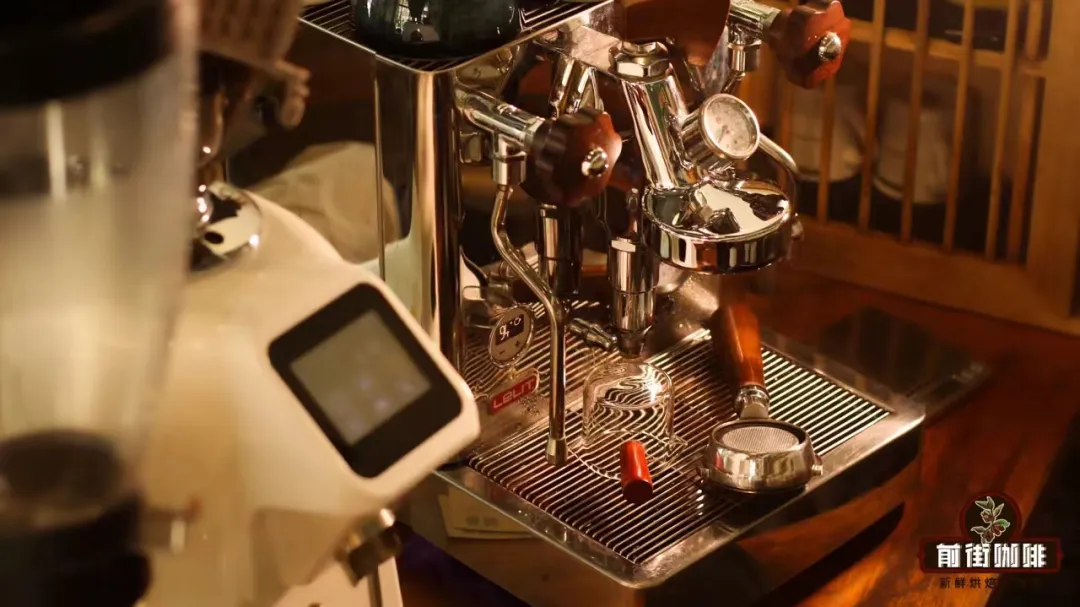
Grind Size: Pegasus 900N #1.7
Dose: 20g
Extraction Yield: 40ml
Extraction Time: 27 seconds
Flavor Description: Citrus, berries, fermented aroma, viscous, medium bitterness, medium-high acidity, bright and lively acidity.
The above content is compiled by CoffeeHunters, a coffee news website.


