







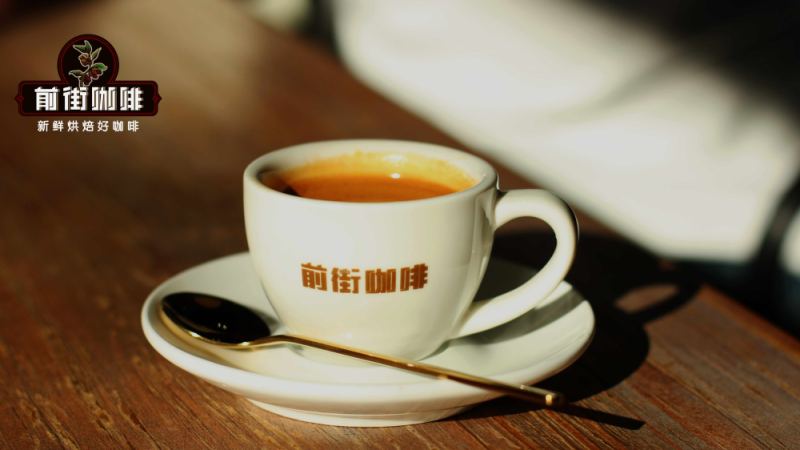
Are blended coffee beans better for making an americano?
Single-origin coffee comes from one region or estate and shows a distinct individual character, while blended coffee beans combine several origins in set proportions to reach balance and consistency. A blend is not a random mix; the blender adjusts each component so the beans complement one another rather than masking each other's aromas. For americano, a blend is the more common choice because extraction stays stable.
Blends are mostly used for espresso and moka pot, where the roast level cannot be too light if the shot is to stay consistent, and the chosen origins must support one another so americanos, lattes and other milk drinks perform well. Even the same bean at different roast levels, or new and aged beans of one variety, can be combined, which extends blending beyond varieties to flavor itself. Get the americano coffee proportions right and the cup stays balanced.
Walk into a café, and you'll often see two options on the menu: blends and single-origin. What exactly is the difference? Simply put, single-origin coffee comes from the same region or estate and has a distinct, individual character; blended coffee combines beans from multiple regions in specific proportions, aiming for balance and consistency of flavor. A blend isn't just a random mixture—the blender must work like a painter mixing colors, letting different beans complement each other's strengths and offset their weaknesses. Single-origin beans, on the other hand, rely more on the roaster's skill to bring out their regional characteristics. So when making an Americano, which is better—a blend or a single-origin? This article will sort through the differences between the two, from definitions and roasting to extraction methods and specific bean recommendations, and offer buying advice suitable for beginners.
In coffee circles, the terms "blend beans" and "single-origin beans" come up almost every day. But why is coffee divided into these two categories? And what does each represent? Today's coffee class at Front Street Coffee will make this clear—the content is very practical, so please take note.
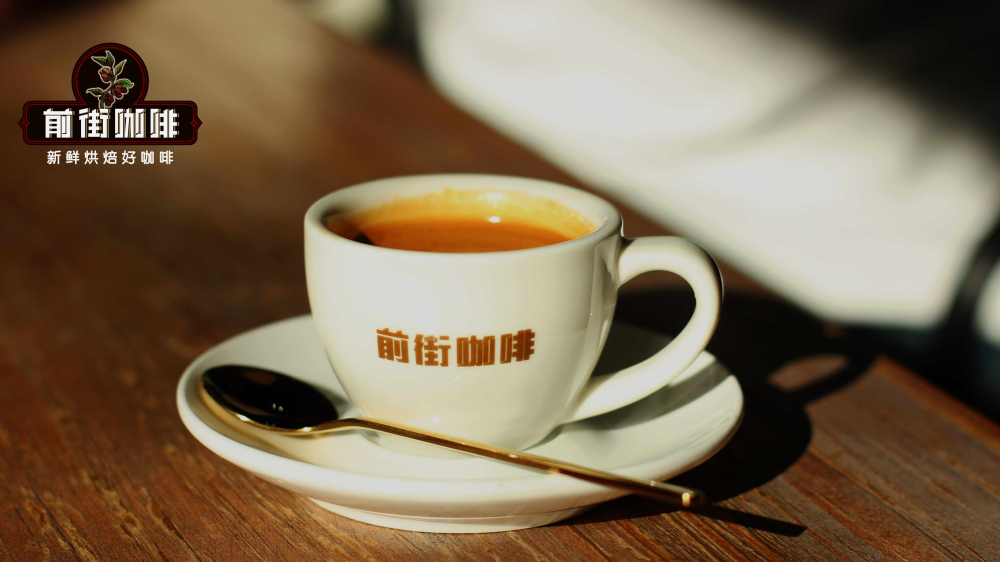
Taken literally, single-origin coffee refers to beans from a single place, usually brewed as black coffee; blend beans are coffees from several regions mixed in certain proportions, mostly used for espresso.
Speaking of blending usually means combining two or more origin beans. But there's a special case: the same coffee bean at different roast levels can also be blended together; even new beans and aged beans of the same variety can be blended. So the "types" in a blend are no longer limited to varieties in the narrow sense, but extend to the level of flavor.
A blend isn't just dumping beans together and calling it done. Sometimes blending two specialty beans can actually suppress each other's unique aromas; it's not simply stacking several specialty coffees. Blending is more like a painter mixing colors on a palette—the blender must adjust according to each bean's characteristics to create a pleasant taste.
Blend beans are mostly used for espresso or moka pot, because to ensure stable extraction the roast level can't be too light, and the selected origins and varieties must complement one another, so that Americanos, lattes, and other milk-based coffees perform better.
For beginners, you can buy Front Street Coffee's Front Street Classic Blend. This is a "Mamba coffee" paying tribute to old flavors, combining Indonesian Mandheling with Brazilian espresso beans—it has both the wild aroma of Mandheling and the smooth mouthfeel of Brazilian beans, complementing and harmonizing with each other in flavor. Front Street Classic Espresso Blend adds Robusta to the Mamba recipe, noticeably boosting the crema, making the body of the espresso more solid and the flavor more stable—suitable for home brewing, and fine for latte art too.
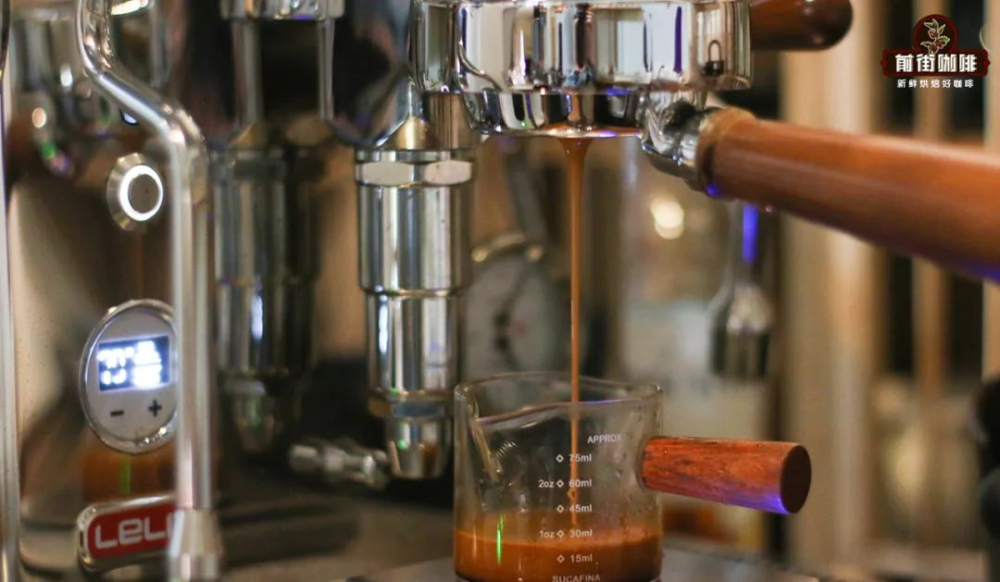
Single-origin coffee actually refers to a single-style coffee from a certain country, region, or estate. Coffee-growing regions span the globe, and bean flavors differ due to local climate and soil. Generally speaking, the coffee's origin is one key point when choosing single-origin beans, and the other is the difference in roasting technique and degree.
Single-origin beans require the roaster to coax out the flavors, but this process incorporates the roaster's personal preferences. For example, if a roaster prefers acidity, the same bean may show different acidity than one roasted by someone else. Because the flavor is prominent, single-origin coffee is usually extracted by pour-over, so you can better appreciate its own aroma.
Take fruity coffees as an example: the most popular Front Street Coffee Huakui has berry and citrus flavors; if you want floral notes, you can buy Front Street Coffee Panama Hacienda La Esmeralda Green Label Geisha, which when brewed presents elegant jasmine, melon, and green tea notes; if you prefer medium-dark roasts, we recommend Front Street Coffee Brazil Queen's Estate, where you can taste rich creamy nuts, roasted peanuts, and sugarcane.
In addition, espresso is a pressurized extraction, which multiplies the bean's own flavors during preparation. If you use light-roasted beans, not only is it easy to underextract, but the taste may also be sour and astringent, so it's advisable to prioritize single-origin beans at medium roast or darker.
Beginners who want to try SOE can start with medium-roasted fruity single-origin beans: if you like a fresh, sweet-and-sour profile, look first at natural-process single-origins from African regions; if you like the floral and fruity notes of Ethiopian coffee, buy Front Street Coffee Natural Huakui SOE; if you want the candied-fruit sweetness of Costa Rica, try Front Street Coffee Mozart SOE; if you want to taste full tropical fruit flavors, we recommend Front Street Coffee Sidra SOE from Colombia.
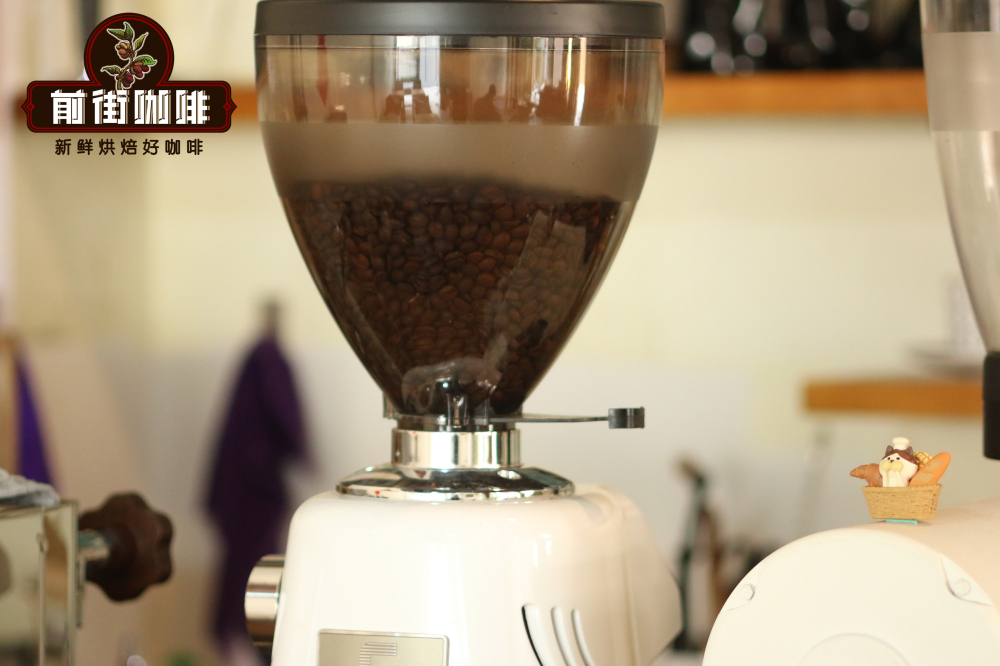
The reason coffee is divided into blends and single-origins is determined by how the beans are combined. Different blending methods bring different tastes, and single-origin coffees from different regions present different flavors—these variations are perhaps the very charm of coffee, always bringing a brand-new taste experience.
As specialty coffee becomes more and more popular, Front Street baristas have noticed in store operations that many customers are no longer satisfied with the consistency that specialty blends provide. After rethinking, Front Street feels it may be time to launch more fresh blends to energize the store's offerings.
The above content is compiled by CoffeeHunters, a coffee news website.


