







For more specialty coffee knowledge, please follow: Front Street Coffee (Frontsteet Coffee)
In some cafés, there is an option called SOE. SOE stands for Single Origin Espresso. Many specialty cafés give people the impression thatsingle-origin coffee beansareespresso blend coffee beansmore premium than. Some friends also come to the Front Street Coffee (FrontStreet Coffee) store wanting to taste the flavor of single-origin espresso, only to learn that Front Street does not serve SOE.
Everyone knows that each single-originpour-over coffee beanhas its own unique flavor. For example, African coffee beans are known for their bright citrus and berry acidity. After careful roasting and brewing with appropriate parameters, these African pour-over coffee beans will reveal their proper flavors.
Before understanding SOE, Front Street needs to explain the principles of making espresso to our friends. Watching a café barista prepare milk coffee, you can often see this scene: quickly dosing grounds into the portafilter basket, distributing, tamping, and brewing, and then an espresso base is ready.

This involves multiple factors: grinding the coffee beans into a very fine powder, leveling the grounds in the portafilter basket, locking it onto the group head, and turning on the brew switch. The espresso machine then uses a high pressure of 9 bars to push nearly boiling hot water through the tightly packed coffee puck, and a rich, viscous coffee liquid drips out.
As long as the extraction parameters are within the proper range, the resulting coffee liquid naturally extracts all the desirable water-soluble substances from the coffee beans into the espresso. However, because the flavor is too concentrated, most people choose to dilute it with milk, water, or other liquids before drinking.
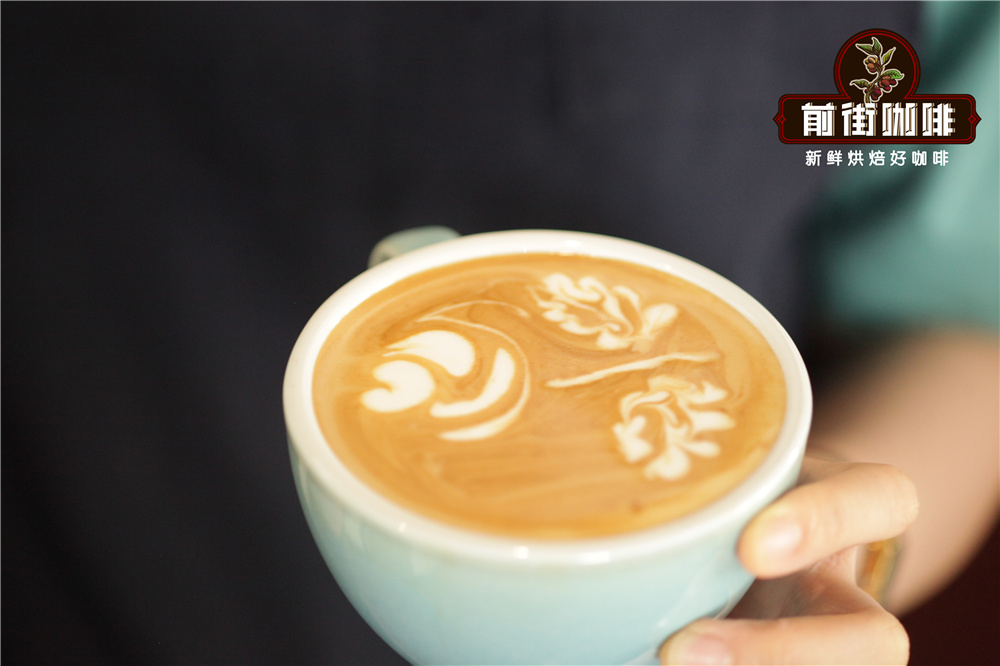
Single-origin coffee beans refer to coffee beans from a single origin or variety. With the third wave of specialty coffee, more and more cafés are offering single-origin coffee. The most important aspect of single-origin coffee is traceability, letting coffee lovers know which unique origin or estate, or even which coffee bean variety, this high-quality coffee comes from. These single-origin coffee beans all carry highly recognizable flavors of their origin, region, and bean variety. It is precisely because the third wave of coffee emphasizes the pursuit of coffee knowledge such as brewing methods and origin flavors that single-origin coffee has become more widespread. Single-origin beans are generally suitable for pour-over, ice drip, and cold brew.
As mentioned earlier, the characteristic of single-origin coffee beans is their ability to present the unique flavors of their origin. For example, Front Street's Kenya beans have a berry acidity. If used to make SOE, both their good and bad flavors would be maximized, and the espresso extracted from Front Street's Kenya single-origin beans might also produce an unpleasant sharp sourness.

Front Street's single-origin coffee beans are roasted with the intention of being used for pour-over coffee. To better let friends experience the beauty of the origin, when friends want to taste espresso at Front Street, the Front Street store will not serve SOE, nor does it recommend using Front Street's pour-over coffee beans asSOE coffee beans. Instead, Front Street's Sunflower Warm Sun espresso blend beans are used.
The so-called blend beans, also known as combined beans, are made by mixing various single-origin coffee beans together, thereby fully bringing out the strengths of each single-origin coffee bean while also masking some defective flavors. A combined blend is made from coffee beans of different origins to create a more balanced taste. For example, if one coffee bean has a mild body lacking in richness, another bean with a full body can be added, so that the advantages of individual coffee beans complement each other, either balancing or enhancing the flavor, thus creating a richer new taste. Sometimes the beans are blended first and then roasted, which is called raw blending; sometimes the beans are roasted first and then blended, which is called roasted blending.
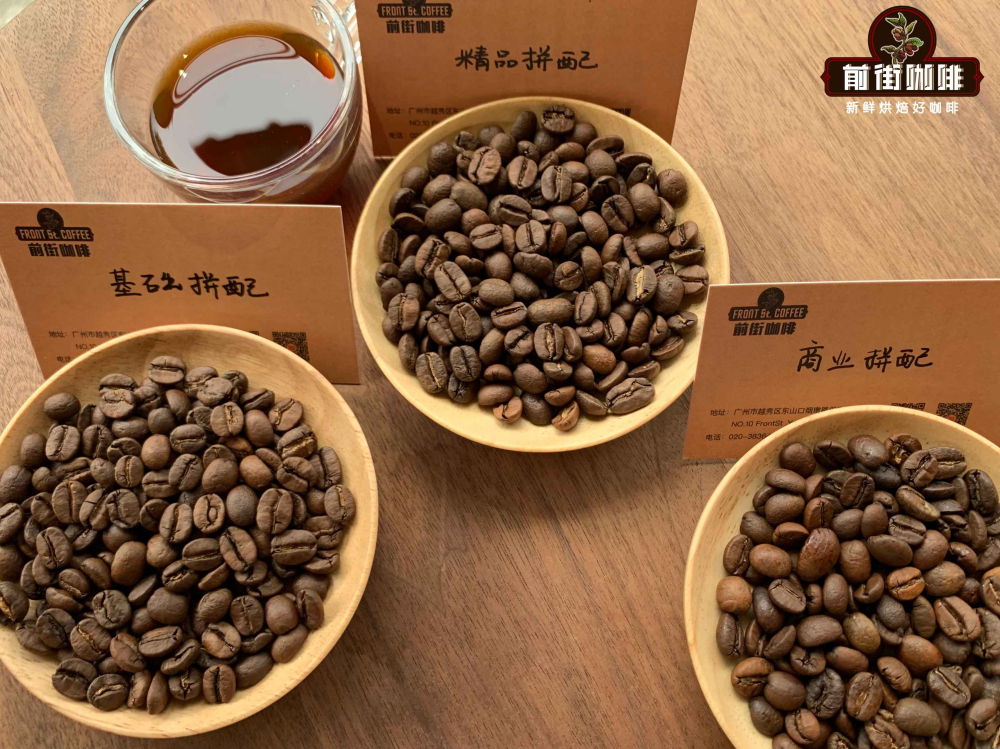
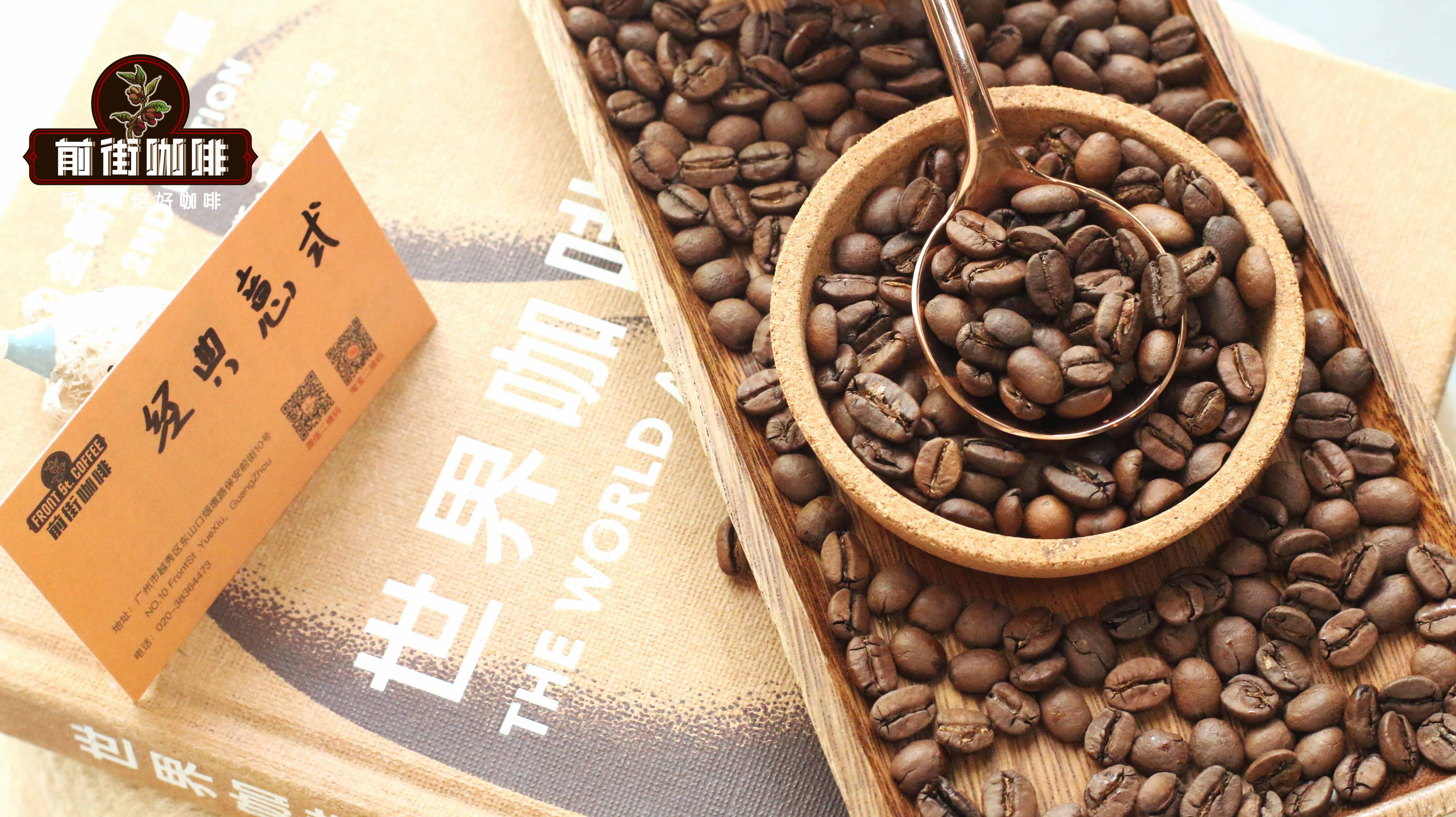
Recently, for friends who enjoy strong coffee, we launched Front Street Classic Espresso Blend, a recipe combining beans from three origins: Brazil, Indonesia, and Vietnam. It uses a dark roast, which maximizes the coffee's rich aroma and allows everyone to easily extract abundant and creamy crema. It is perfect for both Americano diluted with water and Latte paired with milk. It can be purchased at the Front Street Taobao store or the Front Street Tmall flagship store.
Whether raw blending or roasted blending, before formulating a blend, one must first know the flavors of different coffee varieties around the world, as beans from different origins each have their own characteristics. Different coffee beans have different personalities due to different varieties and origins, with subtle differences in acidity, bitterness, sweetness, aroma, body, and other flavors. To create a better blend, the roaster must not only have a thorough understanding of the coffee beans' characteristics but also master advanced roasting techniques. Therefore, creating a good blend is still very difficult.
Generalespresso coffee beansare mostly used for espresso drinks such as Espresso, Americano, Latte, or Cappuccino. The coffee taste is more balanced, smoother, and more consistent, making it more accessible to a wider audience.

At Front Street's store, you can experience a blend that is unmatched on the market, with whiskey aromas—Front Street Sunflower Warm Sun Blend. This special Front Street Warm Sun espresso coffee bean is made from a blend of two single-origin beans. It can be used for both espresso and pour-over. As espresso, it tastes like chocolate; as single-origin, it has bright fruity acidity, a long lingering wine-like charm, and a sweet aftertaste that lingers.

Front Street Coffee (FrontStreet Coffee): Front Street Sunflower Warm Sun Blend Coffee Beans
Origin: Honduras & Ethiopia
Variety: Caturra, Catuai, Pacas, local heirloom varieties
Processing Method: Washed & Natural
This Front Street espresso blend contains rich whiskey aromas because it includes 70% Front Street Honduras Sherry coffee beans. After the coffee cherries are picked, they are immediately washed and then placed in sherry whiskey barrels for low-temperature fermentation for 30 to 40 days. Friends who have tried various single malt whiskeys should know that there are many types of barrels used for aging whiskey: wine barrels, port barrels, bourbon barrels, and sherry barrels. Whiskeys aged in different barrels each carry the flavor of that barrel, which is very unique. Among them, sherry whiskey is the sweetest of all whiskeys. When coffee beans ferment in sherry whiskey barrels, the sherry whiskey aroma compounds in the barrel penetrate into the green coffee beans over time, bringing an alluring whiskey aroma to the final coffee liquid.

In addition, this Front Street espresso blend coffee bean contains 30% Front Street Ethiopian Natural Red Cherry, which provides the berry acidity for this coffee. When paired with milk, the berry acidity further highlights the milk's sweetness. Even when drunk directly as espresso, besides the rich whiskey aroma, you can also taste berry and chocolate flavors, with a thick and smooth mouthfeel.
For more coffee bean information, please follow Coffee Workshop (WeChat official account: cafe_style)
For professional coffee knowledge exchange, please add WeChat ID: kaixinguoguo0925
The above content is compiled by CoffeeHunters, a coffee news website.

