







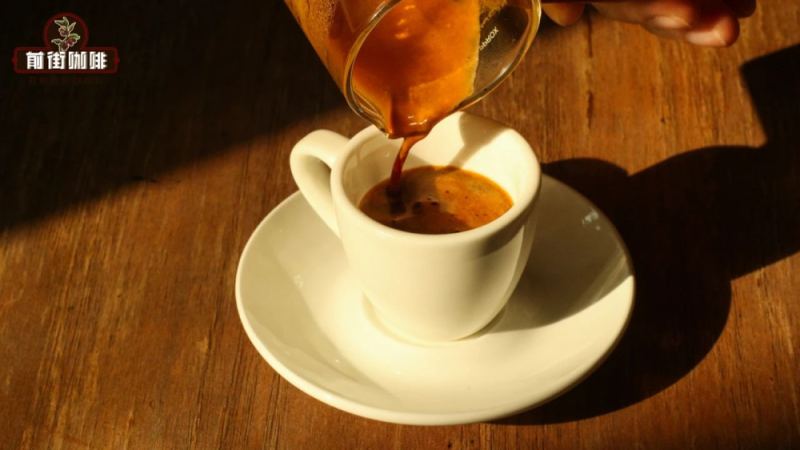
How does Mandheling compare to espresso as an americano?
Single-origin coffee and espresso follow different logics, and the same beans can taste unlike each other once diluted. Mandheling, grown in Indonesia and processed by wet hulling, gives a full body, low acidity and earthy, herbal, sometimes woody notes. Made as a single-origin americano with hot water, it stays heavy and smooth, while a classic espresso blend brings sharper, more bitter punch.
The two categories are often described as fast coffee and slow coffee. Espresso targets efficiency and immediate impact; single-origin coffee traces back to where beans were grown and rewards slower tasting. Single-origin coffee appeared earlier than espresso, and early drinkers even ate the fruit. Which cup suits you depends on whether you want depth and origin character or concentrated intensity.
Which is actually better tasting, Mandheling or espresso? Behind this question lies the fundamental difference between the two major systems of single-origin coffee and espresso. Front Street Coffee (FrontStreet Coffee) starts from coffee history, sorts out the differences between single-origin beans and espresso blend beans in bean selection logic, brewing methods, and flavor expression, and focuses on Mandheling's origin story, wet-hulling process, and the taste characteristics when using it to make SOE and Americano. Whether you prefer the rich and full-bodied Mandheling, or are used to the strong impact of espresso, after understanding these differences, you can find the cup that better suits your taste.
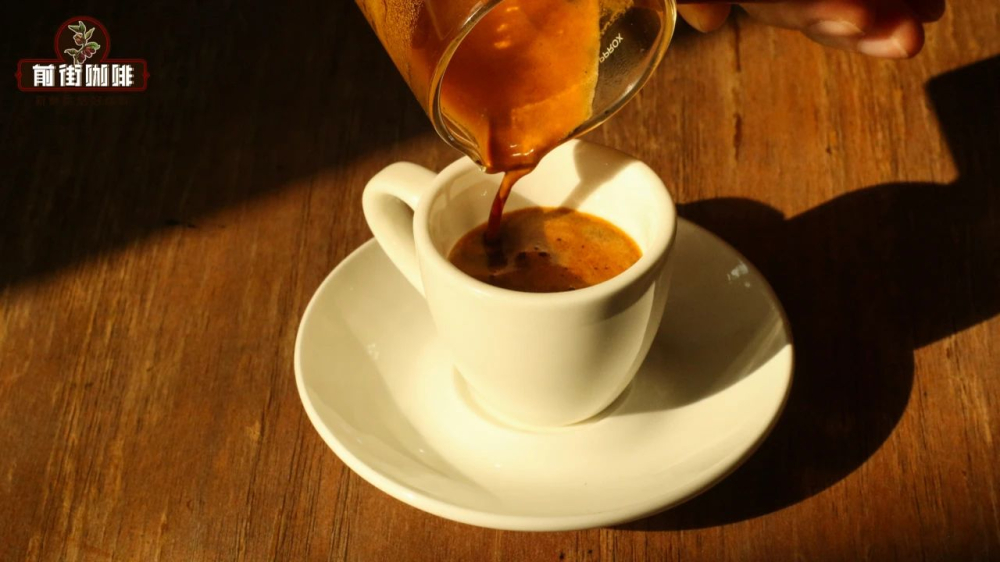
Since we are going to discuss the comparison between Mandheling and espresso, Front Street Coffee (FrontStreet Coffee) believes it is necessary to first clarify the fundamental difference between single-origin coffee and espresso.
From a certain perspective, these two categories can be compared to fast coffee and slow coffee. Espresso pursues efficiency and convenience, bringing satisfaction immediately upon sipping; single-origin coffee leans more toward cultural accumulation and savoring charm, quite similar to the experience of Chinese tea culture. It is worth mentioning that single-origin coffee actually appeared earlier than espresso.
Brief history of coffee:
Single-origin coffee is closer to the original appearance of coffee, and like tea, it carries a long history. The earliest generally recognized written record of coffee appeared around the 6th century BC. The "Legend of the Shepherd" written by Rhazes tells this story: at dusk, a shepherd lit a fire and found that his flock was excitedly jumping around the flames. After investigating the cause, he learned that during the day the sheep had mistakenly eaten a red fruit and become unusually active. The shepherd brought the fruit back and shared it with his companions, and everyone felt its magical refreshing effect. Coffee thus spread from there.
In the early days, the way coffee was drunk was far less varied than today with milk, sugar, cocoa powder, or chocolate. Originally, people even ate coffee fruit directly as food. Because coffee could eliminate fatigue and help restore strength, it was once regarded in the early period as a rather magical medicine. Later it spread to the Arab region. Because Arab merchants traveled long distances year after year, they tried drying and grinding coffee fruit for easy carrying, and only then gradually developed the method of brewing coffee powder with hot water as a drink.
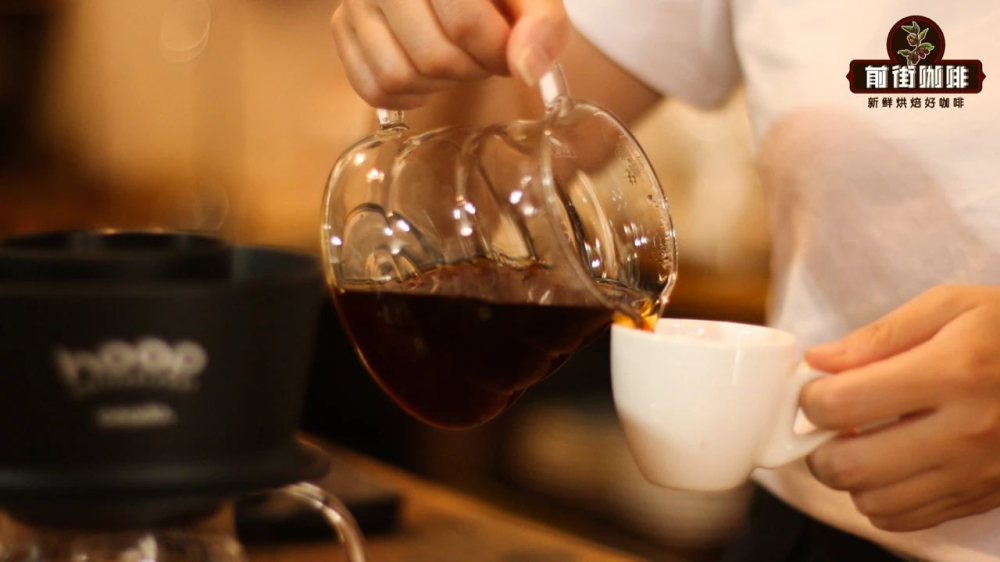
Single-origin coffee:
In Front Street Coffee (FrontStreet Coffee)'s store, a small blackboard is specially set up, listing single-origin coffee beans from around the world. Single-origin coffee, like tea, has a rich classification system. Just as when we talk about green tea, the single broad category of green tea alone contains many varieties, while oolong tea, Tieguanyin, and Longjing, aside from differences in origin, each also has its own individual characteristics and background story.
The same is true for coffee. The well-known Blue Mountain and Kopi Luwak are only a small part of the world of single-origin coffee. Another example is Yirgacheffe, the first choice of many coffee lovers when getting started. Besides having an elegant name, its flavor is clear, sweet, and smooth, and if you look closely at Yirgacheffe coffee beans, compared with beans from some regions, they are rounder and smaller, very appealing. Mandheling also belongs to the ranks of well-known single-origin coffees, famous for its rich body and full, intense flavor and mouthfeel. Of course, compared with the fierce strength of espresso, it still seems much milder.
Many coffees are named after their place of origin and are also regarded as a kind of local representative, more or less intertwined with the historical and cultural development of the local people.
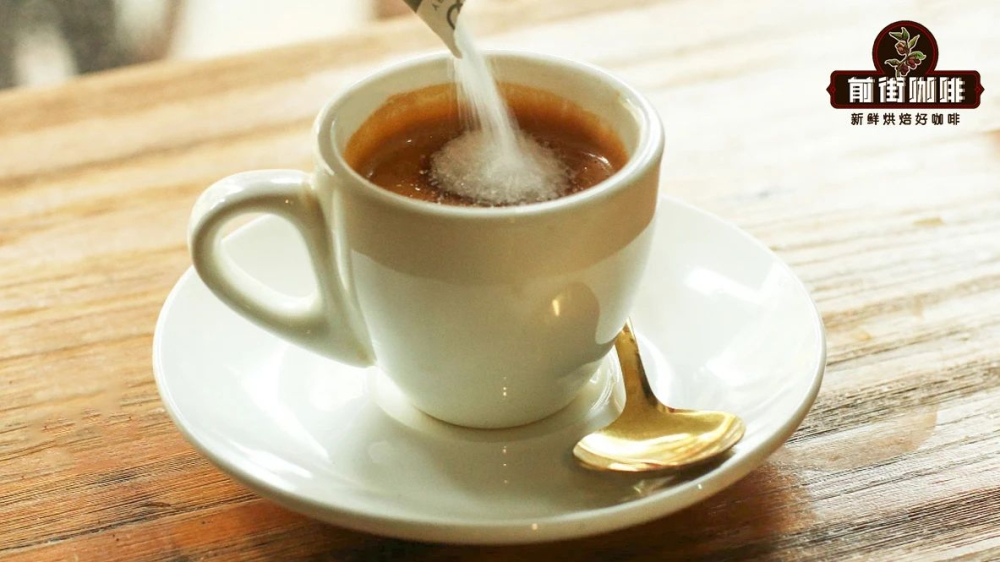
The flavor of single-origin coffee is affected by multiple factors: seed variety, origin terroir, and altitude are innate conditions and fixed, but picking methods, drying and processing techniques, and later the roaster's design based on personal preference and understanding of the beans, plus variables such as grind size, brewing technique, and water temperature after the coffee beans reach the barista, ultimately make every pot of coffee we drink present a different taste. So if you enjoy the process of creation, you can absolutely treat coffee as a highly individual thing to study—changes in water temperature and subtle variations in pouring technique can all create unique flavors. When producing in-store, Front Street Coffee (FrontStreet Coffee) tries to standardize all controllable factors, such as fixing the dripper model, water temperature, grind size, coffee-to-water ratio, dose, and brewing time, in order to let every customer clearly distinguish the differences between each bean.
Espresso:
Espresso is essentially Italian espresso, and understanding it this way makes it much simpler. It was born in Italy, and that is also where it got its name. Besides being a cultural symbol, espresso is more accurately one of the products of the Industrial Revolution. In the 18th century, the Second Industrial Revolution began, the steam age arrived, and the invention and large-scale application of the steam engine gave rise to the first generation of steam coffee machines, and espresso came into being along with them.
Espresso usually uses blend beans, but single-origin beans can also be used. For example, the Mandheling mentioned earlier can be used to make SOE, that is, single-origin espresso, and adding water makes it an Americano.
In fact, it can be understood this way: espresso is a method of preparation, only compared with single-origin coffee, it has additional particularities in the selection of coffee beans. Single-origin coffee refers to coffee of a single variety, and we use specific preparation methods to taste the various flavors presented by this bean.
Some coffee shops use combined beans (Robusta plus Arabica) when making espresso, which simply means mixing better-quality beans with slightly lower-quality beans. But good and bad here are not meant to cut corners. Robusta is not a low-quality bean either, it is just that its quality is indeed slightly inferior to Arabica. However, Robusta is very suitable for dark roasting, has high oil output, and a thick, intense taste. Paired with milk, sugar, and other additions, it becomes even more delicious, so it is more suitable for espresso. Conversely, if Robusta is used as a single-origin bean, you can clearly taste unpleasant flavors, such as rubbery notes and bitterness.
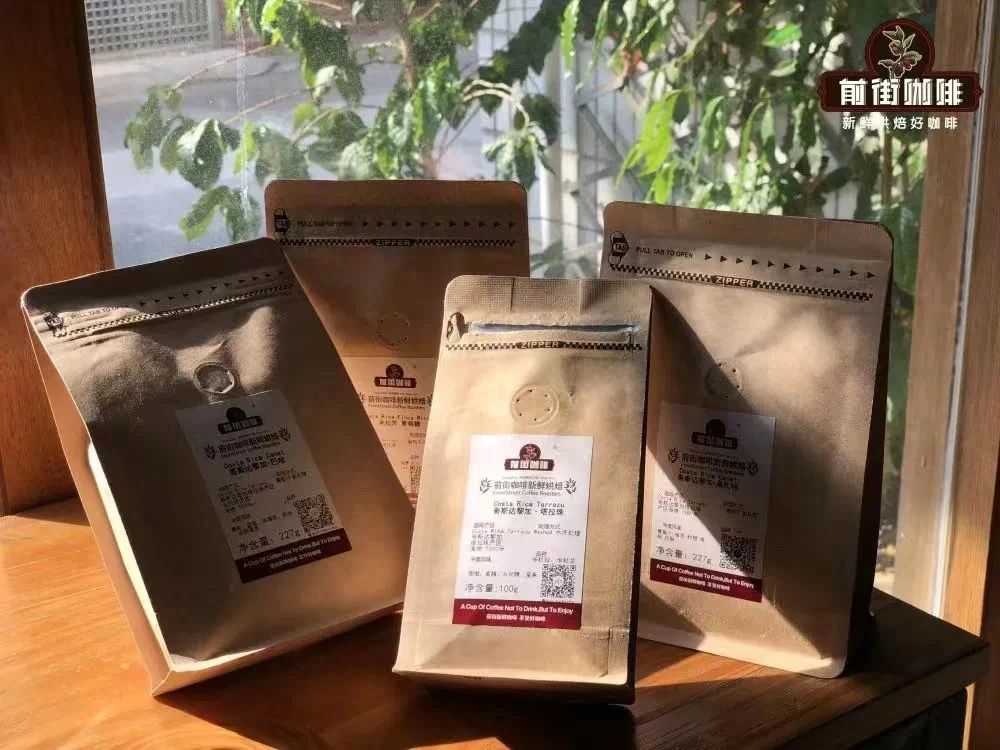
However, nowadays, in pursuit of better coffee taste, many coffee shops have also begun to choose high-end Arabica single-origin beans, using them for espresso after screening and roasting adjustments. For example, espresso blend beans are intended to give full play to the strengths of various single-origin beans. Blend beans are made by mixing coffee beans from different origins, seeking to integrate the characteristics of each origin and make the flavor more balanced.
The espresso beans used in Front Street Coffee (FrontStreet Coffee)'s store are Warm Sun Blend, composed of 70% Honduras Sherry and 40% sun-dried Yirgacheffe Red Cherry. The resulting espresso has a distinct fermented wine aroma. On the palate you can feel the acidity of citrus and berries, accompanied by the aroma of whiskey, with a finish of dark chocolate. When made by pour-over, the flavor is not as concentrated as espresso. After brewing, it presents fermented wine aroma and a light citrus fragrance. At high temperature, there are obvious wine aromas and a dark chocolate finish, and as the temperature drops, it slightly reveals the acidity of citrus and berries, overall clean and fresh.
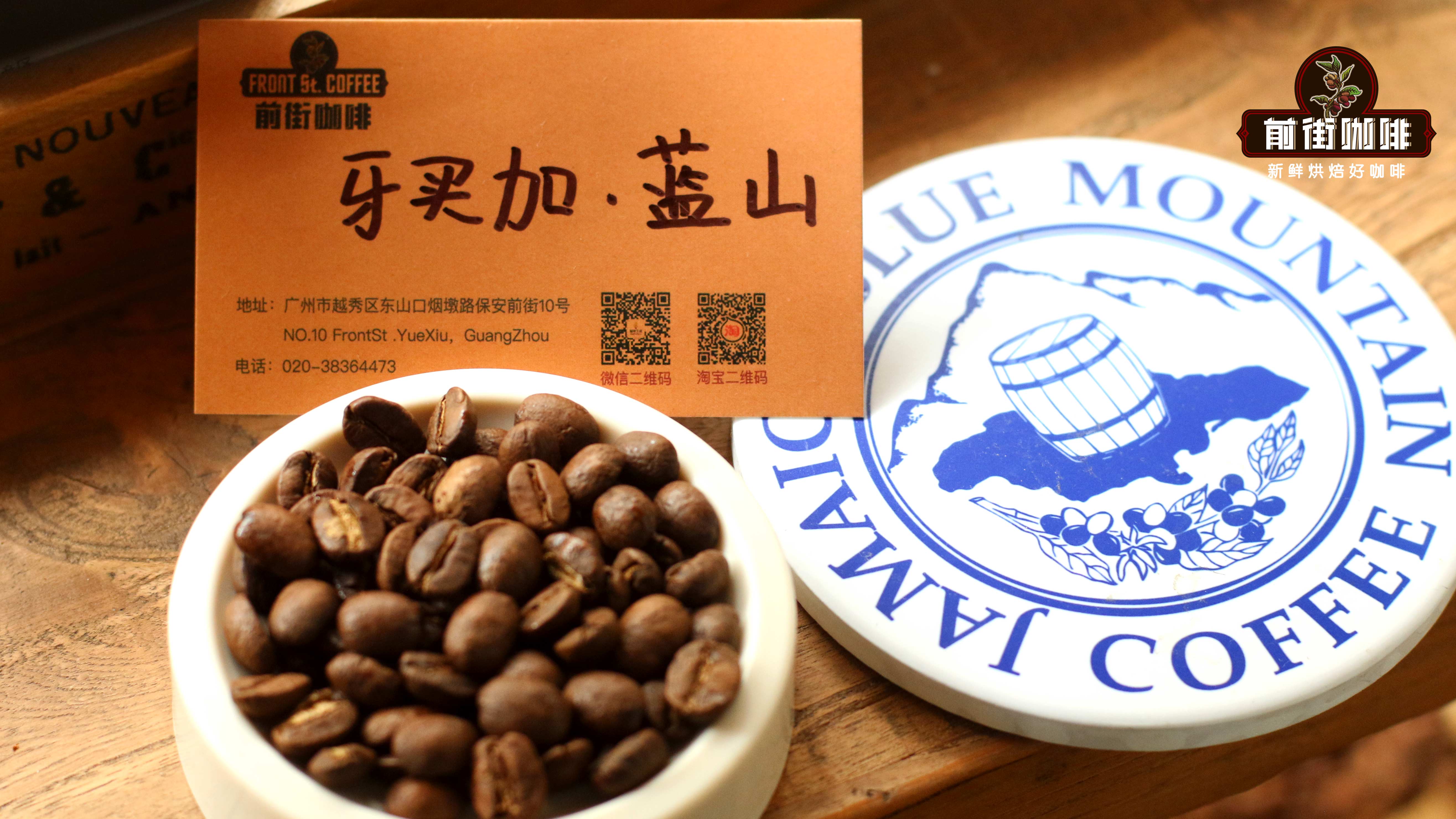
Although espresso is produced by a coffee machine and seems to require less technical skill, in fact this is not the case. Espresso requires specific water pressure and air pressure to complete a cup of rich, full-bodied espresso base liquid, and the various coffee drinks afterward are all made by adding milk and flavored syrups to the espresso. Whether it tastes good or not all depends on this cup of espresso as the foundation. Perhaps you cannot taste an obvious difference, but the barista's operation of the extraction handle, the dose, the pressing force, the amount of base liquid extracted, and even the choice of milk all directly affect the final taste of the coffee.
Mandheling coffee:
After the detailed explanation above, I believe everyone already understands what espresso is and what single-origin coffee is, and the difference between the two should also be very clear. So what exactly is Mandheling coffee? Mandheling is one member of single-origin coffee. Wikipedia defines espresso as the coffee liquid obtained by forcing nearly boiling hot water through a fine bed of coffee grounds at 9 bar pressure. In other words, Mandheling can also be made into espresso, and this practice of using a single coffee bean is what we call "SOE"—"Single Origin Espresso," that is, single-origin espresso.
Front Street Coffee (FrontStreet Coffee) will first introduce this coffee bean, Mandheling.
Front Street Coffee (FrontStreet Coffee): Front Street PWN Golden Mandheling Coffee beans Region: Gayo Mountain, Aceh, North Sumatra, Indonesia Altitude: 1100m-1600m Variety: Ateng Processing method: Wet-hulled
Mandheling's place of origin is Indonesia. During the period when the Japanese army colonized Indonesia, a Japanese soldier drank a cup of coffee that he could not forget for a long time, so he casually asked the shopkeeper what kind of coffee this was. The shopkeeper mistakenly thought the other party was asking where he was from, so he answered "Mandailing," and because of the pronunciation deviation, the Japanese soldier said it as "Mandheling." After the war, this soldier found a local to help him look for "Mandheling." And this local was exactly the owner of the Indonesian PWN company (Pwani Coffee Company) mentioned below. This company was the first enterprise to export Golden Mandheling coffee beans to Japan. For many years, Front Street Coffee (FrontStreet Coffee) has consistently selected Front Street PWN Golden Mandheling. PWN's packaging also changed from the original 60 kg per bag to 30 kg per bag, and the production area changed from Lintong to Gayo Mountain.
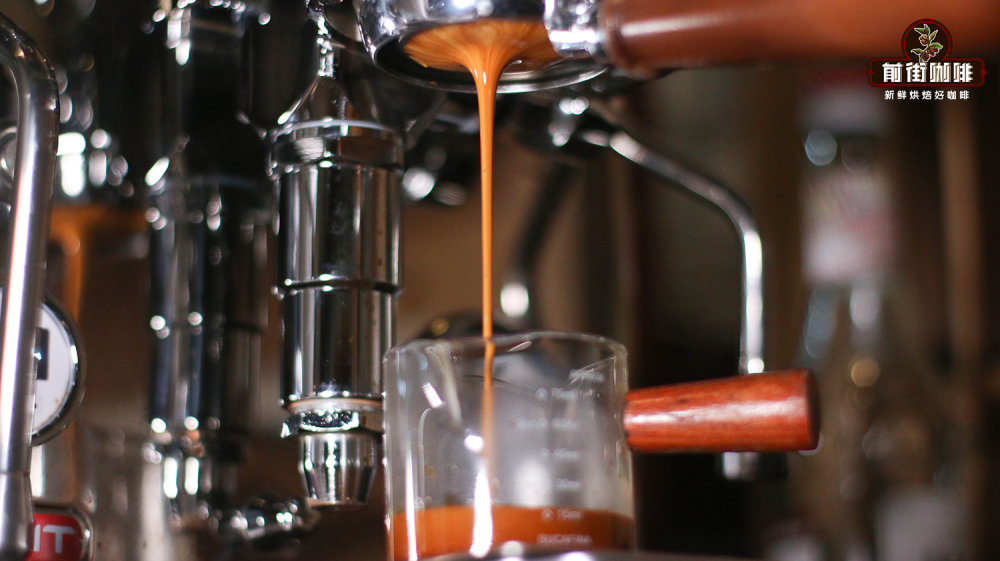
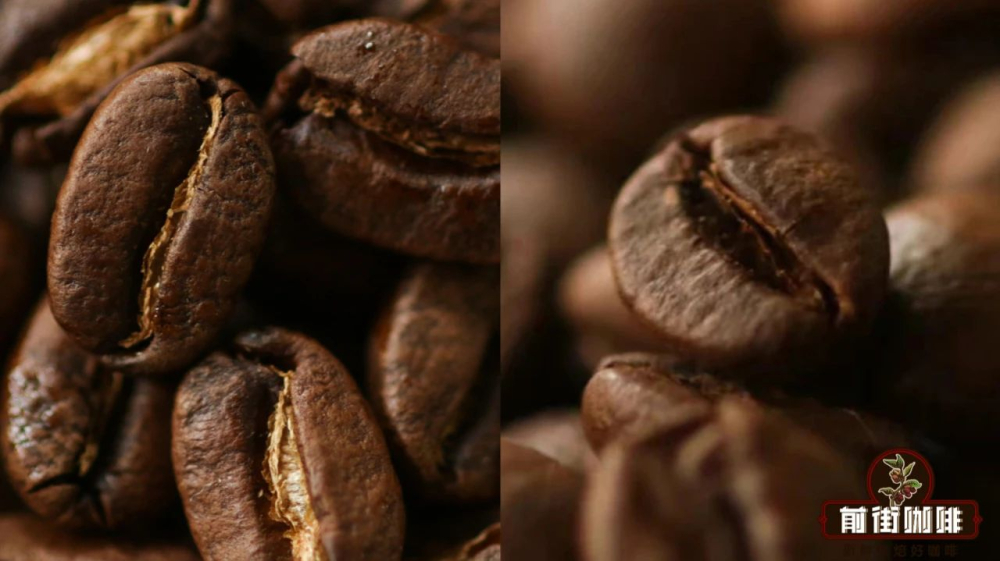
Mandheling's special flavor is closely related to its processing method. Mandheling mostly uses Sumatra's unique wet-hulling method to process coffee beans. The reason is that Indonesia has frequent rain and typhoons year-round, which cannot satisfy the drying conditions required for natural sun-drying, and the local economic conditions are limited, making it difficult to bear the higher cost of the washed method. Thus this semi-washed processing method emerged. Mandheling's unique herbal aroma, aged wood notes, low acidity, and thick mouthfeel precisely benefit from this unique three-stage drying process with mucilage layer.
Front Street Coffee (FrontStreet Coffee)'s pour-over brewing suggestions
Dripper: Kono Water temperature: 88℃ Dose: 15 grams Coffee-to-water ratio: 1:15 Grind size: 70%-75% passing rate on China standard No. 20 sieve
Brewing method: Front Street Coffee (FrontStreet Coffee) uses staged extraction. First use 30 grams of water to bloom for 30 seconds, then pour in a small stream in circles until 125 grams for the stage break. When the water level drops and is about to expose the coffee bed, continue pouring until 225 grams and stop. When the water level drops again and is about to expose the coffee bed, remove the dripper. (Start timing from the beginning of the bloom.) The extraction time is 2 minutes.
Golden Mandheling flavor description: nuts, spices, herbs, licorice, chocolate, caramel; the flavor is clean and gentle.
So as for the question of whether Mandheling or espresso tastes better, Front Street Coffee (FrontStreet Coffee) believes that after understanding what single-origin espresso, espresso, and single-origin coffee are, everyone should already have an answer in mind. As for whether Mandheling can make Americano, of course it can! Americano, plainly speaking, is just espresso plus water. Whatever flavor you want, you should choose coffee beans with the corresponding flavor to extract.
Professional coffee knowledge exchange More coffee bean information Please follow Coffee Workshop (WeChat public account cafe_style)
For more specialty coffee beans, please add the private WeChat Front Street Coffee (FrontStreet Coffee), WeChat ID: kaixinguoguo0925
The above content is compiled by CoffeeHunters, a coffee news website.


