







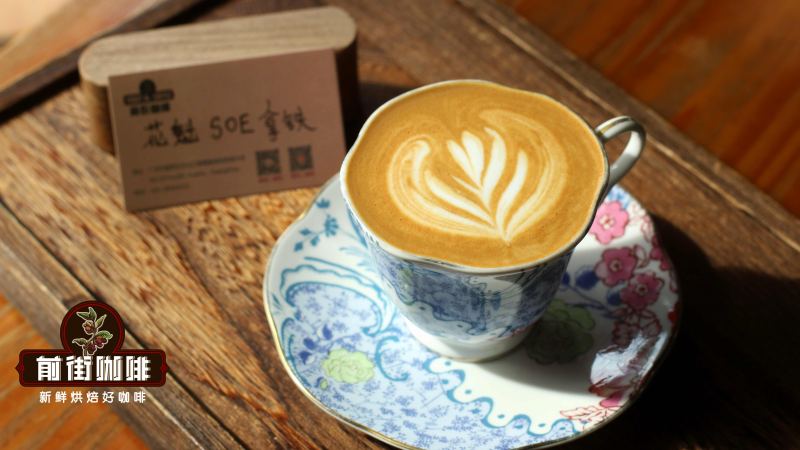
What is SOE coffee and how does it differ from blends?
SOE stands for Single Origin Espresso, espresso pulled from beans of one origin rather than a blend. Its aim is to show that origin's signature flavor, so cafés often use lighter roasts. Ethiopian Yirgacheffe can read as jasmine and citrus, Kenyan washed beans as black plum and dark berries. Darker options exist too, such as Colombian dark chocolate or Brazilian caramel.
Traditional espresso blends combine two or more origins for balance, stable extraction and lower cost. SOE reverses that logic: roasting and extraction are built around one origin's character. Because the cup depends on terroir, processing, roast level and brewing parameters together, roasters tend to select higher-quality lots for soe coffee beans, which raises cost and price compared with blended espresso.
You often see the term SOE on café menus—what exactly does it stand for? And how does it differ from the familiar espresso blends and pour-over single-origin coffees? This article will give you a systematic understanding of the definition, flavor characteristics, and historical origins of SOE coffee, as well as which coffee beans are suitable for making SOE. It will also share Front Street Coffee's bean selection advice and extraction tips to help you make a distinctive single-origin espresso at home.
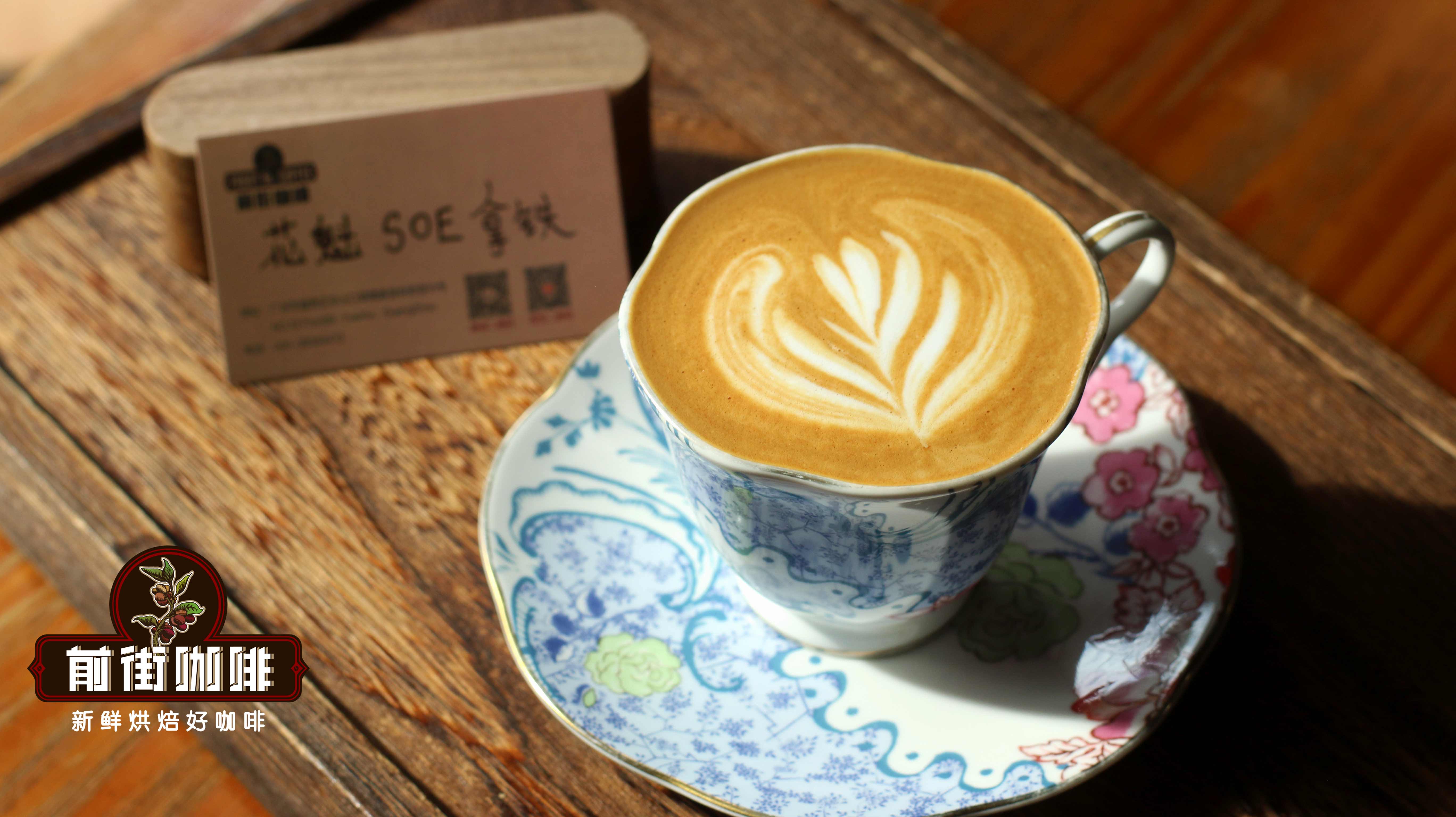
What is SOE coffee?
SOE is the abbreviation of Single Origin Espresso, commonly known in Chinese as "single-origin espresso." Its core pursuit is to showcase the signature flavor of a specific coffee origin. In other words, it uses single-origin coffee beans to make espresso, and the corresponding concept is espresso made from blended beans.
Most SOE items labeled on café menus use beans with a lighter roast level, aiming to highlight the unique floral and fruity acidity of that region. For example, Ethiopian Yirgacheffe often presents jasmine floral notes and citrus acidity, while Kenyan washed beans carry acidity reminiscent of black plum and dark berries. Of course, some cafés also offer darker-roasted nutty SOEs, such as the dark chocolate sweetness of Colombian coffee, or the creamy, caramel-like richness of Brazilian coffee. Using these distinctive SOEs as a base, you can create a variety of coffee drinks such as lattes, Americanos, and flat whites.
What are the characteristics of SOE?
In traditional practice, bean suppliers blend coffee beans from two or more origins to create a new blend, which achieves balanced flavor, stable extraction, and lower costs. SOE takes a completely different approach from blended coffee—it emphasizes the origin, and everything from roasting to extraction revolves around the distinctive flavors of that origin.
The flavor of a cup of coffee is influenced by many factors: the terroir of the growing conditions, the processing method, the roast level, the brewing technique and parameters, and so on. To make the flavor in the cup more outstanding, merchants must select higher-quality coffee lots to produce it, and the cost and price will naturally increase accordingly.
When blending coffee, roasters tend to deepen the roast level to make the flavor more balanced and stable, while also masking some quality defects in the coffee beans. But SOE needs to showcase a distinct flavor personality, so the roast level is usually not too dark—otherwise the extracted espresso lacks persuasiveness. At the same time, it doesn't pursue a light roast like pour-over single-origin does, because at high concentration it easily produces a harsh, astringent acidity. Therefore, SOE requires a dedicated roasting curve, combined with corresponding extraction parameters, to present the quality flavors of the origin.
Where did SOE come from?
With the arrival of the specialty coffee wave, more and more high-quality single-origin coffee beans have been placed on the menus of major coffee shops—Front Street's bean list, for instance, takes up an entire large blackboard. Some baristas competing in championships, when making espresso, were no longer satisfied with balanced blended beans and instead tried using high-quality single-origin coffee as the raw material. After repeatedly testing brewing parameters, they extracted a highly recognizable espresso that added considerable flair to their competition performance. Combined with the widespread dissemination of videos and images in the media in recent years, making espresso with single-origin coffee has gradually become a new trend.
In fact, SOE is not something that only emerged in recent years. In the era when espresso first became popular, cafés around the world all used single-origin coffee beans—they just didn't deliberately emphasize it at the time. Later, as coffee consumption demand continued to grow, coffee quality across different regions became uneven, and flavor and consistency were hard to guarantee. To avoid the negative effects of low-quality coffee, some merchants began blending beans from different origins to make the taste more stable. In recent years, as the specialty coffee atmosphere has grown stronger, coffee professionals have begun to value traceability of coffee beans, hoping to drink espresso made from beans of well-known specialty origins, and thus SOE became popular again.
Which coffee beans make good SOE?
Front Street believes that drinking coffee is a very subjective matter, and everyone's taste preferences are different. Front Street recommends three different flavor-type coffee beans here, and you can choose according to the taste profile you prefer.
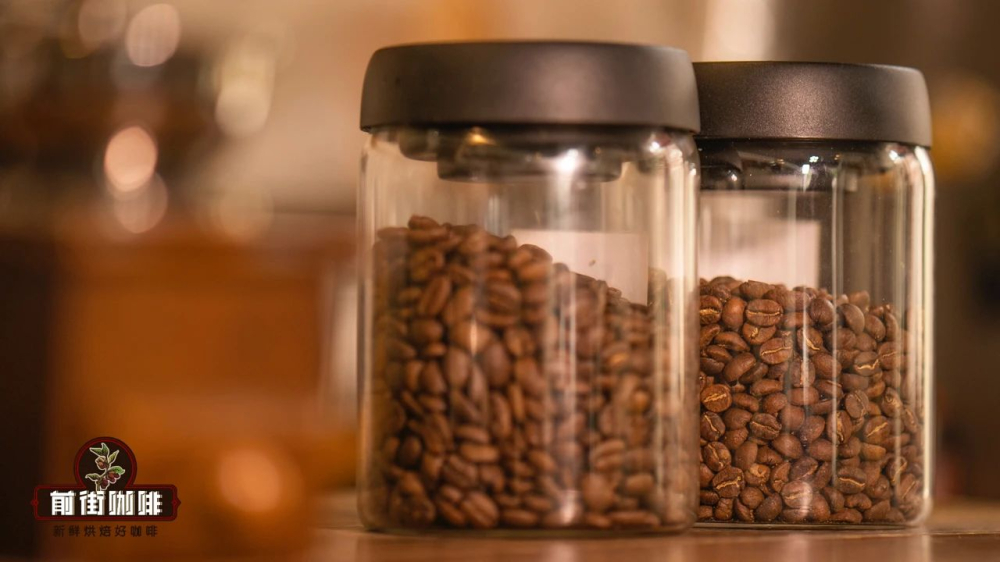
If you want a single-origin coffee dominated by fruity sweetness and acidity, a medium roast level will be used. Purchase Front Street . Huakui SOE Coffee Beans , and the flavor will present the bright sweet-and-sour notes of various fruits.
Purchase medium-dark roasted Front Street . Brazil Queen's Farm SOE Coffee Beans to make espresso. The espresso will have thick crema, rich hazelnut aroma; the Americano will be crisp and sweet; and the latte will be smooth with cocoa notes.
Tips for making SOE
No matter what method is used to extract a coffee bean, Front Street believes that freshness is very crucial. If you use coffee beans roasted more than a month ago, some of the aroma may already have been lost, and an unpleasant woody taste may have developed. Front Street hopes that every customer who places an order can taste the coffee's aroma at its optimal flavor period, so it ensures that only beans freshly roasted within 5 days are shipped. To make better-flavored SOE coffee, Front Street recommends choosing freshly roasted single-origin coffee beans.
Additionally, when we use lighter-roasted coffee beans to extract SOE, because the beans have been roasted for a shorter time, their internal texture is still relatively hard, making the flavor harder to extract. Therefore, extraction parameters need to be adjusted to increase the extraction yield, such as extending the extraction time, raising the water temperature, making the grind finer, and increasing the dose.
The above content is compiled by CoffeeHunters, a coffee news website.


