







Search Results for: Single-Origin Bean Brewing
A Comprehensive Guide to SOE Coffee: Single-Origin vs. Blend Differences, Price Comparison, and Key Brewing Points
When ordering at a café, the barista often asks, "Would you like SOE or a blend?" leaving many people puzzled. SOE stands for Single Origin Espresso, which refers to espresso extracted from coffee beans of a single origin. How exactly does it differ from traditional blended espresso? Is it more expensive? Is it necessarily better tasting? This article, from the perspective of Front Street Coffee, sorts out the origins of SOE and the background of its rise to popularity, compares the differences between single-origin and blended coffee in terms of flavor stability and cost, explains why not all single-origin beans are suitable for making SOE, and recommends three Front Street Coffee beans suitable for making SOE, helping you understand and choose more clearly. [more…]
SOE Coffee Full Guide: Definition, Flavor Characteristics, and Practical Brewing Tips for Single-Origin Espresso
SOE is the abbreviation for Single Origin Espresso, which in Chinese means single-origin espresso. Its core lies in using single-origin coffee beans to make espresso, thereby highlighting the unique flavor of a specific region. In recent years, with the spread of information from the specialty coffee wave and barista competitions, this style has gradually become popular. However, SOE places higher demands on bean quality and roast level, and during extraction, parameters and the milk-to-coffee ratio also need to be adjusted. This article will outline the concept of SOE, recommend three Front Street Coffee SOE beans, and share precautions during preparation, helping coffee enthusiasts gain a more comprehensive understanding of this style. [more…]
An Analysis of the Flavor Differences Between Mandheling and Espresso: The Taste Characteristics of Single-Origin Beans Made as Americano
Which is actually better tasting, Mandheling or espresso? Behind this question lies the fundamental difference between the two major systems of single-origin coffee and Italian-style coffee. Front Street Coffee (FrontStreet Coffee) starts from the history of coffee, sorting out the differences between single-origin beans and espresso blend beans in bean selection logic, brewing methods, and flavor expression, and focuses on introducing Mandheling's origin story, the wet-hulling processing method, and the taste characteristics when using it to make SOE and Americano. Whether you prefer the rich and full-bodied Mandheling or are accustomed to the strong impact of espresso, after understanding these differences, you can find the cup that better suits your taste. [more…]
Can Espresso Blend Beans Be Used for Pour-Over? A Comprehensive Analysis of the Differences Between Espresso Beans and Single-Origin Beans and Brewing Recommendations
In an era where espresso and pour-over coffee coexist, many enthusiasts wonder: what happens if you use espresso blend beans for pour-over? From the perspective of Front Street Coffee, this article sorts out the essential differences between espresso blend beans and single-origin beans, explores the feasibility and flavor performance of using espresso beans for pour-over, and provides specific pour-over parameter references. At the same time, the article also introduces the flavor characteristics and prices of several Front Street espresso blend coffee beans, helping readers make choices according to their needs. Whether you want to try a new approach or want to understand the art of blending, you can gain practical information from it. [more…]
Coffee Bean Types | Which Suits Moka Pot Brewing: Single-Origin or Blend? High-Quality Medium-Dark Roasted Coffee Beans Recommended for Moka Pot Enthusiasts
Single-origin beans usually come from a single region and estate. They typically have their own distinctive aroma and flavor, which is what people often call the terroir flavor. When single-origin beans are made into espresso, they get another name: SOE. SOE stands for Single Origin Espres [more…]
Hand-Brewed Single-Origin Coffee vs. Espresso Machine Extraction: A Comprehensive Comparison from Bean Selection to Brewing Technique
In coffee shops, espresso-based coffee and single-origin coffee form the two core categories. The former relies on a coffee machine to produce rapid output under high pressure, with a rich and mellow taste, suitable for pairing with milk; the latter is mostly presented in the form of pour-over, emphasizing origin flavor and a clean mouthfeel. The two differ significantly in everything from coffee bean selection, roast level, to extraction method and brewing technique. This article will take the practices of Front Street Coffee as an example, comparing them one by one across dimensions such as coffee bean variety, roast degree, extraction principles, coffee-to-water ratio, and pouring technique, to help coffee enthusiasts understand the essential differences between pour-over and machine-produced coffee, and to master the complete brewing process for pour-over coffee as well as the standard operating steps for an espresso machine. [more…]
SOE Coffee Brewing Guide: Key Points for Single-Origin Bean Selection and Analysis of Flavor Differences Between Americano and Latte
Want to make a standout SOE with single-origin coffee beans? Starting from the definition of SOE, this article systematically breaks down the three key dimensions of choosing SOE coffee beans—origin, roast level, and processing method—and, drawing on hands-on experience with several Front Street single-origin beans, offers bean-selection advice for different flavor preferences. It also explains in detail how to dial in SOE espresso extraction, along with fine-tuning tips for Ethiopian light roasts, fruity fermented beans, and medium-dark roasts when making Americanos and lattes, helping you easily master this highly distinctive single-origin espresso. [more…]
Espresso Blends vs. Single-Origin Beans: A Complete Guide to Espresso and Regular Coffee Brewing Recommendations
Coffee beans can be divided by origin into blends and single-origin beans. The former is commonly used for espresso, while the latter appears more often in pour-over or SOE. Starting from definitions, this article sorts out how espresso blends achieve flavor balance and complementarity by mixing beans from different origins, and introduces the rise and characteristics of SOE (Single Origin Espresso). The article also recommends Front Street Coffee's Classic Blend, Dark Cocoa Basic Blend, and several SOE beans, covering dimensions such as crema, mouthfeel, and value for money. Whether you are after rich crema or distinctive fruit acidity, you can find a suitable brewing direction. [more…]
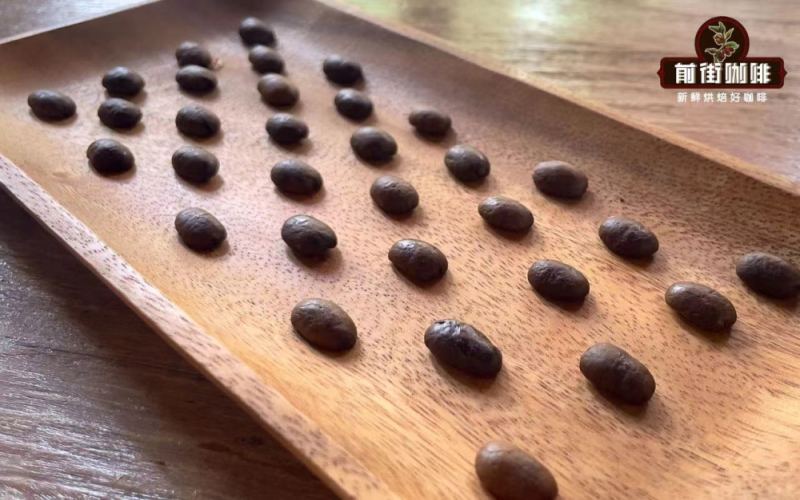
How to Distinguish Mandheling from Espresso: A Full Analysis of the Flavor Differences Between Blends and Single-Origin Beans
Many coffee lovers are curious: between espresso and Indonesian Mandheling coffee, which one is actually better suited to their taste? The difference between the two is not something that can be summed up simply as "tasty" versus "not tasty." In this article, Front Street Coffee starts from the definition of espresso, the flavor characteristics of Mandheling coffee, and the logic behind using single-origin beans versus blend beans, to systematically sort out the essential differences between the two in terms of mouthfeel, concentration, and extraction method. At the same time, Front Street has also compiled detailed flavor information on several popular espresso blends and Indonesian Mandheling single-origin beans sold in its stores, to help readers make a clearer choice based on their own preferences. [more…]
Pour-Over Coffee from Bean Selection to Parameters: Single-Origin Recommendations for Different Roast Levels and Water Ratios for Brewing with 15g of Coffee
To brew a delicious pour-over at home, choosing the right beans and mastering the water volume are key. This article starts with the regional character of single-origin coffees, then outlines flavor profiles and specific Front Street bean recommendations for light, medium, and dark roast levels, so even beginners can quickly find the style they enjoy. It then uses the classic Front Street Queen's Estate as an example to disclose the cafe's brewing parameters—Kono dripper, 88°C water, 15 g coffee, 1:15 coffee-to-water ratio, medium-fine grind—and breaks down the three-pour节奏 in detail: 30 g bloom for 30 seconds, second pour to 125 g, wait until the liquid level drops by half, then top up to 225 g, with a total extraction of about 2 minutes 10 seconds. After reading, you can replicate a clean and balanced pour-over by following the parameters. [more…]
Which is better, Mandheling coffee or espresso? Starting from the flavor differences between blend beans and single-origin beans
Espresso versus Indonesian Mandheling—one is famed for its rich, velvety smoothness, the other for its herbal, spicy flavor. Which one actually tastes better? This question cannot really be answered simply. From the perspective of Front Street Coffee, this article first clarifies the basic concepts of espresso coffee, espresso, and single-origin coffee, then analyzes why espresso blends have become the mainstream choice, as well as the respective pros and cons of SOE and Mandheling espresso. At the end, it also includes recommendations for several popular espresso blends and Mandheling beans available at Front Street, helping you find the cup that suits your personal taste. [more…]
What is single-origin coffee? From the concept of growing regions to roasting and brewing, understanding the core differences between single-origin and blended coffee
On coffee shop menus, the term "single-origin coffee" is appearing more and more often, but do you really understand it? Many people assume that choosing coffee beans from a certain country makes it single-origin, but true single-origin coffee emphasizes a specific producing region—that is, the very source of a cup of coffee. It stands in sharp contrast to blended coffee—the latter is made by roasters mixing beans from different origins in pursuit of a balanced flavor, while single-origin focuses on presenting the unique character of one producing region. However, today the flavor of single-origin coffee also incorporates the roaster's personal style, and is no longer entirely equivalent to the original taste of the producing region. This article will help you sort out the definition of single-origin coffee, the distinction between it and the specialty coffee classification, and explore how roast level and brewing method affect the final flavor in the cup, helping you have more direction the next time you order. [more…]
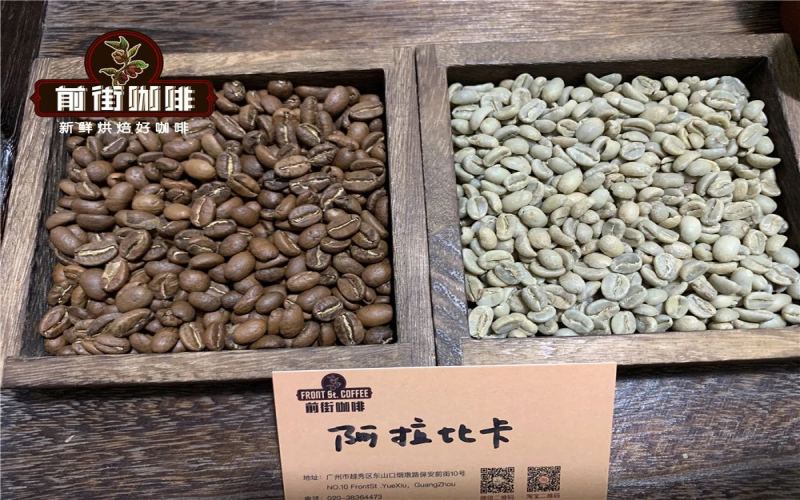
Do Arabica beans count as black coffee? What coffee drinks are high-grade single-origin coffee beans suitable for making?
You often see "100% Arabica coffee beans" on advertisements or in coffee shops, but many people are not clear about what Arabica actually means. This article will provide a detailed interpretation of Arabica coffee beans from the perspectives of variety characteristics, origin requirements, and flavor performance, and clarify the differences and connections between specialty coffee and single-origin coffee. At the same time, regarding the applicable scenarios for high-grade single-origin coffee beans, Front Street Coffee will also give specific brewing suggestions and daily bean recommendations to help coffee lovers better choose and use high-quality coffee beans. [more…]

How Does Golden Mandheling Differ from Espresso? A Full Analysis of Indonesian Sumatra Coffee Bean Flavor and Brewing
Many coffee enthusiasts often confuse Mandheling with espresso, but in fact the two are completely different in terms of bean selection, extraction principles, and final flavor. Starting from Front Street Mandheling, this article systematically sorts out the concepts of single-origin and blended coffee beans, the differences among the three extraction methods of drip filtration, immersion, and pressure, and explains in detail the origin characteristics of Indonesian Sumatra Mandheling, the grading standards of PWN Golden Mandheling, as well as the brewing parameters and techniques recommended by Front Street. It will also explain the extraction conditions of espresso and whether single-origin Mandheling can be used to make espresso. Whether you are a pour-over enthusiast or an espresso devotee, you can find clear answers here. [more…]
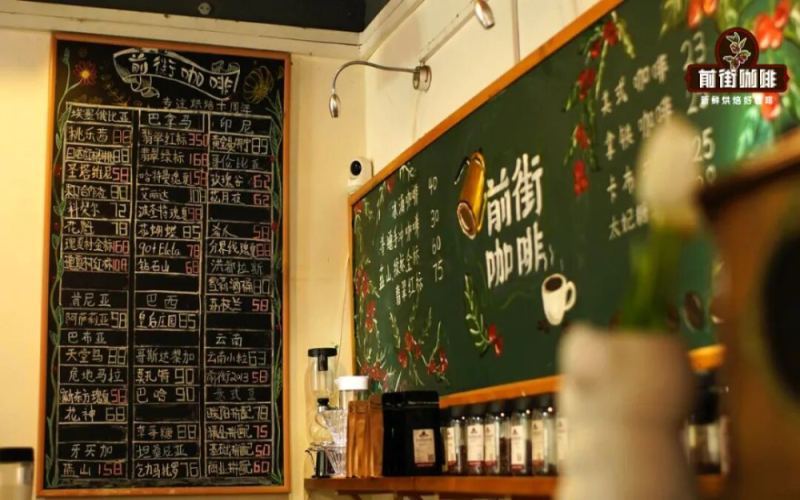
Is SOE really single-origin coffee? Causes of Americano being more acidic and latte being more bitter, and brewing adjustment approaches
In recent years, specialty coffee has become increasingly popular in China, and various traceable single-origin beans frequently appear on café menus. Many people have started trying to use single-origin beans to make espresso, which is commonly known as SOE. But SOE does not mean casually taking a pour-over bean and putting it on an espresso machine, because high temperature and high pressure magnify the bean's own flavors exponentially. If the bean selection and parameters are even slightly off, an Americano may be sharply acidic, and a latte may be bitter and astringent. Starting from the definition of SOE, this article combines several Front Street Coffee products to sort out the influence of origin, roast level, and processing method on SOE performance, and provides adjustment methods for brew ratio, grind size, and dose and yield, to help you make a smooth cup of SOE Americano or SOE latte. [more…]
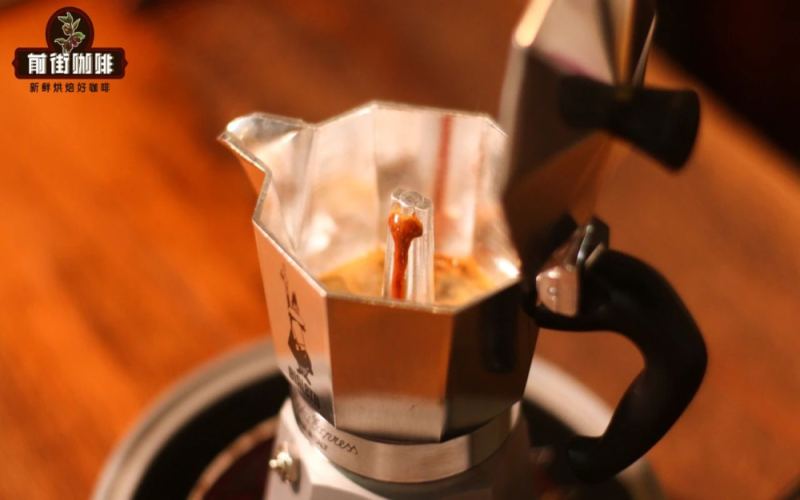
Moka Pot Crema Extraction Techniques: Choosing a Blend or Single-Origin Bean, Front Street Coffee's Full Step-by-Step Guide to Brewing a Latte
The moka pot is compact and easy to use, capable of brewing rich coffee, but many enthusiasts find at home that the crema is thin, far inferior to espresso. This article starts from the moka pot's structure and extraction principles, explains the conditions for crema formation, compares the suitable scenarios for espresso blends and single-origin beans, and recommends Front Street Coffee's classic espresso blend and the Queen's Estate Brazil single-origin beans. It then details Front Street Coffee's moka pot latte brewing steps and safety precautions, helping you consistently extract thick crema at home and make a rich, fragrant latte. [more…]
Can SOE single-origin beans be used for pour-over? A full analysis of the differences between single-origin and blends and pour-over parameters
When ordering at a café, espresso and pour-over often correspond to two paths: blended beans and single-origin beans. In recent years, many high-quality single-origin beans have been made into SOE versions for espresso extraction. So can these SOE beans be used for pour-over? And what exactly is the difference between them and pour-over single-origin beans? This article will start from the concept and characteristics of SOE, compare the differences between blended beans and single-origin beans, explain the divergence in roasting curves between SOE and pour-over single-origin beans, and provide suggestions on water temperature and grind size when using SOE beans for pour-over, helping coffee enthusiasts find a suitable brewing plan under different roast levels. [more…]
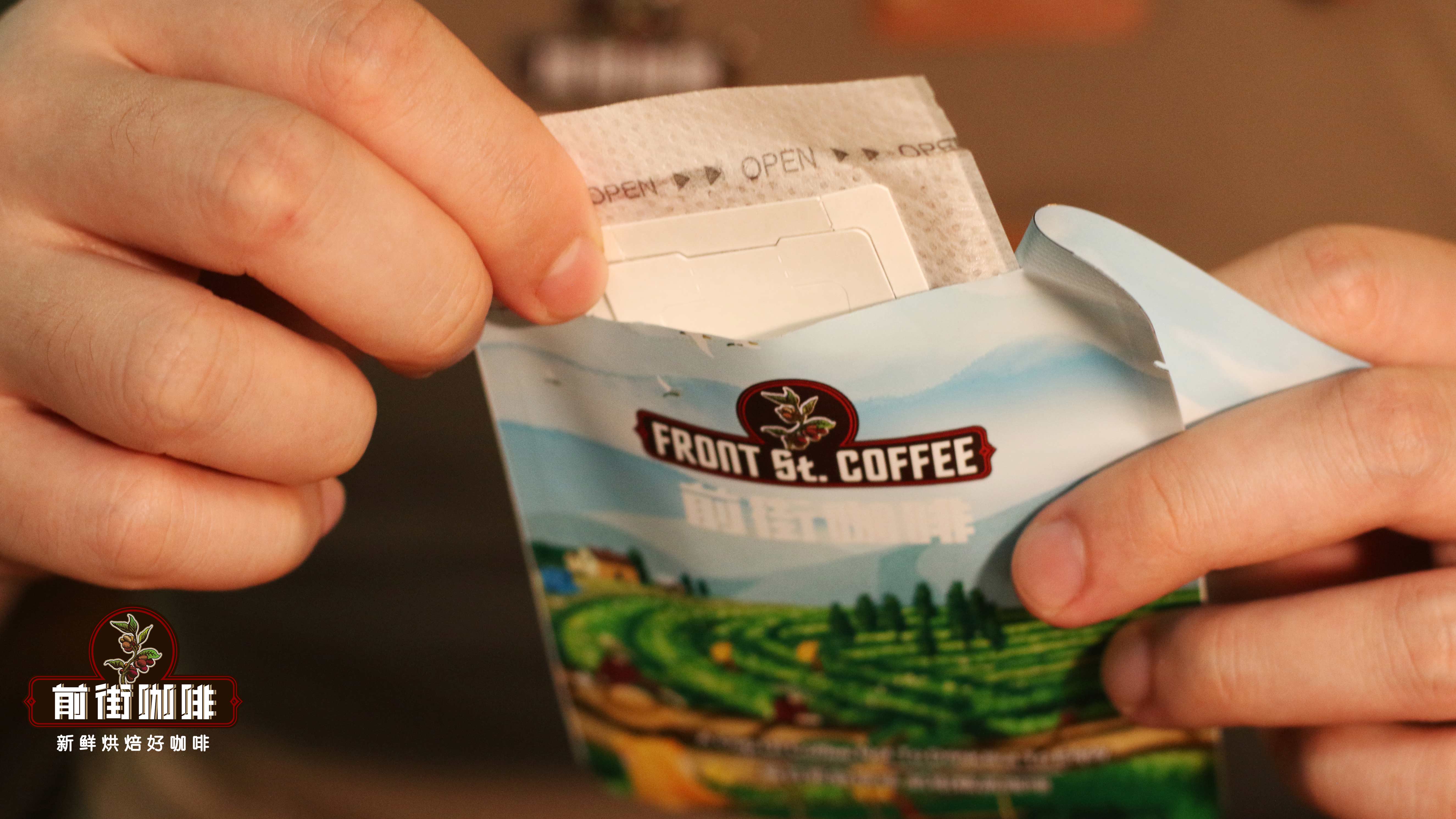
In-Depth Review of Five Single-Origin Drip Coffee Bags: Front Street Coffee Teaches You the Full Process from Bean Variety to Brewing
Since the invention of drip bag coffee by Yamanaka Sangyo Co., Ltd. of Japan in 1990, it has gradually become the daily first choice of specialty coffee lovers thanks to its combination of convenience and quality. Front Street Coffee has long provided drip bag coffee packets for sale and customization. This article selects five distinctive single-origin beans—covering tea-like notes, floral aromas, fruity notes, fermented aromas, and a rich, full-bodied taste—and explains in detail the entire process from bean selection, grinding and cleaning, automated nitrogen-flushed packaging, to standard brewing parameters, helping you consistently reproduce a delicious single-origin drip bag coffee at home. [more…]
How to Choose Drip Coffee Bags? 5 Front Street Single-Origin Bean Flavor Recommendations and Brewing Tutorial
The origins of drip bag coffee can be traced back to 1990, when Japan's Yamanaka Sangyo Co., Ltd. transplanted the design concept of tea bags onto coffee, giving rise to filter-drip coffee and obtaining a patent. Today, as the specialty coffee market continues to expand, more and more consumers are choosing drip bag coffee for a simple reason: they don't need to buy a pile of brewing equipment, yet can still quickly enjoy a cup of decent specialty coffee. Front Street Coffee has long provided Front Street drip bag coffee packs for sale and custom service, striving to cover every customer's taste preferences. This article will recommend 5 single-origin beans suitable for making Front Street drip bag coffee packs, covering different styles such as fruity, floral, fermented, winey, and high-body, while also detailing Front Street Coffee's production process and brewing methods, so that coffee lovers can easily recreate a delicious single-origin drip bag at home. [more…]
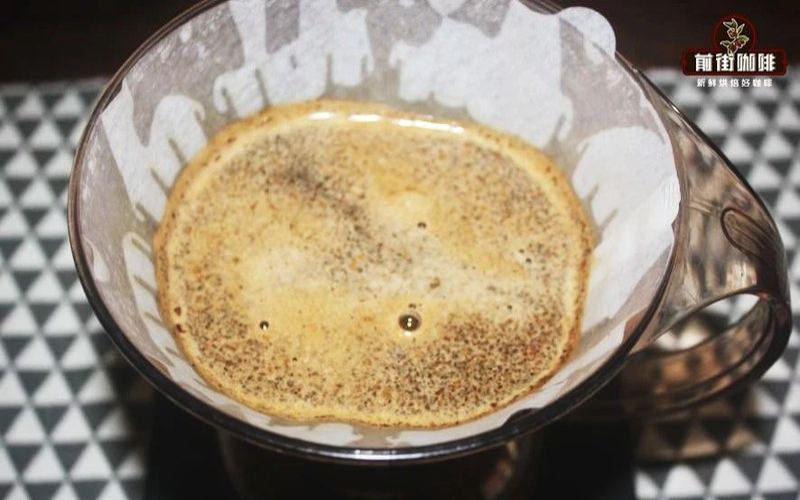
Pour-Over Single-Origin Coffee Recommendations: Balancing Budget and Drinking Frequency
From bean to cup, a coffee must still go through grinding and extraction. When it comes to hand-brewed single-origin coffee, your everyday bean buying needs to take into account how quickly you'll drink it, how much to buy at a time, and whether you mainly make black coffee or milk coffee at home. First confirm your usual equipment and preferred taste, then compare specific beans—your actual practice will have clearer direction. [more…]