







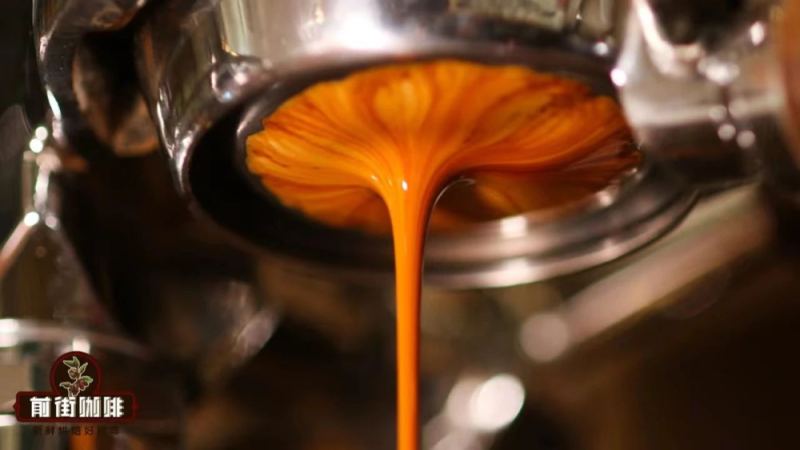
What does soe coffee actually mean in the cup?
SOE coffee stands for Single Origin Espresso, an espresso pulled from beans grown in one single origin rather than a blend. The goal is to push one region's flavor forward. The style spread with the specialty coffee wave and barista competitions, but it asks more of the green beans and the roast level, and extraction needs adjusted parameters and milk or water ratios.
Because SOE highlights regional character, the green beans must be of high quality and the roast must suit them, or the flavor turns muddy. Examples include a Colombia Papayo soe with blueberry juice, passion fruit, and ripe grape notes, and a Costa Rica Blackberry soe with pink floral, grape, and berry aromas plus a slight fermented edge.
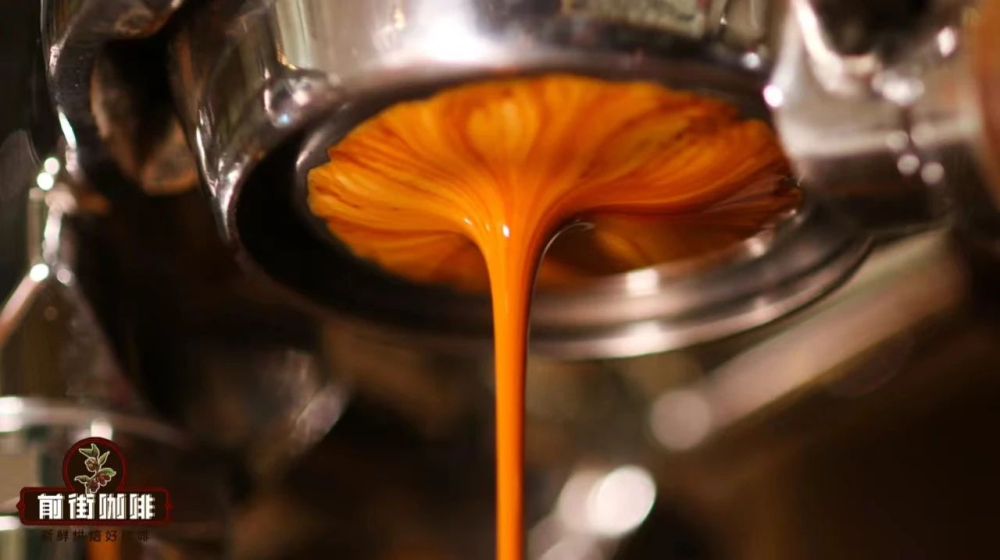
SOE is short for Single Origin Espresso. In Chinese, it refers to espresso made from single-origin coffee beans. The core idea is to use single-origin beans to make espresso, thereby highlighting the unique flavor of a particular region. In recent years, with the spread of information about the specialty coffee wave and barista competitions, this form has gradually become popular. However, SOE places higher demands on bean quality and roast level, and extraction also requires adjusting parameters and the ratio of milk or water. This article will sort out the concept of SOE, recommend three SOE beans from Front Street Coffee, and share precautions in preparation to help coffee lovers understand this style more comprehensively.
For more specialty coffee knowledge, please follow the WeChat official account: Front Street Coffee (FrontStreet Coffee)
What exactly is SOE coffee?
SOE is short for Single Origin Espresso, which translates to single-origin espresso. It emphasizes amplifying and presenting the coffee flavor of a specific region. Simply put, it means using single-origin coffee beans to make espresso.
SOE has not been popular for very long. Single-origin beans can already show rich regional character in pour-over, and with today's diverse information channels, news that contestants in the World Barista Championship choose single-origin beans to compete also spreads quickly. As a result, using single-origin beans for espresso has also become a trend.
From the moment SOE appeared, it carried the label of "highlighting regional flavor," which means the green beans selected must be of excellent quality. To truly bring out the advantages of SOE, the key is that the flavor must be recognizable and memorable. Therefore, having good beans alone is not enough; suitable roasting is equally important—for a delicious cup of SOE, choosing single-origin beans with an appropriate roast level is of utmost importance.
Single-origin coffee bean recommendation one: Front Street Colombia Papayo SOE—the flavors of blueberry juice, passion fruit, and ripe grapes are very distinct, with a sweet-and-tart sensation like apricot and peach;
Single-origin coffee bean recommendation two: Front Street Costa Rica Blackberry SOE—pink floral notes, grape, and berry aromas are prominent, with a slight fermented sensation on the palate;
Single-origin coffee bean recommendation three: Front Street Brazil Queen's Estate SOE—notes of roasted nuts, toast, cocoa, and creamy chocolate, accompanied by butter aroma.
What should be noted when making SOE?
SOE uses single-origin coffee beans. To preserve the regional flavor, the roast level is usually not too dark. Compared with traditional espresso beans that are often darker roasted, its flavor compounds are less easily extracted.
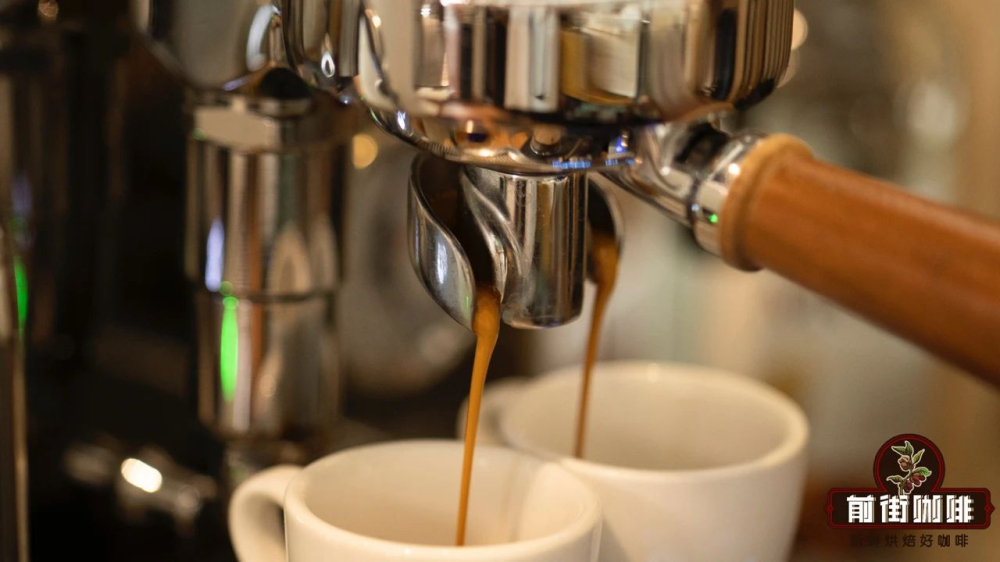
Therefore, on the one hand, extraction parameters need to be adjusted to increase the extraction yield, such as extending the extraction time, making the grind finer, and increasing the dose.
On the other hand, when producing espresso drinks with SOE as the base, the ratio of espresso to milk or water needs to be rebalanced. Appropriately reduce the amount of milk or water so that the coffee flavor stands out more and the overall taste does not become too weak.
Finally, the screening standards for beans used to make SOE are also quite strict. Although SOE has strong expressive power, because it comes from a single origin, its shortcomings are also easily magnified. Therefore, factors such as roast level and particle size directly affect the final flavor.
If you do not have high-quality coffee beans on hand, the SOE you make will be hard to enjoy, and even its shortcomings will have nowhere to hide. So in actual practice, SOE has relatively high technical requirements for every stage, which is also one of the reasons it is usually sold at a higher price than ordinary espresso.
The above content is compiled by CoffeeHunters, a coffee news website.


