







Which coffee bean roaster picks suit pour-over brewing?
For pour-over coffee at home, bean choice and water amount decide most of the result. Light roasts bring bright acidity with floral and fruity notes, medium roasts shift toward nutty and toasted aromas, and dark roasts go bitter with resinous notes. A cafe example uses a Kono dripper, 88C water, 15g of coffee at a 1:15 ratio and a medium-fine grind.
The three-stage pour runs 30g of water for a 30-second bloom, a second pour to 125g, then a top-up to 225g once the bed drops by half, for about 2 minutes 10 seconds of total extraction. Front Street Queen's Estate shows nutty and toasted bread notes; Kenya, Red Cherry and Flower Queen lean fruity. Adjusting the roast curve changes how the same bean presents itself.
To make a delicious pour-over at home, choosing the right beans and mastering the water amount are key. This article starts with the regional character of single-origin coffee, then provides flavor profiles and specific Front Street bean recommendations for light, medium, and dark roasts, so even beginners can quickly find the style they like. It then uses the classic Front Street Queen's Estate as an example to disclose the cafe's brewing parameters—Kono dripper, 88°C water temperature, 15 grams of coffee, 1:15 coffee-to-water ratio, medium-fine grind—and breaks down the three-stage pouring rhythm in detail: 30 grams for blooming for 30 seconds, pour to 125 grams in the second stage, wait for the liquid level to drop by half, then top up to 225 grams, with a total extraction of about 2 minutes 10 seconds. After reading this, you can replicate a clean and balanced pour-over by following the parameters.
FrontStreet Coffee Introduction - Single-Origin Coffee Recommendations
If you want to experience the regional terroir of coffee beans themselves, single-origin coffee is the most direct medium. Different countries and producing regions have vastly different flavor directions due to differences in climate and soil—some are bright and acidic, while others are steady and bitter; moreover, by adjusting the roasting curve, the roaster can make the same bean present different faces. For people just getting into pour-over, starting with single-origin beans is an easier path to building flavor recognition.
Light roast: prominent acidity, often with floral and fruity notes. You can try Front Street Kenya coffee beans (notes of cherry tomato and snow pear), Front Street Red Cherry coffee beans (berries and flowers), Front Street Flower Queen coffee beans (strawberry, guava, mango).
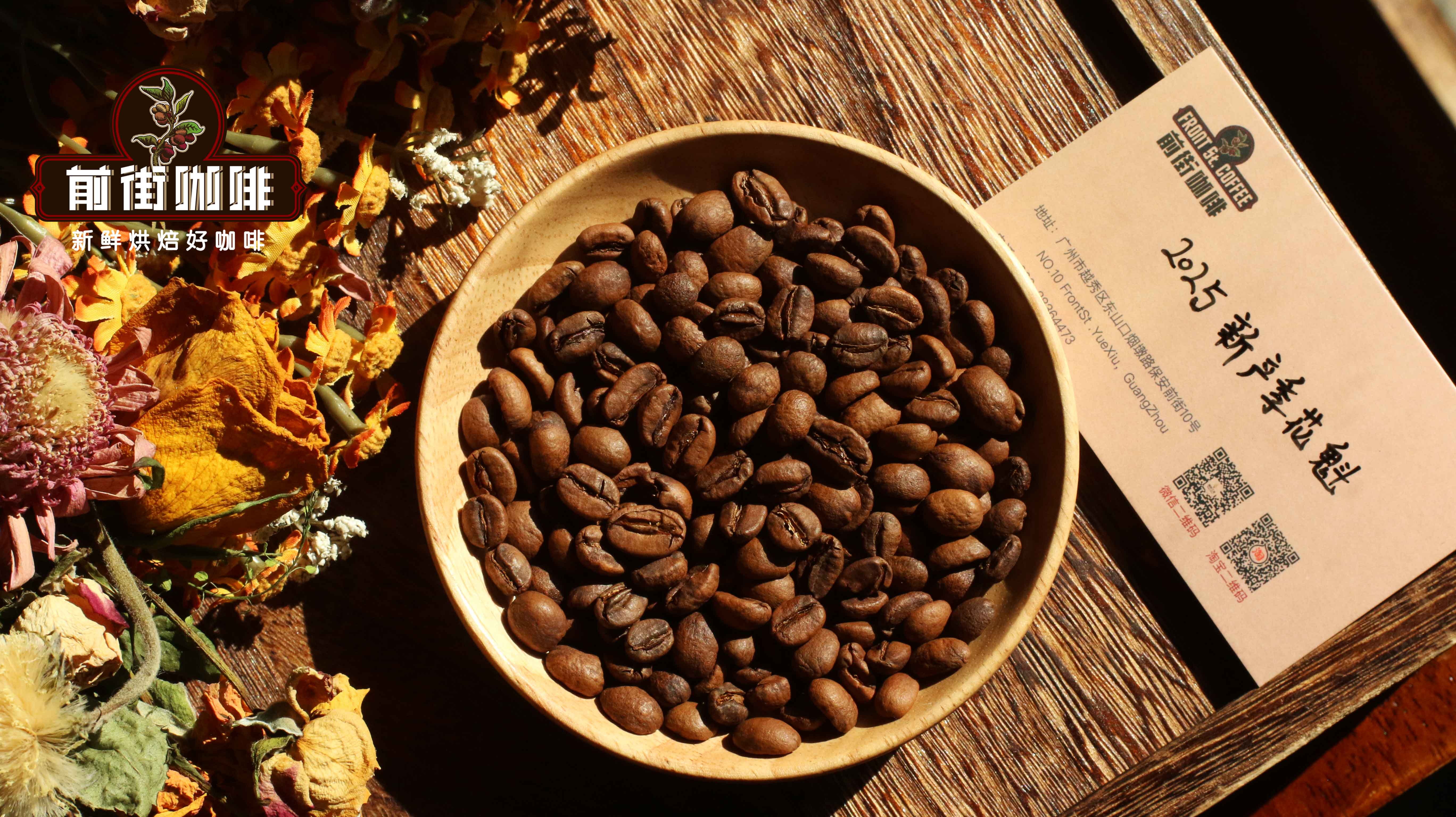
Medium roast: acidity gradually recedes, bitterness begins to emerge, and nutty aromas become the main thread. Recommended: Front Street Queen's Estate coffee beans (nutty and toasted bread notes), Front Street Bird of Paradise coffee beans (cocoa and citrus).
Dark roast: acidity almost disappears, bitterness intensifies and is accompanied by resinous notes. Recommended: Front Street Mandheling coffee beans (spices, herbs, caramel).
Single-Origin Coffee Pour-Over Sharing
Coffee beans: Front Street Queen's Estate
Front Street cafe brewing parameters:
Kono dripper
Water temperature: 88°C
Coffee dose: 15 grams
Coffee-to-water ratio: 1:15
Grind size: medium-fine grind (70-75% passing through China standard No. 20 sieve)
The extraction method is as follows: in the first stage, pour 30 grams of water for blooming, with a blooming time of 30 seconds; in the second stage, pour to about 125 grams of water, then wait for the coffee liquid to drop; when it has dropped by half, pour the final stage of water up to 225 grams, and end extraction after all the coffee has dripped through. The total extraction time is generally about 2 minutes 10 seconds.
The above content is compiled by CoffeeHunters, a coffee news website.


