







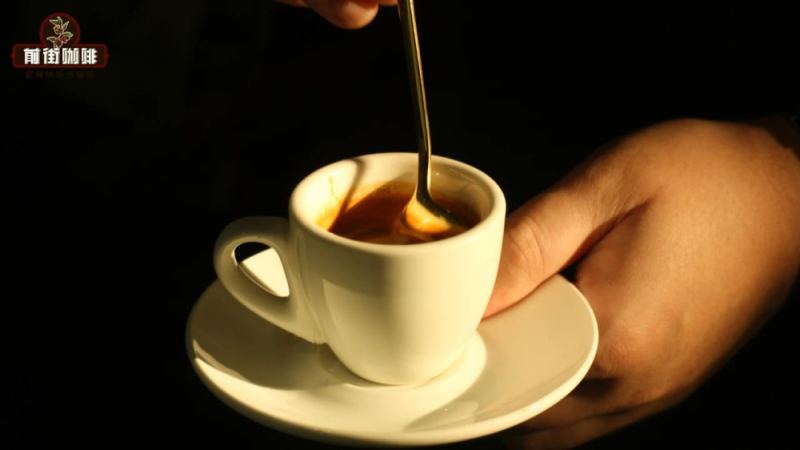
How Does Coffee Bean Origin Shape Espresso and Filter Brewing?
Coffee beans fall into two groups by origin: blends and single-origin beans. Blends mix beans from several producing regions to balance the cup, so they are used mostly for espresso, while single-origin beans appear more often in pour-over or as SOE, short for single-origin espresso. Blends let one bean cover another's weak spot, adding body or softening harsh notes.
Single-origin espresso has grown in popularity because it highlights one region's character rather than a combined profile. When choosing beans for coffee brewing, crema, mouthfeel and price all matter: a classic blend gives thick crema and nutty, caramel sweetness, while a Yunnan-and-Brazil base blend brings plum acidity and a golden crema suited to home or cafe use.
Coffee beans can be divided by origin into blends and single-origin beans. The former is often used for espresso, while the latter appears more often in pour-over or SOE. Starting from definitions, this article explains how espresso blends achieve flavor balance and complementarity by mixing beans from different origins, and introduces the rise and characteristics of SOE (single-origin espresso). The article also recommends Front Street Coffee Classic Blend, Black Cocoa Base Blend, and several SOE beans, covering dimensions such as crema, mouthfeel, and value for money. Whether you seek rich crema or distinctive fruity acidity, you can find a suitable brewing direction.
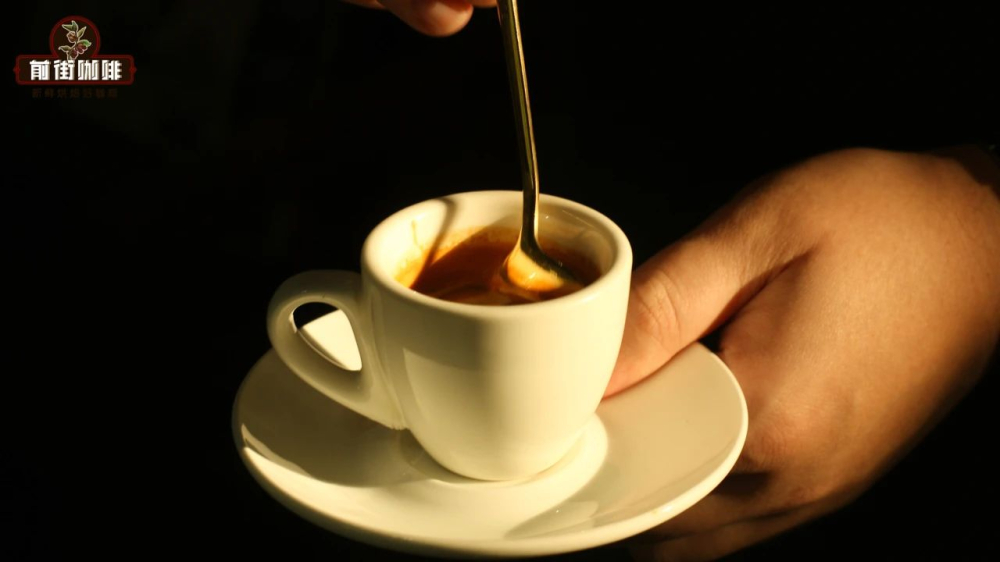
From the perspective of coffee bean origin, they can be divided into two types: blends and single-origin beans. Blends are generally used only for making espresso, so in a narrow sense, calling blends espresso beans is not wrong.
Espresso blend coffee beans, also called combined beans, refer to mixing multiple single-origin coffee beans in proportions so that the strengths of each bean can be showcased while some less ideal flavors are masked. Combined blends come from different producing regions, with the aim of achieving a more balanced taste. For example, if one coffee tastes mild but lacks body, another bean with high body can be added so that their respective strengths compensate for each other, either complementing or enhancing the flavor, ultimately creating a new flavor with richer layers.
If you especially value rich crema, then you must try the beginner’s first choice, Front Street Coffee Classic Blend espresso beans. It exudes rich aromas of butter, roasted hazelnut, caramel, and dark chocolate, with a thick mouthfeel. Made as black coffee, it is sweet and refreshing; when milk is added to make a latte, it is smooth and delicate.
If you pursue ultimate value for money, choose the everyday-grade Front Street Coffee Black Cocoa Base Blend. This bean uses a combination of Yunnan small bean and Brazilian Red Bourbon, with a nutty note and ripe plum acidity. After grinding, you can smell aromas of creamy chocolate and cocoa cookies. The taste is balanced, and the crema has a golden luster, making it very suitable for friends opening a shop or brewing at home.
The recently popular SOE is actually the abbreviation of Single Origin Espresso, meaning espresso from a single origin. It is not anything profound; it simply replaces the blend beans usually used for espresso with single-origin beans, still extracting a cup of espresso under high pressure through an espresso machine.
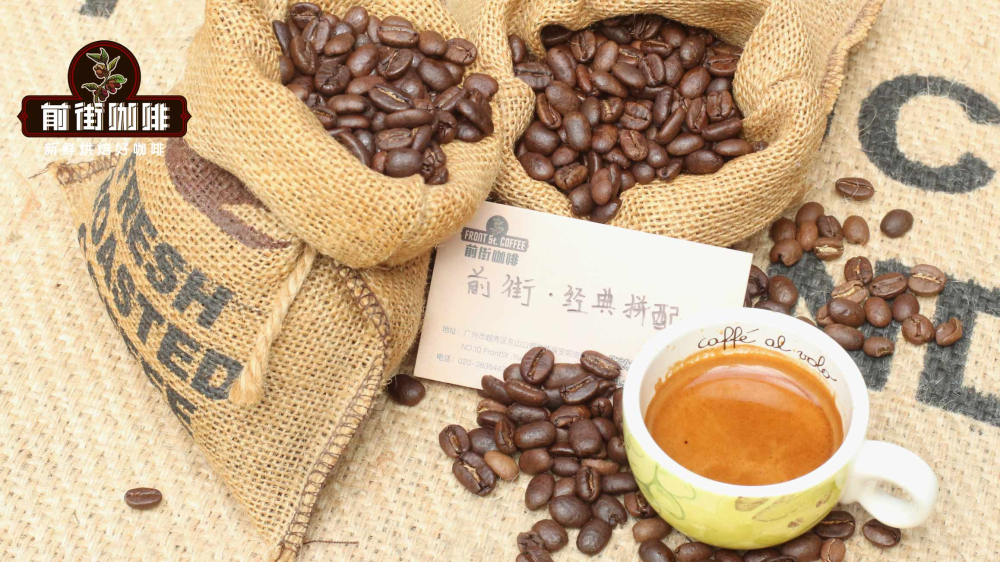
SOE can produce espresso with a unique and typical flavor. Currently popular ones include the typical citrus Yirgacheffe flavor of Front Street Coffee Fruit Ding Ding, the obvious juice-like feel of Front Street Coffee Little Tomato, the rich tropical fruit aroma of Front Street Coffee Mozart, and the delicate creamy strawberry sweet-and-sour taste of Front Street Coffee Huakui. Because espresso amplifies the coffee’s flavor, these specific flavors are more prominent than in pour-over. However, because they come from a single origin, shortcomings are also easily amplified, so SOE is not necessarily better than blended espresso.
The above content is compiled by CoffeeHunters, a coffee news website.


