







Search Results for: Shan State Producing Region
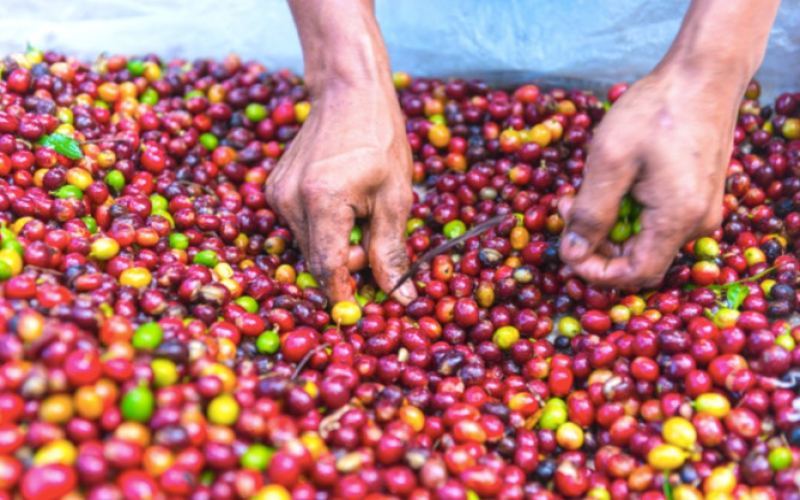
The Development History of Myanmar's Coffee Industry and a Full Analysis of Varieties in Shan State, Mandalay, and Other Producing Regions
Myanmar, a Southeast Asian country that often comes into public view because of telecom fraud in northern Myanmar and civil unrest, yet few people know about its coffee-growing potential. Today, Front Street takes you into this little-known origin. British colonists arrived in the late 19th century, and Catholic missionaries introduced coffee to northern Shan State in the 1930s. In the 1980s, the government cooperated with the United Nations to carry out a project to replace opium poppy cultivation with coffee, and only then did the industry truly begin to develop. Today, Myanmar coffee is mainly concentrated in Nawnghkio, Ywangan, Pwewe in Shan State, and Pyin Oo Lwin in Mandalay Region, dominated by smallholder farming, with 80% of Arabica used for export. Varieties include Caturra, Catimor, Bourbon, Typica, S795, and SL34. By 2024, the planted area has expanded to 279,000 acres, with plans for further expansion in the future. [more…]
A Complete Analysis of Myanmar's Coffee Origins: Planting History, Main Producing Regions, and Flavor Characteristics
Myanmar, a Southeast Asian country often associated with telecom fraud in the north and civil unrest, is rarely known to also be a coffee-growing region. Front Street Coffee takes you into this little-known origin. Myanmar lies in a tropical monsoon climate zone, high in the north and low in the south, with mountains, plateaus and alluvial plains interwoven, providing an ideal growing environment for coffee. Coffee was introduced during the British colonial period in the late 19th century; missionaries began planting it in Shan State in the 1930s; and it was only in the 1980s, when the government partnered with the United Nations to replace opium poppies with coffee, that the industry truly took off. Today, Shan State and Mandalay are the main producing regions, dominated by smallholder farming, with Arabica accounting for 80% and destined for export. This article details Myanmar coffee's cultivation history, growing regions, varieties and current state of the industry. [more…]
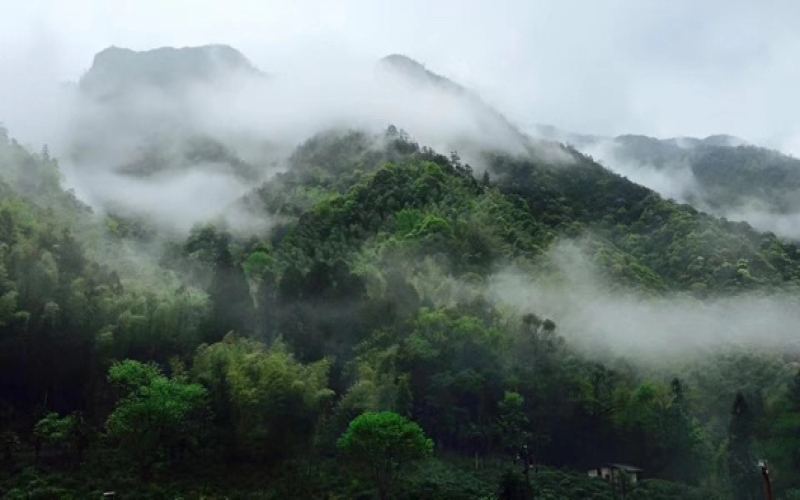
How can you tell Zhengshan Souchong from Waishan Souchong? Are Yanxiaozhong, Xingcun Souchong, and Tongmu Souchong the same type of black tea?
Lapsang Souchong is widely recognized as the world's earliest black tea. With its distinctive pine smoke aroma and sweet, fruity notes reminiscent of dried longan, it profoundly influenced the historical course of European tea culture. However, names related to "Souchong" abound on the market—Waishan Souchong, Smoked Souchong, Xingcun Souchong, Tongmu Souchong—are they actually the same tea? How should one distinguish Lapsang Souchong from Waishan Souchong? This article will sort out these easily confused concepts from three dimensions: historical origins, production area classification, and naming evolution, restoring the true identity of Lapsang Souchong while introducing you to the unique flavors of the core production area in Tongmu Village, Wuyi. [more…]
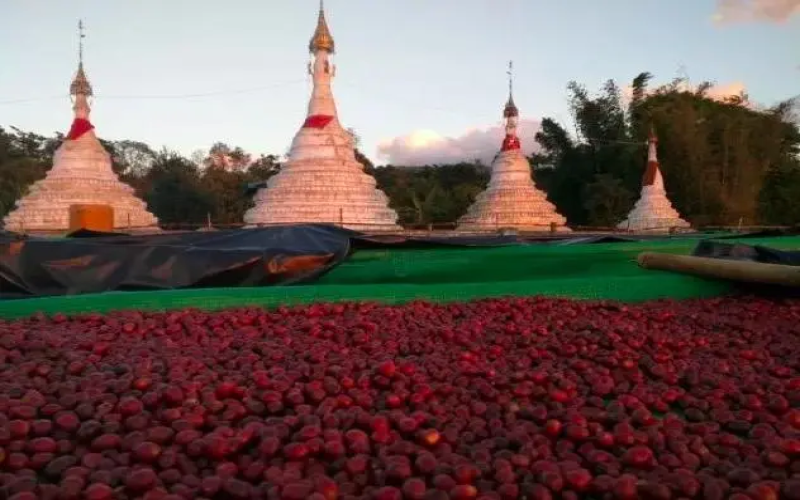
Myanmar Plans to Add 279,000 Acres of Coffee Plantations in 2024, Export Channels and Capacity Bottlenecks Remain to Be Resolved
The Myanmar government recently announced an ambitious coffee expansion plan, aiming to increase coffee planting area by 279,000 acres in 2024, with a longer-term goal of expanding to 300,000 acres. Meanwhile, the Myanmar Coffee Association has received purchase orders from 11 countries, including the United States, the Netherlands, and France, and the export layout for the new crop season is being advanced. However, limited export channels, a high proportion of border trade, and previous disruptions from armed conflict have added uncertainty to this expansion plan. This article reviews Myanmar's coffee industry expansion plans, production and sales status, and export challenges, and includes Front Street Coffee's perspective on related producing regions. [more…]

Grandpa Doesn't Make Tea closes multiple stores in succession, rapid expansion goals face real-world test
Recently, the new-style tea beverage brand Grandpa's Tea, originating from Wuhan, has been reported to have closed or withdrawn stores in multiple locations, including Zibo in Shandong, Suzhou in Jiangsu, and Poyang in Jiangxi, sparking consumer concerns about its business condition. The brand's co-founder had set an expansion target of at least 4,500 stores in 2025, striving for 5,000, but as of October 18, only 2,274 stores were in operation, a clear gap from the goal. Meanwhile, well-known tea brands like Xiamen's Sevenbus and Shenzhen's 813 Bayishan have also fallen into store closure controversies. In response to external doubts, Grandpa's Tea stated that adjustments to individual stores are normal optimization actions by franchisees and that overall operations are sound. This article will sort out the ins and outs of the incident, presenting the brand's response and industry background. [more…]
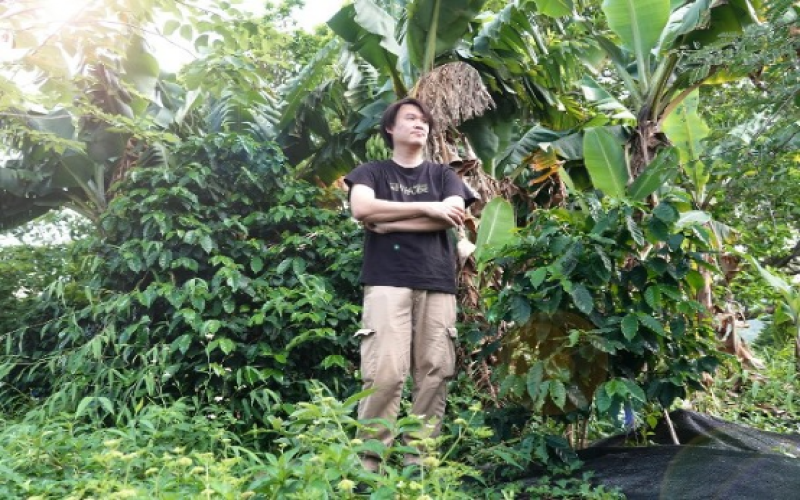
From IT to Agriculture: Hong Kong Engineer Uses Technology to Cultivate Caturra Coffee, Exploring Local Specialty Flavors
In the land of Hong Kong, where every inch of space is worth its weight in gold, a 42-year-old IT professional named Mike quit his job in 2019 to switch to growing fruits and vegetables and took over the management of a coffee plantation, attempting to cultivate Caturra coffee. Using his professional expertise in IT, he designed his own monitoring equipment to record temperature and humidity changes, focusing on researching diverse anaerobic fermentation processing methods such as perilla leaves, cilantro, beer, and plum wine, exploring the possibilities of Hong Kong's local coffee flavors. Although yields are scarce and altitude is limited, this path of transformation from tech professional to coffee farmer has brought new imaginative possibilities to coffee cultivation in Hong Kong. [more…]
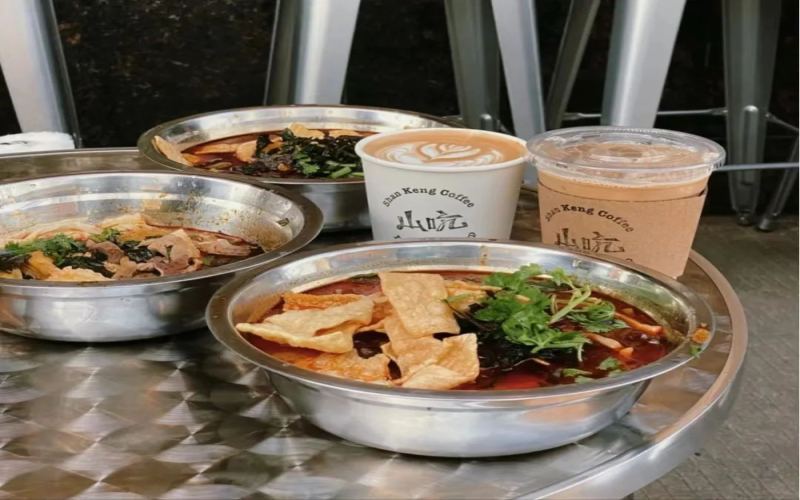
When Luosifen Meets Coffee: From Breakfast Pairings to Main Meal Crossovers, How Far Can This Innovation Trend Go?
The cross-boundary combination of coffee and Chinese meals has long ceased to be novel—from youtiao and shaobing to pork intestine noodles and roujiamo, even the notoriously "stinky" luosifen has now joined this fusion experiment. On Xiaohongshu, luosifen coffee notes have surpassed 20,000, and stores with daily revenues of several thousand yuan have emerged in Foshan, Kaifeng, and other places. Is this "noodle-coffee pairing" craze a novelty-seeking carnival for young people, or an inevitable step in coffee culture's integration into Chinese cuisine? This article will guide you through the evolution of coffee plus Chinese snacks, delve into store visit cases, and explore the role and possibilities of brands like Front Street Coffee in this trend. [more…]

Chayan Yuese's milk tea toppings quietly replaced with puffed snacks, fans complain about both taste and appearance falling flat
Tea Yan Yue Se has always been loved by consumers for its milk tea and peripheral snacks, but recently many customers have noticed that the toppings on their drinks have been quietly replaced with the brand's own puffed snacks, such as crispy balls, cheese sticks, and corn kernels. This change has sparked strong dissatisfaction among longtime fans, who feel that puffed food does not pair well with milk tea in terms of taste, looks jarring, and have even called on the brand to stop this practice. Although Tea Yan Yue Se's snack business is growing rapidly, with annual e-commerce sales already exceeding 100 million, forcing snacks into milk tea reflects the brand's anxiety to promote its retail products. This article takes you through the ins and outs of the incident and the real feedback from fans. [more…]

Shanghai Auntie and Light and Night collaboration abruptly terminated: inappropriate employee remarks trigger brand crisis
A tea beverage and gaming collaboration that was originally highly anticipated came to an abrupt halt on the day of its official announcement. On December 14, Light and Night announced a co-branded new product with Auntea Jenny, but employees at some stores were exposed for insulting players and game characters. Related topics quickly topped the hot search list, with views exceeding 450 million. Just three hours later, the game developer urgently stated that the collaboration was terminated, which netizens jokingly called "the shortest collaboration in history." Auntea Jenny subsequently apologized and fired the employees involved, but players were not appeased. This incident not only exposed the brand's loopholes in franchise management, but also sounded a warning bell for cross-industry collaborations. [more…]
A Complete Guide to the Flavors of Brazil's Specialty Coffee Regions: The Origin Stories of Minas, Cerrado, Mogiana, and the Port of Santos
Brazil is not only the largest country in South America, but also the world's number one producer of coffee beans. This nation, where passion and serenity coexist, produces coffee that carries the rich notes of nuts and chocolate while offering a smooth and mild mouthfeel. A total of 17 states in Brazil produce coffee, with the main growing regions distributed across six states: Bahia, Espírito Santo, Minas Gerais, São Paulo, Paraná, and Rondônia. Among them, Minas Gerais contributes more than half of the country's Arabica coffee beans and is also the core zone for specialty coffee; the Port of Santos in São Paulo state serves as an important gateway for Brazil's coffee exports. On Front Street Coffee's bean list, there are two Brazilian beans—the Red Bourbon from the Cerrado region and the Yellow Bourbon from Queen Mogiana Estate. The former represents the classic Brazilian flavor, while the latter showcases even better sweetness through refined natural processing. [more…]

Severe storm hits São Paulo state, Brazil: Over two million users without power, coffee-growing regions hit again
The state of São Paulo, Brazil, recently endured a violent storm accompanied by historically powerful winds, leaving at least 7 people dead, 2.1 million users without power, and severely disrupting transportation, water supply, and business operations. As an important coffee-producing region in Brazil, São Paulo state has this year been hit in succession by drought, wildfires, and torrential rain, casting a shadow over the prospects for coffee growth in the new crop season. With power slow to be restored, inventory is piling up at processing plants and the risk of port delays is intensifying. Combined with expectations of reduced output in Vietnam and other producing origins, international coffee futures prices continue to run at high levels. This article will review the impact of the disaster, the abnormal climate in the producing region, and the chain reactions for the coffee industry. [more…]
A Complete Guide to Brazilian Coffee Origins: From Variety Origins to Six Major Regions and Flavor Profiles
Brazil is the world's largest coffee-producing country, yet more than three hundred years ago there was not a single coffee tree here. From a romantic tale of seed-passing in 1727 to the six major producing regions spread across the country today, Brazilian coffee has traveled a long and winding road. This article will trace the varietal origins and historical development of Brazilian coffee, introduce the distribution of the six major producing regions—Bahia, Espírito Santo, Minas Gerais, São Paulo, Paraná, and Rio de Janeiro—and focus on presenting the origin information, processing methods, and flavor profiles of two Brazilian beans from Front Street Coffee: Queen Estate Yellow Bourbon and Cerrado Red Bourbon, helping coffee enthusiasts gain a comprehensive understanding of the charm of Brazilian coffee. [more…]
From Santos Port to Cerrado: A Complete Guide to Brazil's Six Major Coffee Regions and Bourbon Bean Flavors
Brazil is the world's largest coffee producer, with coffee grown in 17 of its 21 states, and its six major producing regions—including Minas Gerais and São Paulo—each possess distinct terroirs. This article guides you through Brazil's coffee landscape: detailing the four sub-regions of Minas Gerais, visiting São Paulo, home to the Port of Santos, and the renowned Mogiana, interpreting the characteristics of regions such as Cerrado, Espírito Santo, Bahia, and Paraná, as well as the splendor of Fazenda Rainha; at the same time comparing the varietal differences between Red Bourbon and Yellow Bourbon, and including Front Street Coffee's medium-dark roast approaches for two Brazilian beans along with a KONO three-pour hand-brewing method, to explore the source of Brazilian beans' smooth mouthfeel. [more…]
Brazil Coffee Region Distribution Guide | Sao Paulo and 16 Other State Origins, Variety Classification, and Pour-Over Parameters Explained
Brazil firmly holds the top spot in global coffee production, supplying nearly 45% of the world's green beans, and its domestic consumption is second only to the United States. This South American giant has 17 coffee-producing states, with just 7 of them accounting for 98% of the nation's output. From the legendary story of Officer Palheta bringing Bourbon seeds back three hundred years ago to Minas becoming the new hope for specialty coffee today, Brazil's coffee landscape has continually evolved. This article systematically outlines the distribution of Brazil's main producing regions, the characteristics of key varieties such as Red Bourbon and Yellow Bourbon, and includes Front Street Coffee's hands-on pour-over parameters and flavor notes for Brazil Cerrado, giving you a comprehensive understanding of this indispensable coffee powerhouse for espresso blends. [more…]
Brazilian Coffee Bean Grading Standards and Regional Growing Characteristics, Analysis of Flavor Differences Under Different Pour-Over Methods
As the world's largest coffee producer, Brazil is renowned for its coffee's nutty and chocolatey notes, full-bodied and balanced taste, and stable supply. This article begins with the cultivation characteristics and main producing regions of Brazilian coffee, sorting out the terroir differences between two high-quality regions: Mogiana in São Paulo state and Cerrado in Minas Gerais state. It introduces two representative varieties, Red Bourbon and Yellow Bourbon, and provides a detailed interpretation of the grading system for Brazilian coffee beans based on flavor, defect rate, cupping score, and bean size. At the same time, using Cerrado Red Bourbon and Queen's Farm Yellow Bourbon as examples, it shares Front Street Coffee's brewing parameters and staged extraction techniques, comparing the specific performance of the two beans in terms of body, cleanliness, and sweetness. [more…]
Drought in Brazil continues to intensify: over three thousand cities affected, coffee and other crops face pressure of reduced yields
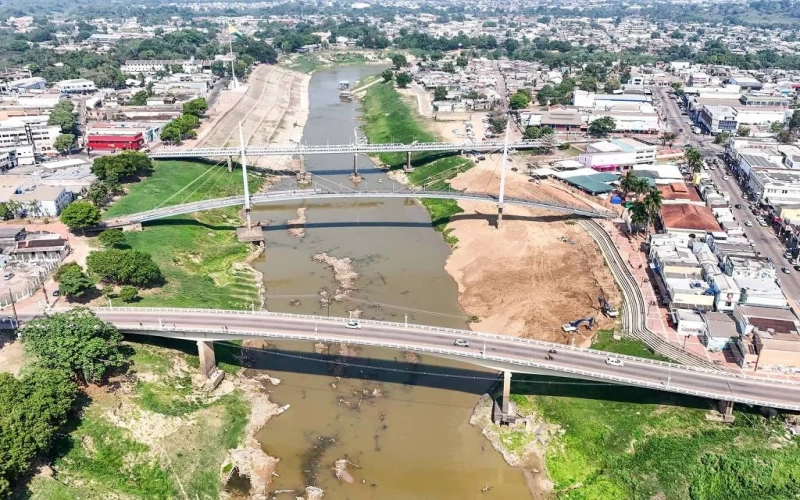
Brazil's National Meteorological Agency recently issued a warning that the central region of the country will continue to experience dry conditions with little rain, and the dry season is more severe than in previous years. Currently, more than 3,000 cities are in varying degrees of drought, with over a thousand cities facing extreme or severe drought. Acre, Amazonas, and many other places have declared states of emergency, with frequent fires, falling river levels, and poor harvests of major agricultural products such as coffee. Brazil's largest coffee cooperative, Cooxupe, pointed out that many producing regions have gone more than three months without rainfall, and August rainfall is still expected to be zero. Coffee farmers are pinning their hopes on the return of rain when the dry season ends in September to October, but La Niña may once again disrupt the weather and threaten coffee production in the next crop season. Affected by this, international coffee prices remain high, and many European and American manufacturers have announced price increases. Front Street Coffee will continue to monitor developments in Brazilian producing regions and trends in the coffee market. [more…]
46 cities in São Paulo state, Brazil, enter a state of emergency due to wildfires, putting the new coffee crop season's production under threat.
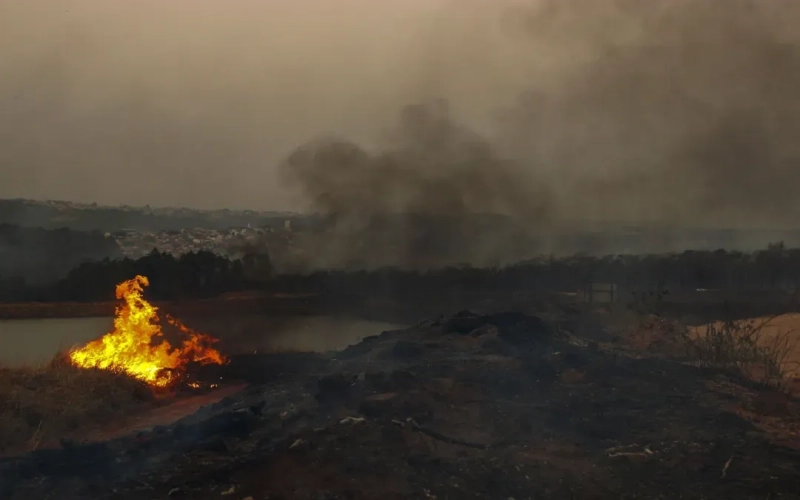
Recently, the state of São Paulo in Brazil has been hit by its worst wildfires in decades, with at least 46 cities entering a 180-day state of emergency. The number of fires has reached a record high, thick smoke has shrouded multiple towns, roads have been closed, and flights have been canceled. Although Brazil's coffee harvest is nearly complete, the new crop season's coffee is in its growth period, and the area around Ribeirão Preto, the city most severely affected by the fires, as well as the well-known producing region of Mogiana, may both be impacted. Declining soil fertility, disrupted transportation, and the possible occurrence of "black rain" weather will all pose serious threats to Brazil's coffee output in the new season. This article will review the latest developments of the fires and their potential impact on the coffee industry. [more…]
Escalating Internal Conflict in Ethiopia Brings a New Round of Price Increases at Coffee Origins
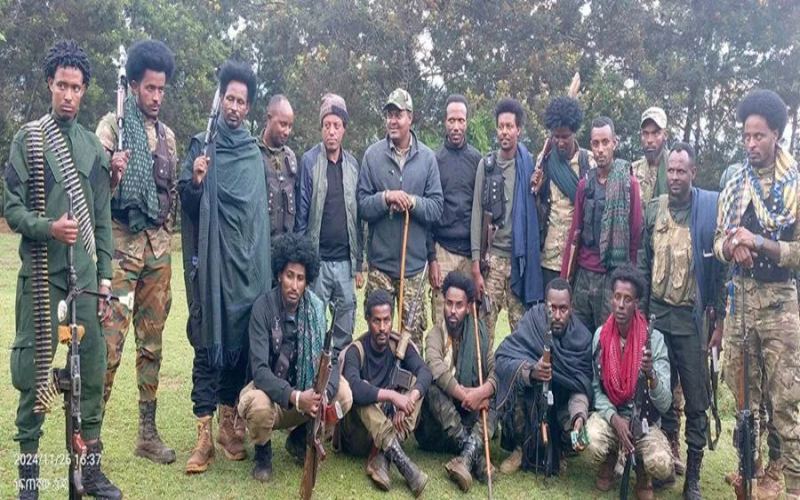
The conflict between Fano forces and government troops in the Gojjam region of Ethiopia's Amhara State continues to intensify, with the Fano side vowing to retaliate against the government army's atrocities against civilians. This civil war has not only caused heavy casualties but also led to an economic blockade and soaring prices in the region. Meanwhile, Ethiopia's foreign exchange reform has triggered a sharp depreciation of the exchange rate, and the Red Sea shipping crisis has driven up import and export costs. Under these multiple pressures, the country's coffee cultivation costs are steadily rising, and the floor price for coffee exports has consequently been raised. As a major global coffee-producing region, Ethiopia's turbulent situation is profoundly affecting the international coffee market. [more…]
A Complete Guide to Brazil Cerrado Coffee: Flavor Analysis, Red Bourbon Roasting, and Brewing Log
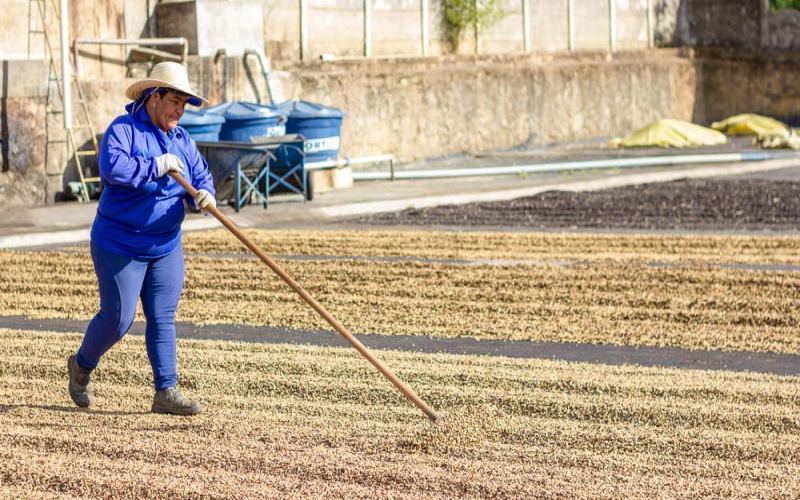
Brazil, as the world's largest coffee producer, has fluctuations in any of its regions that ripple through the international coffee market. Among the many producing regions, the Cerrado in the central-west of Minas state, with its fertile soil and distinct wet and dry seasons, nurtures the "soft bean" flavor profile known for low acidity, nutty and chocolate sweetness, and full-bodied balance. The Brazil Cerrado Red Bourbon from Front Street Coffee's daily drinker series is a classic representation of this style—interweaving roasted nuts, chocolate, cream, and caramel, it suits those who dislike acidity and prefer a rounded mouthfeel. This article will systematically cover the terroir conditions of the Cerrado region, Brazil's coffee taste classification and main producing regions, and provide a complete record of Front Street Coffee's medium roast profile for this Red Bourbon, along with the Kono dripper segmented brewing method. Finally, it will explain in detail the process differences among Brazil's four processing methods—natural dry process, pulped, semi-washed, and washed—helping coffee enthusiasts fully understand the flavor logic of Brazilian coffee from origin to cup. [more…]
A Tour of Mexico's Coffee Industry: Terroir of the Veracruz Region and an Analysis of La Perla Farm
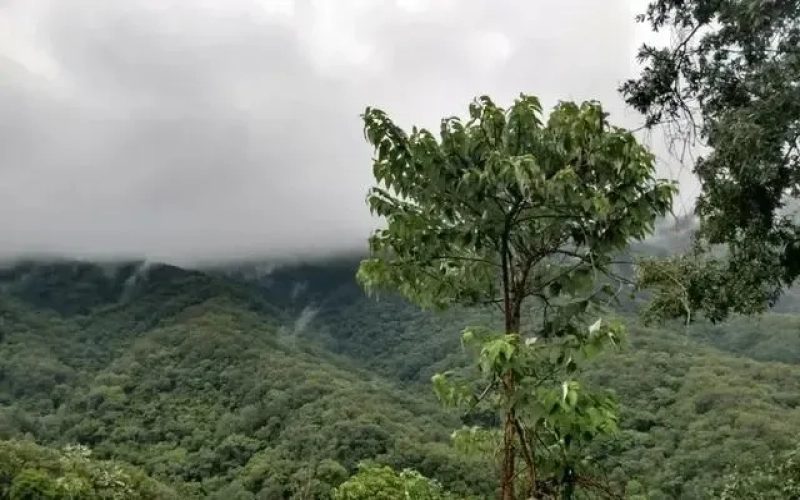
Mexico, as the world's tenth-largest coffee-producing country, has seen its coffee industry go through a winding journey from its introduction during the colonial period to its modern development toward specialty coffee. Thanks to its superior geographical and climatic conditions, the state of Veracruz has become one of Mexico's four core production regions, nurturing numerous high-quality estates. Among them, La Perla Farm won the 2024 Mexico Cup of Excellence washed category championship with a score of 90.79, growing varieties such as Bourbon, Geisha, SL28, and Pacamara. Front Street Coffee takes you deep into the terroir code and industrial transformation of this land. [more…]