







How Do São Paulo Wildfires Affect Brazil Coffee Production?
Wildfires in São Paulo state have pushed at least 46 cities into a 180-day state of emergency, and the new coffee crop season is now at risk. The state recorded more than 2,300 fires on August 22 and 23 alone, a national record, plus 305 more on August 24. Brazil's coffee harvest is nearly finished, but the incoming crop is still in its growth period.
The fires are most severe around Ribeirão Preto and the Alta Mogiana producing region, both important to coffee production in Brazil. Declining soil fertility, disrupted transport, and possible "black rain" could all lower yields in the new season. São Paulo state has seen about 5,000 fires in 2024, and the full damage to next season's crop is still being assessed.
Recently, the state of São Paulo, Brazil, has been hit by its worst wildfires in decades, with at least 46 cities entering a 180-day state of emergency. The number of fires has hit a historic high, with thick smoke shrouding multiple towns, roads closed, and flights canceled. Although Brazil's coffee harvest is nearing its end, the new crop season's coffee is in its growth period, and the areas around Ribeirão Preto, where the fires are most severe, as well as the renowned Alta Mogiana producing region, may both be affected. Declining soil fertility, disrupted transportation, and the possible occurrence of "black rain" weather will all pose serious threats to Brazil's coffee production in the new season. This article will review the latest developments of the fires and their potential impact on the coffee industry.
According to Brazilian media reports, affected by the unusually sharp rise in forest fires recently, the São Paulo state government announced on the 24th that at least 36 cities in the state had entered a state of "high alert." The following day, the governor further announced a 180-day state of emergency for 46 cities.
Statistics from Brazil's National Institute for Space Research show that São Paulo state recorded more than 2,300 fires in the two days from the 22nd to the 23rd, setting a national record; on the 24th, another 305 were added, bringing the total to 2,605. In response, the state government quickly set up a crisis management office and declared a state of emergency in 46 cities.
Data shows that from the beginning of this year to August 24, the cumulative number of fires in São Paulo state has already exceeded the total of the previous two years combined. In August alone, 3,175 fires were recorded, the highest in the 26 years since Brazil's National Institute for Space Research began keeping records.
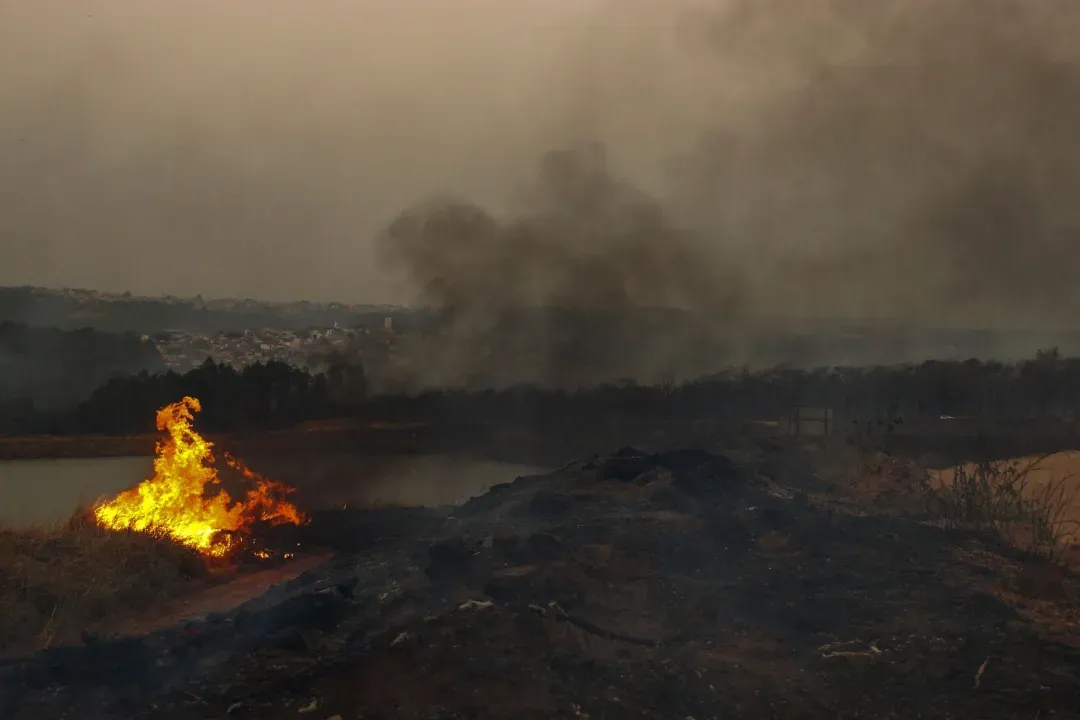
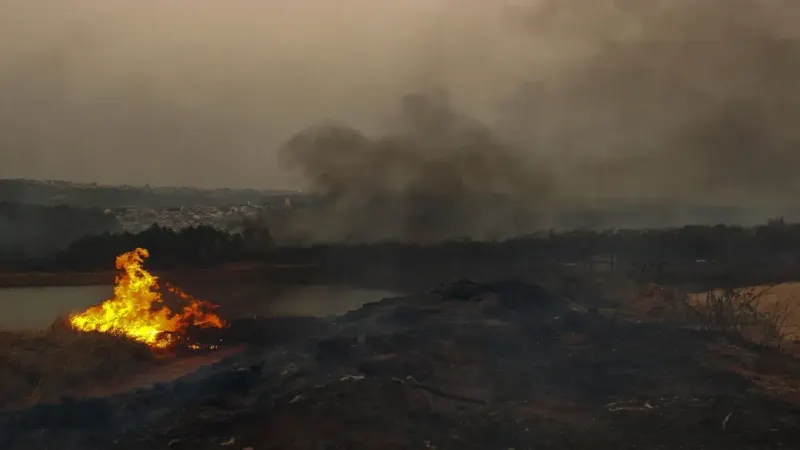
According to media records, the current fires are mainly concentrated in the suburbs of São Paulo city, while the urban area has largely escaped direct impact. However, rural areas of the state are filled with smoke, trees along multiple highways are burning, wildfires have swept through farmland in northern São Paulo, thick smoke shrouds nearby towns, and local authorities have banned residents from outdoor exercise.
Reports say São Paulo state is experiencing its worst wildfire attack in decades, with about 5,000 fires in all of 2024. At present, the situation in São José dos Campos in the eastern part of the state is critical, with more than 300 fires occurring in two days, leading to school closures in the city. The most severe fires are in Ribeirão Preto in the north. Previously, two employees at a factory in Urupês died while trying to fight a fire, and another two people were arrested on suspicion of arson.
It is understood that wildfires in Brazil usually peak in August and September, but this year's climate has been abnormal, with particularly hot and dry weather. Starting in late May, wildfires appeared in the Pantanal, Brazil's largest wetland. The governor said he was making every effort to respond to the fires and warned that the current heatwave and drought are causing the fires to spread, and strong winds may intensify them.
In addition, affected by drought and surrounding fires, multiple Brazilian cities have been shrouded in smoke with low visibility; some state highways in São Paulo state have been forced to close, multiple flights have been canceled at two nearby airports, and one of the airports has been temporarily closed.
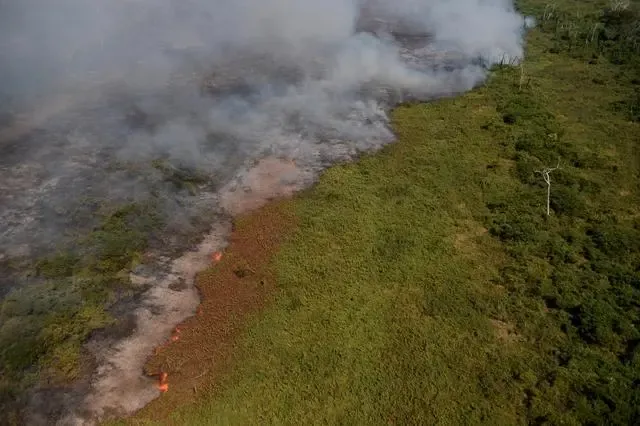
Although Brazil's coffee harvest has entered its final stage and the new crop season's coffee is in its growth period, the current severe fires will seriously affect Brazil's coffee production in the new season. It is understood that Ribeirão Preto, where the fires are most severe, is an agricultural trade center for this region and nearby areas in neighboring states, and crops such as coffee and grains are grown around the city, with serious impact. At present, wildfires have swept through farmland in northern São Paulo, and Alta Mogiana, the most famous coffee-producing region in São Paulo state, is also in the north and may be affected by the fires.
In addition, multiple state roads in São Paulo state have been closed due to the fires, which will affect the efficiency and timing of coffee transportation. The fires will also damage local soil, leading to reduced soil fertility. According to forecasts from Brazil's meteorological department, São Paulo state will see cooler temperatures and rainfall in the coming days, but "black rain" mixed with smoke particles from the fires may occur, which will greatly affect the growth of coffee in the upcoming new season.
To learn more about coffee origin news and information, please scan the QR code to follow: Coffee Review
Long-press the QR code to follow:
The above content is compiled by CoffeeHunters, a coffee news website.


