







Search Results for: Select Highland Coffee
A Comprehensive Analysis of the Flavor Characteristics, Grading, and Processing Methods of Honduran Specialty Coffee
Honduras is an important coffee-producing country in Central America. Its coffee beans are plump and evenly colored. Thanks to its mild tropical climate and abundant rainfall, it produces outstanding specialty coffee. This article will guide you through Honduras coffee's harvesting methods, washed processing flow, and the flavor and regional characteristics of the two grades "Highland Coffee" and "Select Highland Coffee," while also presenting Front Street Coffee's attention to and recommendations for Honduran specialty coffee. [more…]
A Complete Analysis of Honduran Specialty Coffee Flavor Characteristics, Processing Methods, Regional Grades, and Varieties
Honduras, as an important coffee-producing country in Central America, is known for its specialty coffee with a soft, rich mouthfeel and the sweet aroma of black berries and caramel. Front Street Honduras coffee beans offer a rich, full-bodied flavor profile—neither astringent nor sour—with excellent body and aroma. The formation of this quality is closely tied to its processing method: washed processing is used to select high-quality cherries, followed by sun-drying, which gives the coffee a subtle fruity note. Depending on altitude, Honduras also classifies its coffee into two grades: "Highland Coffee" and "Special Highland Coffee." This article will provide a detailed introduction to Front Street Honduras coffee in terms of its taste and flavor, processing method, and producing region and grade, giving you a comprehensive understanding of this highly regarded coffee. [more…]
Analysis of Honduran Coffee Estates, Regions, Varieties, and Flavors: Front Street Coffee Takes You Through the Characteristics of Highland Coffee
Honduras, as an important coffee-producing country in Central America, has 280,000 hectares of coffee plantations, mostly small estates. This article will provide a comprehensive introduction to Honduran coffee from the perspective of Front Street, covering estate names, taste profiles, producing regions, and varietal characteristics. High-quality Honduran coffee is washed, undergoing processes such as soaking, pulping, and screening, and is dried using the sun-drying method, giving it a faint fruity aroma. Its flavor is soft and full-bodied, with low acidity, notable for black berry and caramel sweetness, and occasionally hints of black pepper and tobacco. The article also explains in detail the two grades of High Grown Coffee and Strictly High Grown Coffee, as well as details such as coffee bean appearance and picking methods, taking you deeper into the unique charm of this Central American coffee origin. [more…]
Honduran Coffee Bean Flavor Analysis: Varietal Characteristics and Grinding Recommendations Under Washed Processing and Sun-Drying
Honduran coffee stands out among Central American origins for its balanced, mellow flavor. Front Street Honduras coffee beans have a medium-light acidity, with both bitterness and a sweet aftertaste; the overall mouthfeel is rich and full-bodied, making them suitable both for single-origin brewing and for espresso blends. This article provides a detailed introduction to Front Street Honduras coffee's growing region characteristics, processing methods, varietal flavors, and its performance at different roast levels, helping coffee enthusiasts gain a comprehensive understanding of this bean's unique charm. [more…]
A Complete Guide to Honduran Specialty Coffee: Regional Terroir, Grading System, and Flavor Characteristics
Honduras is located in northern Central America. Although it is known for its political instability, it is also a coffee-producing country that cannot be overlooked. This article will guide you through the country's coffee-growing conditions, grading standards, and processing methods, and take a deeper look at the flavor profile of Front Street Honduras coffee—from balanced acidity and bitterness to delicate fruity notes, as well as its versatile uses in both single-origin and blended coffees. Whether you are encountering it for the first time or already know something about it, you will gain a more complete understanding of Honduran coffee. [more…]
Ethiopian Coffee Cultivation Geography and Flavor Analysis of the Sidamo Specialty Region
Ethiopia is hailed as the birthplace of coffee, and its unique highland geography and climate have given rise to a myriad of specialty coffees with diverse flavors. This article will guide you through Ethiopia's coffee-growing geography, processing methods, and export overview, with a focus on the flavor characteristics of the Sidama region. From forest and semi-forest to garden cultivation, from washed to natural, every step shapes the coffee's personality. Front Street Coffee recommends a variety of Ethiopian beans, allowing you to savor the rich aroma of the Roof of Africa in your own home. [more…]
Brazil Mogiana Queen Estate Sun-Dried Yellow Bourbon COE Specialty Beans: Full Analysis of Grading and Pricing, Green Bean Information, and Roasting & Brewing
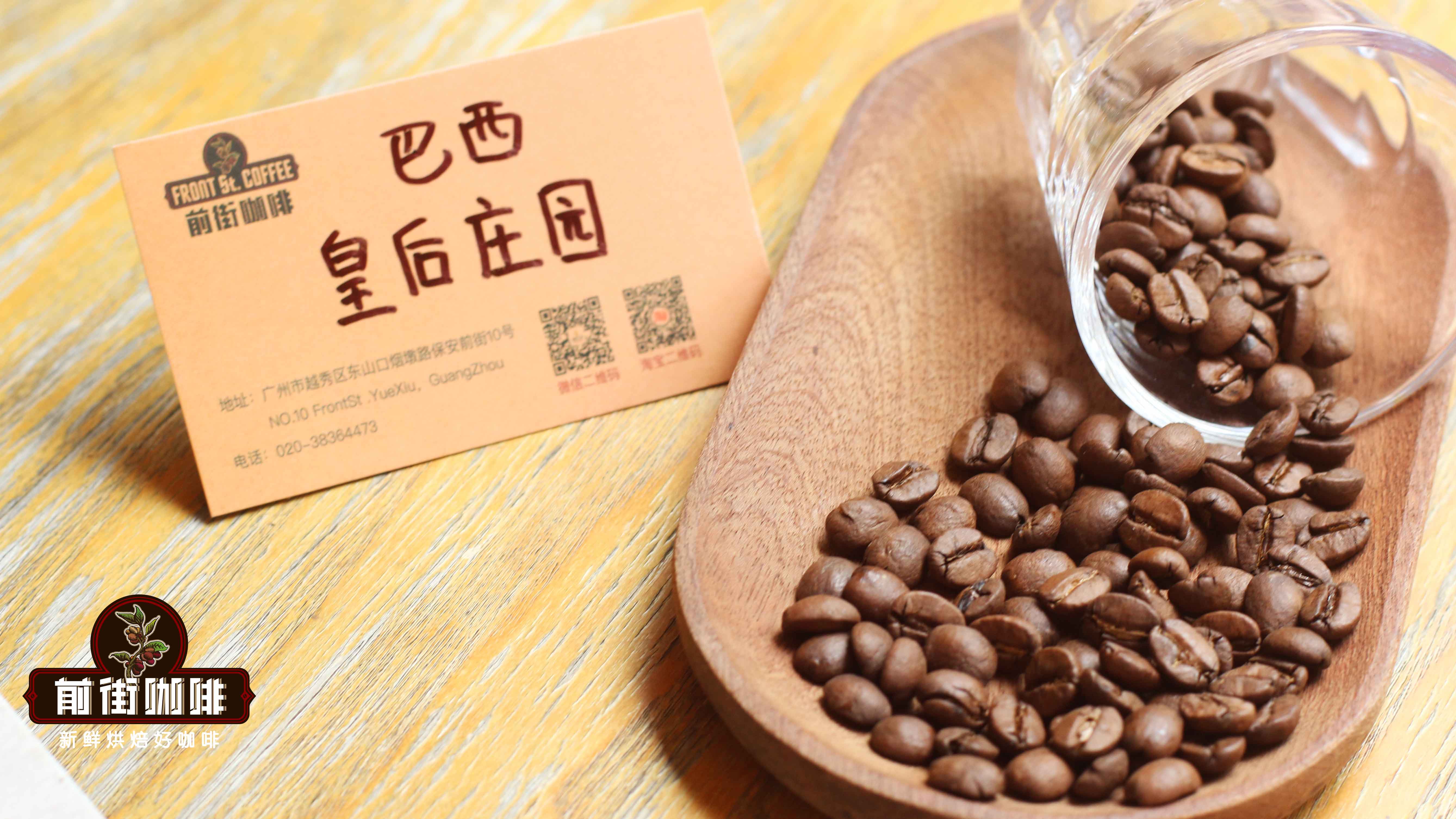
Fazenda Rainha is located in the highlands of Mogiana in São Paulo State, Brazil, and is a well-known estate under the Carvalho Dias family that has won numerous COE awards. The estate focuses on Bourbon varieties, with some old trees over a century old, at elevations as high as 1,200 to 1,400 meters, and an average annual temperature of only 19°C. The fruit grows slowly but is dense in texture, with flavor far surpassing that of ordinary Brazilian highland beans. Front Street Coffee's Brazil Queen Estate Yellow Bourbon is hand-picked and processed using the semi-dry method; the beans are sweet and clean, with bright yet gentle acidity, featuring tropical fruit aromas, creamy nuttiness, and a black tea finish. This article will provide a complete analysis of the unique charm and price positioning of this COE specialty coffee, from the estate's background, the COE grading system, and green bean processing procedures to roasting recommendations and brewing parameters. [more…]
Is Honduran coffee good? A comprehensive analysis of producing regions, grading, varieties, and balanced flavor
Honduras is a mountainous country in northern Central America and one of the world's top ten coffee exporters, harvesting about three million bags of coffee each year. Its coffee originated from El Salvador and only truly rose to prominence after the Brazilian frost of 1975. Honduras has six major coffee-producing regions, with cultivation mostly at altitudes above 1,100 meters. Arabica is the dominant variety, graded into HG High Grown, SHG Strictly High Grown, and CS. Its overall flavor is known for balance, with neither acidity nor bitterness being too assertive. It has a medium-to-light acidity, along with slight bitterness and a distinct sweet aftertaste, occasionally showing floral or fruity notes. Front Street Coffee's espresso blend uses 70% Front Street Honduras Sherry coffee beans, which perform well both in espresso and as a single-origin brew. [more…]
Rwanda's Coffee Industry: From Historical Trauma to the Rise of Specialty Washed Beans in a Landlocked African Nation
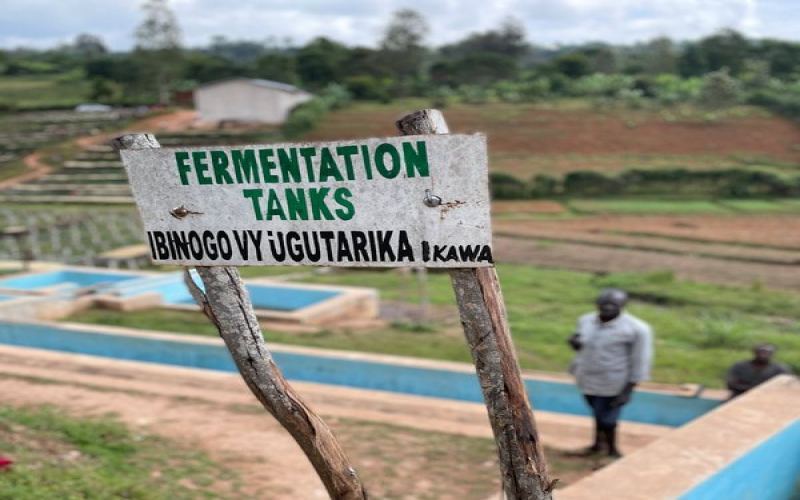
Although Rwanda is a landlocked country in Africa, its high altitude, volcanic soil and temperate highland climate have made it a coffee origin that cannot be overlooked on the specialty coffee map. This article traces the complete story of Rwandan coffee, from low-quality, high-volume production during the colonial period, through a difficult recovery after the genocide, to the establishment of a washing station system, the hosting of the Cup of Excellence, and its entry into international markets. It also introduces the flavor differences among its main producing regions such as the south and west, analyzes the reasons why Bourbon-family varieties are at the core and washed processing dominates, and includes information on the Giseke coffee beans sold by Front Street Coffee along with brewing suggestions, helping readers gain a comprehensive understanding of the coffee strength of this "Land of a Thousand Hills." [more…]
Caribbean Three-Origin Coffee Tasting Guide: Flavor Comparison of Jamaican Blue Mountain, Puerto Rican Yauco, and Dominican Coffee
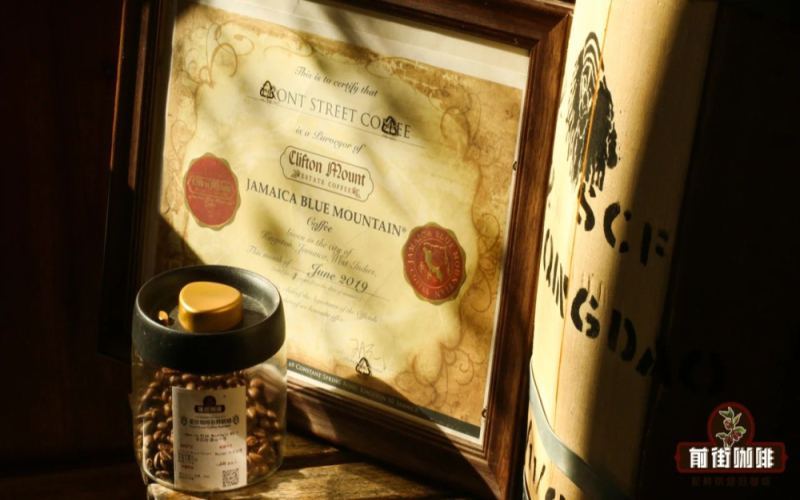
The Caribbean region has given birth to some of the world's finest coffees. Among them, Jamaica Blue Mountain stands out as the crème de la crème, thanks to its mild flavor and low acidity, and Front Street Blue Mountain No. 1 is widely recognized as a No. 1 grade with plump beans and outstanding quality. Puerto Rico's Yauco region has earned fame in Europe for its distinctive flavor, while the Dominican Republic presents diverse styles through different cultivation methods in its highlands and lowlands. The coffees of all three places are mainly Arabica and share a similar Caribbean character, yet each has its own strengths due to differences in processing methods and terroir. This article provides a complete analysis of the origin stories, grade classifications, flavor characteristics, and current market conditions of representative coffees from these three places, giving you a clear overview of the finest Caribbean coffee in one go. [more…]
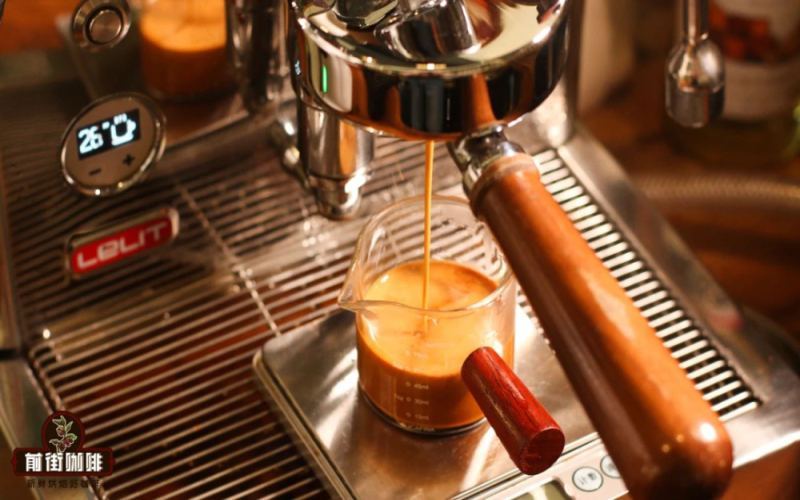
The Complete Moka Pot Guide: From Extraction Principles to Dual-Valve SOE and Espresso Blend Recommendations
As a classic strong coffee brewing device, the moka pot still sparks endless debate among many coffee enthusiasts today—does it really count as a substitute for espresso? Europeans prefer to call it an Espresso Pot, and from this name alone you can tell that the coffee a moka pot produces does indeed fall into the espresso category, just presented in a more classical and simple way. Like espresso machines, moka pots use pressurized extraction, a mode that naturally suits the rich, full-bodied, thick-crema style of dark roasting. So the approach to choosing beans can follow that of espresso: whether you're after value-for-money blends or single-origin SOE beans with standout flavors, both can find a fitting place in the moka pot. This article starts from the logic of extraction and introduces suitable bean options for the moka pot one by one, including Front Street Coffee's Classic Blend, Strawberry Candy Espresso Blend, as well as selected single origins like Golden Mandheling and Queen's Farm Brazil, and shares practical tips for buying quality coffee beans online. [more…]
Analysis of Honduran Coffee-Growing Regions and Flavors: A Complete Guide from Six Major Origins to Sherry Cask Fermentation
As the largest coffee producer in Central America, Honduras nurtures a diverse range of high-quality coffees thanks to its mild tropical climate and abundant rainfall. This article systematically reviews the terroir characteristics and cup profiles of Honduras's six major producing regions, explains the origins of major varieties such as Caturra, Catuai, and Pacas, and delves into how washed processing and whisky-barrel fermentation give coffee its distinctive boozy aroma. At the same time, Front Street Coffee's Sherry and Lychee Orchid beans serve as examples to present a complete picture of Honduran coffee from origin to cup. [more…]
A Complete Flavor Guide to the Americas Coffee Regions: From Brazil to Blue Mountain, the Key to Beginner Tasting
When you first get into coffee, many people can only taste "coffee flavor," and all they smell is "coffee aroma"—this is actually perfectly normal. As your tasting experience accumulates, you'll gradually perceive rich tonalities like floral notes, fruit, and caramel. For beginners, starting with well-balanced American or Asian beans is a key to opening the door to coffee appreciation. This article will systematically outline the coffee flavor characteristics of major producing regions in Central and South America, covering Brazil, Colombia, Panama, Costa Rica, Honduras, Guatemala, Peru, Ecuador, Jamaica Blue Mountain, and Bolivia, along with specific product recommendations from Front Street Coffee, to help you understand regional characteristics while finding the cup that suits you. [more…]
How Is Indonesian Mandheling Graded? A Bean Selection Guide from Sumatra Origins to Wet-Hulling Processing
Indonesia is an important coffee-producing country globally, with specialty Arabica mainly distributed in the high-altitude areas of northern Sumatra, Sulawesi, and Java. Mandheling is famous for its low acidity, full body, and unique herbal spice flavors, among which Golden Mandheling requires four rounds of hand sorting and is of a higher grade. From the perspective of Front Street Coffee, this article reviews the four major coffee types of Sumatra, the wet-hulling process of Lintong Mandheling, and Indonesia's G1 to G6 grading system based on the proportion of defective beans, and includes the three-pour brewing parameters for the Kono dripper recommended by Front Street Coffee, helping coffee enthusiasts select and brew high-quality Mandheling. [more…]
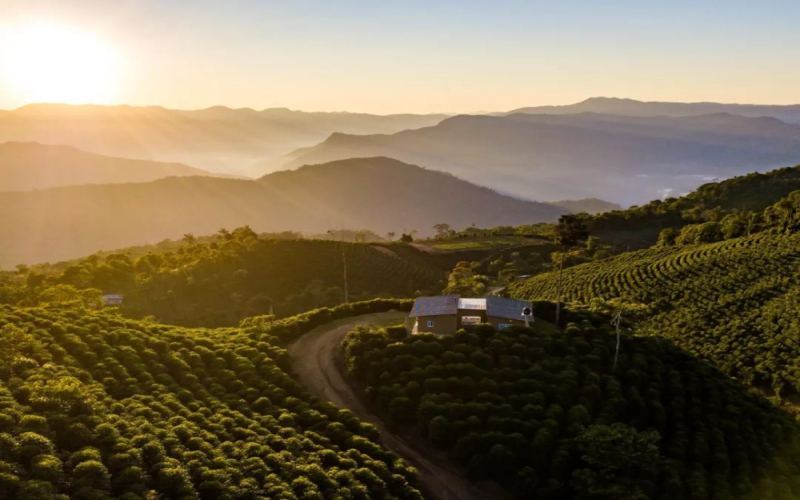
Flavor Characteristics and Stories of Bolivian Coffee Regions: Exploring the Cocoa Natural Process of Yungas Java Beans
On the coffee map of South America, Bolivia is a rather low-key presence—bordered to the north by two major players, Brazil and Peru, and with modest production of its own, yet blessed with exceptional natural conditions that make it a land of potential for specialty coffee. From the high-altitude valleys of La Paz to the steep growing regions of the Yungas, what twists and turns has Bolivian coffee's history taken? And what distinctive flavor expressions does the Waliki Estate Cacao Natural Java that Front Street Coffee brings this time have to offer? This article will take you through the past and present of Bolivian coffee, from the terroir of its growing regions, the origins of its varieties, to processing methods and brewing suggestions, offering a complete interpretation of the coffee story of this highland nation. [more…]
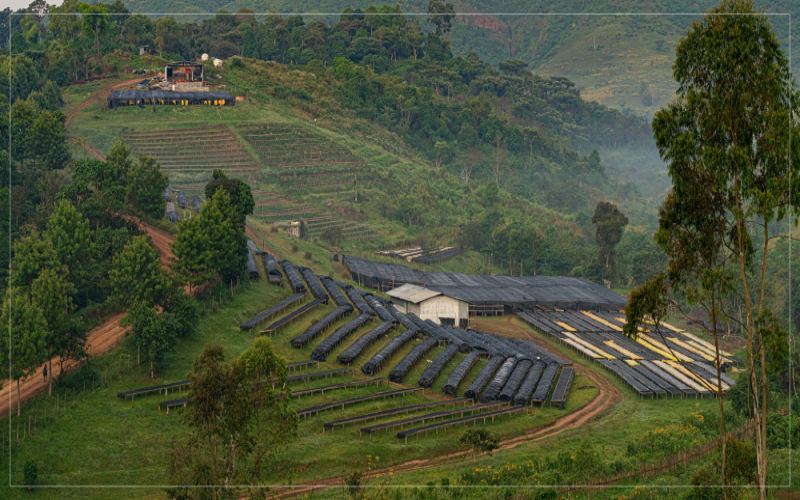
Ethiopia Bench Maji Region Full Guide: The Birthplace of Geisha, Forest Planting Model, and the Grading System of Gesha Village
In Ethiopia's specialty coffee landscape, Yirgacheffe, Sidamo, and Guji Hambela often take center stage in conversations, but along the country's western border lies a coffee region covered in pristine forest and renowned for its high-quality beans—Bench Maji. It is not only the birthplace of the Geisha variety but also home to the Gesha Village Coffee Estate. This article will cover the geography and climate, cultivation patterns, and the history of Geisha's origins, then move on to the grading system at Gesha Village, followed by Front Street Coffee's detailed introduction to Gold Label and Red Label Geisha along with pour-over recommendations, giving coffee lovers a complete picture of this understated yet highly capable region. [more…]
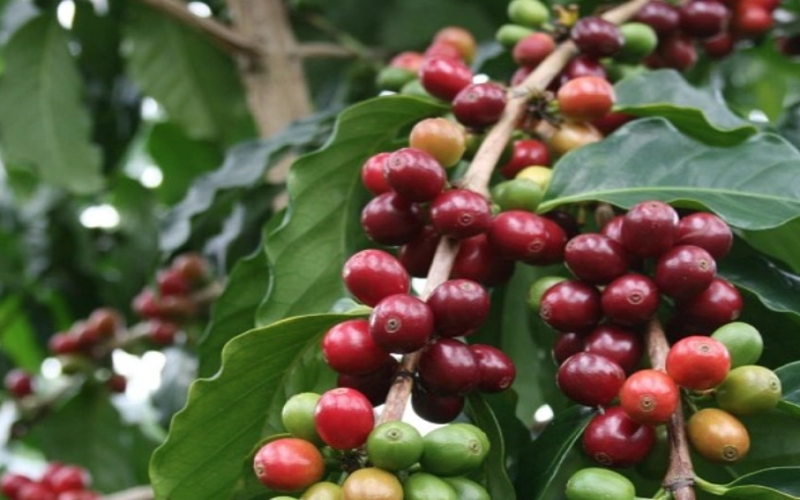
Varietal Characteristics and Cultivation History of Bolivian Coffee: The Rise of Specialty Coffee Through Front Street Java Beans
Although Bolivia is adjacent to Brazil and Colombia, it has long been regarded as a minor coffee country, with scarce production but outstanding flavor. The Bolivian Java beans introduced by Front Street Coffee are impressive for their complex profile of grape, nut, floral, and honey notes. This article will systematically review the full picture of Bolivian coffee, from growing conditions, historical changes, and regional characteristics to varieties and processing methods, and will focus on the origin background and processing details of Front Street's Cacao Natural Java beans, taking you deeper into how this highland nation, relying on its unique microclimate and the strength of family enterprises, has regained attention on the specialty coffee map. [more…]
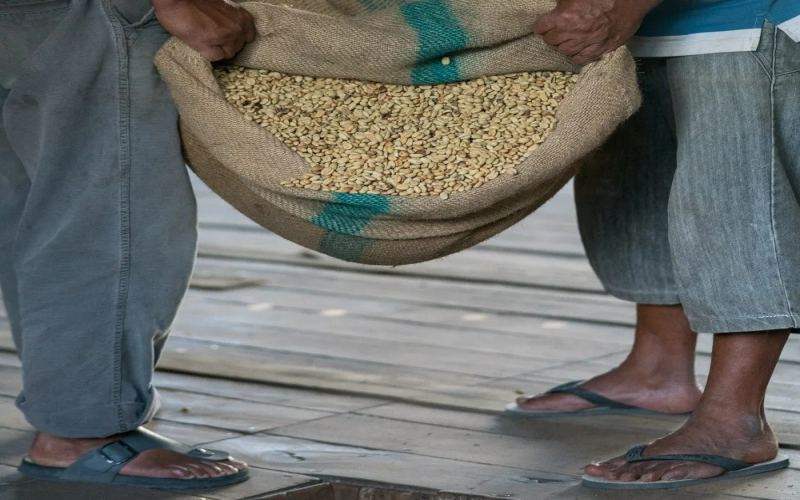
Introduction to Indonesian Coffee Origins | What Are the Characteristics of PWN Golden Mandheling Coffee Beans? How Do You Brew Golden Mandheling? Is Mandheling Black Coffee Considered Americano?
For more specialty coffee knowledge, please follow our WeChat official account: Front Street Coffee (FrontStreet Coffee). Front Street Golden Mandheling, as a unique specialty coffee from Indonesia, has flavors of herbal and rich dark chocolate aromas, a mellow and smooth mouthfeel, and a nutty sweet aftertaste—just thinking about it makes [more…]

A Flavor Comparison of Specialty Coffee Regions in Africa and the Americas: Exploring the Terroir in the Cup from Kenya to Panama
The charm of specialty coffee largely stems from differences in terroir across producing regions—sunlight, rainfall, soil, altitude, and processing methods all leave their mark in the cup. Coffee trees thrive in the coffee belt between 25 degrees north and south latitude, with an ideal growing altitude of mostly 1,000 to 2,000 meters, an average annual temperature of 15 to 25°C, and annual rainfall of 1,500 to 2,000 millimeters. The rainfall pattern must also match the flowering cycle. In addition, well-drained, fertile soil rich in volcanic ash is required. The two major producing regions of Africa and the Americas, because of their different regional terroirs, present strikingly different flavor profiles: African coffees are known for intense aroma and bright fruity acidity, while American coffees are known for balance and a combination of acidity, sweetness, and aroma. This article will guide you through the flavor characteristics and representative beans of the two major producing regions, while retaining the related product recommendations from the Front Street brand. [more…]
The Origin of African Coffee, Ethiopia: A Full Analysis of Production Regions, Processing Methods, Grading Systems, and Flavor Characteristics
Ethiopia is recognized as the birthplace of Arabica coffee, and wild coffee trees still grow in the Kafa forests to this day. Coffee from this country is mainly processed in two ways—natural (sun-dried) and washed—and the flavor differences brought by different processing methods are quite pronounced. The main producing regions include Sidamo, Harar, and Yirgacheffe, along with other small specialty regions such as Limu, Djimmah, Lekempti, Bebeka, and Wellega. Ethiopia's coffee grading system is relatively complex, as the grade standards for washed and natural coffees differ. Coffees from different regions each have their own characteristics in bean shape, acidity, body, and flavor: Harar has a typical mocha note, Yirgacheffe is known for its floral aroma, and Limu is rich in vinous notes. Front Street Coffee recommends that enthusiasts who love African beans pay particular attention to washed batches from Yirgacheffe and Sidamo. [more…]