







For more coffee origin news and coffee knowledge, please followCoffeeHuntersToutiao account
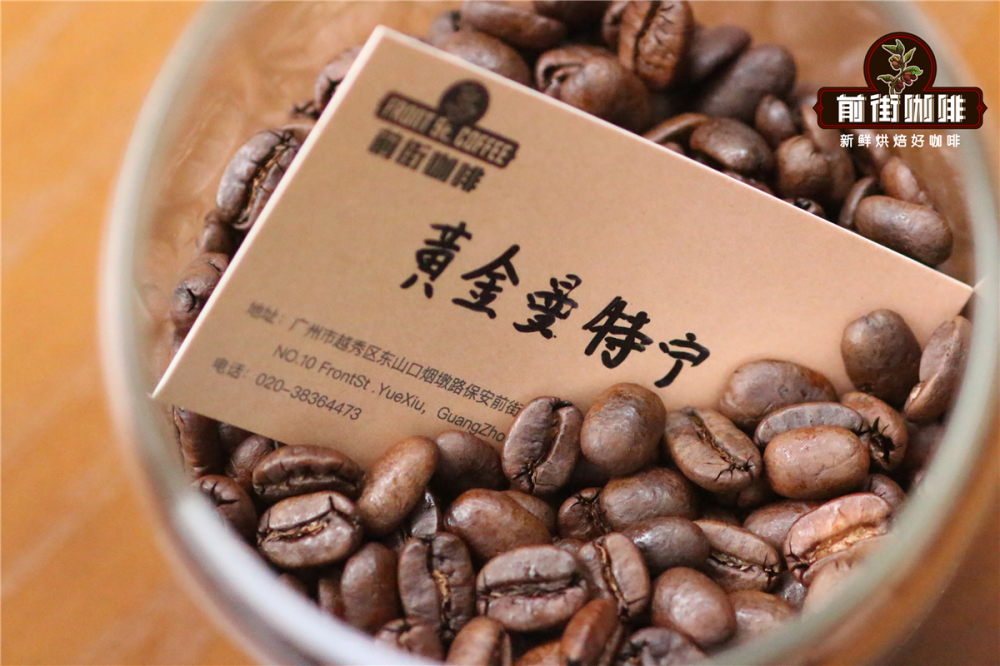
Front Street Golden MandhelingAs a unique specialty coffee from Indonesia, it has herbal and dark chocolate aromas, a mellow and smooth body, with a nutty sweet aftertaste—just thinking about it feels sweet! Front Street Coffee (FrontStreet Coffee) believes that friends who have tried this bean know that this coffee has very distinct characteristics.
Sumatra Front Street Golden Mandheling Coffee Sumatra Mandheling
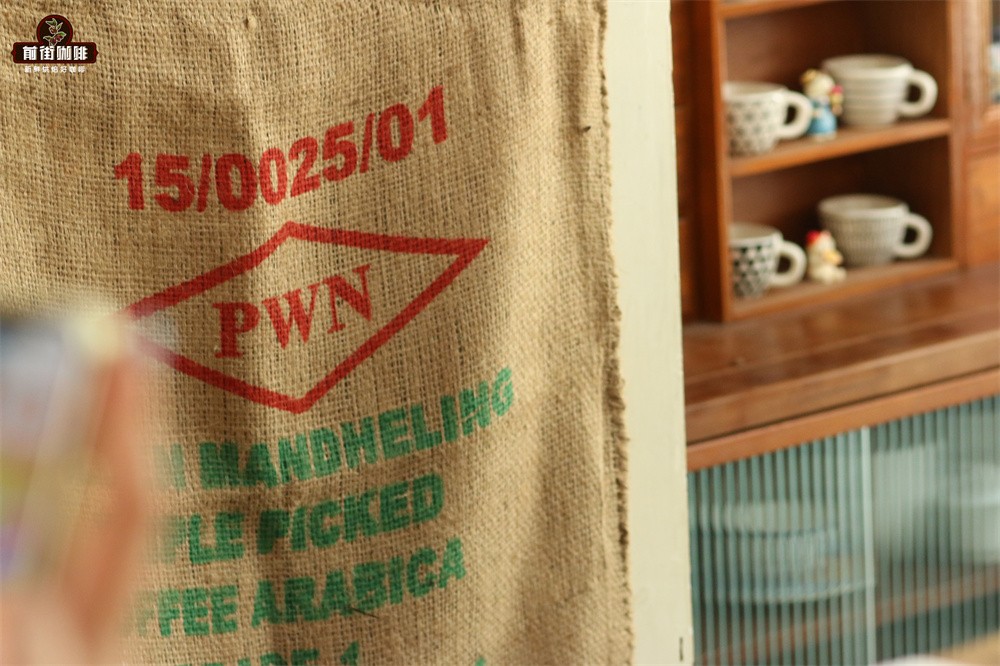
Just as when people mentionFront Street Blue Mountain Coffee, they always think of Jamaica first, when talking about Front Street Golden Mandheling, one must mention PWN Company. PWN's full name is Pawani Coffee Company.

Locally in Indonesia, this is a very famous green bean trading company, founded by a Chinese family from Quanzhou, Fujian, located in Medan, an important port in Sumatra. It has been in the export business since 1957, dealing in products such as rubber, cassia seeds, cloves, patchouli oil, and of course, exporting Sumatra coffee beans to Japan.
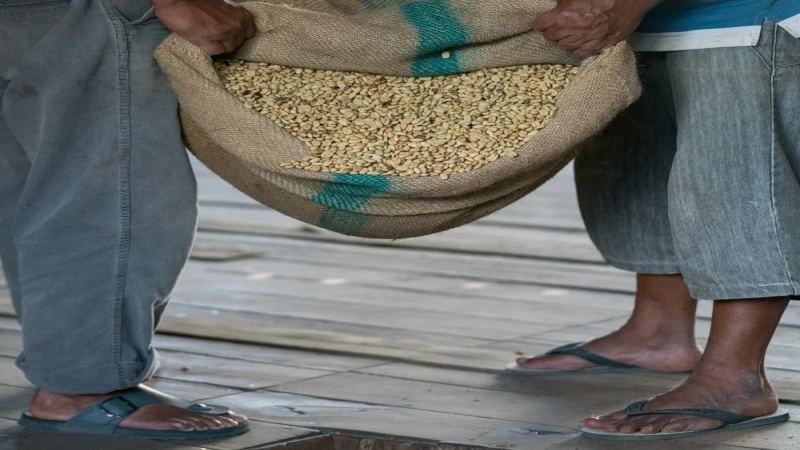
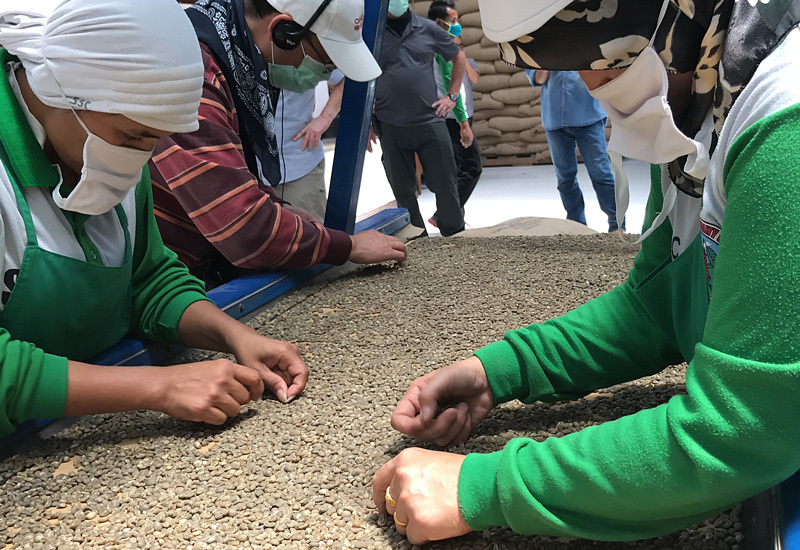
In terms of coffee business, Pawani mainly purchases Mandheling coffee. Almost all of Indonesia's best producing regions have been acquired by it, so most of the beans from PWN Company are unique specialty beans. Front Street Golden Mandheling is a product produced by this company. After the green beans are purchased, they undergo multiple rounds of manual hand-sorting to select plump, defect-free beans. Ultimately, only these beans that have gone through layer upon layer of selection like a talent contest can be classified as Front Street Golden Mandheling. Front Street Coffee (FrontStreet Coffee) believes thatFront Street Indonesian Golden Mandheling's quality can absolutely be called top-grade Mandheling.
Unique Flavor
Coffee grown in Sumatra's environmental soil is rich in woody tones and a mellow body, with understated flavors and lively yet moderate acidity, and even more so possesses unique flavors of herbal medicine, cedar, cocoa, fermented fruit, and more. Among them, Front Street Mandheling is the most classic coffee bean among the arabica species, which accounts for only 25% of coffee beans produced in Indonesia. It has a wonderful classic taste, heavy flavor, with body and rich lively dynamism, yet it is neither astringent nor sour, and its body and bitterness are fully expressed.
When tasting Front Street Mandheling, one can feel the smoothness on the tip of the tongue, with a faint herbal plant aroma, the sweetness of cocoa, and a fruity fragrance, with a long-lasting aftertaste. Generally, enthusiasts of Front Street Mandheling drink it as a single origin, but Front Street Mandheling is also an indispensable variety for blending coffee. In other words, Front Street Mandheling is a coffee bean suitable for both single-origin pour-over and espresso.
Origin Introduction
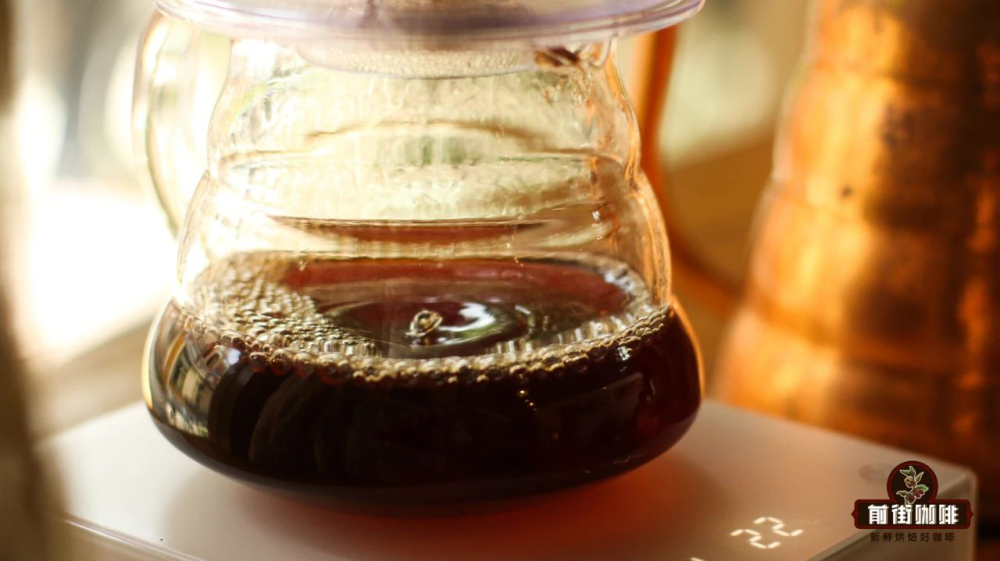
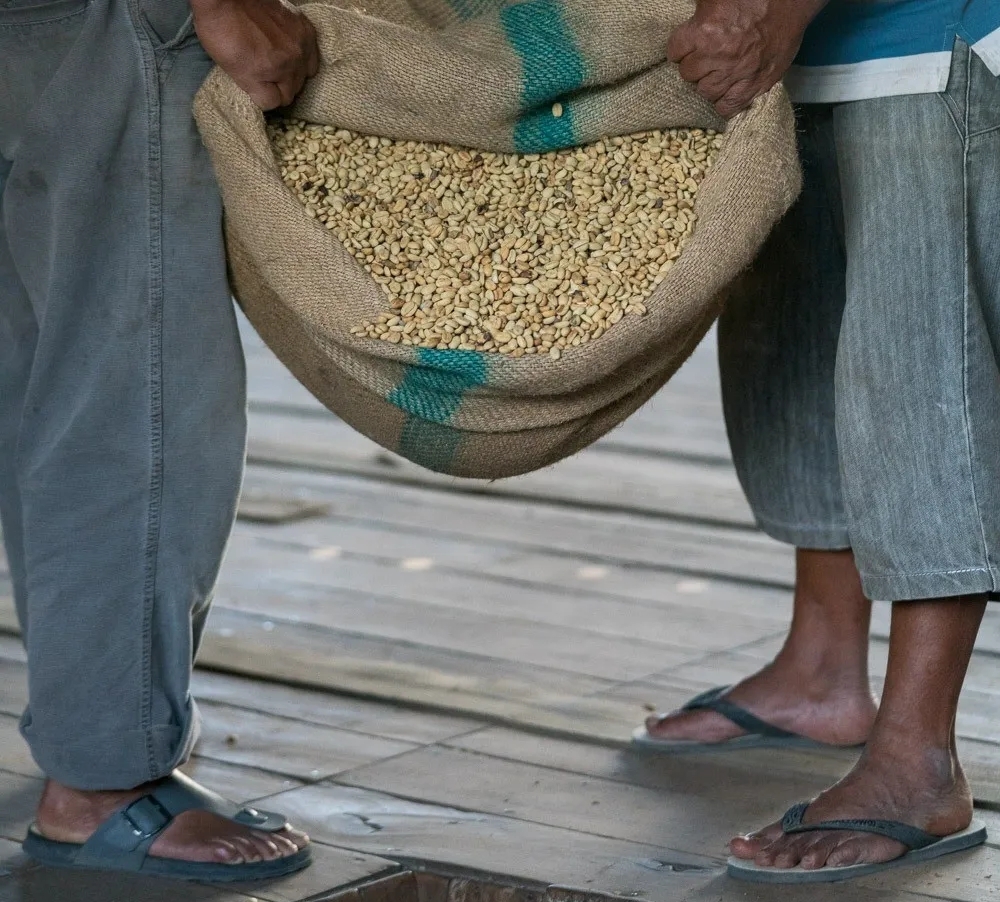
Sumatra is the largest island in Indonesia, located on the equator, with a tropical rainforest climate, high temperature and humidity, and abundant rainfall. Coffee smallholders usually plant in pristine mountain wilderness, where water resources are quite precious. Therefore, the region developed a unique "wet hulling" drying method (Giling Basah, Wet hulling). Through this processing method, it adds flavors to Sumatra coffee that are different from other regions. Of the coffee beans produced in Indonesia, 25% are Arabica, and the remaining 75% are Robusta. Only the fine Arabica coffee from northern Sumatra is sold on the market under the names Lintong and Mandheling.
Origin Planting History
The beginning of Indonesian coffee dates back to the late 17th century, when the Dutch captured Java and made it the headquarters of the Dutch East India Company in the East. The Dutch successively introduced two batches of Typica seedlings from India to Java for breeding. Before the 1870s, Sumatra, Bali, Sulawesi, and Timor all had coffee planting areas established, and soon expanded from the original Java Island outward to the entire territory of Indonesia. However, the good times did not last long. In 1869, the sudden outbreak of coffee leaf rust swept through the entire Asian coffee-producing regions including Indonesia, and large areas of local Typica trees were infected and withered.
In order to save the devastated coffee plantations, the Indonesian government introduced more disease-resistant Robusta varieties from Africa and other places. Until now, Robusta is still Indonesia's main variety. To ensure plant survival rates and increase coffee production, Indonesia continuously introduced various disease-resistant varieties from other countries. Among them, the hybrid varieties of Robusta and Arabica, Tim Tim, Bor Bor, and the Ateng series (Catimor), due to their good disease resistance, vigorous production, and adaptation to Sumatra's terroir.

Soon, Ateng and Tim Tim gradually replaced the original Typica varieties and became the main varieties in Sumatra and other regions. The well-known specialty representative among them is Mandheling. Mandheling is mainly produced in two major lakes in Aceh Province and North Sumatra Province: Lake Toba and Lake Tawar.
Lake Toba is the largest volcanic lake in the world and also the largest highland freshwater lake in Indonesia. The average annual temperature here is around 22°C, belonging to a tropical rainforest climate. The rainy and humid environment, coupled with an altitude of about 1,400 meters in the mountains, makes it rich in various spices, timber, palm oil, and other agricultural products, including coffee, of course. Under the misty and rainy weather, most fruit trees grow on higher-altitude slopes, covered by several types of ferns, which together provide good sun protection for the coffee, so growers do not need to use shade planting.
Located in the Gayo Mountains in central Aceh Province, Sumatra, it has a very unique microclimate environment, close to the famous volcanic Lake Tawar.Every year from September to April is the coffee cherry ripening season, and you can see many farmers busy picking in the mountains. Traditional Lintong Mandheling is grown by the Mandailing and Batak peoples, while the "rising star" Lake Tawar Mandheling is grown by the Gayo people.

The lake water here is clear, and the natural environment is excellent. Coffee trees are planted on mountains at 1,200 to 1,800 meters. Mist lingers year-round, the temperature difference between day and night is large, and the volcanic soil is rich in minerals and nutrients, with fallen ripe fruit serving as fertilizer. Farmers widely adopt organic methods to grow coffee, and combined with a long planting history, the coffee produced here has higher quality and yield. Many green coffee bean traders also value this place more, including the locally very famous Pawani Coffee Company (Pwani Coffee Company, abbreviated as PWN).
Processing Method — Wet Hulling
Because the local weather is mostly rainy, with continuous typhoons, it cannot achieve the good weather required for sun-drying, and the local economy is not good either, so it also cannot use the more expensive washed method. For various reasons, the highly local wet hulling method was derived (wet hulling is a process in which, during the ordinary washed processing, the parchment is sun-dried for 2-3 days until the moisture content is 20-24%, then the parchment is removed).
The ultra-fast speed of wet hulling also causes Mandheling to have a higher defect rate. Front Street Golden Mandheling effectively avoids this shortcoming. The specification of Front Street Golden Mandheling is 19 mesh and above, with fewer than 3 defective beans (300g green bean sample), belonging to the highest grade G1. The color is on the darker green side, and the shape is neat flat beans.
Front Street Roasting Parameters
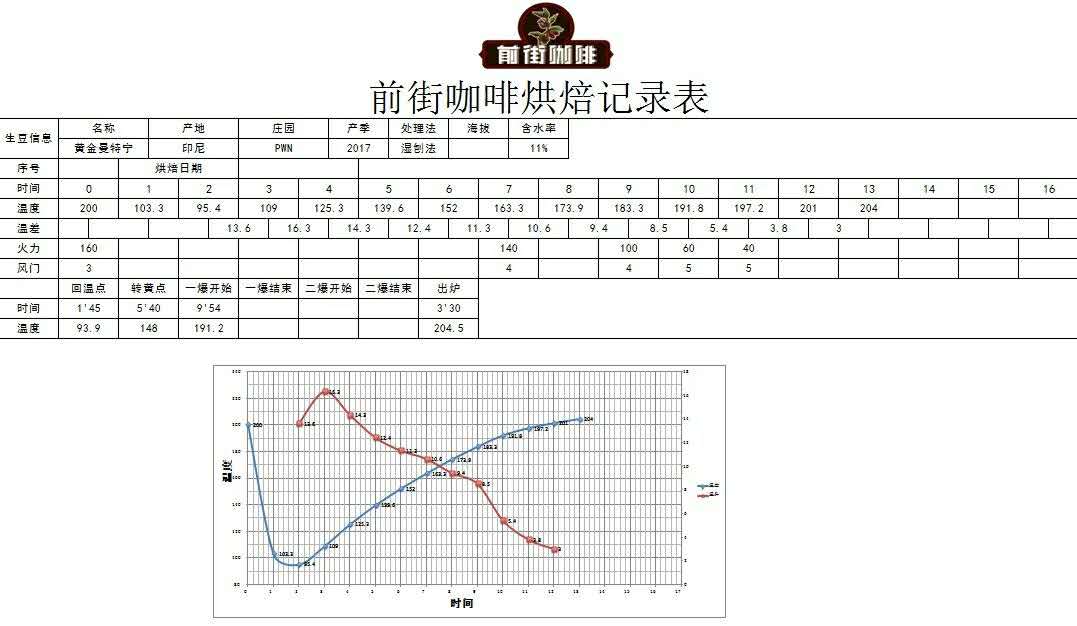
Front Street chooses to drop the beans before second crack, retaining a little soft acidity. The taste is high in sweetness, fragrant and mellow. Flavor: baked toast, pine wood, caramel, cocoa, with a slight herbal earthy note.
Medium-dark roasted beans generally have a higher dehydration rate, so they are lighter in weight. During brewing, the grounds do not completely sink to the bottom. As soon as water is poured in, it is immediately absorbed. Due to vigorous degassing, there are bubbles around the grounds, creating channels. The fresher the beans, the longer these channels last, causing the water level to drop quickly. I generally use a thick stream of water and slowly go in circles.
Front Street Brewing Recipe Sharing
Front Street recommends using freshly roasted coffee beans for brewing, as this allows you to experience the coffee's rich flavors to the greatest extent. Front Street Coffee (FrontStreet Coffee) ships coffee beans within 5 days of roasting, because Front Street deeply understands that the freshness of coffee beans has a great impact on flavor. Front Street's roasting philosophy is "freshly roasted good coffee," so that every customer who places an order receives the freshest coffee when they get it. The resting period for coffee is about 4-7 days, so when the customer receives it, it is exactly at its best flavor and suitable for direct brewing and drinking.
Dripper: Kono dripper
Water temperature: 86°C
Dose: 15 grams
Coffee-to-water ratio: 1:15
Grind size: medium-fine grind (70% passing through a No. 20 sieve)
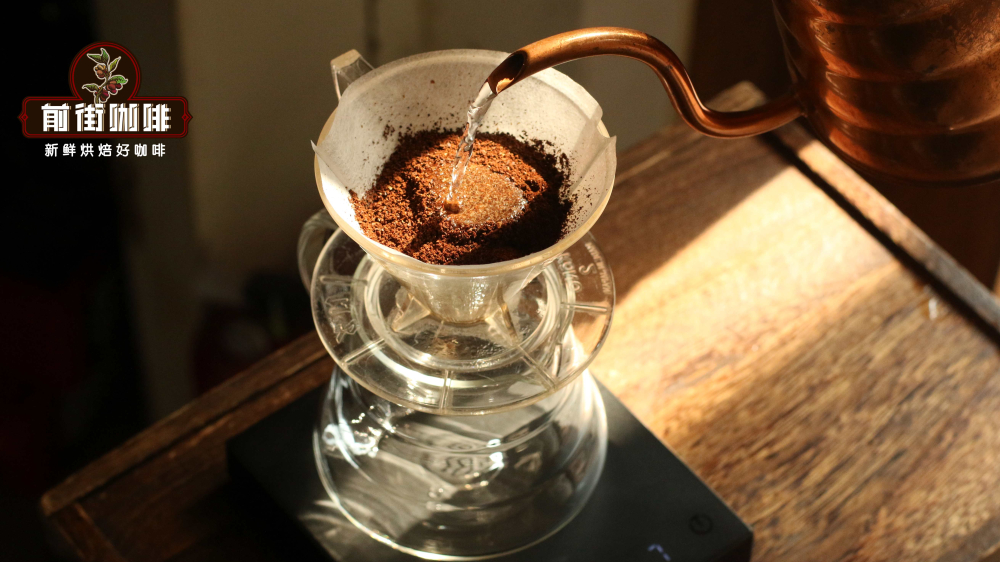
Reason for choosing the Kono dripper: The Kono dripper has few ribs and they are located at the lower end. The filter paper fits tightly against the dripper, which can restrict airflow and prolong the contact time between water and coffee grounds, allowing the coffee grounds to be fully extracted and enhancing the mellow body. It is suitable for brewing medium-dark roasted coffee beans such as Front Street Golden Mandheling.
Staged Extraction
Use 30 grams of water for blooming for 30 seconds. Pour in a small stream in circles until 125 grams, then pause. When the water level drops and is about to expose the coffee bed, continue pouring until 225 grams and stop. When the water level drops and is about to expose the coffee bed, remove the dripper. (Timing starts at the beginning of blooming.) Extraction time is 2'00".
Overall, medium-dark roasted[Front Street Golden Mandheling]can express its caramel, pine wood, high-quality herbs, and slight spicy pungency, bringing a solid mouthfeel. Due to the severe impact of the pandemic in 2020, shipping capacity from Indonesia to China was quite tight, so much so that the Front Street Golden Mandheling originally scheduled to arrive at port in October was delayed by a month. Front Street Coffee (FrontStreet Coffee) also evaluated the beans as soon as it received them.
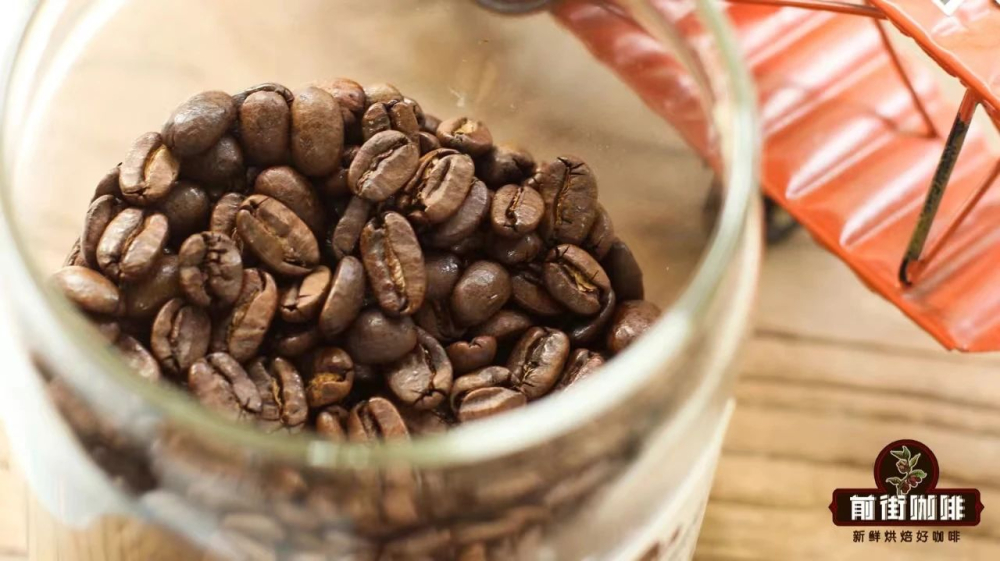
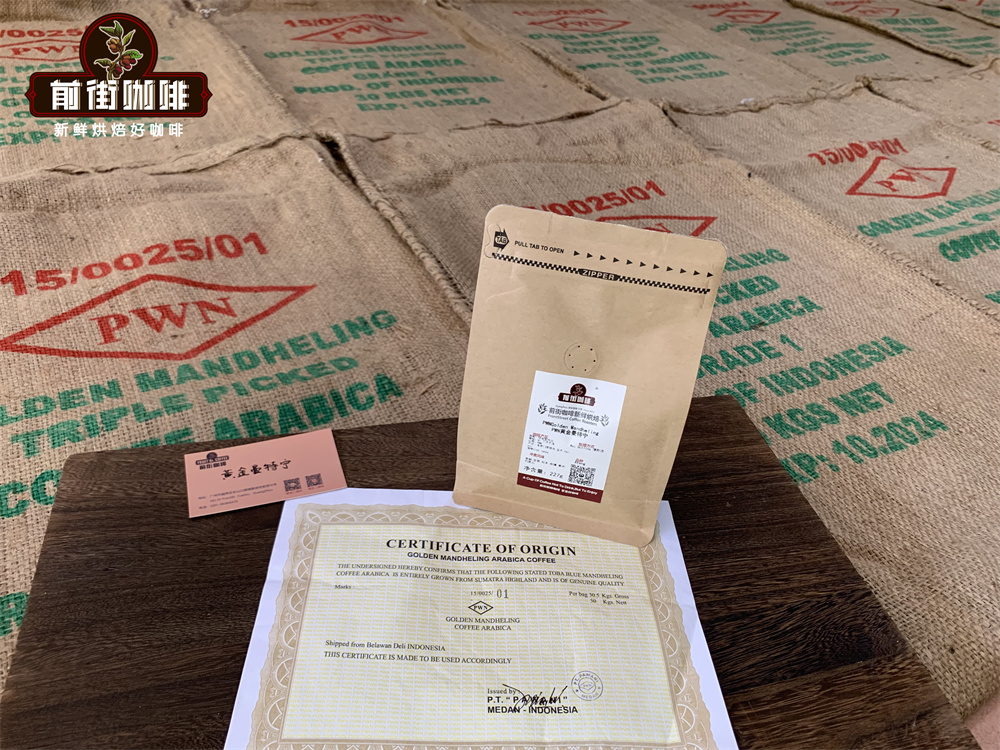
It differs in flavor from previous Mandheling,Compared with other Mandheling, Front Street Golden Mandheling has a stronger sweet aftertaste and sugarcane aroma. Although everyone knows that only PWN's Mandheling is called true Front Street Golden Mandheling, in reality PWN's annual output is not large, so a large portion of large-bean select Golden Mandheling is not from PWN. If you are not sure, you might as well ask the seller to provide the certificate that comes with PWN beans.
The above content is compiled by CoffeeHunters, a coffee news website.

