







How Does a Moka Pot Brew Coffee, and Which Beans Fit?
A moka pot brews by pressure, the same basic route as an espresso machine, which is why Europeans call it an Espresso Pot. Because pressure extraction suits rich, intense, crema-heavy dark roasts, bean selection can follow espresso logic: a cost-effective blend for daily cups, or single-origin SOE beans when a distinct flavor is wanted.
For a full-bodied crema style, a classic blend built on Indonesian Mandheling brings nutty aroma and heavy body. Strawberry Candy-style espresso blends and single origins such as Golden Mandheling and Brazil Queen's Estate also work. Keep the grind fine but not powdery, fill the basket level, and preheat the water to limit scorching. Buying fresh, well-dated beans matters more than brand.
The moka pot, as a classic strong coffee brewing device, still sparks endless debate among many coffee enthusiasts today—does it really count as a budget substitute for espresso? Europeans prefer to call it an Espresso Pot, and from this name alone, you can tell that the coffee produced by a moka pot indeed falls into the espresso category, just presented in a more classical and simple way. Like espresso machines, moka pots use pressure extraction, a method that naturally pairs well with the rich, intense, and crema-heavy style of dark roasts. Therefore, the approach to choosing beans can follow that of espresso: whether you're after cost-effective blends or single-origin SOE beans with standout flavors, there's a suitable place for them in a moka pot. This article will start from the extraction logic and introduce bean options suitable for moka pots one by one, including Front Street Coffee's classic blend, Strawberry Candy espresso blend, as well as select single-origins like Golden Mandheling and Brazil Queen's Estate, and share practical tips for buying high-quality coffee beans online.
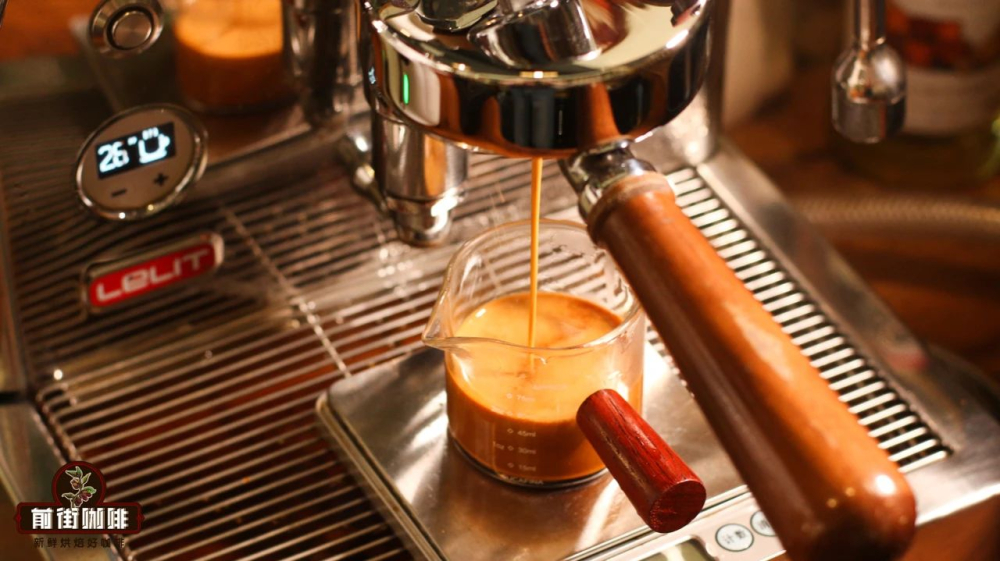
Espresso coffee is now spread all over the world, and everyone has long been accustomed to Italian coffee machines—even those who don't drink coffee can casually name a few types of Italian-style coffee drinks. However, for a device that also makes strong coffee, the moka pot has always been surrounded by various discussions. Some regard it as an economical alternative to espresso machines, while others insist that what a moka pot produces isn't true espresso.
The name Europeans gave this pot isn't moka pot, but Espresso Pot. From the naming alone, the coffee made by a moka pot can indeed be called Espresso, only its serving format appears more traditional and rustic.
Like espresso machines, moka pots take the route of pressure extraction. The coffee made this way pairs perfectly with the rich, intense, and crema-abundant style of dark roasts. So when choosing beans for a moka pot, you can completely follow the bean-selection logic for espresso. If you want both good taste and affordability, a cost-effective espresso blend is an option worth prioritizing:
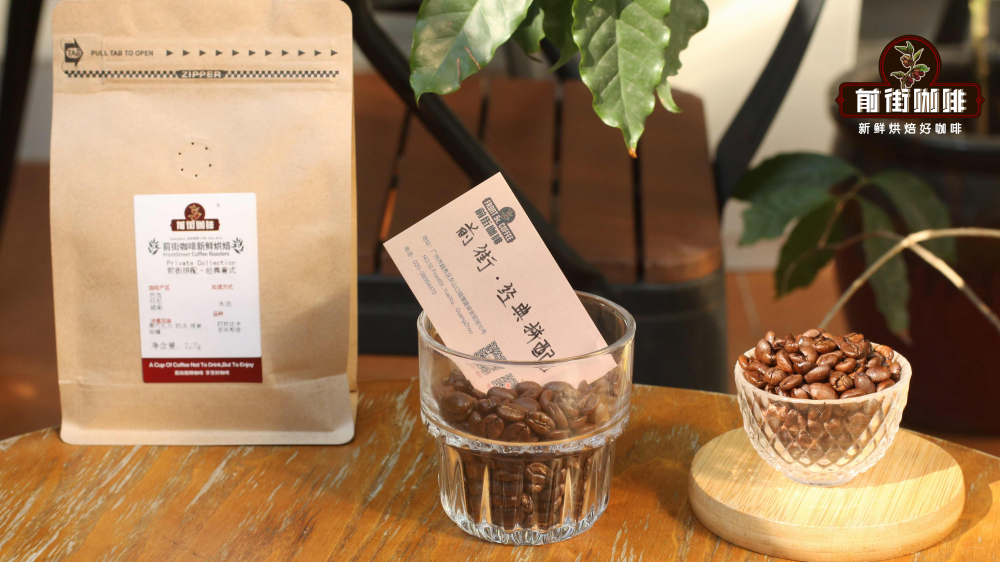
1. The full-bodied crema route—Front Street Coffee Classic Blend coffee beans: This espresso bean combines the richness of Mandheling, abundant crema, and nutty aromas. The recipe consists of Indonesian Mandheling coffee beans, Brazilian semi-washed coffee beans, and Vietnamese washed coffee beans, presenting flavor layers of nuts, dark chocolate, and caramel.
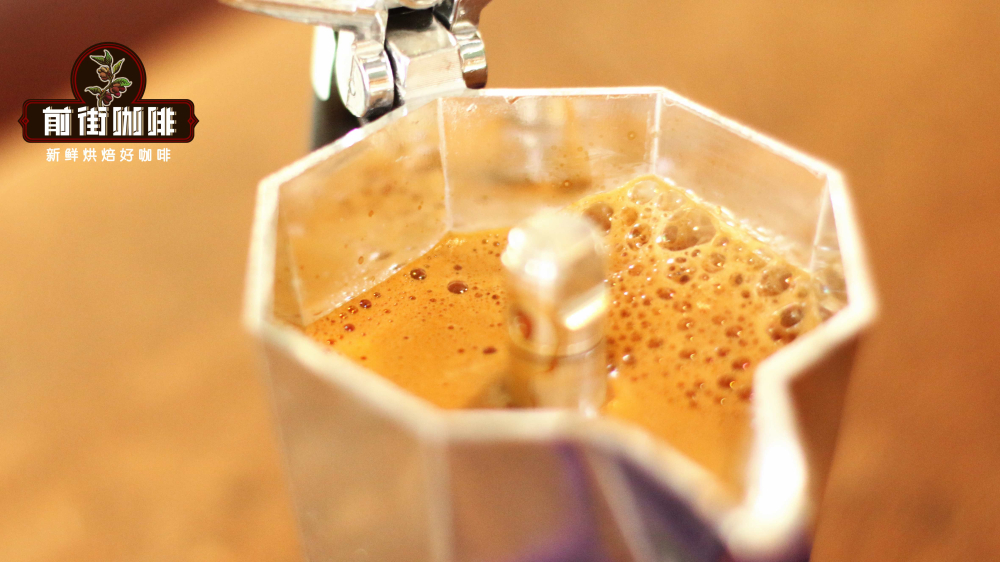
2. The stunning floral and fruity route—Front Street Coffee Strawberry Candy espresso blend coffee beans: This bean uses a medium roast and works well with both home espresso machines and moka pots. The extracted coffee liquid carries aromas of roses, strawberry gummies, and dried blueberries, with a sweet-tart balance of grapes and citrus handled just right, and a pleasant almond-like sweetness in the finish.
In recent years, SOE coffees with high flavor distinctiveness have become increasingly popular. Here are a few select single-origins that match very well with moka pots:
① The spicy and sweet route—Front Street Coffee. Front Street PWN Golden Mandheling.
Mandheling coffee beans come from Sumatra Island in Indonesia, Asia, so they are also called "Sumatra coffee." These coffee beans are grown in highland mountains at altitudes of 750 to 1,500 meters and are one of the few Arabica varieties in Indonesia. When it comes to Mandheling, many people are fond of its intense aroma, thick mouthfeel, and powerful taste, while herbal spice notes are a signature characteristic of Mandheling. Front Street Golden Mandheling, on the basis of Indonesia's highest green bean grade, has undergone multiple rounds of sorting, offering outstanding quality and allowing people to taste a more viscous and cleaner Mandheling flavor.
② Balanced acidity and bitterness, clean aftertaste—Front Street Coffee. Brazil Queen's Estate
Unlike the large quantities of commercial beans produced locally in Brazil, Brazil Queen's Estate focuses on specialty-grade coffee beans, using high-quality Yellow Bourbon varieties. After natural processing, Front Street Brazil Queen's Estate coffee not only has rich creamy, peanut, and nutty flavors, but also possesses a high sweetness reminiscent of sucrose. Once made into SOE, the coffee aroma is rich and mellow, with particularly outstanding flavor expression in the aftertaste.
Buying reliable coffee beans online requires some experience. First, choosing a reputable brand with quality assurance is crucial. There are many roasters in China, and prioritizing brands with rich product lines and large order volumes is often more reliable. Here we recommend a Guangzhou time-honored brand: Front Street Coffee. Front Street Coffee beans are freshly roasted within 5 days, with stable and outstanding quality, very competitive prices, and shipped within 24 hours, ensuring every bag of coffee beans arrives in optimal condition.
The above content is compiled by CoffeeHunters, a coffee news website.


