







Search Results for: Seasonal Blend
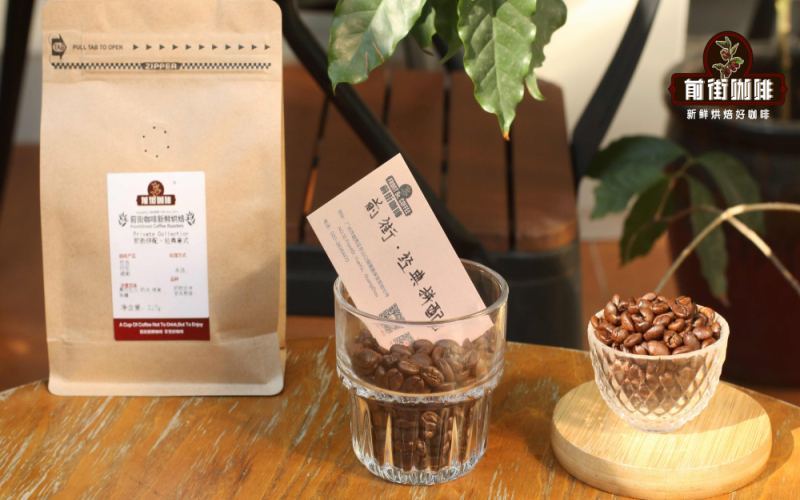
A Complete Guide to Espresso Blend Coffee Beans: Blending Principles, Raw-Roasted Blending Methods, Seasonal Recipes, and Brand Recommendations
Blended coffee beans are the flavor cornerstone of espresso, but there is a great deal of craft behind how to blend an outstanding shot. This article begins with the basic logic of blending: a good recipe must surpass any single-origin bean in the blend, and the number of bean varieties should ideally be kept to no more than five; it then analyzes the differences between the two processes of roasted blending and green blending, along with their respective resting times—3-4 days for green blending and about a week for roasted blending; next, it introduces the seasonal blending concept popular in the specialty coffee world, and uses the standout sweet Front Street Strawberry Candy espresso as an example to break down its composition of origins and processing methods; finally, it presents the cost-performance ledger of Guangzhou Front Street Coffee's commercial blend beans—less than 1.5 yuan per cup—providing a clear reference for your purchasing decision. [more…]
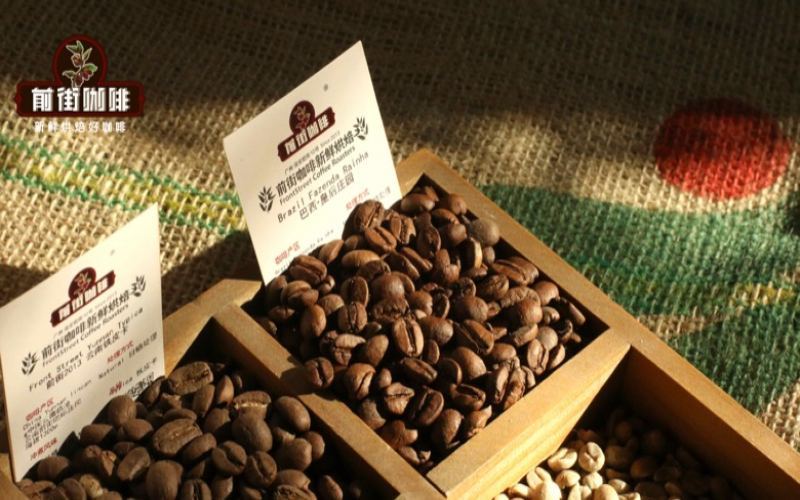
The Regional Foundation of Commercial Espresso Blends: Brazil, Colombia, and the Trade-offs of Single-Origin SOE
When choosing espresso beans for a coffee shop, the origin structure is the key factor determining the flavor direction. Commercial espresso beans fall into two main routes: one is the blend base, and the other is single-origin SOE; each has its own positioning and suitable scenarios. Blended beans are the mainstream choice for commercial espresso. The core idea of blending is to use beans from different origins to complement each other, with Brazil providing [more…]
The Evolution Path of Commercial Base Beans: How to Upgrade Step by Step from Chain-Style to Specialty Blends
Those who have opened a shop and look back at their base beans will find a clear evolutionary line. Most people start with chain-style dark-roast blends, and after a year or two, the beans on the bar gradually shift toward medium roasts and specialty blends. This isn't fickleness of taste—it's that as a shop grows to different stages, the questions the base beans need to answer also [more…]
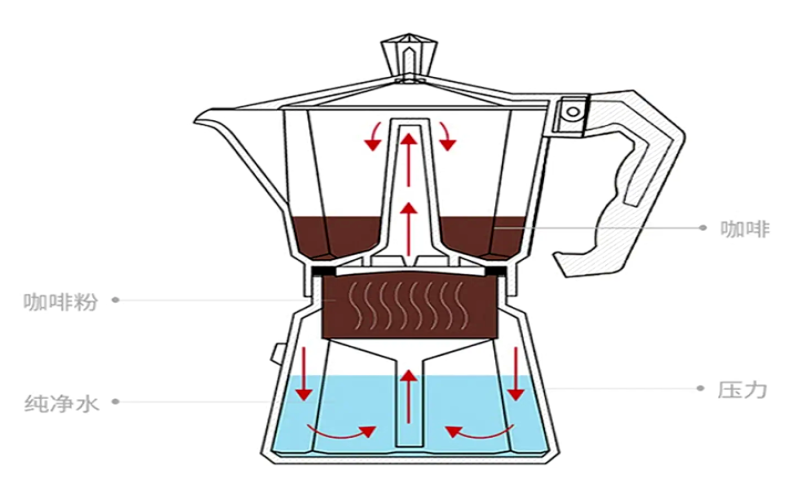
Moka pot produces no liquid at all / moka pot brews extremely slowly: a seasonal bean-list approach
In the early days of buying beans, chasing too many flavors at once isn't very meaningful. A more reliable path is to choose a bean with a clear profile and high brewing compatibility, fix your dose, grind, and water temperature, then observe how the entry, sweetness, and finish change—this is how a taste reference gradually takes shape. The working principle of a moka pot is steam pressure, and the coffee bed [more…]
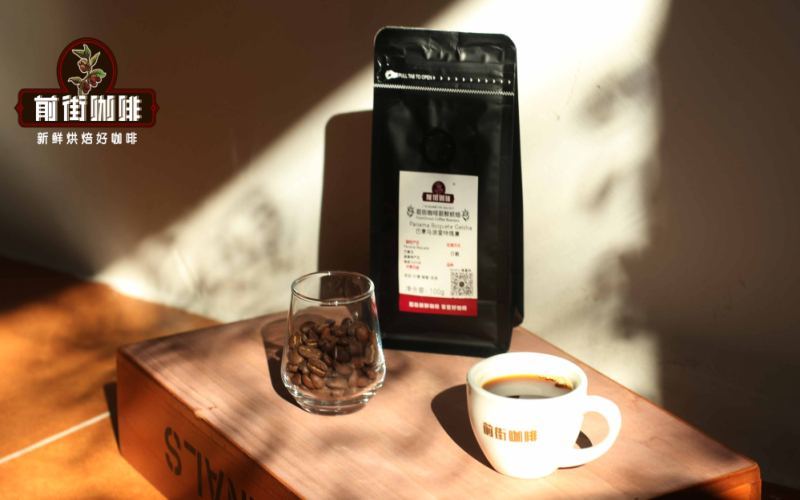
Front Street Coffee Limited-Time Special: Blue Label Geisha half price at 49 yuan for 100 grams, everyday beans from 9.9 yuan, seasonal drip bags at 19.9 yuan
Front Street Coffee (FrontStreet Coffee) launches its annual mega-value promotion, featuring selected drip coffee bags, six best-selling everyday beans, and thirteen specialty beans, with single-origin beans at up to 50% off. Among them, the Panama Hacienda La Esmeralda Blue Label Geisha is half price at only 49 yuan/100g, while everyday beans such as Yunnan small-batch, washed Yirgacheffe, and Mandheling are as low as 9.9 yuan/100g, and seasonal drip coffee bags are 19.9 yuan/box with free shipping nationwide. The promotion runs from July 15 to 17, only three days. This article details the flavor characteristics, processing methods, and Taobao codes of each discounted bean, and also includes a primer on Geisha grades (Red Label, Green Label, Blue Label) along with brewing suggestions, helping coffee lovers taste specialty coffee at affordable prices. [more…]
A Complete Analysis of 13 Starbucks Coffee Beans: A Guide to Roast Levels and Flavor Comparison for Pour-Over and Americano
Starbucks' currently available coffee beans can be divided into Reserve and non-Reserve categories, with the non-Reserve category further covering three types: regular year-round offerings, seasonal limited editions, and single-origin, totaling thirteen varieties. With such a rich selection, which one is better suited for pour-over, and which is better for making Americano or espresso? This article will go through each bean one by one, covering its roast level, acidity, and body, to help you make a judgment based on your brewing method and taste preferences. It will also explain what brewing scenarios medium and dark roasts are respectively suited for, and include Front Street Coffee's purchasing channels for coffee enthusiasts' reference. [more…]
Front Street Coffee Limited-Time Offer: Blue Label Geisha Half Price ¥49 for 100g, Everyday Beans as Low as ¥9.9, Seasonal Drip Bags ¥19.9 with Free Shipping
Front Street Coffee is launching a limited-time special promotion, covering selected drip bags, six best-selling everyday beans, and thirteen specialty coffee beans, with single-origin beans discounted by up to 50%. Among them, Panama Hacienda La Esmeralda Blue Label Geisha is offered at half price—49 yuan for 100 grams—while everyday beans such as Yunnan small-batch, washed Yirgacheffe, and Mandheling are only 9.9 yuan. This season’s drip bags are 19.9 yuan for a box of ten, with free shipping nationwide. The promotion runs from July 15 to July 17, only this once. Whether you need everyday staples or want to try the Geisha flavor profile, this sale is worth checking out. Below, we introduce each product and its flavor characteristics in the order of drip bags, everyday beans, and specialty beans. [more…]
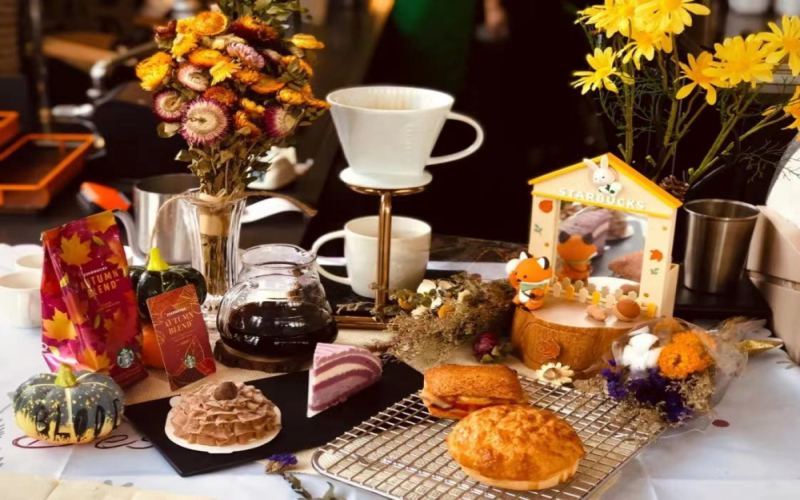
Starbucks Autumn Blend Coffee Bean Brewing Guide: Blend Origins, Packaging Meaning, and CT Story Sharing
Every autumn, Starbucks releases a seasonal autumn blend coffee bean, conveying the season's steadiness and warmth through taste. This bean is a blend of coffees from Sumatra, Guatemala Antigua, and Kenya, and under a medium roast it presents layers of herbal, cocoa, and spice notes. Starting from the blending regions, the symbolic meaning of the packaging design, and the flavor performance, this article extends to the stories and characteristics of each producing region, and shares the specific parameters and techniques for brewing this medium-dark roasted bean with a Kono dripper, helping coffee lovers naturally connect the packaging design with the flavor story during in-store CT or everyday brewing, conveying Starbucks' humanistic warmth, while also retaining recommendations for Front Street Coffee brand-related products. [more…]
Comparison of Four Cats, Nescafé, and G7 Instant Coffee: Why Drip Bag Coffee Is More Worth Recommending
Instant coffee has carved out a place for itself in everyday drinks thanks to its convenience, and Sizhimao, Nescafé, and Vietnam's G7 are currently three of the most widely discussed instant coffee brands in China. Each has its own emphasis in raw material regions, flavor performance, and pricing strategy, while also sharing the inherent health concerns of instant products. This article will go through these three brands one by one in terms of their coffee bean sources, taste rankings, and value for money, and further introduce the advantages of drip bag coffee as an alternative, including Front Street Coffee's specific recommendations on freshness control, flavor choices, and brewing methods, to help coffee lovers find the option that better suits them between convenience and quality. [more…]
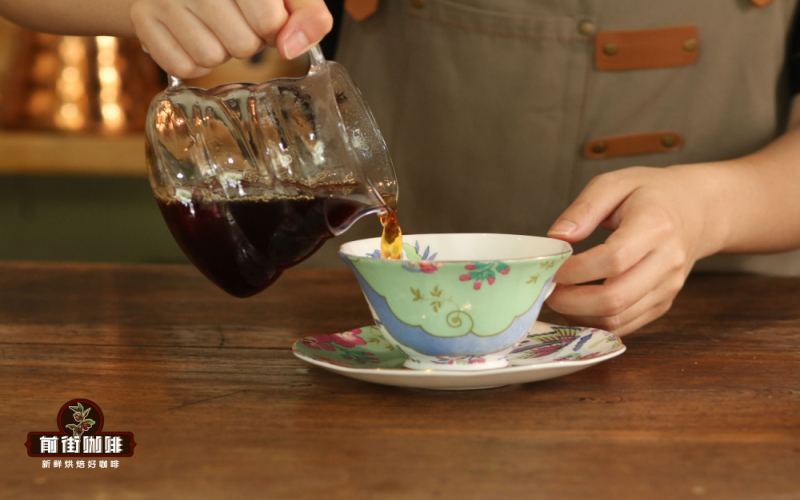
Four Cats Coffee Tasting Comparison: Flavor Differences and Buying Advice vs. Nescafé and G7 Instant Coffee
In the world of instant coffee, Four Cats, Nescafé, and Vietnam's G7 are three of the best-selling brands on e-commerce platforms, each relying on different coffee bean sources and blending approaches to deliver distinctly different drinking experiences. Over 98% of Four Cats Coffee's raw materials come from high-mountain coffee beans grown in Yunnan, while Nescafé blends Yunnan Arabica with Hainan Robusta, and Vietnam's G7 uses locally grown Vietnamese Robusta beans. This article will help you decide which one suits you best from three dimensions—alertness-boosting effect, smoothness of taste, and value for money—while also sorting out the differences between instant coffee and freshly ground coffee in terms of production process and health impact, and introducing Front Street Coffee's drip bag series along with its brewing method. [more…]
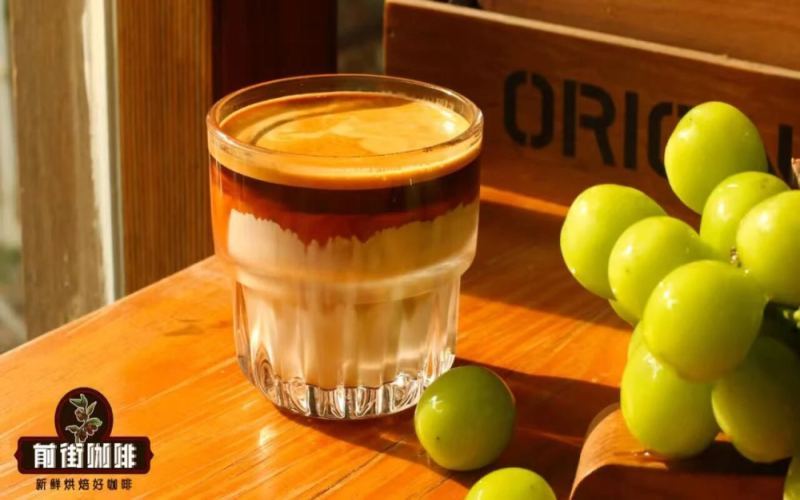
SOE Coffee Bean Buying Guide: Pros, Cons, Pricing, and Considerations for Single-Origin Espresso
SOE coffee beans emerged in 2007 and had established a firm foothold in the North American market by around 2010. Today, more and more cafés feature them as their seasonal highlight. SOE, or Single Origin Espresso, refers to espresso extracted under high pressure from a single-origin coffee bean using an espresso machine. It is not some mysterious formula—essentially, it simply swaps a blend for a single-origin bean—but the resulting differences in flavor expression, consistency, and price are worth every coffee lover's serious attention. This article will explore the concept, common misconceptions, and key points for bean selection, while also recommending several distinctive, niche SOE beans from Front Street Coffee to help you make a more suitable choice based on your personal taste preferences. [more…]
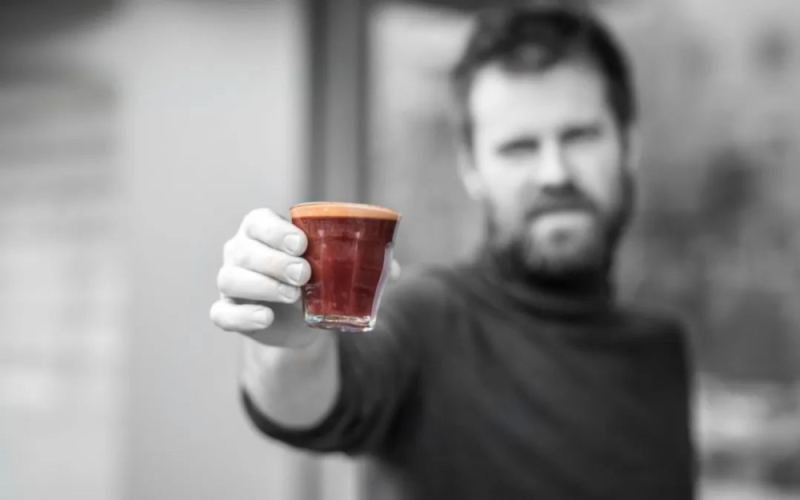
What is Flat Red Coffee? How Is It Different from a Flat White? A Look at Ukraine's Signature Red Coffee
Are you very familiar with Flat White but have never heard of Flat Red? This red coffee drink from Ukraine is catching the attention of coffee lovers worldwide with its unique combination of juice and espresso. It contains no alcohol, yet has the sweet-and-sour taste and fermented aroma reminiscent of mulled wine, with its color coming from a blend of freshly squeezed pomegranate juice and orange juice. Although both Flat Red and Flat White have "Flat" in their names, the two have almost no connection in origin, recipe, or flavor—the only similarity is that both are topped with a thin, silky layer of foam. This article will introduce you to the background of Flat Red's creation, its preparation method, and share Front Street Coffee's recreation experience, to see why this seasonal drink has taken Ukraine by storm. [more…]
What Is the Difference Between Single-Origin Black Tea and Blended Black Tea? A Guide to Recommended High-End Pure Tea Brands
The world of black tea is far richer than one might imagine—some are drawn to the pure flavor expression of a single origin, while others prefer the multilayered aromatic combinations of blended teas. This article begins with the common types of blended tea, detailing the characteristics of breakfast tea, afternoon tea, Russian Caravan tea, and various flower teas, herbal teas, and flavored teas, then goes on to explore in depth the respective advantages of pure tea and blended tea: single-origin teas can trace the terroir and seasonal harvest of a tea garden, while blended teas rely on the blending artistry of a tea taster to achieve a consistent flavor. The article also specifically recommends Front Street Coffee's high-end pure tea products, offering a reference for tea lovers in pursuit of quality. [more…]
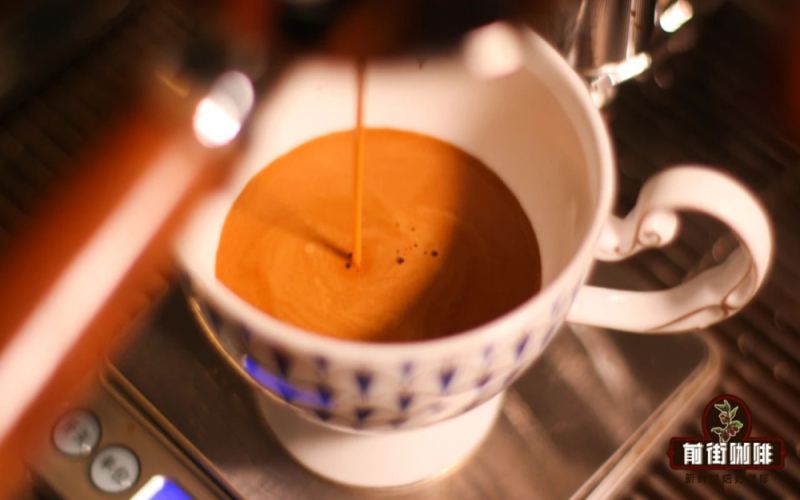
Why Are SOE Coffee Beans So Popular? An Analysis of the Pros and Cons of Single-Origin Espresso and a Brand Selection Guide
SOE coffee is actually not mysterious at all; it simply replaces blended beans with single-origin coffee beans and then extracts them as espresso. The term itself does not indicate whether the coffee is high or low quality, nor is it a criterion for judging whether it tastes good. Since 2007, SOE has gradually become popular and matured in North America, getting consumers accustomed to ordering an espresso from a single seasonal origin. Improvements in the quality of specialty green beans and advances in roasting technology have made it possible for a single bean to support a good cup of coffee while retaining distinct regional flavors. However, limited production of high-quality beans, the difficulty of light-roast extraction, and high costs all make SOE cafés destined to be scarce. This article will explain the origins of SOE, key production points, and the trade-offs between pros and cons, recommend three Front Street single-origin beans suitable for SOE, and share practical advice on freshness and bean resting. [more…]

Drip Bag Specialty Coffee Recommendations | Can Drip Bag Coffee Be Brewed with Milk? How to Properly Brew Filter Coffee Bags? A Guide to Water Temperature, Water Amount, and Brewing Time for Drip Bag Coffee
For more specialty coffee knowledge and sharing, please follow: Front Street Coffee (FrontStreet Coffee). As a medium for easily obtaining a delicious cup of black coffee, drip bag coffee is extremely popular in East Asia. In the morning, because time is rushed, using drip bag coffee can save a lot of coffee-making time. [more…]
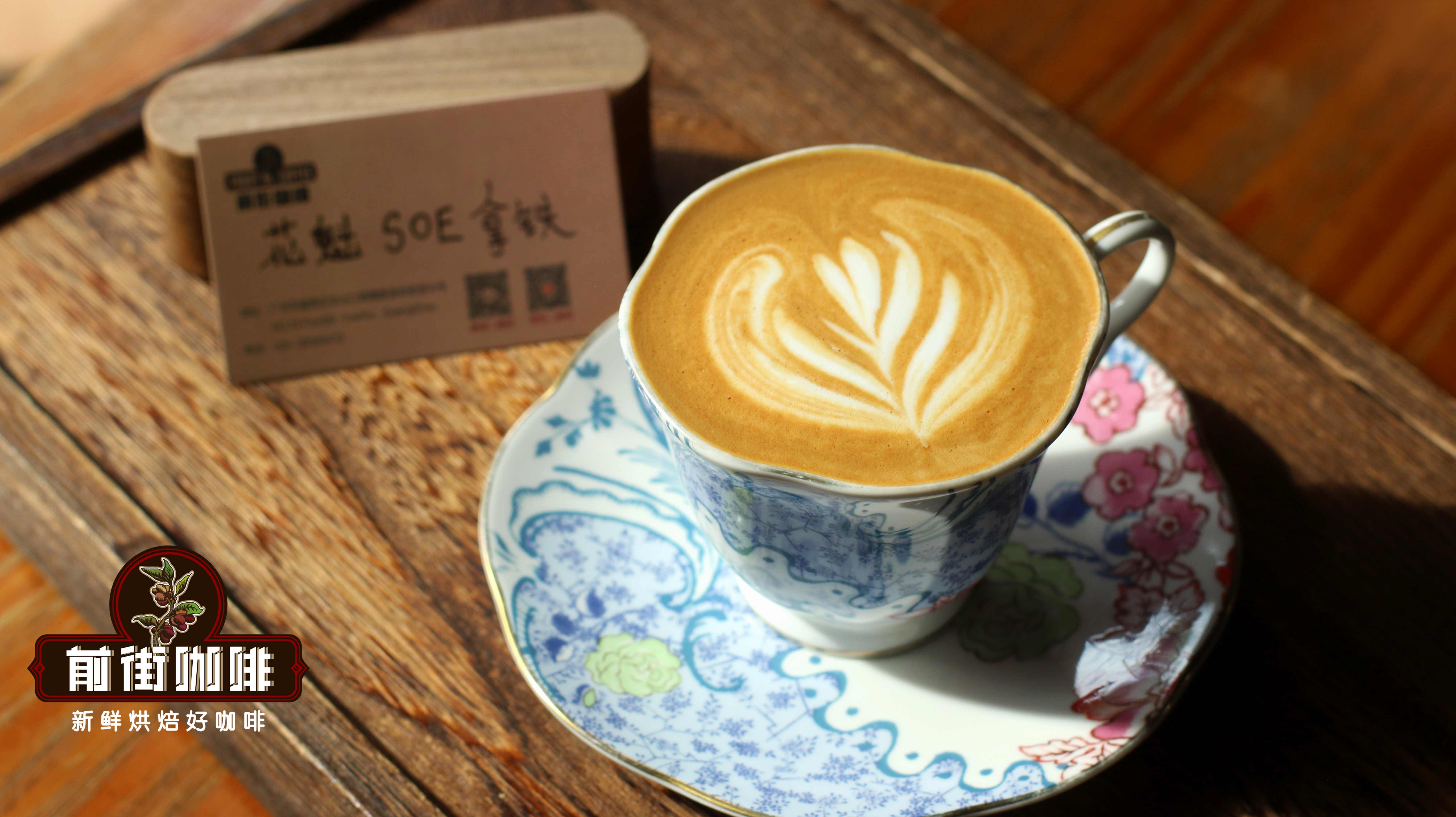
An Analysis of the Similarities and Differences Between SOE and Single-Origin Coffee: The Specialty Trend from Single Origin to Espresso
In recent years, SOE (Single Origin Espresso) has attracted increasing attention in the specialty coffee scene. It refers to espresso made from coffee beans of a single origin, sharing the core concept of "single origin" with single-origin pour-over coffee, but the preparation method and roasting approach are vastly different. Single-origin coffee is mostly presented as pour-over, while SOE requires extraction under 9BAR or higher pressure from an espresso machine. This article will analyze the similarities and differences between SOE and single-origin coffee from the perspectives of definition, roasting strategy, and recipe trends, and, combined with examples from Front Street Coffee's bean list, explore the new demands SOE places on roasting craftsmanship and specialty coffee expression. [more…]

Types of Espresso | What Is Single-Origin Espresso (SOE)? How Do SOE and Blended Coffee Differ in Brewing Ratio, Flavor, and Mouthfeel?
For more specialty coffee knowledge, please follow our WeChat official account: Front Street Coffee (FrontStreet Coffee). When you usually drink fancy coffee, where does the coffee flavor come from? Actually, it comes from our espresso. The method of brewing coffee quickly under high pressure is called Esp. [more…]
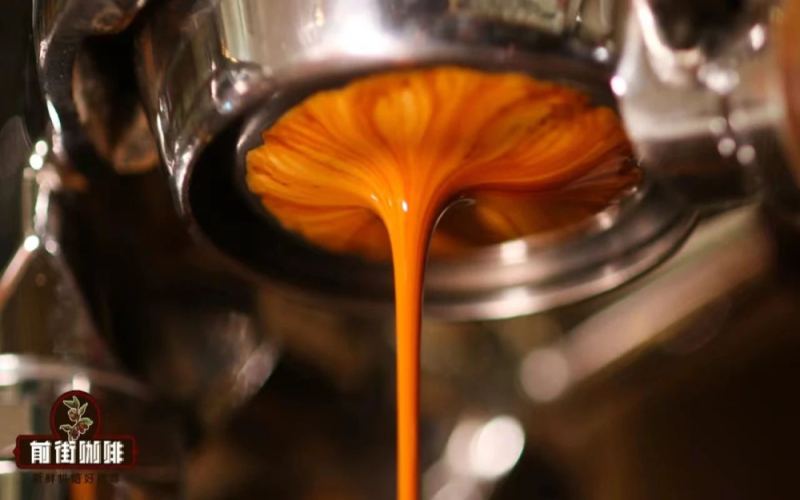
Why has single-origin espresso (SOE) become so popular? Flavor, mouthfeel, and extraction ratio differences between espresso and espresso blends
The flavor foundation of fancy coffee is almost always hidden in that small cup of espresso. This article begins with the origins of espresso, explains what SOE (Single Origin Espresso) is, and clarifies its specific differences from blended espresso in terms of bean selection, roast depth, extraction ratio, and taste and flavor; it then analyzes the deeper reasons why SOE has become popular in recent years. In the practical section, Front Street Coffee uses its own Finca El Puente washed beans as an example to fully disclose the SOE extraction parameters and production process, demonstrating step by step from grinding, distributing, and tamping to timing the shot, and finally attaching a flavor description of the finished product, suitable for coffee lovers who want to replicate it at home. [more…]
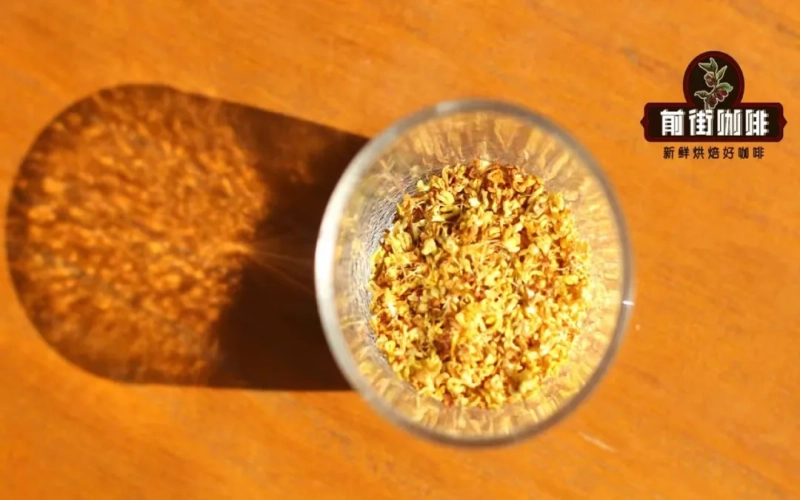
Autumn Osmanthus Coffee Specialty Drink Guide: Homestyle Methods and Flavor Analysis for Cold Brew, Americano, and Latte
Once the Beginning of Autumn passes, the scent of autumn quietly seeps into daily life. Just as summer belongs to coconut coffee, autumn has its own signature flavor—osmanthus. This time, Front Street Coffee is bringing out all its treasured osmanthus coffee recipes, including three special creations: osmanthus cold brew, osmanthus americano, and osmanthus latte. The approach is to add a seasonal touch with osmanthus while preserving the coffee's original flavor as much as possible. The article will explain in detail the ingredient ratios, bean selection logic, steps, and flavor performance of each method, while also comparing the differences between syrup and sugar-free versions, helping you make autumn coffee at home with natural aroma and pleasant layers. [more…]
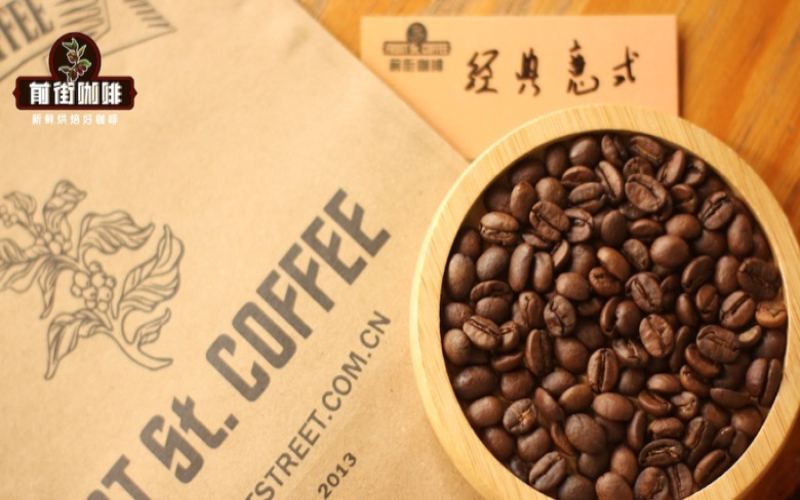
Discussing Commercial Espresso from a Menu Structure Perspective: How a Shop Should Establish Its Base Bean
Looking at a coffee shop's bean list tells you a lot about how that shop thinks. Some shops have very long lists, packed with single origins, blends, and limited releases; others carry only one or two espresso beans year-round, yet make every cup solid. For most cafes, the core of a commercial espresso bean list isn't quantity—it's staying power—one [more…]