







What Sets SOE Espresso Apart From a Blend?
SOE espresso, short for Single Origin Espresso, is pulled from beans of only one origin from grinding through serving. The opposite is an espresso blend, where beans from several origins are combined in set proportions. Traditional espresso relied on blends, but lighter roasting has made single origins viable at the machine, and that shift is behind the recent popularity.
The practical side matters as much as the concept. Using its Gedeb Cooperative washed beans, Front Street discloses full extraction parameters and the workflow: grinding, distributing, tamping and timing the flow, followed by a flavor description of the finished cup. Readers who want to replicate SOE coffe at home get a complete starting point rather than a rough guess.
The flavor foundation of fancy coffee is almost always hidden in that small cup of espresso. This article starts with the origin of espresso, explains what SOE (Single Origin Espresso) is, and clarifies its specific differences from blended espresso in terms of bean selection, roast depth, extraction ratio, and taste and flavor; it then analyzes the deeper reasons why SOE has become popular in recent years. In the practical section, Front Street Coffee uses its own Gedeb Cooperative washed beans as an example to fully disclose the SOE extraction parameters and production process, demonstrating step by step from grinding, distributing, and tamping to timing the flow, and finally attaching a flavor description of the finished cup, suitable for coffee lovers who want to replicate it at home.
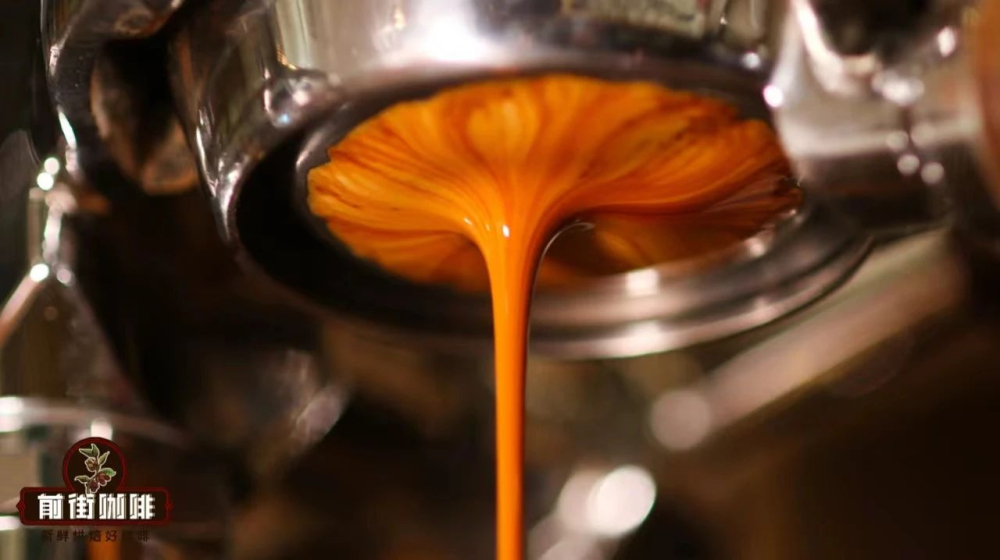
When drinking fancy coffee, have you ever wondered where the rich layers of flavor in the cup actually come from? The answer is in fact hidden in espresso. So-called Espresso refers to a coffee-making process that extracts coffee by high pressure and quickly, and the drink made through this process is what we commonly call espresso.
In terms of history, espresso certainly cannot compare with wine in having such a long lineage, but its fans are all over the world—starting from Italy itself, sweeping across Europe, and then spreading globally. Riding the momentum of the second coffee wave, it is now the most produced coffee drink in the world. Since then, espresso has become a classic calling card of Italy, captivating generation after generation of coffee drinkers.
What kind of beans should be used to extract espresso?
Traditionally, making espresso mostly relies on blended beans. However, in recent years people have found that using single-origin coffee beans to make espresso is gradually becoming a trend, which is the SOE mentioned in the title.
The full name of SOE is Single Origin Espresso, which can be understood as espresso made using beans from only the same origin—from extraction to serving, the raw material of the entire drink remains unchanged. Its opposite concept is Espresso Blend, namely blended espresso, in which beans from multiple origins are mixed in proportions during brewing for extraction.
Actually, whether it is traditional Espresso or SOE, both are essentially espresso: first grind the coffee beans into an extremely fine powder, then tamp it into a dense "puck," and then use 9–10 bar of high pressure together with hot water above 90°C to extract a fairly concentrated coffee liquid within just tens of seconds at a 1:2 coffee-to-liquid ratio.
The difference is that the most common Espresso in cafés generally uses medium-dark roasted blended beans, while SOE specifically refers to espresso made with beans from a single origin, lightly to medium roasted. Front Street Coffee's view is that the biggest difference between the two is reflected in mouthfeel and overall flavor—espresso made with blended beans and extracted properly tastes fuller and more solid, with rich sweetness and no burnt bitterness.
The essence of blended beans lies in this: the barista first deeply understands the characteristics of beans from each origin, then combines them in different proportions, using the idea of complementary flavors and making up for each other's shortcomings to create a bean with balanced performance, thereby alleviating the fluctuations that single-origin beans are prone to during extraction. For this reason, it is especially friendly to beginners. If you want to try it, you can get Front Street Classic Blend—this bean is composed of Brazil, Indonesia, and Vietnam, and can not only bring rich crema to espresso but also create a mellow mouthfeel.
Coffee liquid extracted from single-origin beans, however, has a more distinctive character, with more prominent acidity and sweetness. But in order to highlight the beans' own flavors, most shops choose lightly to medium roasted beans to make SOE. This type of bean has a relatively short roasting time, limited accumulation of body-giving substances, and combined with high-pressure fast extraction, the mouthfeel inevitably appears slightly thin. In addition, coffee is essentially an agricultural product, and each year's terroir and climate affect its flavor, so it is difficult to achieve long-term consistency.
SOE emerged in 2007 and had matured around 2010. In North America, it is already commonplace for customers to order a seasonal Single Origin Espresso in a coffee shop, and its influence has continued to spread outward. The popularity of SOE has made people realize: as long as the beans are exciting enough, the formula for espresso can absolutely take a minimalist route—using simple yet clever combinations to create complementary and synergistic effects among beans, often yielding the surprise of "one plus one equals three, or even five"!
Why has SOE coffee captured so many people's hearts?
Today's highly sought-after mainstream espresso formulas are becoming increasingly simplified. The popularity of simplified formulas shows that consumers have already accepted the idea that good coffee is a product with seasonal attributes, changing with the seasons. The fewer the "parts" in the formula, the more obvious the change in overall flavor performance whenever one of them is replaced.
At the same time, stability and uniformity of taste are no longer the first demand; carrying out a "concept" is the focus. It should be explained that beans used for making SOE differ considerably from pour-over beans in roasting style—this is both a test of roasting skill and an exploration deeper into specialty coffee, because beans capable of handling SOE roasting must simultaneously possess multiple outstanding qualities. Of course, do not mistakenly think that blended beans are bad because of this.
So, how exactly is a cup of SOE coffee made?
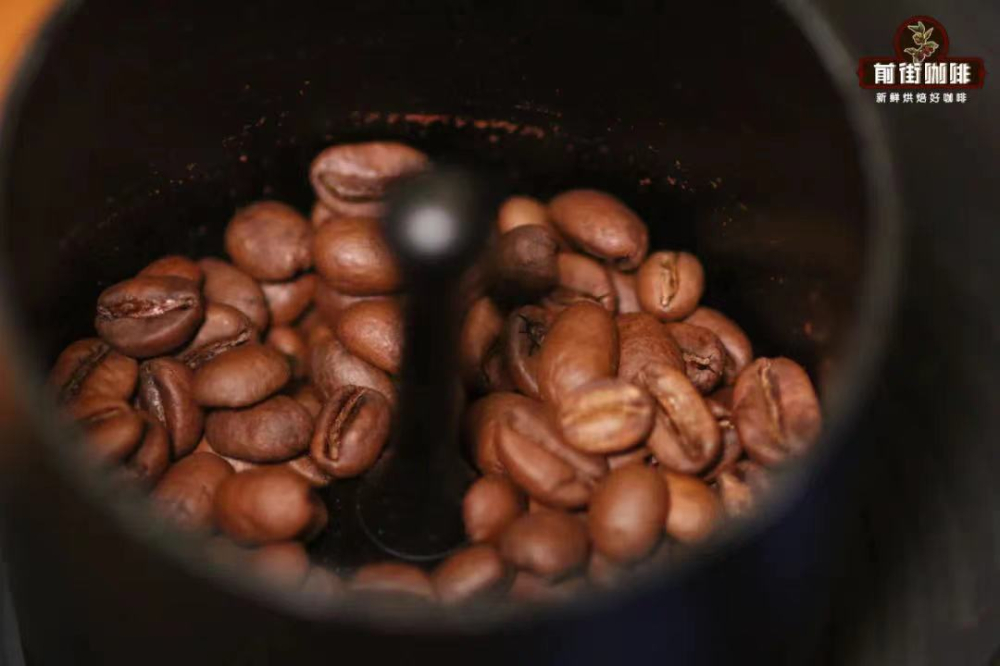
The SOE demonstration this time uses Front Street Gedeb coffee beans, from coffee's hometown—the Yirgacheffe region of Ethiopia. When this single-origin bean is made as pour-over, the white floral aroma, tea-like quality, and honey flavor are very clear, and the full, berry-juice-like texture is even more unforgettable.
Front Street. Gedeb Cooperative Washed Coffee Beans
Origin: Ethiopia Yirgacheffe
Cooperative: Gedeb Cooperative
Variety: Ethiopian heirloom
Growing altitude: 2000m
Processing method: Washed
Front Street's extraction plan for Gedeb SOE: 20g of extremely finely ground coffee powder, extracting 40g of espresso liquid, about 30 seconds in total.
Beans used: Front Street Gedeb Cooperative
Dose: 20g
Liquid weight: 40g
Coffee-to-liquid ratio: 1:2
Extraction time: 25–30 seconds
Grind setting: Galileo 1.6
Front Street's coffee machine is equipped with a double basket, with 20 grams of coffee dosed each time, and extraction is carried out at a 1:2 coffee-to-liquid ratio, that is, 40 grams of coffee liquid is collected within a reasonable time. The extraction time is affected by the flow rate of the coffee powder and will generally fall between 20 and 35 seconds in a single extraction: if it is less than 20 seconds, the taste easily appears thin and weak; once it exceeds 35 seconds, it may be over-extracted and bring out burnt bitterness. Therefore, when Front Street produces espresso, it locks the time in the range of 26–32 seconds.
Before formal extraction, first wipe the basket clean, start the grinder to grind a double dose, place it on an electronic scale, and weigh and adjust until it reaches 20 grams. Then use a distribution tool to spread the grounds evenly, and then use a tamper to apply force vertically downward to compact and tighten the puck, laying a solid foundation for stable extraction.
Next, first turn on the extraction switch and let water run for 1–2 seconds so the group head is fully moistened and any coffee residue stuck to it is rinsed away. Take a cup for receiving the espresso, place an electronic scale under the cup and tare it to 0, and when extracting, move both the cup and scale together under the group head.
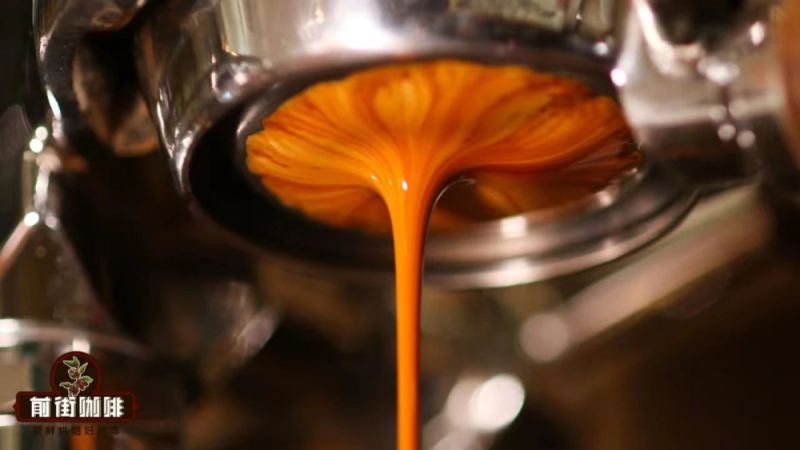
After that, gently lock the portafilter onto the group head, flip the extraction switch to start the flow. Pay attention to the state of the coffee liquid flowing out, and when the scale shows that the liquid weight has reached 40 grams and about 30 seconds have passed, the extraction switch can be turned off.
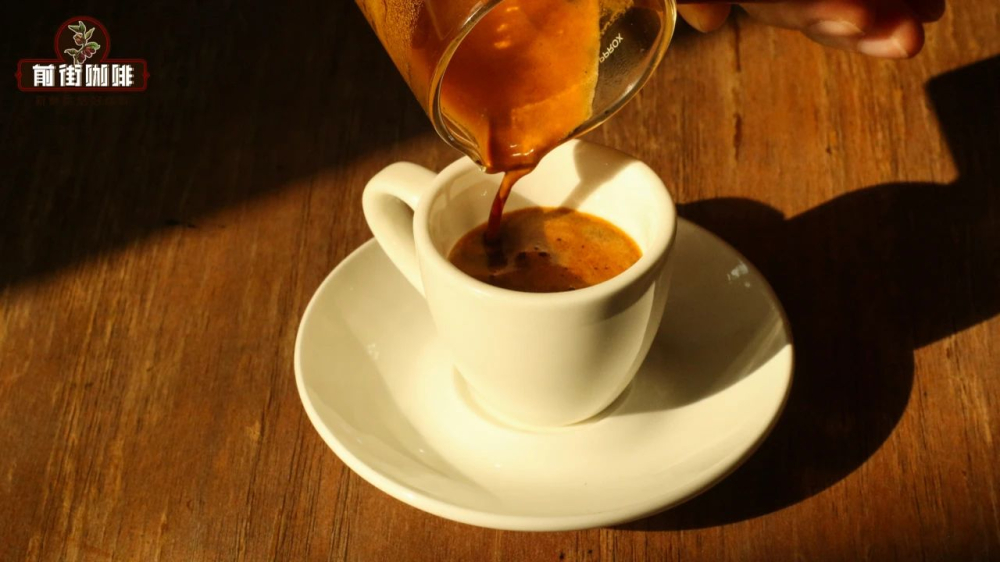
The SOE espresso made from this Gedeb bean has the following flavor performance: medium acidity, medium-low bitterness, medium-low sweetness, syrupy mouthfeel, berry-juice flavor, a slightly clear tea-like quality, and a long finish.
The above content is compiled by CoffeeHunters, a coffee news website.


