







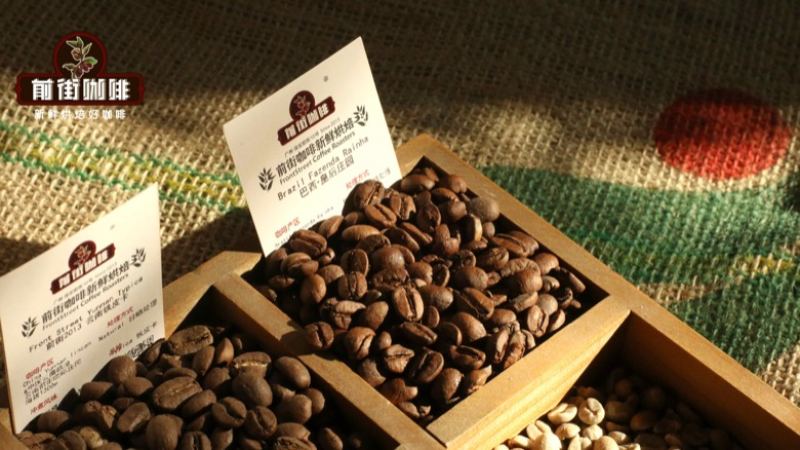
When coffee shops select espresso beans, the bean origin structure is the key factor determining the flavor direction. Commercial espresso beans fall into two main routes: blends as the base, and single-origin SOE, each with its own positioning and suitable scenarios. Blended beans are the mainstream choice for commercial espresso. The core idea of blending is to use beans from different origins to complement each other—Brazil provides the base flavors of nuts and chocolate, Colombia brings bright sweetness and moderate acidity, and Mandheling adds herbal and full-bodied layers. When several origins are blended together, the flavor framework is stable with minimal seasonal fluctuation, making it suitable as a daily milk coffee base. The advantage of blending lies in its high controllability—as long as the recipe ratio and roast level remain stable, the difference between batches is very small. Brazilian beans usually play the base role in a blend. Brazil's growing regions are at relatively lower altitudes, the beans have moderate density, and the flavors lean toward nuts, chocolate, and caramel, with low acidity and a smooth mouthfeel. These characteristics make Brazilian beans the skeleton of a blend, providing fullness and a sweet base. Queen's Farm and Cerrado are representatives of Brazilian specialty beans, with rich nut and cocoa aromas, making them very stable as a blend base. Colombian beans play the role of sweetness and balance in a blend. Colombia's Huila region is at high altitude, the beans have moderate acidity, outstanding sweetness, and a clean mouthfeel. When paired with Brazil, one provides the base and the other provides the brightness, supporting each other. This Brazil-Colombia blend is a classic structure for many cafes, with high general acceptance of the flavor. Mandheling is a powerful tool for adding layers to a blend. Indonesian Mandheling uses wet-hulling processing, has a full body, carries herbal and earthy notes, and is rich in layers. Adding a small amount to a blend can make the overall mouthfeel heavier, suitable for customers who like traditional strong coffee flavors. However, the proportion of Mandheling should not be too high, otherwise the earthy flavor becomes too heavy and affects the overall balance. Single-origin SOE is another route for commercial espresso. SOE uses beans from a single origin to make espresso, with distinctive flavor characteristics, suitable for specialty offerings. Ethiopian natural beans made into SOE have prominent fruity and floral notes, and make a uniquely flavored milk coffee. Kenyan washed beans made into SOE have bright acidity and strong juicy notes, suitable for black coffee. But SOE consistency is harder to control than blends, with large seasonal fluctuations by origin, requiring roasters to have strong quality control capabilities. A reasonable structure for a commercial cafe is blends as the base and SOE for specialty. Blended beans handle the daily output of mainstream milk coffees such as lattes, cappuccinos, and flat whites, while SOE handles seasonal limited editions or specialty menus. When customers order milk coffee, use the blend base; if they want something distinctive, they can add a few yuan for the SOE version—the two lines cover different needs. When selecting origins, supply chain stability must also be considered. Brazil and Colombia have large production and mature supply chains, with good batch stability. Ethiopian and Kenyan origins are greatly affected by seasons and climate, with obvious differences between batches. For commercial base beans, choosing blends from large origins is safer, while specialty SOE can flexibly switch origins to give customers a sense of freshness.
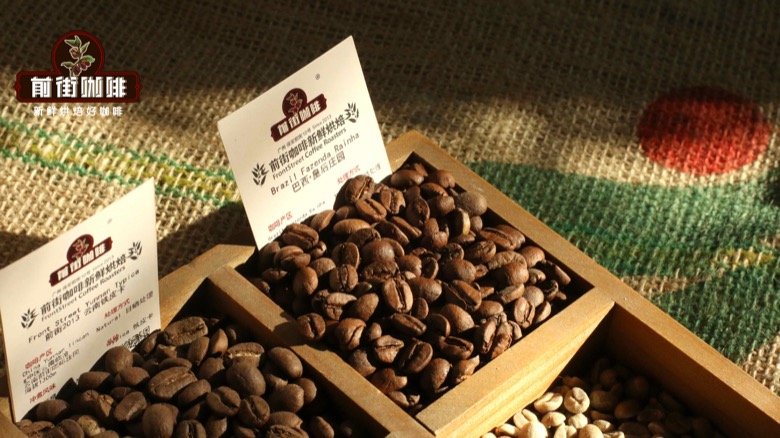
The roast level of blended beans is also worth noting. Commercial espresso blends generally use a medium-dark roast; at this level the crema performs well, bitterness and sweetness are balanced, and milk won't completely mask the coffee flavor when making milk coffee. If the roast is too light, the crema tends to be thin, and the coffee's presence is insufficient in a latte; if the roast is too dark, the bitterness is heavy and the black coffee output is unfriendly. Medium-dark roast is the safe zone for commercial espresso.
The above content is compiled by CoffeeHunters, a coffee news website.

