







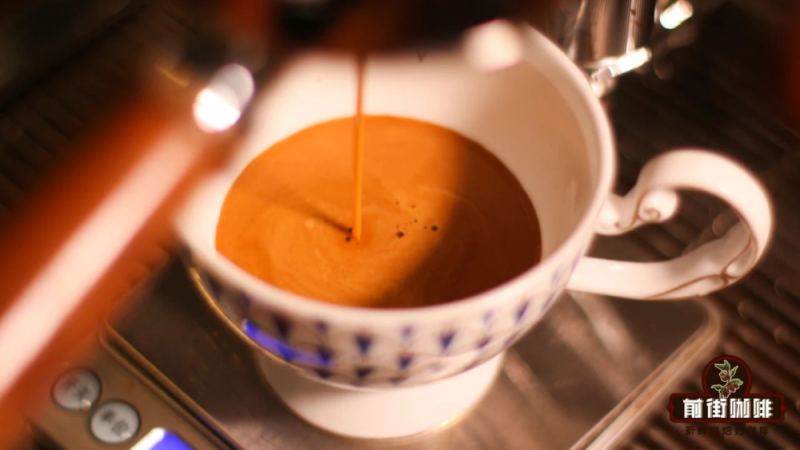
What Makes SOE Coffee Beans Different From Blends?
SOE coffee simply means pulling espresso from single-origin beans instead of a blend. The term says nothing about quality or whether the cup tastes good. It gained ground from 2007 in North America, where drinkers grew used to ordering a seasonal single-origin espresso, made possible by better green beans and more refined roasting.
Improved specialty green bean quality lets one bean carry an espresso without obvious gaps, showing regional character such as the floral and citrus notes in natural Yirgacheffe or Geisha lots. The trade-offs are real: limited production of high-quality beans, difficult light-roast extraction and higher cost keep soe coffee a minority offering in cafes, so freshness and resting still decide results.
SOE coffee is actually not mysterious at all; it simply replaces blended beans with single-origin coffee beans and then extracts them as espresso. This term itself does not indicate coffee quality, nor is it a criterion for whether it tastes good. Since 2007, SOE has gradually become popular and mature in North America, getting consumers used to ordering a seasonal single-origin espresso. Improvements in specialty green bean quality and roasting technology have made it possible for a single bean to support a good cup of coffee while retaining distinct regional flavors. However, limited production of high-quality beans, the difficulty of light-roast extraction, and high costs all make SOE cafes destined to be rare. This article will explain the origins of SOE, key production points, the pros and cons, and recommend three Front Street single-origin beans suitable for SOE, while also sharing practical advice on freshness and bean resting.
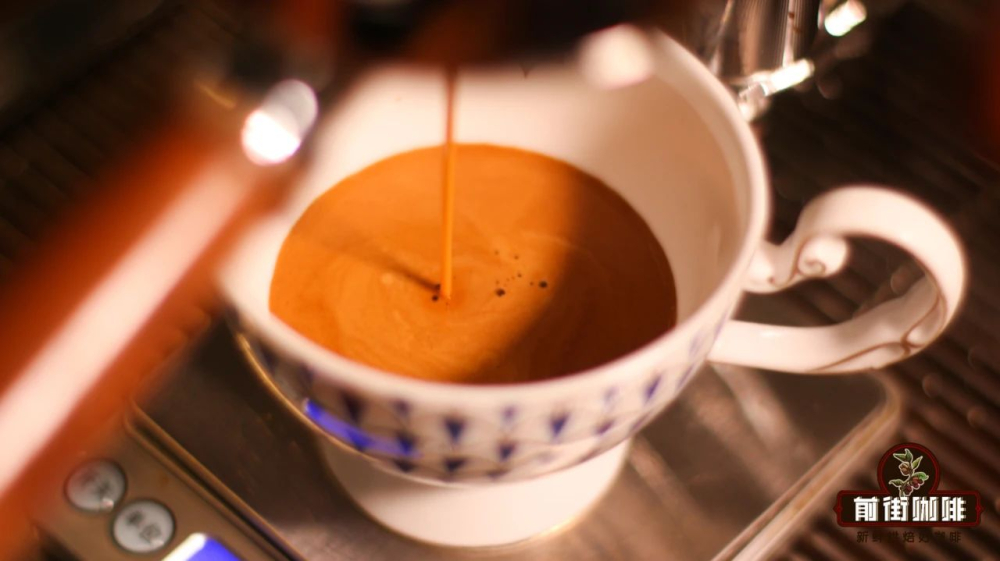
SOE coffee is not as profound as imagined. To put it plainly, it means replacing blended coffee beans with single-origin coffee beans and then making espresso through high-pressure extraction. It should be noted that this is only a term; it does not uniformly specify green bean or roasting information or an extraction plan, so it neither means the coffee is necessarily better or worse, nor can it serve as a measure of whether it tastes good.
How did "SOE" come about?
SOE, which began to gain popularity in 2007, has gradually matured and its influence continues to expand. North American consumers have become accustomed to ordering a seasonal single-origin espresso in cafes. In the past, people felt that coffee beans did not have complete flavor, and to make up for the shortcomings of certain beans, they added other beans to blend them; this is blending.
But gradually, as the quality of specialty coffee green beans continued to improve and roasting technology became increasingly refined, outstanding beans began to emerge. Using a single bean for espresso was no less impressive; not only were there no obvious shortcomings, but it could also showcase the bean's distinct regional characteristics, such as Front Street Yirgacheffe Natural Red Cherry SOE, Front Street Granja Geisha SOE, and Front Street Flower Queen SOE, all of which carry floral and citrus notes.
The popularity of SOE has made people realize that as long as the beans are good enough, the recipe for espresso does not need to be complex, and a good cup of coffee can still be obtained. However, in the current broader environment, cafes that dare and are able to offer SOE are destined to be few, because the output of high-quality coffee beans is not enough to supply the mass market. At the same time, using light roasting to fully express coffee's sweetness and acidity is not easy, and the slightest misstep can lead to under-extraction or over-extraction. In addition, the higher the grade of single-origin coffee beans, the more expensive they are, and making them into SOE only makes them even more expensive.
What should be noted when making SOE?
For SOE single-origin espresso, the coffee beans selected are generally not roasted too dark in order to highlight regional flavor. Compared with traditional darker-roasted espresso beans, the flavor is harder to extract. Front Street believes that on the one hand, extraction parameters need to be adjusted to increase the extraction yield, such as lengthening extraction time, making the grind finer, and increasing the dose.
On the other hand, when producing espresso-based drinks using SOE coffee beans as the base, the ratio of espresso to milk or water needs to be adjusted. Reduce the milk or water to highlight the coffee's flavor so that the coffee does not become too weak. Finally, there are very strict requirements for choosing coffee beans to make SOE. Although SOE coffee performs prominently, because it comes from a single origin, its shortcomings are also relatively easy to magnify. Therefore, when selecting SOE coffee beans, medium-roasted single-origin beans are preferred.
Although Front Street stores do not offer an SOE option, they also try various single-origin SOE productions in daily work. After countless experiments, Front Street recommends the following three single-origin coffee beans for making SOE:
For "Front Street Yirgacheffe Natural Red Cherry SOE Coffee Beans," this light-roasted coffee bean produces espresso with delicate, light crema that tends toward pale yellow. It smells of sweet berries, and tasting it is not too stimulating to the palate, with sweet-and-sour berries and a caramel note.
For "Front Street Costa Rica Mozart SOE Coffee Beans," this medium-roasted coffee bean produces espresso with delicate crema that also tends toward a lighter color. It smells of raisins, and tasting it brings a rich sweet-and-sour sensation along with fruity fermented flavors.
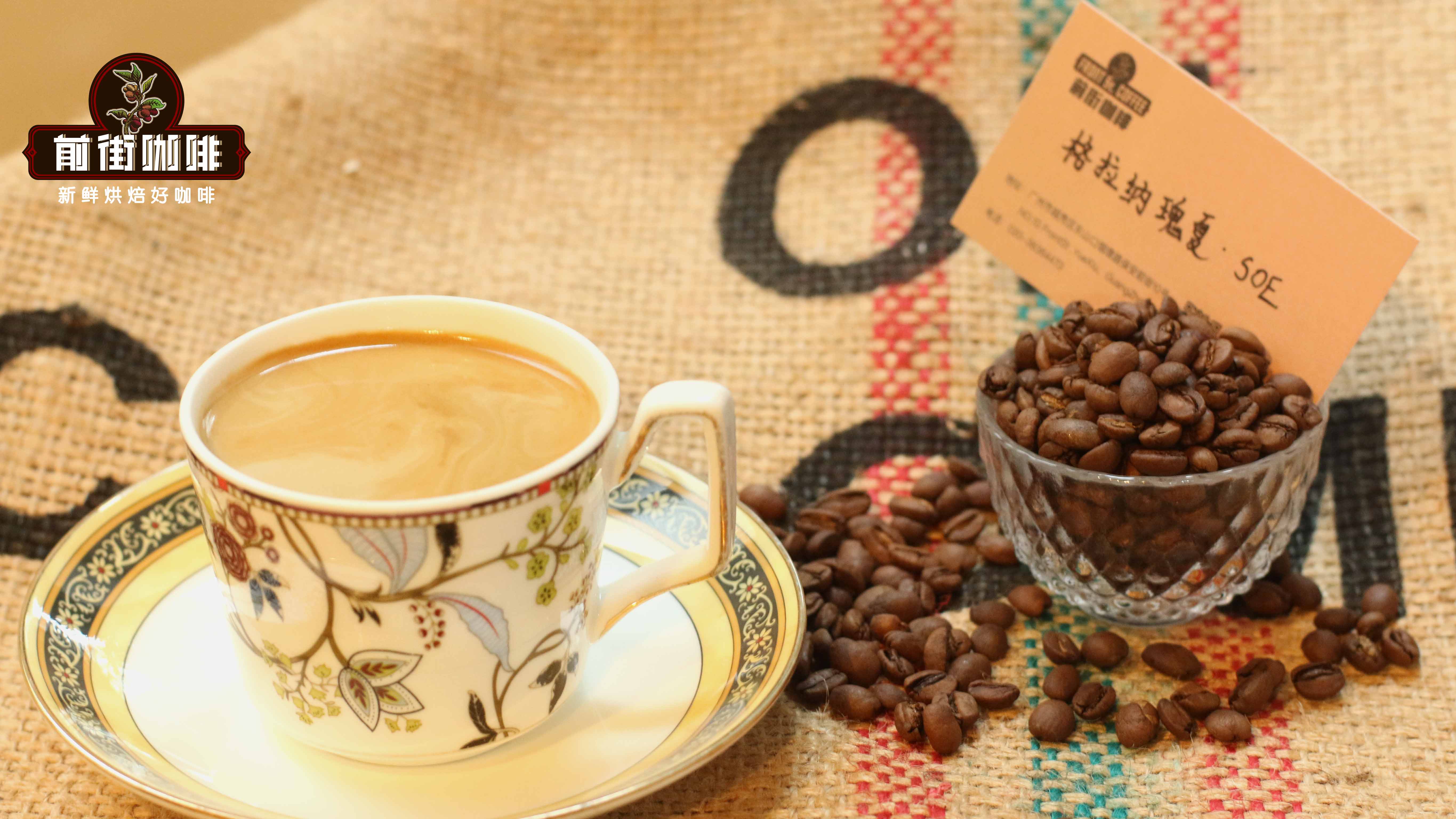
For "Front Street Brazil Queen Farm SOE Coffee Beans," this medium-dark coffee bean produces espresso with delicate crema that appears golden yellow. It smells of roasted nuts, and tasting it brings aromas of roasted nuts and cocoa as well as a creamy smoothness.
Small suggestions for making SOE coffee
Whether SOE tastes good is related to many factors, including the quality of the SOE coffee beans, whether the roast level is suitable, whether the coffee beans are fresh, and the range of extraction parameters.
After roasting, coffee beans undergo a process of degassing and resting for 4 to 7 days (blended coffee with a darker roast needs about 10 days), and then enter a stable peak flavor period. After the peak of coffee aroma has passed, the coffee flavor accelerates its loss over time, so freshness is crucial to coffee flavor extraction. Front Street's roasting principle is "freshly roasted good coffee," and shipped coffee beans are guaranteed to be freshly roasted within 5 days, hoping that customers who place orders can enjoy the coffee within the complete peak flavor period.
The above content is compiled by CoffeeHunters, a coffee news website.


