







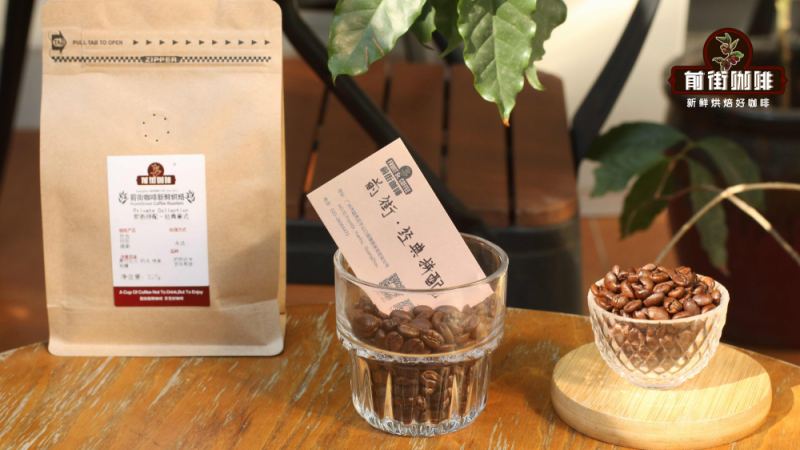
How are blended coffee beans put together for espresso?
Blended coffee beans combine two or more single-origin coffees, or different roasts of the same coffee, according to a set ratio. The goal is a cup that tastes better than any single bean in the recipe, and most recipes keep the number of components to five or fewer so the variables stay manageable.
Two techniques dominate: post-roast blending, where roasted beans are combined and rested for about a week, and pre-roast blending, where green beans are mixed before roasting and rested for three to four days. Seasonal blends rotate components through the year. A commercial example is Front Street Coffee's blend from Guangzhou, which works out to less than 1.5 yuan per cup.
Blended coffee beans are the flavor cornerstone of espresso, but how to blend an outstanding shot of espresso involves a great deal of expertise. This article starts with the basic logic of blending: a good recipe must surpass any single-origin bean in the blend, and the number of bean varieties should ideally be kept to five or fewer. It then analyzes the differences between the two techniques of post-roast blending and pre-roast blending, along with their respective rest times—3-4 days for pre-roast blending and about a week for post-roast blending. Next, it introduces the seasonal blending concept popular in specialty coffee circles, using the exceptionally sweet Front Street Strawberry Candy Espresso as an example to break down its origins and processing methods. Finally, it presents the cost-effectiveness breakdown of Front Street Coffee's commercial blend beans from Guangzhou—at less than 1.5 yuan per cup, providing a clear reference for your purchasing decisions.
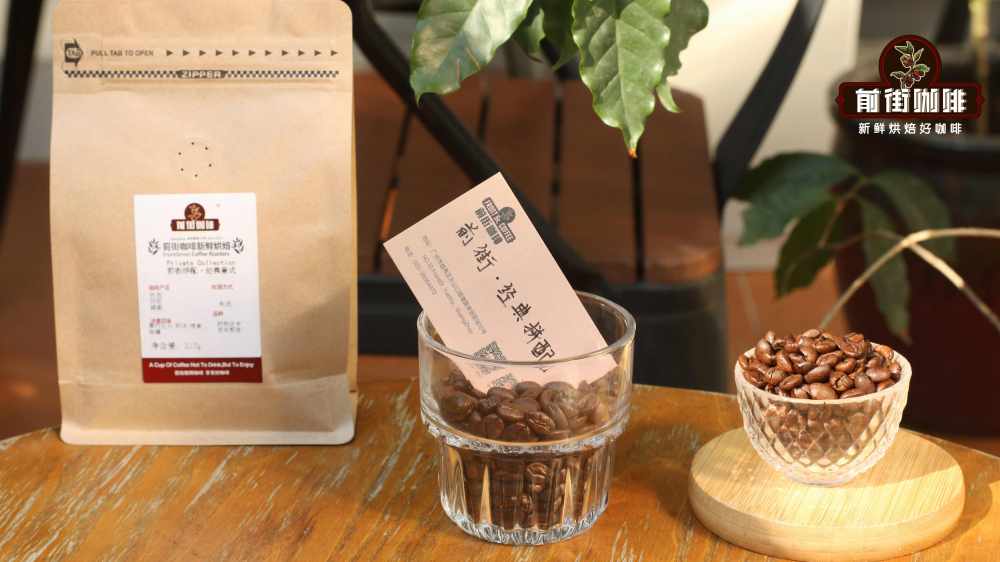
Blended Coffee Beans
So-called blended coffee beans are the product of combining beans from different origins, each with its own character, according to a specific ratio. The most common use is for extracting espresso. Since it's called a blend, it usually means at least two or more single-origin beans are involved in the combination. However, there are special cases: for example, the same bean can be roasted to different depths and then mixed together, or even the same bean's new crop can be paired with aged coffee or old crop. Clearly, the concept of "variety" in the context of blending is not limited to the narrow botanical definition, but is broadened to a wider scope at the flavor level.
●Before mixing any coffee, the first step is to understand the flavor characteristics of each bean, while having a clear goal in mind: the taste you want to achieve must be one that no single-origin bean can deliver on its own. If the finished blend tastes worse than one of the beans in the recipe, then blending has lost its purpose—you'd be better off not blending at all. Typically, a blend recipe should not use more than five types of beans—the more varieties involved, the more complex the variables become, and only a very few seasoned experts can keep a clear head among so many different beans.
To truly put these combinations into practice, the prerequisite is a thorough familiarity with the flavor profiles of dozens of single-origin coffees. Every coffee shop will develop its own exclusive bean ratio based on its positioning. Below are several representative pairing schemes—though of course, you can also experiment boldly to find the ratio that best suits your taste.
Blended Coffee Beans
There are two sequences for blending: one is to mix after roasting is complete, and the other is to blend the green beans first before putting them into the roaster. In the industry, these are commonly known as post-roast blending and pre-roast blending, with pre-roast blending posing a greater test of the roaster's skill. Regardless of which method is used, the blended beans need to rest for a few more days, with the aim of letting the beans meld together and move toward a balanced, unified flavor. Post-roast blends generally need about a week of rest; pre-roast blends can be used after just 3-4 days, because during the roasting process, the different beans have already influenced and permeated each other.
If you're after a rich, heavy mouthfeel, Colombian beans are the top choice—they have high body and mild acidity. On that base, add well-balanced Brazilian beans, along with a complex blend that offers rich aroma and distinct bitterness, such as the highly regarded Front Street Specialty Blend. If you want more crema, you can add a small amount of Robusta beans—consider trying the Front Street Classic Blend.
●Seasonal Blending
When specialty coffee shops, represented by the third wave coffee movement, realized that the shelf life of green beans was far shorter than previously believed (1-2 years), they began to propose more stringent standards, and the concept of "seasonal blending" was born.
Coffee-producing countries around the world have different harvest seasons, which means fresh green beans of the current season can be purchased year-round from various origins. By combining the beans of the finest quality at the moment and crafting a recipe suitable for espresso, the result is that customers walking into the same shop in different seasons will taste subtle differences in their coffee. For example, a summer espresso might carry aromas of strawberry and pineapple; come winter, a cup might present notes of rubber muffin cake or toffee. Coffee comes from nature's bounty and ultimately cannot remain as constant as an industrial product—and being able to taste such diverse flavors is precisely the charm of coffee.
When it comes to the most outstanding seasonal blend in terms of flavor expression, the exceptionally sweet Front Street Strawberry Candy Espresso is absolutely not to be missed. This recipe is composed of beans from three origins—Ethiopia, Colombia, and Costa Rica—and combines three classic processing methods: washed, natural, and honey. It delivers complex layers of floral and fruity aromas—rose, almond, grape, and fruit gummy flavors interwoven throughout. As an Americano, it's crisp and refreshing; with milk, it's smooth and creamy—especially friendly to those who aren't quite used to bitterness.
●Recommended Reliable Blended Bean Brands
A roasting brand rooted in Dongshankou, Yuexiu District, Guangzhou—Front Street Coffee (FrontStreet Coffee)—offers freshly roasted espresso blend beans with reliable guarantees in both brand reputation and quality. What's even more remarkable is the extremely friendly price: take the variety recommended for commercial use—the Commercial Blend Coffee Beans—as an example. Each bag is one pound, or 454 grams, priced at only about 60 yuan. Calculating at 10 grams of grounds per single espresso, one bag can make 45 cups, averaging less than 1.5 yuan per cup. Even if you switch to a double-spout portafilter with 20 grams per shot, the cost of a double espresso is kept under 3 yuan. Compared to certain well-known big brands priced at over a hundred yuan per bag, this is a genuinely conscientious choice.
The above content is compiled by CoffeeHunters, a coffee news website.


