







Search Results for: SOE flat white
How to Extract Colombian SOE Espresso? Front Street Coffee Sidra Coffee Bean Parameters and Latte & Flat White Test
To make a delicious espresso with single-origin coffee beans, extraction parameters and roast level are key. Using Front Street Coffee's Colombia Finca La Divisa Sidra SOE as an example, CoffeeHunters shares a complete preparation plan from espresso to Americano, latte, and flat white: 20 grams of grounds extracted to 40 grams of liquid in about 27 seconds, and explores why SOE requires a lighter roast than traditional espresso beans. The article also addresses why Finca El Paraiso Strawberry Yogurt is not recommended for espresso, making it a useful reference for coffee lovers looking for SOE coffee beans or wanting to adjust their espresso recipe. [more…]
Why Is a Flat White Only Served Hot? The Meaning of Flat White and an Analysis of Its Milk Foam Differences from Latte and Cappuccino
Can a flat white be made as an iced drink? What exactly does "flat white" mean? Where does it differ at its core from a latte or a cappuccino? Starting from the controversy over the origins of the flat white, this article sorts out this espresso milk coffee's cup size, milk foam thickness, and taste characteristics, explains why specialty coffee shops generally do not offer iced flat whites, and offers Front Street Coffee's popular blends and SOE recommendations, helping you understand the real reason behind why flat whites are only served hot. [more…]
Ethiopia Sidamo: The Differences Between Natural and Washed Processing and a Complete Guide to Making Huakui SOE Flat White
The Sidamo region is known for its bright citrus acidity and full body, while Huakui, as a star among natural beans, has repeatedly earned high cupping scores thanks to its intense strawberry wine aroma. So what exactly are the differences between natural and washed processing? And what are the history and grading system of Sidamo like? Starting from the region's story, green bean grading, and a comparison of processing methods, this article will analyze in detail the flavor performance of Huakui 8.0 and share Front Street Coffee's complete workflow and parameters for making an SOE Australian White, giving you a comprehensive understanding of the unique charm of this Ethiopian heirloom variety. [more…]
How Is a Flat White Different from a Latte? Which to Choose for Weight Loss? A Detailed Guide to Making a Flat White and Iced Drink Alternatives
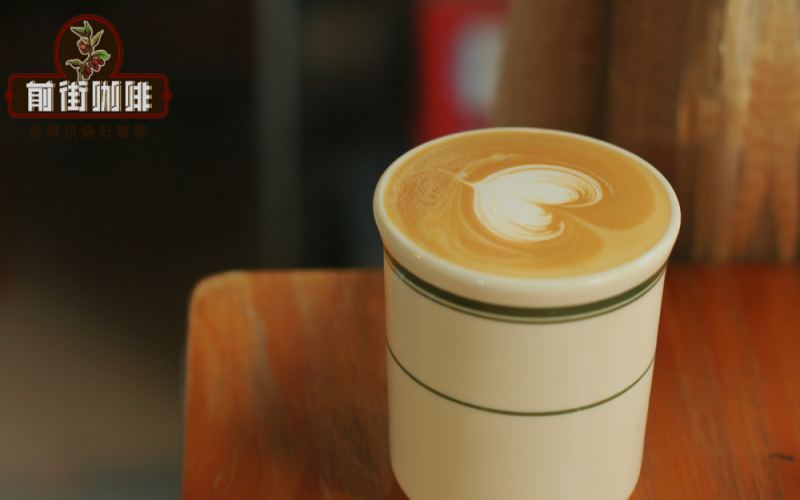
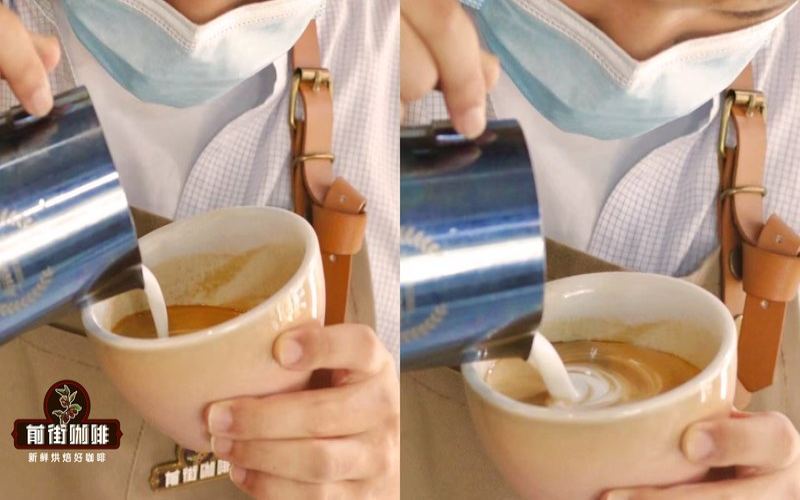
Beyond the latte and cappuccino, the Flat White has long become a staple in coffee shops around the world. In China, it is also commonly called 醇艺白, 澳瑞白, 小白, or 澳白. It originated from the coffee culture of Australia and New Zealand, highlighting the true taste of coffee through thinner milk foam, a higher coffee ratio, and a smaller cup size. This article examines the differences between the Flat White and the latte in terms of milk foam thickness, cup size, and extraction method, explains why it better showcases the regional flavors of SOE, and shares the parameters and flavor performance of Front Street Coffee using the "Sunflower Warm Sun Blend" to make a Flat White. It also answers common questions such as whether to choose an 澳白 or a latte during weight loss, and whether a Flat White can be made iced, and whether those who prefer a rich iced milk coffee can switch to a Dirty. [more…]
Ethiopia Sidamo Huakui Coffee Bean Origin Flavor Analysis and Australian White SOE Preparation Method
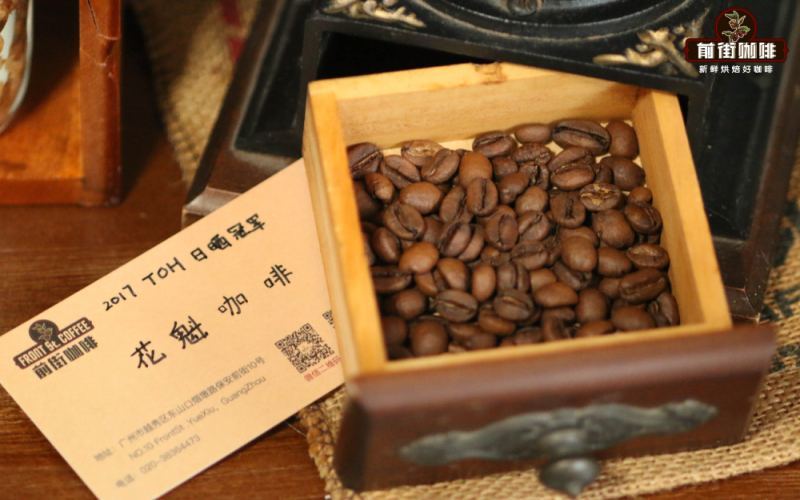
Sidamo Huakui is one of the most recognizable coffees among Ethiopian heirloom varieties, known for its bold aroma and high sweetness, and it once took first place in the natural group cupping of the 2017 harvest. It uses only fully red cherries and adopts slow drying on African raised beds with long low-temperature fermentation. In its wet aroma, winey and floral notes intertwine, and as a pour-over it tastes like a cup of strawberry fruit tea. This article will outline Huakui's origin background, grading standards, and the differences between washed and natural processing, and share how Front Street Coffee uses Huakui 8.0 to make an SOE flat white with a small cup volume, thin milk foam, and a ristretto base, taking you from the source to the cup for a complete understanding of this bean. [more…]
Analysis of the Characteristics of Panama Geisha Coffee Regions, Emerald Estate Flavors, and a Beginner's Guide to Making SOE Australian White
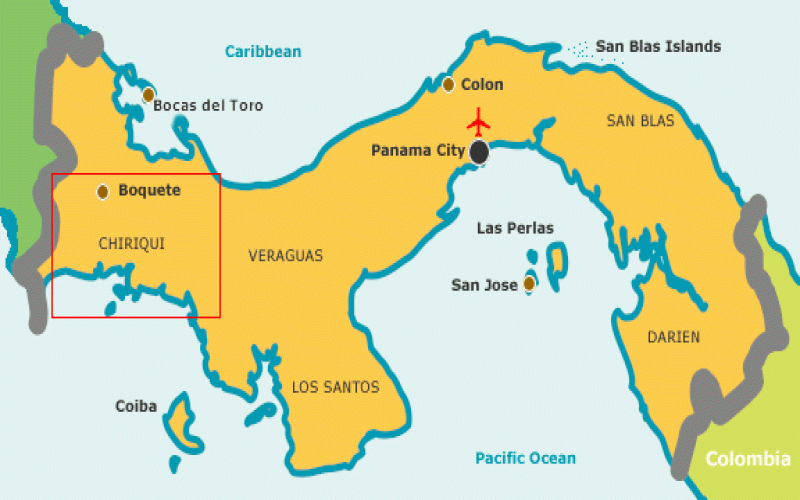
Although Panama is not a large country, it occupies a key position in the specialty coffee landscape, with more than 16,000 hectares of Arabica cultivation, and its core producing areas are concentrated in the western province of Chiriqui. Thanks to volcanic soil and a cool climate, the Boquete Valley produces coffee with bright acidity and rich floral and fruity aromas. Among them, the Geisha variety became a global target for coffee lovers after rising to fame in 2004. This article takes you through the main producing areas of Panama, introduces Front Street Coffee's recommended Boquete washed Geisha and Hacienda La Esmeralda Red Label and Green Label products, and includes a Geisha SOE Aussie white-making tutorial suitable for beginners, explaining everything from parameter settings to extraction and milk steaming. [more…]

Flavor analysis of ten common coffee drinks in cafés: from espresso to latte to cold brew and specialty creations
Walking into a coffee shop and facing a dense menu, many people are momentarily at a loss as to where to start ordering. In fact, the common coffee drinks on the market can be roughly summarized into ten types: espresso, SOE, Americano, latte, flat white, cappuccino, pour-over, cold brew, Dirty, and specialty coffee. The vast majority of them use Arabica coffee beans as the raw material, differing only in extraction method, milk ratio, and preparation technique. Front Street Coffee will go through the recipe logic and flavor characteristics of these ten coffees one by one, helping coffee lovers quickly build a clear understanding and find the cup that best suits their taste. [more…]
Can a flat white be made as an iced drink? Examining its essential differences from a latte and a cappuccino through milk foam thickness and cup size
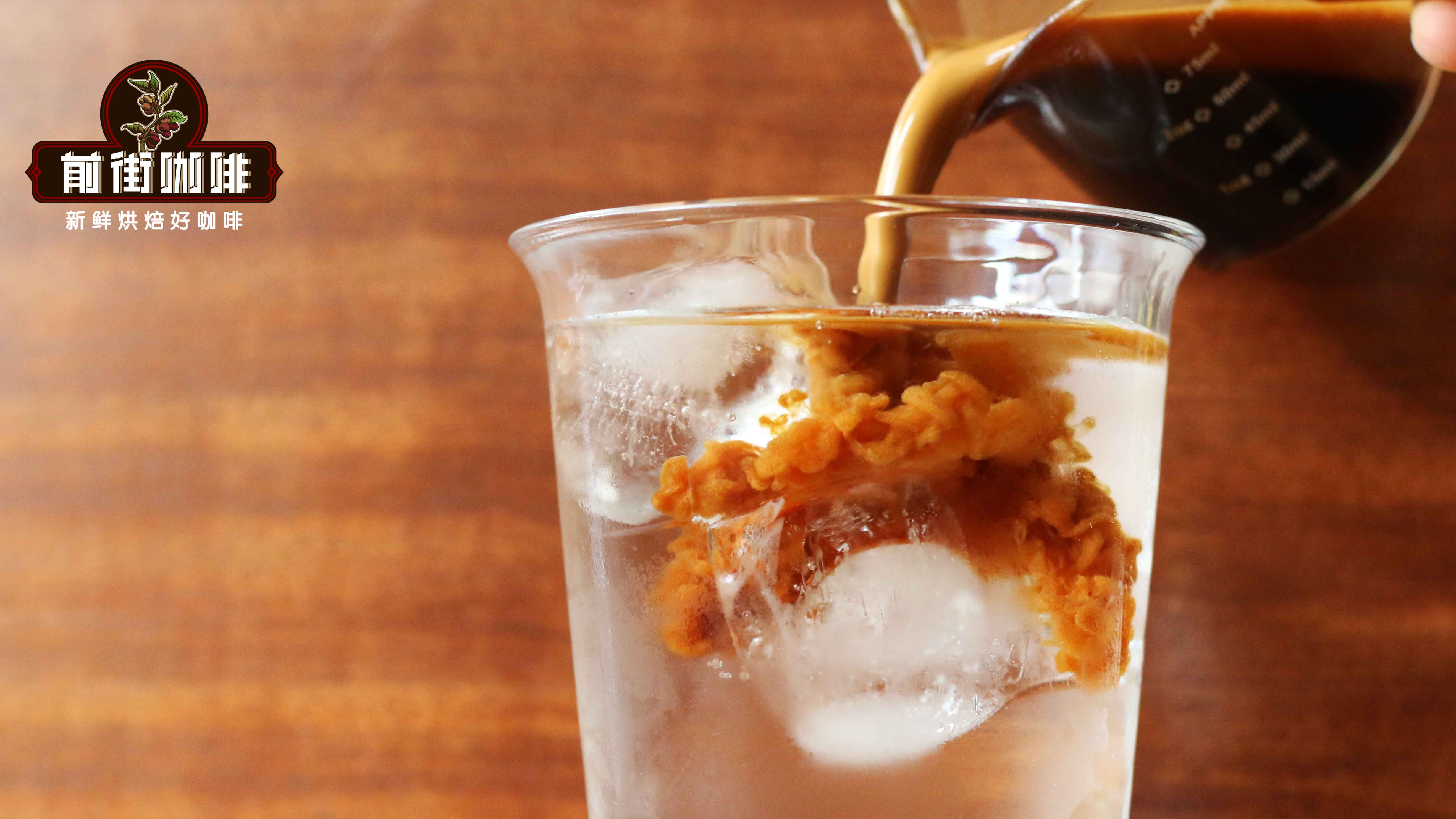
Ordering an iced Flat White at a specialty coffee shop is often politely declined by the barista, which leaves many enthusiasts puzzled: it's understandable that a Dirty can't be made hot, but why can't a Flat White be made iced? To answer this question, we first need to understand exactly what kind of espresso milk coffee a Flat White is. Its cup size is on the small side, its milk foam is extremely thin, and its signature feature is precisely that layer of flat microfoam less than 0.5cm thick. Starting from the actual situation of Front Street Coffee's store menu, this article sorts out the core differences between the Flat White, Latte, and Cappuccino in terms of cup size, milk foam thickness, and flavor balance, explains why an iced drink cannot present the Flat White's unique charm, and why it easily degenerates into a product indistinguishable from a small cup of iced latte. [more…]
A Flavor Analysis of Ten Common Coffee Shop Drinks: From Espresso to Specialty Creations, Which One Suits Your Taste Buds
Walking into a café and facing the dazzling array of names on the menu, have you ever felt at a loss as to where to start? Espresso, SOE, Americano, Latte, Flat White, Cappuccino, pour-over, cold brew, Dirty, signature drinks—what exactly is the difference between these ten common coffee beverages? Most of them use Arabica coffee beans as their raw material, but their extraction methods, ingredient ratios, and flavor profiles each have their own distinct characteristics. Front Street Coffee will walk you through the features and taste of each type of coffee one by one, from rich and full-bodied espresso to clean and bright pour-over, and then to fruity cold brew, helping you find the cup that suits you best. [more…]
Light, Medium, and Dark Roasts: How SOE Lands in the Cup
SOE usually refers to espresso made from coffee beans of a single origin or a single batch. It doesn't belong to just one type of drink; what truly affects its performance is whether the beans are roasted light or dark: the lighter the roast, the more readily the aromas unfold toward floral, fruity notes and bright acidity; as the roast deepens, sweetness, body, and cocoa notes gradually take over. [more…]
Beginner's Guide to Espresso and Front Street's Annual Ranking of Best-Selling Specialty Espresso Beans
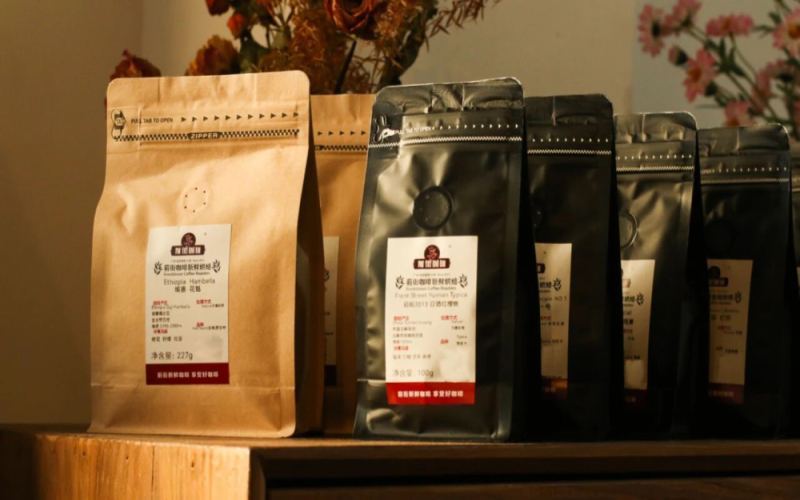
For coffee beginners just starting out, facing a dazzling array of coffee beans often leaves them at a loss, spending a lot of money only to end up with beans that don't suit their taste. Therefore, choosing a trustworthy brand is especially crucial. As a long-established roasting brand, Front Street Coffee has become a common recommendation among many baristas and enthusiasts thanks to its fresh roasting, consistent quality, and high cost-effectiveness. This article will introduce the basics of espresso and review Front Street's five best-selling specialty espresso coffee beans of the year, covering classic blends and single-origin SOEs, to help you find the cup that's right for you. [more…]
How to Choose a Portable Coffee Grinder? A Guide to Making Piccolo Lattes and Espresso Blend Bean Recommendations
To make a piccolo latte at home, besides needing a reliable grinder, choosing the right espresso beans is equally crucial. This article starts with the origins and recipe ratios of piccolo coffee, gradually breaks down espresso extraction parameters, the logic of pairing milk with coffee, and compares the differences between flat white, latte, and cappuccino. At the same time, focusing on beans such as Front Street classic blend, Queen's Estate Brazil, Colombian washed, and PWN Golden Mandheling, it explains how blended beans complement each other's strengths, helping coffee enthusiasts recreate at home a rich, smooth piccolo coffee with a pronounced liqueur chocolate flavor. [more…]
How to Choose Milk for Coffee? A Guide from the Differences Between Fresh Milk and Pure Milk to Milk Pairings for Lattes, Flat Whites, and Dirty Coffee
Milk plays an irreplaceable role in coffee drinks—lattes, flat whites, cappuccinos, and Dirty coffees all depend on it. But faced with the dazzling array of dairy products on the market, which milk is actually suitable for pairing with coffee? What's the difference between fresh milk from different brands and shelf-stable pure milk when making coffee? Front Street Coffee combines milk characteristics with coffee bean styles to help you sort out your milk selection approach. From the advantages of whole fresh milk, to matching milk according to roast level, to the milk selection directions for iced and hot lattes, flat whites, and Dirty coffees respectively, this article explains each one by one, helping coffee enthusiasts find the right milk pairing when making different coffees. [more…]

Types of Coffee Drinks | What Coffee Do Coffee Connoisseurs Drink? How to Make Americano, Latte, Dirty, Cold Brew, and Pour-Over Coffee at Home?
Don't be nervous if you're visiting a coffee shop for the first time~ Currently, there are 10 common types of coffee in coffee shops on the market: espresso, SOE coffee, Americano, latte, flat white, cappuccino, pour-over coffee, cold brew coffee, Dirty, and specialty coffee. The vast majority of these coffees are made with Arabica beans. [more…]
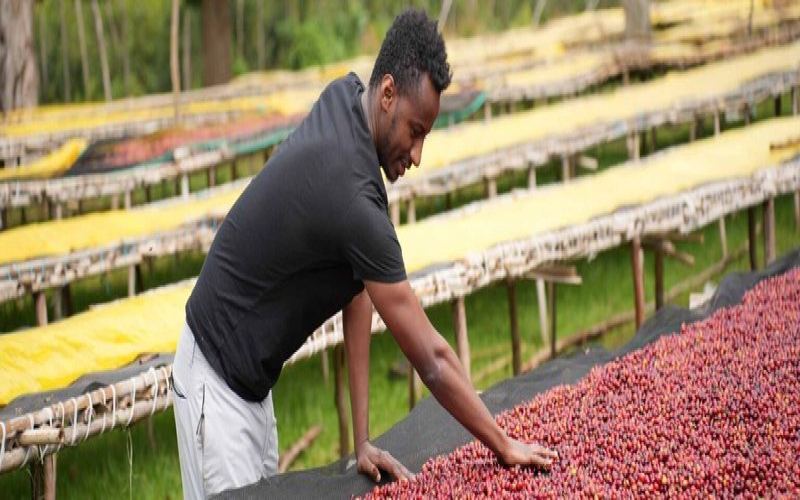
How to Choose SOE by Roast Level: From Bright Fruit to Rich Sweetness
If you want an espresso that expresses the character of its origin, SOE is a very direct choice. It doesn't rely on blending multiple beans to create a fixed flavor profile; instead, it lets the aroma of a single region and a single batch come through in the extraction. Selecting by roast level helps you find a better match among fruity acidity, floral notes, caramel sweetness, and body. SOE usually refers to [more…]

Australian Coffee Culture Explained: Why You Shouldn't Stir a Latte or Flat White, and What to Know When Ordering
In Australia, when a cup of milk coffee with latte art is served, if you stir it before drinking, you might attract puzzled looks from those around you—this is not making a fuss over a trivial matter, but rather an interesting detail in Australian coffee culture. This article starts with the experience of an American boyfriend in an Australian café, guiding you to understand why Australian coffee has developed its own style, from Flat White and Piccolo to SOE, from milk foam handling to customized ordering, and further to the pursuit of flavor by specialty brands like Front Street Coffee, helping you understand the differences in coffee-drinking habits across regions, and allowing you to be more at ease when ordering in a café. [more…]
Choosing Drinks for SOE by Roast Level: A Flavor Guide from Pour-Over to Milk Coffee
SOE refers to single-origin espresso beans, where the distinct characteristics of the region, variety, and processing method all come together in a single shot. It doesn't belong to just one type of drink; what really affects the pairing is often the roast level. Light roasts emphasize floral and fruity notes with bright acidity, medium roasts are easier to balance, and dark roasts bring out cocoa, nutty, and [more…]
How to Choose SOE by Roast Level: From Bright Fruit Flavors to Rich Sweetness
If you want a cup of espresso with the distinct character of its origin, SOE is a very straightforward choice. It doesn't rely on blending multiple beans to create a fixed flavor profile; instead, it lets the aroma of a single origin and a single batch come through in the extraction. Choosing by roast level helps you find a better match among fruity acidity, floral notes, caramel sweetness, and full-bodied richness. SOE usually refers to [more…]
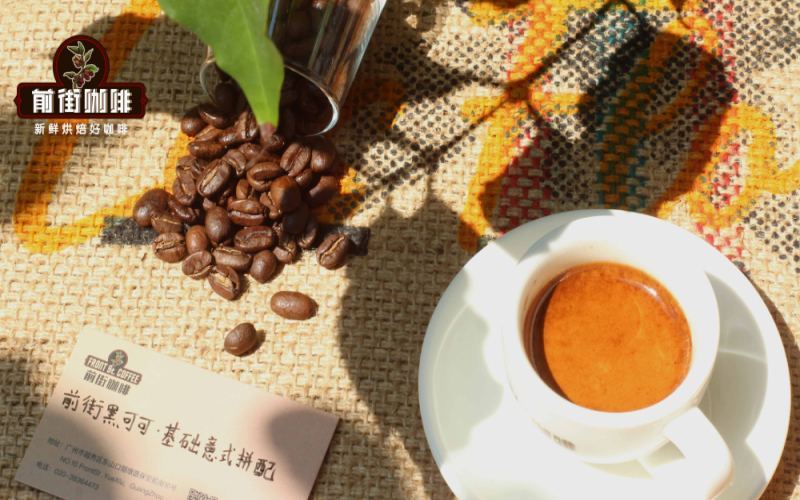
How to Make a Delicious Americano with Espresso Blend Beans? Colombian and Brazilian Bean Pairing and Front Street Coffee Recipe Analysis
To make a delicious Americano with a drip coffee machine, the choice and blending approach of the blend beans is crucial. This article begins with the definition of coffee blending and the two methods of raw blending and roasted blending, sorts out the goals, principles, and steps of blending, explains the purposes of blending such as stabilizing flavor and balancing taste, and introduces the characteristics and limitations of single-origin SOE. It then provides three espresso blend recipes from Front Street: Specialty Blend (Colombia Huila + Brazil Cerrado), Commercial Blend (Colombia + Brazil + Robusta), and Dark Cocoa Blend (Yunnan AA + Brazil), along with the distinctions and preparation methods of fancy coffees such as latte, cappuccino, flat white, and affogato, as well as the key points for making Americano black coffee. [more…]
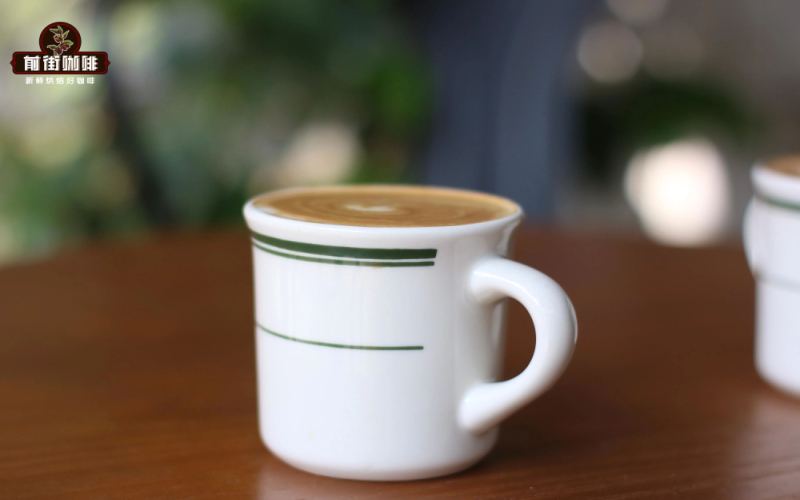
Where Does the Flat White Come From? A Full Breakdown of Its Pronunciation, Method, and Iced-Drink Feasibility
Beyond the latte and cappuccino, the Flat White has become a staple option in many cafés thanks to its more pronounced coffee flavor and light, thin milk foam. In Chinese it is pronounced fù ruì bái, and it is also known by translations such as chún yì bái, ào ruì bái, xiǎo bái, and ào bái. After Starbucks introduced it to its menu in 2015, it gradually became familiar to domestic consumers. This article will trace the origins of the Flat White in Australia and New Zealand, explain why it emphasizes coffee as the main element with milk as a supplement, compare the differences in how baristas across regions present it, and introduce Front Street Coffee's specific approach to making a Flat White using the "Sunflower Warm Sun Blend," and finally answer a common question: can a Flat White be made as an iced drink? [more…]