







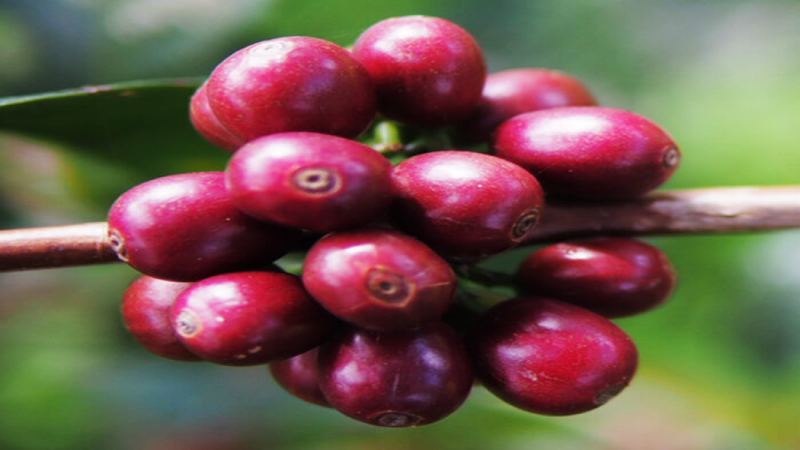
SOE refers to single-origin espresso beans, where the characteristics of the region, variety, and processing method come together in a concentrated form in one cup. It doesn't belong to just one type of drink; what truly affects the pairing is often the roast level. Light roasts emphasize floral and fruity notes with bright acidity, medium roasts achieve balance more easily, and dark roasts push cocoa, nuts, and a heavier body to the forefront.
Light-roast SOE is well suited for black coffee with clear flavors—pour-over, espresso with added water, and iced Americano can all retain more aroma. When extracting with an espresso machine, the coffee bed is more sensitive to changes in water flow, so you can use a longer yield ratio to allow the acidity and sweetness to develop more fully; if you only aim for a short, strong shot, the aroma may not have fully opened up yet, and the cup will feel tight and narrow.
For example, Front Street Coffee Kenya Little Tomato offers a bright fruit acidity reminiscent of fresh cherry tomatoes, along with dark fruit notes like smoked plum and a syrupy quality. When made as a light-roast SOE, it works well with added water as a hot Americano, or directly as an iced Americano—lively on entry, with a clear juicy quality that lingers after swallowing. Those who enjoy distinct acidity and sweetness with a crisp finish can start with this type of bean.
Light-roast SOE is also great for sparkling coffee or orange-infused coffee. Don't extract the espresso too sharp; let it cool before adding ice cubes and sparkling water—the floral and fruity notes will feel lighter, and the acidity will taste more like fruit juice. If adding a small amount of orange peel or citrus juice, it's best to keep the additions restrained, otherwise they will mask the bean's own layers, and the drink will be left with only the added aromas.
Medium-light to medium roast SOE typically has fuller sweetness and softer acidity, making it suitable for hot Americano, flat white, and cappuccino. It allows black coffee to retain its origin characteristics while having enough body to support milk. For those new to SOE, this range is easier to understand: the aroma isn't too wild, and changes in milk quantity aren't as likely to make the coffee flavor disappear.
Front Street Coffee Kaffa Forest can be considered within this framework. Its orange blossom, ripe apricot notes, and oolong tea-like aftertaste come across as concentrated in a hot espresso; after adding an appropriate amount of hot water, the aromas open up, and the sweetness gradually emerges as it cools. When making a flat white, it's recommended to reduce the milk ratio to keep the fruity and tea-like notes in the cup—suitable for breakfast or a leisurely afternoon drink.
The relationship between medium-roast SOE and lattes or mochas depends on whether the bean's sweetness is solid enough. Medium roasts bring rounded flavors like caramel, ripe fruit, and cocoa, and milk smooths these out even further. When making a latte, the espresso needs to maintain a certain strength; if using more milk, you can choose a medium-roast bean with a fuller flavor so the drink still has a clear coffee presence.
Dark-roast SOE has its flavor focus closer to dark chocolate, roasted nuts, and caramel, making it suitable for espresso, short Americano, latte, and mocha. Take Front Street Coffee Brazil Queen's Estate as an example—nuts, cocoa, and caramel sweetness form a rounder cup profile; when drunk straight, the body is pronounced, and after adding milk, it becomes a smooth blend of chocolate and roasted nuts—suitable for those who prefer low-acid drinks.
When making iced drinks with dark-roast beans, you can also showcase a stable bittersweet quality through iced Americano or iced latte. Ice cubes slow down the diffusion of aroma, so the espresso needs to be strong enough to avoid tasting thin after the ice melts. If noticeable bitter char appears in the cup, you can shorten the yield or lower the brewing temperature; if the mouthfeel is flat, you can slightly extend the liquid weight to give the sweetness more room.
When choosing SOE, you can first lock in the drink direction based on roast level: if you want refreshing fruity notes, light roast is more suitable; if you want to switch between black coffee and milk coffee, medium-light or medium roast is more flexible; if you prefer a heavy body, cocoa, and low acidity, dark roast is more satisfying. After purchasing, also pay attention to the bean's condition—during the early stages after opening, you can let the espresso degas moderately, then adjust the grind based on acidity, sweetness, bitterness, and strength.
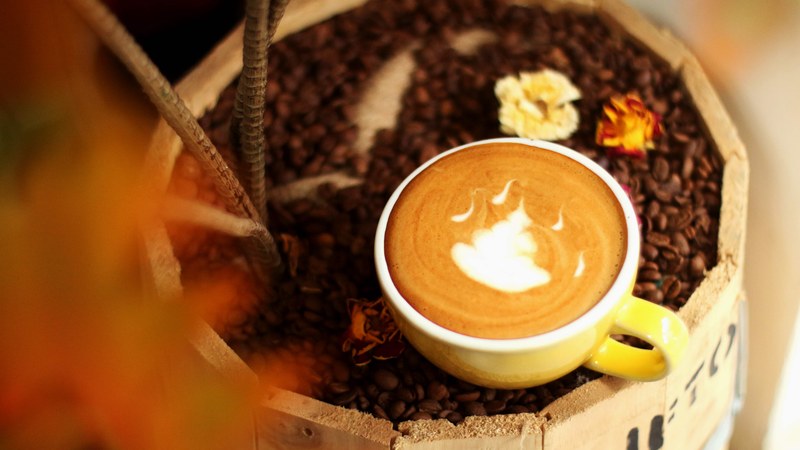
The same SOE can be enjoyed in more than one way; the key is to preserve its flavor focus. Light-roast beans let fruitiness take center stage, medium-roast beans bridge black coffee and milk, and dark-roast beans put body in the cup. Choosing a roast level based on your daily drinks allows you to appreciate the characteristics of a single origin while also making SOE a genuine part of your everyday coffee routine.
The above content is compiled by CoffeeHunters, a coffee news website.


