








Why Do Most Cafe Coffee Drinks Use Arabica Coffee Beans?
Cafe menus mostly reduce to ten drinks: espresso, SOE coffee, Americano, latte, flat white, cappuccino, pour-over, cold brew, Dirty, and specialty coffee. Nearly all of them start from arabica coffee bean, and the differences come down to extraction method, milk ratio, and preparation technique rather than the raw material itself.
Espresso is pulled under pressure from finely ground, firmly tamped coffee, and shops often choose blended beans at a medium-dark or darker roast for balance and cost control. SOE coffee uses single-origin beans instead, which brings out a specific origin's character with more distinct layers than a blend typically shows.
Walking into a coffee shop and facing a dense menu, many people are momentarily at a loss as to where to start ordering. In fact, the common coffee drinks on the market can be roughly summarized into ten types: espresso, SOE, Americano, latte, flat white, cappuccino, pour-over, cold brew, Dirty, and specialty coffee. The vast majority of them use Arabica coffee beans as the raw material, with the differences lying in the extraction method, milk ratio, and preparation technique. Front Street Coffee (FrontStreet Coffee) will sort through the recipe logic and flavor characteristics of these ten coffees one by one, helping coffee lovers quickly build a clear understanding and find the cup that best suits their taste.

There is no need to feel at a loss when stepping into a coffee shop for the first time. The coffee drinks commonly seen in coffee shops today can be broadly divided into the following ten types: espresso, SOE coffee, Americano, latte, flat white, cappuccino, pour-over coffee, cold brew coffee, Dirty, and specialty coffee. The above drinks basically all use Arabica coffee beans as the raw material, and people who truly understand coffee often prefer coffee made from Arabica beans. Next, Front Street Coffee (FrontStreet Coffee) will take everyone through the differences among these ten coffees one by one.
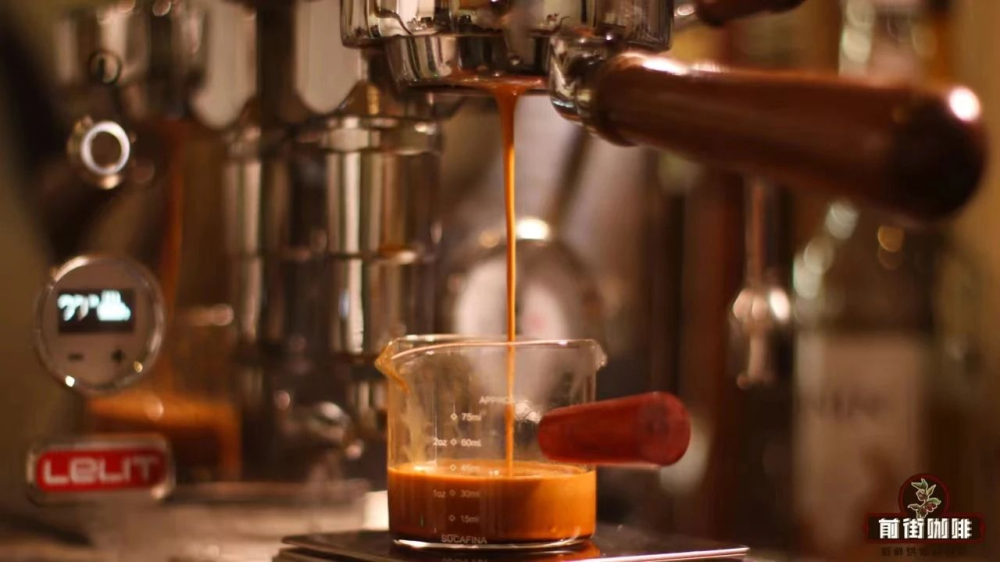
Espresso-based family: espresso, SOE coffee, Americano, latte, flat white, cappuccino, Dirty. Espresso: extracted by means of pressure using an espresso machine. The coffee beans need to be ground very fine, distributed and then pressed flat and firm, allowing water to pass through the puck inside a sealed chamber, ultimately yielding a small amount of highly concentrated coffee liquid. Because espresso usually emphasizes serving efficiency and cost control, most coffee shops choose blended beans, combining coffee beans from different origins to make the taste more balanced, while also using a medium-dark roast or darker to give the flavor a richer, fuller character.
SOE coffee: refers to espresso extracted from single-origin (single-variety) coffee beans. Front Street Coffee (FrontStreet Coffee) believes that compared with espresso made from blended beans, SOE can better express the unique origin character of a particular bean, and its layers are more distinct. Americano: espresso plus water. (Iced Americano is espresso plus water and ice.)
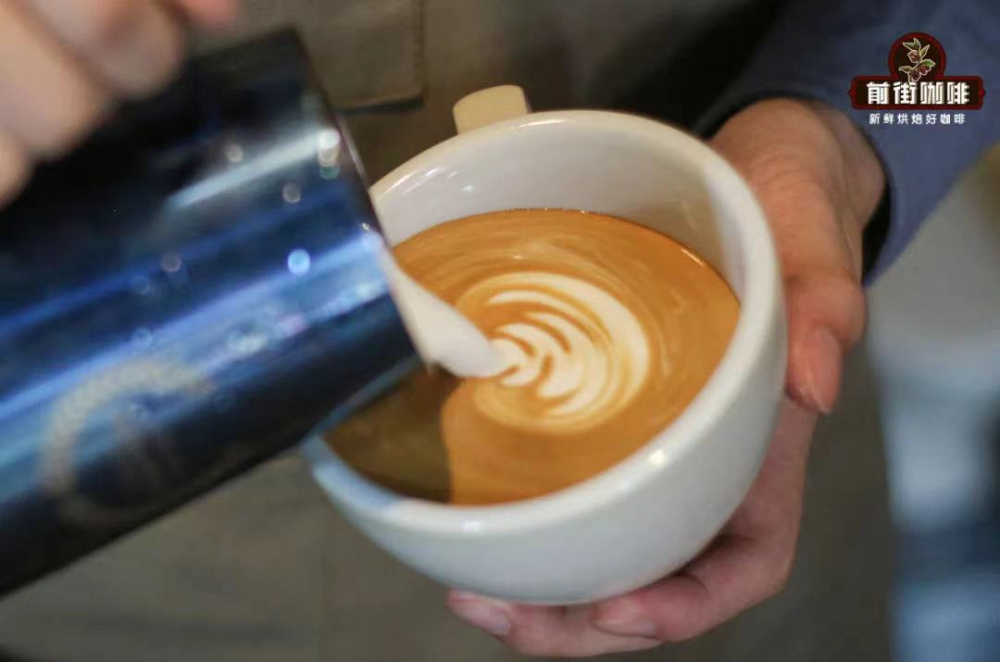
Latte: one-third espresso, plus two-thirds milk, then topped with about 1 cm of milk foam (hot drink).
Cappuccino: two-thirds espresso, plus one-third milk, with a milk foam thickness of about 1.5 cm (hot drink).
Flat white: two-thirds espresso, plus one-third milk, with milk foam of only about 0.5 cm (hot drink).
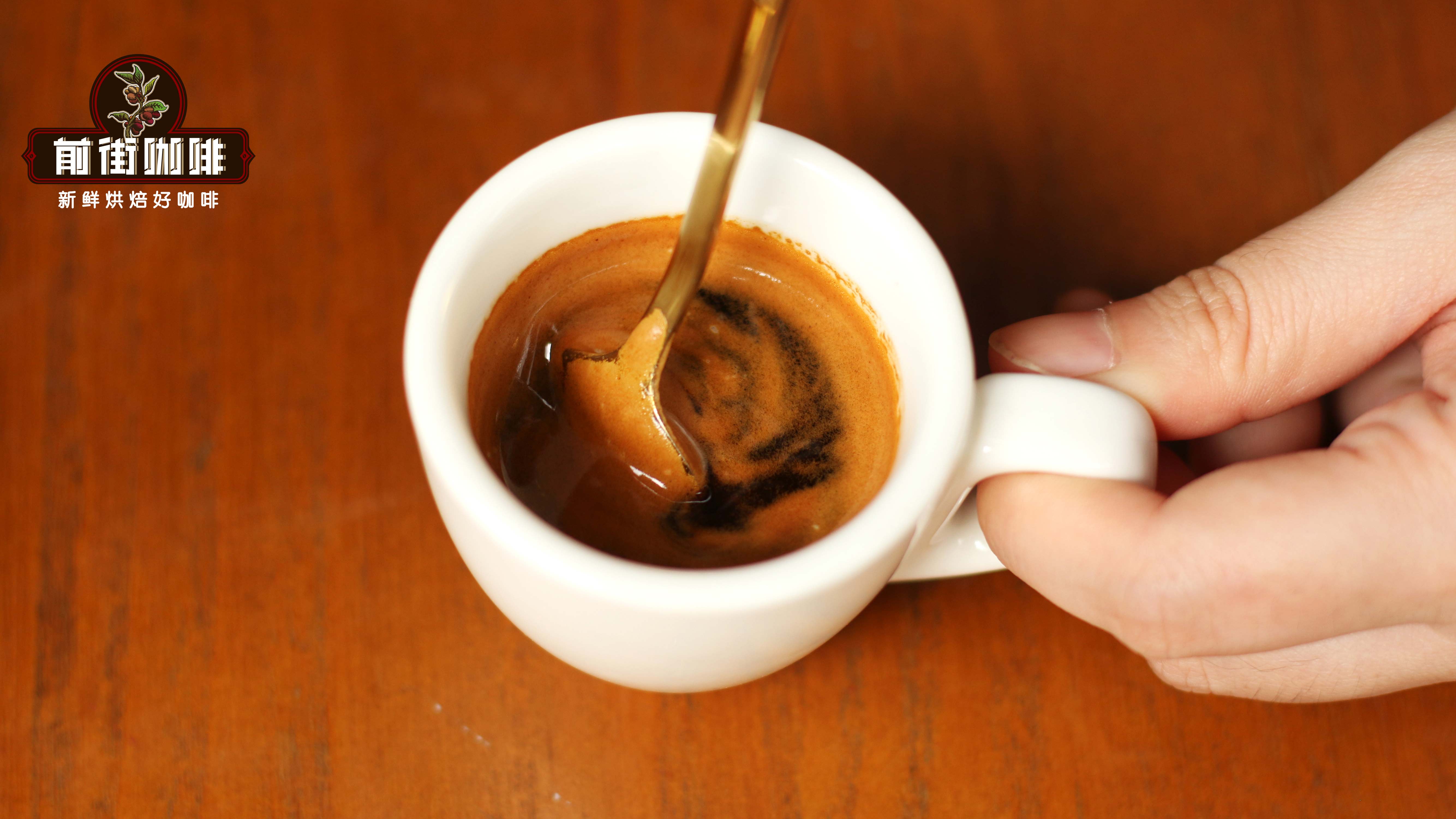
Dirty: pour espresso over cold milk or ice博克 (purified milk), forming a clear layer between the coffee and the milk. No stirring is needed when drinking; simply experience the layered transition from coffee to milk.
Pour-over coffee: this is a common brewing method in coffee shops, requiring tools such as a dripper and a pouring kettle. One of its characteristics is the use of a dripper together with filter paper or another filtering medium to separate out the coffee grounds.
If you want to taste a cup of coffee that is closest to its original flavor and sufficiently rich in layers, Front Street recommends choosing pour-over coffee made from freshly roasted beans ground and brewed on the spot. At present, all single-origin specialty coffee beans sold by Front Street Coffee (FrontStreet Coffee) can be used for pour-over brewing, and all orders are shipped within five days after roasting is completed, to ensure the freshness of the beans. Cold brew coffee: grind coffee beans into medium-fine particles, soak them in cold water for more than eight hours, then filter out the coffee grounds through a filtering device. The cold brew method is not complicated; as long as the parameters are handled accurately, you can easily get a delicious cup of iced coffee.
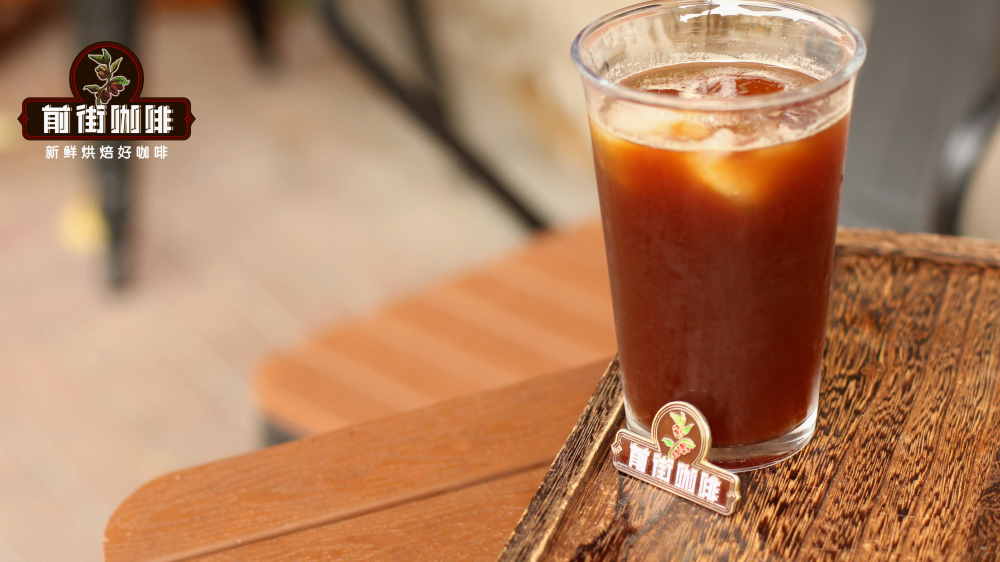
The standard ratio used by Front Street Coffee (FrontStreet Coffee) for making cold brew is coffee grounds, water, and ice equal to 1:8:4, which converted into an actual coffee-to-water ratio is 1:12. The reason for adding ice is to keep the water temperature in a sufficiently low range, thereby maintaining a stable extraction efficiency. Ice drip coffee: let ice water drip at a uniform rate, slowly passing through the coffee grounds to complete extraction. The whole process usually takes no less than five hours, and after drip filtration is finished, it still needs to be refrigerated overnight to ferment before drinking. In order to highlight the rich, liquor-like aroma unique to ice drip while avoiding the miscellaneous flavors of the tail end caused by long drip filtration, many coffee shops deliberately select high-quality single-origin beans full of fruity aroma for production. Under the dual effects of slow drip filtration and low-temperature aging, the finished product retains the clear charm of fruity-acidic coffee while also carrying a fermented texture similar to fruit wine, remaining refreshing amid its rich aroma.
Specialty coffee: so-called specialty coffee is coffee made by adding various ingredients on the basis of coffee obtained through different extraction methods, among which fruit and fruit juice as the main ingredients are the most common.
The above content is compiled by CoffeeHunters, a coffee news website.


