







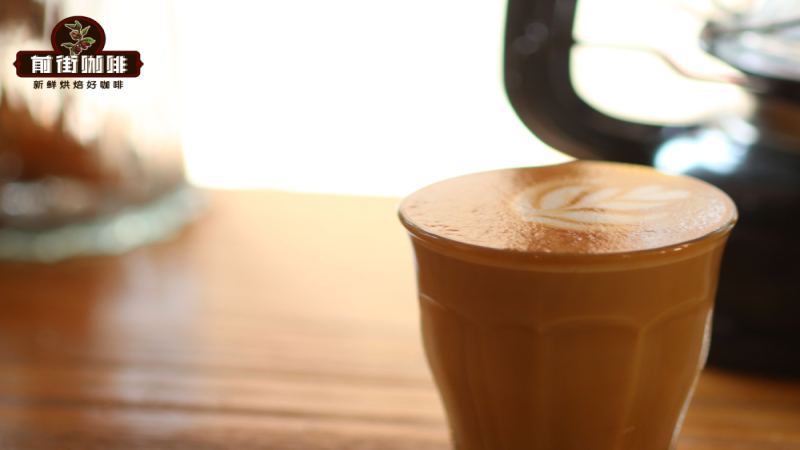
What is the piccolo meaning coffee drinkers should know?
In piccolo meaning coffee refers to a small espresso drink. The Italian word "piccolo" means small, and latte means milk, so a piccolo latte is essentially a smaller latte. It is made with 15 to 20 milliliters of espresso plus steamed milk, usually served in a 100-milliliter glass, keeping coffee flavor prominent while staying smooth.
Piccolo coffee english naming overlaps with the Italian term, which can confuse newcomers. A common home version extracts 15 to 20 grams of ristretto and pairs it with four times the milk. To make it at home, a reliable grinder and suitable espresso beans matter as much as the recipe, since grind and extraction shape the final balance.
To make a piccolo latte at home, besides needing a reliable grinder, choosing the right espresso beans is equally crucial. This article starts with the origin and recipe ratios of piccolo coffee, gradually breaks down espresso extraction parameters, the logic of pairing milk with coffee, and compares the differences between flat white, latte, and cappuccino. At the same time, focusing on beans such as Front Street Classic Blend, Queen's Farm Brazil, Colombia Washed, and PWN Golden Mandheling, it explains how blended beans complement each other's strengths and weaknesses, helping coffee enthusiasts recreate at home a rich, smooth piccolo coffee with a prominent liqueur chocolate flavor.
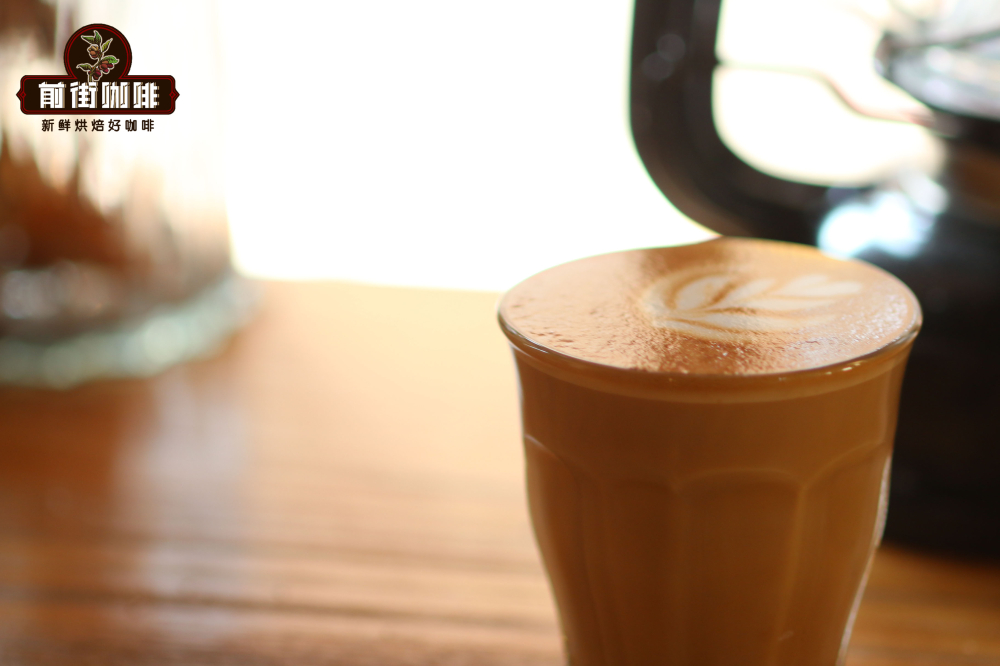
Espresso coffee is becoming more and more popular, and various fancy coffees are emerging one after another. On the Front Street espresso menu, latte and cappuccino have always been very popular, but today Front Street wants to talk about a relatively niche espresso coffee—piccolo coffee, also called piccolo latte.
Not many people may have heard of this coffee. In piccolo latte, the Italian word "piccolo" means small, and latte refers to milk; while piccolo in English also has the meaning of "piccolo," hence the name piccolo latte. The traditional way to make piccolo coffee is to take 15 to 20 milliliters of espresso, then add steamed milk. Nowadays, people are used to serving it in a 100-milliliter specialty glass. The core goal of piccolo coffee is to make the coffee flavor more prominent while maintaining a smooth mouthfeel.
So, how do you make a simple cup of piccolo coffee? Front Street will also briefly explain. Piccolo latte can be understood as a smaller version of latte: the cup is small, the capacity is small, and the amounts of coffee and milk are both less than common espresso drinks. You need to extract 15 to 20 grams of ristretto, then pair it with 4 times the amount of milk.
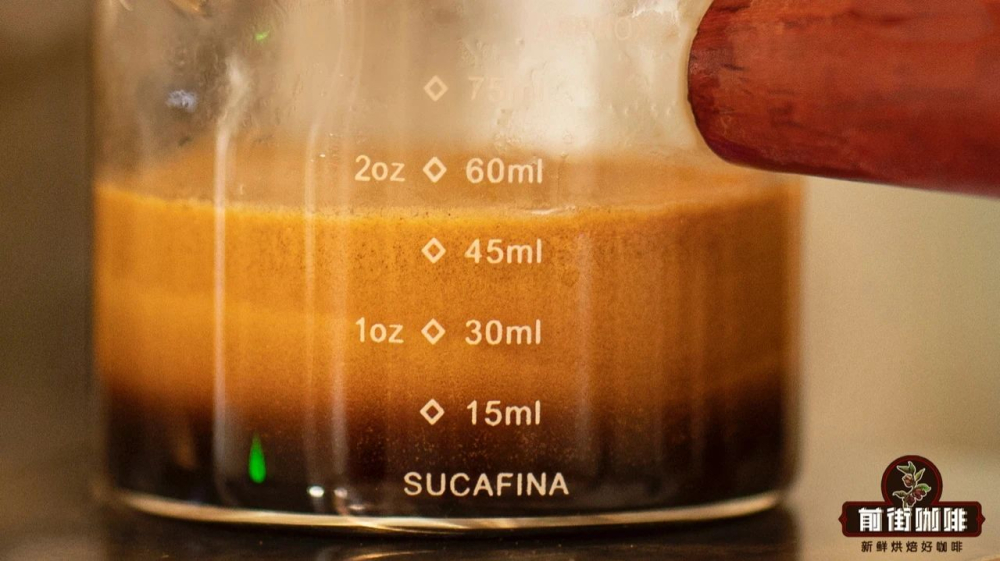
Front Street Coffee has not launched a piccolo latte, so there is no dedicated 100-milliliter glass on hand. Today's demonstration will use a 150-milliliter cup instead, extracting 30 grams of ristretto and pairing it with 120 grams of milk, for a coffee-to-milk ratio of 1:4.
To make a piccolo latte, Front Street Classic Blend is the first choice. This bean is meant to pay tribute to the once-popular "Mamba coffee." It combines Indonesian Mandheling beans with Brazilian espresso beans, retaining both the wild aroma of Mandheling and the smooth mouthfeel of Brazilian beans, with the flavors complementing and harmonizing with each other. Front Street Classic Espresso Blend also adds Robusta on the basis of the Mamba recipe, significantly improving crema performance and making the body of the espresso more solid. It is suitable for home preparation and also suitable for latte art.
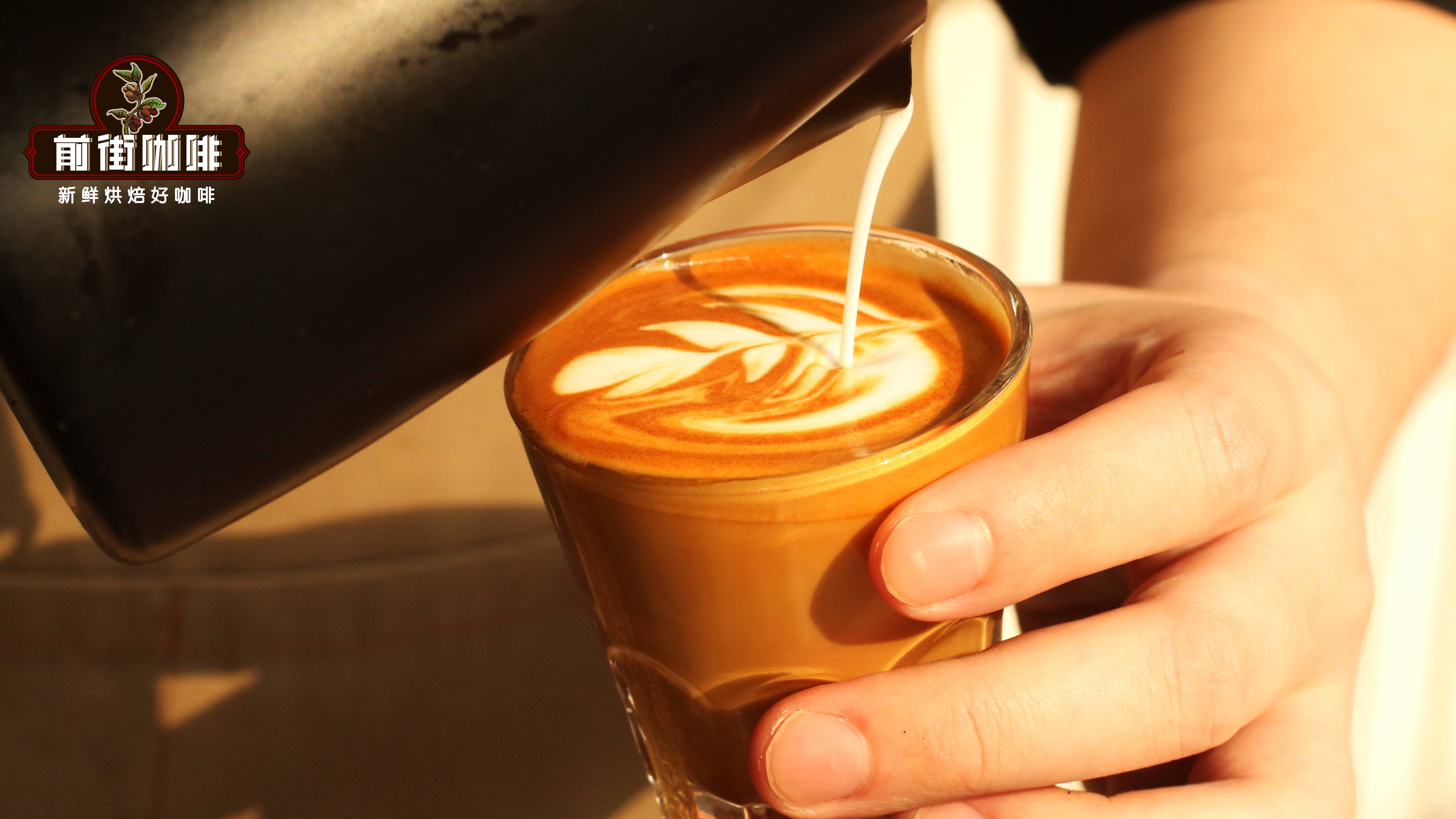
If you want a piccolo coffee with a more special flavor, you can choose SOE coffee beans, such as medium-dark roasted South American coffee and Asian-origin coffee. Front Street Queen's Farm-Brazil, Front Street Colombia Washed, and Front Street PWN Golden Mandheling are recommended.
When Front Street makes espresso, the coffee powder dose is 18 grams, the extraction time is 27 seconds, and a total of 30 grams of coffee liquid is extracted.
The parameters of the espresso machine are very important, and everyone can adjust flexibly according to their own machine. So how does the resulting piccolo coffee taste? The coffee-to-milk ratio of piccolo latte is 1:4, so the presence of espresso is very strong, better highlighting the liqueur chocolate flavor of the Warm Sun Blend. It tastes richer than a latte, yet it is not as hard to accept as espresso. As for the milk foam, it has the smoothness of a latte, neither as thin as a flat white nor as dense as a cappuccino. The whole cup enters the mouth like a milkshake, with obvious creamy chocolate notes, rich, medium sweetness, and a moderate finish.
Previously, a friend asked, what is the difference between flat white coffee and piccolo coffee? Front Street will also briefly talk about flat white coffee by the way. Flat white is a drink that highlights the taste of coffee; latte is a coffee drink with a large amount of milk added; cappuccino has thicker milk foam. Flat white has a stronger coffee taste, less milk, and thinner milk foam. The method of making flat white is also not uniform: in choosing the espresso base, New Zealanders like to use a double ristretto to make flat white, while Australian baristas tend to use a single espresso.
Front Street believes that flat white coffee is more like a cup of coffee with milk; latte is like a cup of coffee-flavored milk; cappuccino is like a cup of foamy milk coffee with dense milk foam. Flat white can show the quality of coffee beans better than latte, and is also more suitable for expressing the flavor of the coffee's own origin, just as the currently popular SOE (single origin espresso) single-origin espresso fits perfectly with the characteristics of the third wave coffee trend, which emphasizes origin and tracing back to the source.
Front Street believes that when making a cup of piccolo coffee, the most important thing is to choose a good espresso as the base, because a good espresso is crucial to the entire espresso drink. Espresso beans are usually blended from multiple beans, so Front Street thinks that choosing a suitable blended coffee bean is very important.
Blended beans allow different coffee beans to complement each other's strengths and weaknesses. When blended properly, the flavors can combine their respective advantages, extracting an espresso with excellent balance, rich crema, and alluring aroma. But when blended improperly, it will amplify the personality of the beans, especially light-roasted beans, which may bring strong aromas and sharp acidity and sweetness. Front Street has found that many coffee shops like to use Yirgacheffe in blends. The extracted floral aroma is very obvious, and the taste is also somewhat sour, making it very suitable for enthusiasts who prefer acidity.
Perhaps some customers do not understand why coffee beans should be blended together. Wouldn't that make things messy? Actually, it is not like that. In Front Street's view, every bean has advantages and disadvantages: if a certain bean does not produce enough crema when extracted with an espresso machine, you can add a bean rich in crema to complement it; if a certain bean extracts an espresso that is too sour, too bitter, or too sweet, you can also find another bean that can balance it for blending, so as to obtain the desired flavor. Isn't that perfect? An ideal blended bean makes it easier to make an ideal cup of piccolo coffee.
The above content is compiled by CoffeeHunters, a coffee news website.


