







Search Results for: SCAA Roast Color Card
A Complete Guide to the SCAA Roast Color Chart: From Light Roast to Espresso, Understanding the Eight Roast Levels and Flavor Changes of Coffee Beans
What standards are actually used to classify the light, medium, and dark roasts commonly seen on coffee bean packaging, along with names like Cinnamon, City, and French? This article starts with the eight-level roast color card developed by the SCAA (Specialty Coffee Association of America) and the Agtron company, explaining how Agtron color values correspond to drop time, and groups the eight levels into four major categories: light, medium, medium-dark, and dark, explaining the flavor characteristics of each stage. The article also uses Front Street Coffee's Yirgacheffe Gidding and PWN Golden Mandheling as examples, fully presenting the roasting curve from charge temperature, adjustments to heat and airflow, to first crack development and drop timing, as well as the brewing parameters and flavor descriptions for the V60 and KONO Meimon drippers, making it easy for enthusiasts to build a corresponding understanding of roasting and extraction. [more…]
A Comprehensive Guide to Coffee Bean Roast Levels: From SCAA Color Value Grading to Front Street Coffee's Practical Brand Classification
Coffee roasting is the key process through which green beans transform into brown roasted beans. The length of heat exposure directly determines the color of the bean surface and thus defines different roast levels. The SCAA, the world's largest coffee trade association, established an eight-level roast standard based on Agtron color values, from the bright acidity of light roasts to the intense, smoky bitterness of Italian roasts, with each stage having its own distinctive flavor trajectory and drop time. Beyond this official system, new concepts such as ultra-light Nordic roasting and ultra-dark Japanese roasting have gradually entered enthusiasts' field of view. In everyday communication, Front Street Coffee uses another, more intuitive classification that simplifies roasted beans into light, medium-light, medium, medium-dark, and dark roasts, making it easier for consumers to understand and choose. This article will systematically organize these grading standards and provide an in-depth analysis of the five stages of roasting and key practical points. [more…]
Coffee Bean Roast Level Guide: Flavor Differences and Selection Tips from Light Roast to Espresso Roast
The transformation of coffee beans from green raw beans to brown roasted beans depends entirely on the key process of roasting. As roasting time varies, the surface color of the beans changes accordingly, giving rise to different classifications of roast levels. The Specialty Coffee Association of America (SCAA) established a reference system of 8 levels based on Agtron color values, from light roast to Italian roast, with each stage corresponding to a unique flavor direction and unloading timing. This article will use a text-and-image format to analyze one by one the color value ranges of each roast level, the rhythm nodes of first crack and second crack, and the evolution logic of acidity, sweetness, and bitterness. It will also introduce two niche styles—Nordic ultra-light roast and Japanese ultra-dark roast—and share how Front Street Coffee simplifies classification in actual production to help consumers understand roast levels. Finally, it will include practical advice on the five stages of roasting and home roasting. [more…]
Coffee Bean Roast Levels Illustrated | What Do Japanese Extremely Dark Roast and Nordic Extremely Light Roast Mean? Which Tastes Better, Medium or Dark Roasted Coffee Beans?
Roasting is the process of turning green coffee beans into brown roasted beans~ The longer the roasting time and the longer the beans are exposed to heat, the darker the color of the coffee beans becomes. The surface color (bean surface) of the coffee beans when taken out of the roaster after different durations will also vary. This situation Front Street [more…]
From Light Roast to Espresso Roast: A Full Analysis of the Eight-Level Coffee Bean Roast Classification and the Five Major Stages
Coffee beans transform from green raw beans into brown roasted beans entirely through the key process of roasting. The length of roasting time directly determines the depth of the bean surface color and also shapes completely different flavor directions. The roasting color standard card established by the Specialty Coffee Association of America (SCAA) divides roast levels into eight grades, from light roast to Italian roast, with each level corresponding to a specific drop time and flavor characteristics. In addition, emerging concepts such as Nordic ultra-light roast and Japanese ultra-dark roast have gradually entered the view of enthusiasts. This article will systematically sort out these eight levels, the five stages of roasting, and the classification methods used by Front Street Coffee in practical applications, helping readers build a complete understanding of coffee roast levels. [more…]
A Comprehensive Analysis of Coffee Cupping Methods: Flavor Evaluation Differences Between the Brazilian Method, SCAA, and Front Street Coffee's Pour-Over Cupping
Cupping is a core method used in the coffee industry to objectively evaluate coffee flavor and quality, and it is also an important part of barista training. This article systematically reviews the significance and operational logic of cupping, and compares in detail three approaches: the Brazilian cupping method, the SCAA standard cupping method, and the pour-over cupping method recommended by Front Street Coffee. The article points out that Brazilian cupping focuses on identifying defects and is a negative evaluation; SCAA cupping emphasizes positive assessment of aroma and flavor; while the cupping method used by Front Street Coffee simulates daily brewing equipment and is closer to actual cafe output. The three methods each have different emphases in roast level, extraction method, and evaluation items, and understanding these differences helps roasters and coffee professionals judge coffee quality more accurately. [more…]
A Color Value Guide to the Eight Coffee Roast Levels: Practical Tips for Home Drum Roasting
Want to roast coffee beans at home but don't know where to start? Front Street Coffee, drawing on the practical experience of baristas, introduces the key operating points of drum roasting and compiles SCAA's eight-level roast degree comparison chart—from light roast with an Agtron color value of 95 to Italian roast with a color value of 25, explaining one by one the timing of each stage's release from the roaster, appearance changes, and flavor performance. The article also compares the time differences between a professional roaster and drum roasting for the same Brazilian Cerrado Red Bourbon coffee beans, helping coffee enthusiasts understand how roast degree determines the acidity-bitterness direction of a cup of coffee. [more…]
Analysis of Flavor Differences Across Eight Coffee Bean Roast Levels and a Practical Guide to Home Drum Roasting
Many coffee enthusiasts, beyond their daily consumption, have begun trying their hand at roasting coffee beans. However, home roasting often runs into the problem of uneven bean color, and the degree and consistency of roasting are exactly what determine the final flavor in the cup. This article draws on the practical experience of Front Street Coffee, first introducing the feasible tools and operational key points for home roasting, then systematically sorting through the eight roast levels defined by the SCAA—from light roast to Italian roast—explaining one by one the Agtron color values, the timing of removal from the roaster, and the corresponding flavor performance, to help readers build an understanding of the correspondence between roast level and taste, and to gain a deeper understanding of the craft logic behind every cup of coffee. [more…]
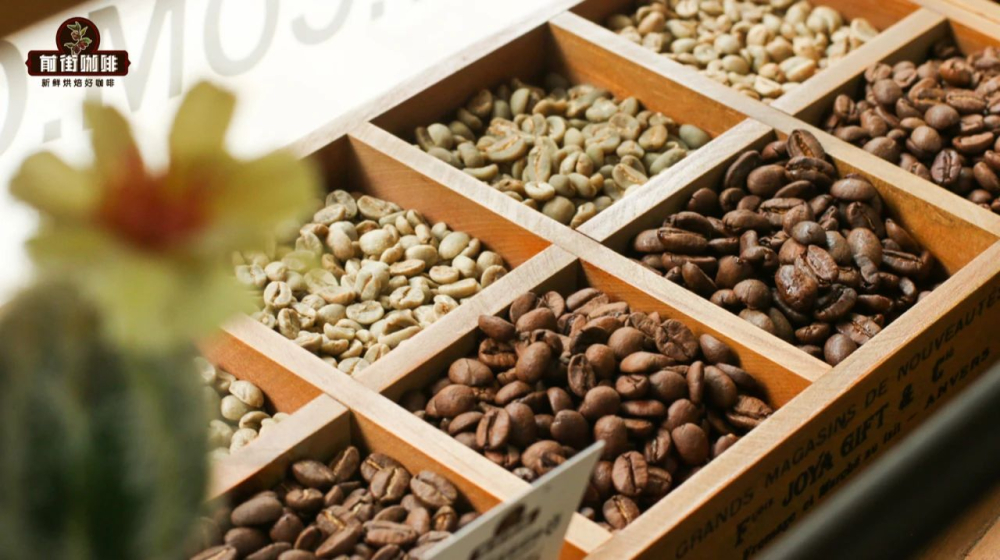
Home Coffee Roasting | How Can Coffee Beginners Learn to Roast Coffee Beans? A Comparison Table of Eight Different Roast Levels and Their Flavor and Taste Differences
I believe many of you not only enjoy drinking coffee but have also developed an interest in coffee roasting. While surfing the internet, Front Street Coffee often sees people sharing their home coffee roasting process on social media. However, we also notice that some [more…]
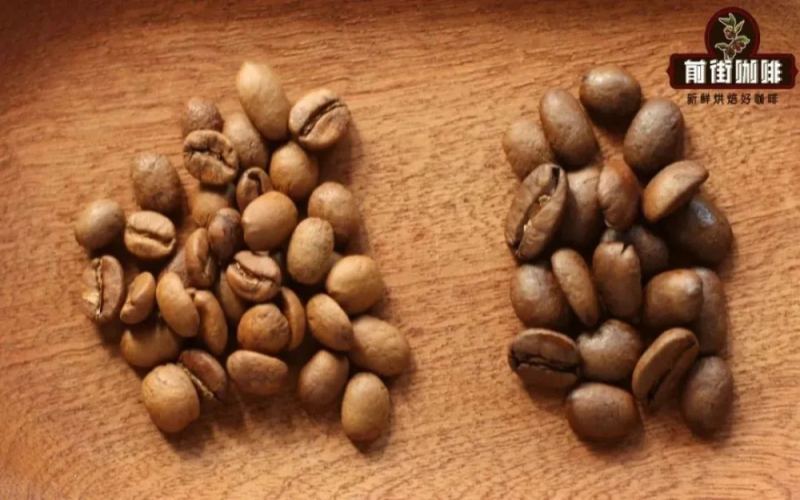
A Complete Analysis of Coffee Bean Roast Color Values: How Agtron Numbers Correspond to Eight Roast Levels and Flavor Changes
The color differences that coffee beans display after roasting are not arbitrary; the industry long ago established a scientific quantitative standard—the Agtron color value, also known as the caramelization analysis number. This set of values runs from 95 to 25, corresponding to eight levels from light roast to Italian roast: the higher the number, the lighter the color, and the lower the number, the darker it is. Each color value range has a clear drop time node and flavor characteristics: from light roasts dominated by bright acidity, it gradually transitions to dark roasts dominated by bitterness and smoky notes. Understanding these color values not only helps us recognize the correspondence between roast level and taste, but also helps us understand why very dark roasts are now hard to find under the specialty coffee trend. But color value is only a reference tool; in actual judgment, tasting perception is still needed, since factors such as processing method also affect the appearance of the beans. [more…]
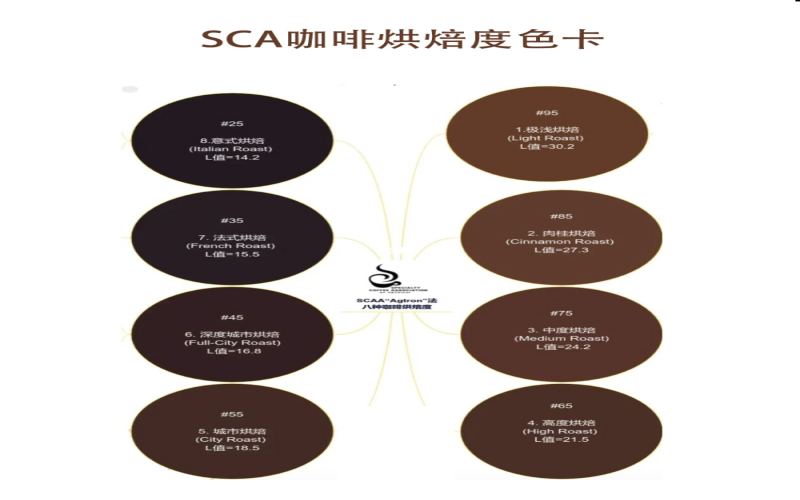
SCA Color Card Eight-Level Roast Degree Analysis: A Guide to Color Value and Flavor Evolution from Dehydration to Second Crack
Coffee roasting is the core step that determines the direction of flavor. The SCA (Specialty Coffee Association) color card divides roast levels into eight grades, each with corresponding color values and sensory characteristics from extremely light to extremely dark. This article focuses on this standard color card, explaining one by one the bean surface color, weight loss ratio, flavor tendency, and suitable applications of each roast level, while also organizing the causes and identification methods of common green bean defects. The article also includes Front Street Coffee's reference guidelines to help roasting enthusiasts match color card readings with actual practice, choose the right roasting curve, and make the cup they want. [more…]

Coffee Roasting | How Is the Roast Level of Coffee Beans Determined? What's the Difference Between Espresso Beans and Pour-Over Beans? Which Tastes Better for Huakui Coffee: Medium Roast or Light Roast?
Many friends who want to learn about coffee bean roasting are curious about one question: how to determine the roasting degree of coffee beans. Should a coffee bean be dark roasted or light roasted, and then how light should light be, and how dark should dark be? On what basis does Front Street Coffee determine the roasting of all these coffee beans it sells? [more…]
How Is Coffee Bean Roast Level Determined? Differences in Bean Selection for Espresso vs. Pour-Over and an Analysis of Huakui Roasting
How dark should a coffee bean be roasted? How light is light, and how dark is dark? This is a question Front Street Coffee is often asked. In fact, there is no absolute standard for roast level—the core lies in what flavors the roaster wants to present and which characteristics to highlight. This article draws on Front Street Coffee's practical experience: it first explains how roast level affects the coffee's body, density, and acidity-bitterness mouthfeel; then explains how light, medium, and dark roasts are judged at the actual drop point; and finally, using specific beans such as espresso, pour-over, Mandheling, and Geisha, it sorts out Front Street Coffee's complete approach to determining roast level, while retaining product information such as the Huakui medium-roast espresso option. [more…]
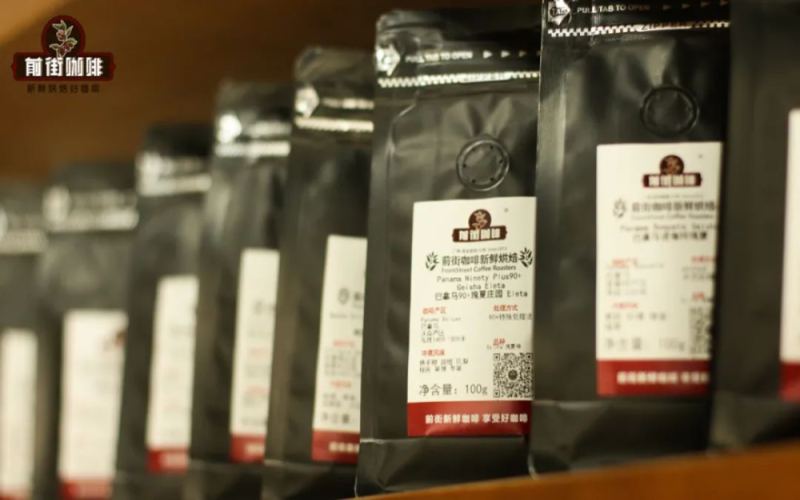
Coffee Bean Color Values and Ground Values Explained: A Complete Guide from Judging Roast Level to the Causes of Acidity
When buying coffee beans, besides origin and processing method, roast level is often one of the elements we care about most, as it directly determines whether the cup's flavor leans sour, sweet, or bitter. The industry commonly uses the Agtron color value card to distinguish roast levels, but this standard is not universal—honey-processed and anaerobic beans often "deceive" the color value. Why doesn't Front Street Coffee label the roast level on its beans? Where does the sourness in coffee come from? This article will walk you through the principles and limitations of color value, and teach you to judge roast depth through flavor descriptions and drop time, so you no longer feel lost when selecting coffee. [more…]
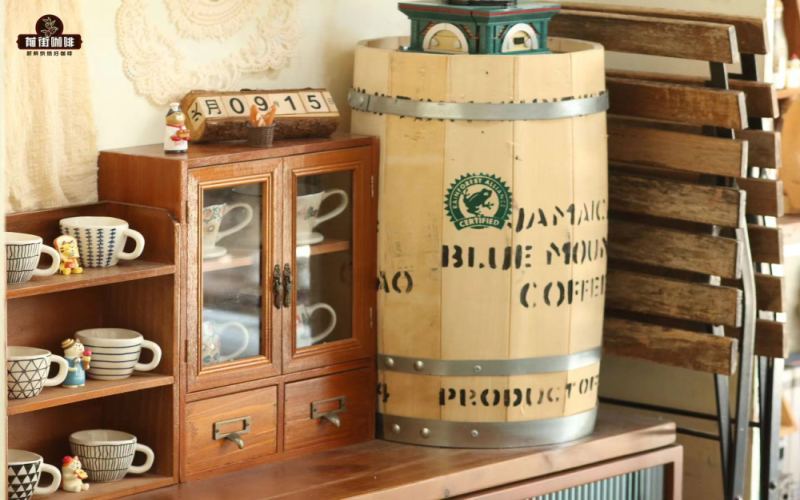
How to choose the roast level for pour-over coffee? How to brew Blue Mountain No. 1 coffee beans for a rich, mellow taste without bitterness
Those just starting to explore pour-over coffee often feel at a loss when faced with the wide variety of coffee beans. Front Street Coffee is often asked: what roast level should you actually choose for pour-over? In fact, the roast level directly determines the direction of acidity, bitterness, and sweetness—light roasts lean toward floral and fruity acidity, medium roasts present soft fruit acidity with caramel sweetness, and dark roasts move toward a mellow bitterness like dark chocolate. Besides flavor differences, the roast level also affects bean density and water absorption, which in turn influences the settings for water temperature and grind size. Based on Front Street Coffee's roasting and cupping experience, this article sorts out brewing strategies for different roast levels and breaks down in detail the extraction method for Jamaica Clifton Mount Estate Blue Mountain No. 1, helping everyone brew a balanced, easy-drinking cup of good coffee that is neither bitter nor astringent. [more…]
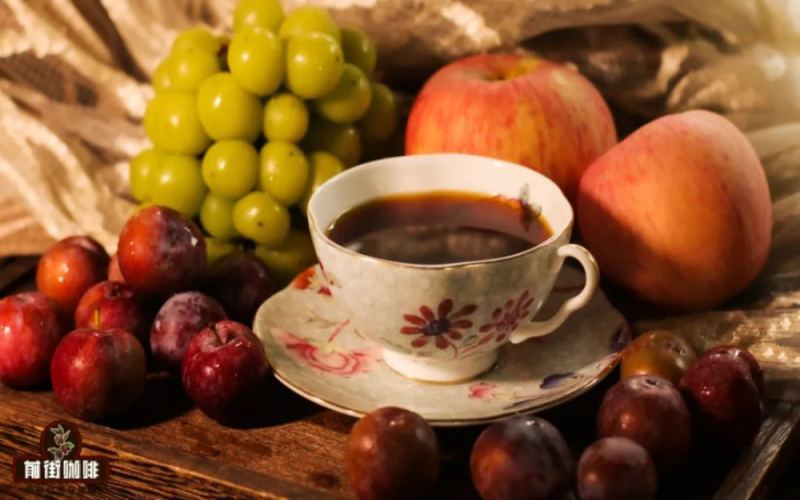
Where Does Coffee Flavor Actually Come From? Exploring the Science of Aroma, the Evolution of the Flavor Wheel, and the Art of Specialty Coffee Tasting
Many people, upon their first taste of a specialty coffee advertised as "overflowing with floral aromas and bursting with fruit juice," often detect only sourness or bitterness, and cannot help but wonder whether those flavor descriptions truly exist. Starting from the scientific principles of taste and smell, this article explains the origins of coffee flavor—the tongue can only perceive five basic tastes: sweet, sour, bitter, salty, and umami, while the concrete flavors we experience, such as strawberry or citrus, are actually associations produced when aroma compounds are captured by the olfactory sense through the nasal cavity and combined with taste. The article also traces the evolution of the coffee flavor wheel from 1995 to 2016, explaining how flavor descriptions became the communication standard for specialty coffee, and points out that there is no shortcut to improving flavor identification ability—it can only be achieved through repeated sensory training and accumulated experience. [more…]
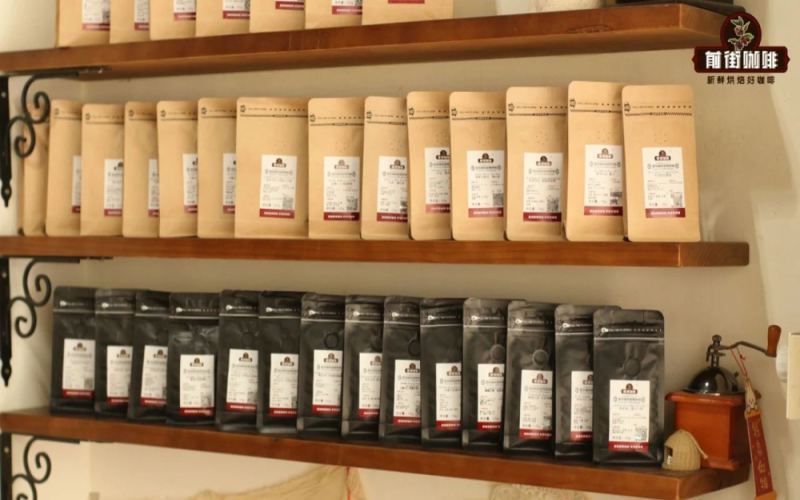
Coffee Roast Level Identification Guide: From Appearance Color to the SCAA Color Value System, a Full Analysis of the Taste Characteristics of Espresso and American Coffee Beans
The flavor profile of coffee beans is largely determined by the roast level. For coffee enthusiasts, mastering methods to distinguish light from dark roasts can both help in selecting suitable beans and allow for a more accurate understanding of the flavor descriptions on packaging. From the perspective of Front Street Coffee, this article outlines three practical ways to judge: first, by visually observing the bean surface color and wrinkle condition; second, by inferring the roast range from flavor descriptors; third, by referring to the SCAA's Agtron infrared caramelization measurement standard, which categorizes eight color values into four major groups. The article also includes Front Street product recommendations for each roast level, for everyday purchasing reference. [more…]
How to Determine Coffee Bean Roast Level? A Comprehensive Analysis from Appearance and Flavor to the SCAA Color Value Comparison
The flavor expression of coffee beans is closely related to the degree of roasting; the same bean will present completely different aromas and mouthfeels under different roasting curves. For coffee enthusiasts, mastering methods to judge the roast level not only helps in selecting beans that suit one's taste, but also enables a more accurate understanding of the flavor descriptions on the packaging. Based on the experience of Front Street Coffee, this article introduces three practical ways to identify roast level: first, by visually observing the bean surface color, wrinkles, and oil conditions; second, by inferring the roasting range from flavor descriptions; and third, by referring to the SCAA's Agtron color value standard, matching the eight-level roast classification with the commonly understood light, medium, and dark roasts, providing a reference for daily bean selection and brewing. [more…]
Exploring Africa's Star Region: The Flavor Code and Grading of Ethiopian Yirgacheffe Coffee Beans
Yirgacheffe is Ethiopia's most representative specialty coffee region and Africa's most renowned coffee calling card. This small town, situated at an altitude of 1,700 to 2,100 meters, takes its name from an ancient phrase meaning "let us settle here on this wetland," and has won over coffee lovers worldwide with its distinctive citrus florals and silky, full-bodied mouthfeel. From its initial cultivation by European monastic monks to today's landscape shaped jointly by surrounding coffee communities and cooperatives, Yirgacheffe is divided into two main categories—washed and natural—based on green bean processing methods, each with different grading standards. This article will take you deep into the terroir secrets, flavor characteristics, and grading system of this legendary region, and Front Street Coffee will also recommend classic selections worth savoring. [more…]

A Detailed Guide to Coffee Roast Levels: How to Define Light, Medium, and Dark Roasts and Brewing Recommendations
The roast level of coffee beans directly influences the final flavor profile, yet standards vary from country to country, often leaving beginners confused. From the perspective of Front Street, this article systematically introduces the eight-level roasting standard developed by the SCAA in conjunction with Agtron, including the color values and drop times for Light, Cinnamon, Medium, Deep, City, Full City, French, and Italian roasts, and explains how to determine the roast level through flavor descriptions. At the same time, for coffee beans roasted at light-to-medium and medium-dark levels, Front Street shares specific grinding and water temperature recommendations to help everyone brew their ideal flavor more effectively. [more…]