







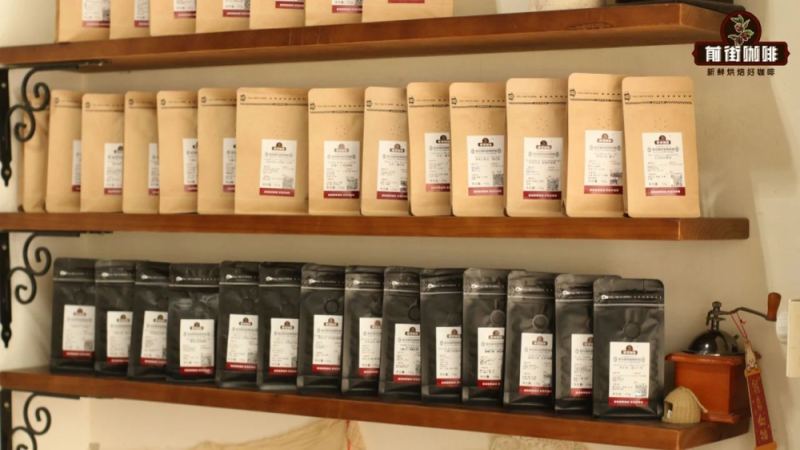
How can the roasting process and roast level be identified?
Roast level can be judged three ways: by eye, by flavor description, and by instrument. Green coffee beans start pale yellow or light green; as the roasting process advances they turn light brown with visible wrinkling, then dark brown with smoothing, and finally near-black with an oily sheen as oils reach the surface.
Flavor wording gives a second clue. Floral, citrus, and berry notes point to medium-light roasts; maple syrup, sucrose, and caramel to medium; nuts, cocoa, caramel, and herbs to medium-dark. The SCAA Agtron infrared caramelization standard sorts eight color values into four groups, offering a measurable reference for American coffee beans and espresso alike.
The flavor profile of coffee beans is largely determined by the degree of roast. For coffee enthusiasts, mastering methods to distinguish roast levels can both help in selecting suitable beans and allow for a more accurate understanding of the flavor descriptions on packaging. From the perspective of Front Street Coffee, this article outlines three practical ways to judge: first, by visually observing the bean surface color and wrinkling; second, by inferring the roast range from flavor descriptors; third, by referring to the SCAA's Agtron infrared caramelization measurement standard, which categorizes eight color values into four major groups. The article also includes Front Street product recommendations corresponding to each roast level for daily purchasing reference.
The coffee beans we buy daily are all finished products after roasting. The roasting process allows green beans to release rich aromatic compounds, and differences in roast level also bring completely different taste experiences. In this issue, Front Street Coffee (FrontStreet Coffee) shares several methods for judging coffee roast levels.
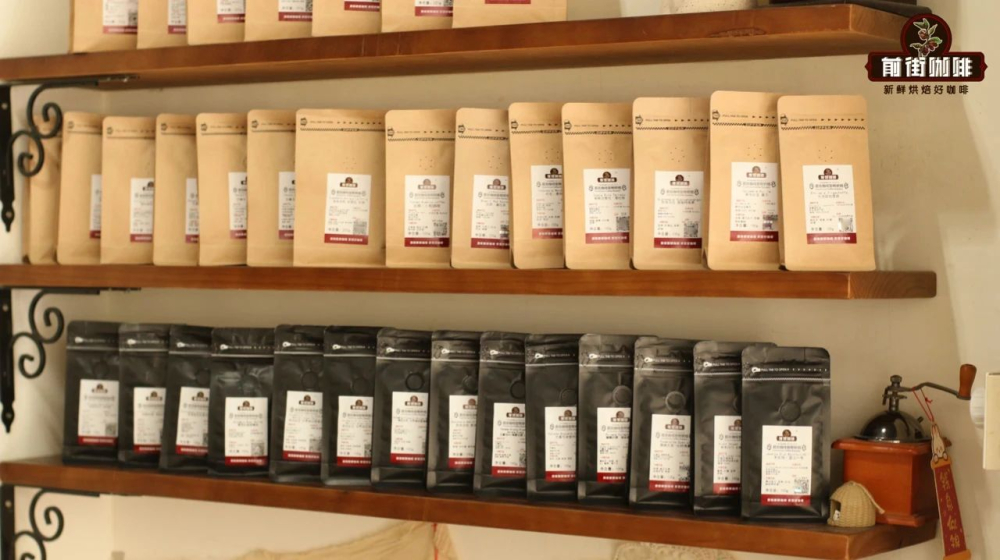
I. Visual Observation
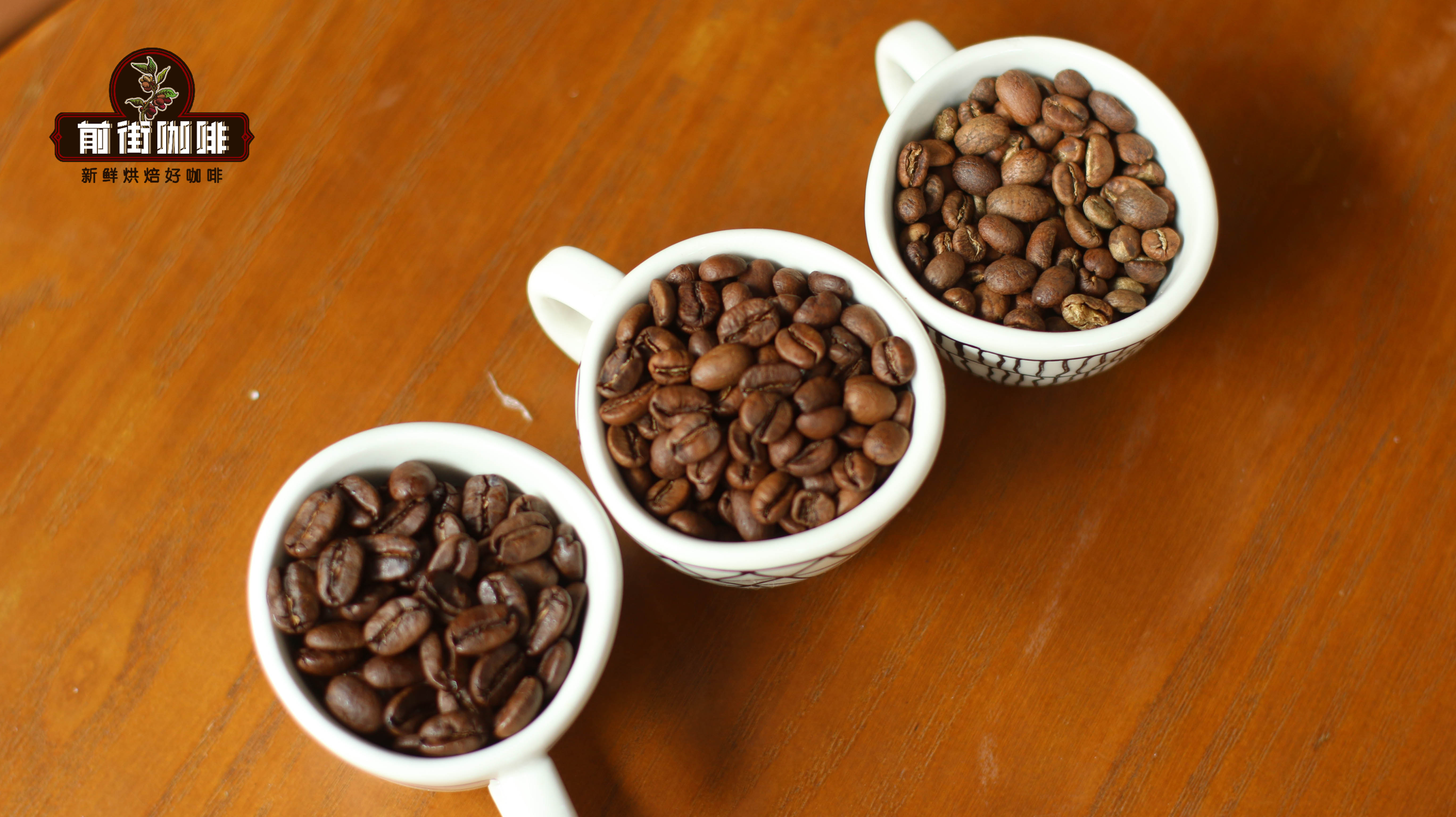
According to common classifications on the market, coffee roast levels can be roughly divided into three tiers: light roast, medium roast, and dark roast.
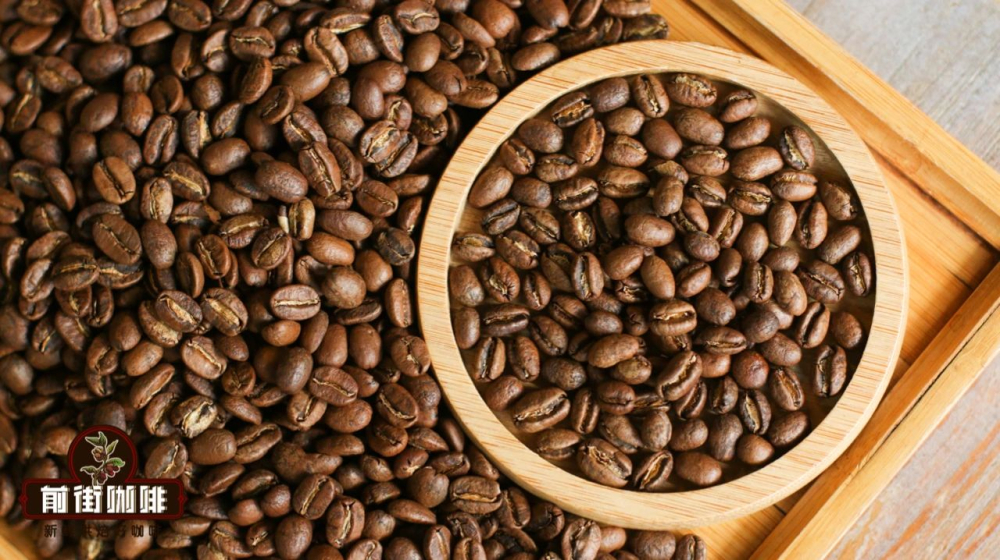
Green coffee beans originally appear light yellow or pale green. As the roasting process progresses, the bean color gradually darkens. Light-roasted coffee beans typically appear light brown with more pronounced surface wrinkling; medium-roasted beans are a shade darker, appearing dark brown, with surface wrinkles tending to smooth out; dark-roasted coffee beans have an appearance close to black, with a smooth bean surface, and products with a deeper roast level will also have oils emerge, giving the bean surface a glossy, oily sheen.
II. Taste-Based Judgment
Besides appearance, we can also infer the roast level range from the flavor descriptions provided by the vendor. Generally speaking, coffee beans whose flavor descriptions include floral, citrus, berry, and other fruity notes are mostly medium-light roasts; those described primarily with sweetness notes like maple syrup, sucrose, and caramel are mostly medium roasts; while those described mainly with bitter flavors like nuts, cocoa, caramel, and herbs are mostly medium-dark roasts.
Of course, this classification method is not exactly rigorous, but it is quite effective in practice. The reason is that ordinary customers do not need to understand coffee roasting to the depth of professionals, and coffee roasting is controlled by professional roasters, while flavor descriptions are written by baristas after cupping, so the content expressed naturally has its basis and is feasible as a reference standard.
So, is there a more scientific method to identify the roast level of coffee? The answer is yes.
III. SCAA Color Value to Determine Roast Level
There are several key moments in the coffee roasting process, one of which is "first crack." Before first crack occurs, the beans can be considered not yet "fully done." After first crack begins, it goes through an intensive phase, and after it ends there is a 1 to 2 minute quiet period, followed by second crack. The later the beans are dropped after first crack, the darker the roast level.
The SCAA uses infrared caramelization measurement technology (Agtron) to measure the color of coffee beans, thereby determining the roast level, and divides colors from light to dark into eight grades, producing eight standard color tiles for the coffee industry to use as a reference for roast identification.
Agtron color value #95: Light Roast Drop time: first crack intensive phase about to end
Agtron color value #85: Cinnamon Roast Drop time: around the end of first crack
Agtron color value #75: Medium Roast Drop time: after first crack ends
Agtron color value #65: High Roast Drop time: quiet period between first and second crack
Agtron color value #55: City Roast Drop time: start of second crack
Agtron color value #45: Full City Roast Drop time: before second crack intensive phase
Agtron color value #35: French Roast Drop time: during second crack intensive phase
Agtron color value #25: Itatian Roast Drop time: oils begin seeping onto the bean surface
So, what is the correspondence between this standard and what we commonly call light, medium, and dark roasts?
Considering that some coffee enthusiasts are not familiar enough with the SCAA's Agtron standard, these eight grades can be grouped into four categories for understanding:
Light roast (highlighting fruity acidity and floral-fruity aromas): covers Light Roast and Cinnamon Roast; recommended: Front Street Fruit Ding Ding Coffee Beans, Front Street Flower Chief Coffee Beans, Front Street Little Tomato Coffee Beans;
Medium roast (increased sweetness, balanced flavor): covers Medium Roast and medium-dark roast; recommended: Bird of Paradise Coffee Beans, Front Street Queen's Estate Coffee Beans, Front Street Jamaican Blue Mountain Coffee Beans;
Medium-dark roast (maximized sugar transformation, bitterness followed by sweetness): covers City Roast and Full City Roast; recommended: Front Street Golden Mandheling Coffee Beans, Front Street Colombia Huila Coffee Beans;
Dark roast (emphasizing both bitterness and body): covers French Roast and Italian Roast. Since this roast level has reached beyond second crack, the finished coffee is very bitter, so it is rarely used on the market.
The above content is compiled by CoffeeHunters, a coffee news website.


