







Search Results for: Ross droplet technique
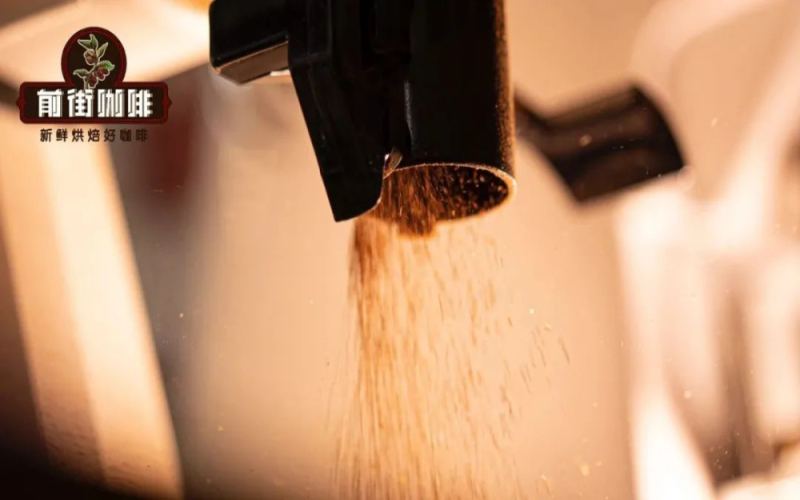
How to Solve the Coffee Grinding Static Problem? An Analysis of the Principle, Effectiveness, and Practical Risks of the RDT Water-Spraying Method
When grinding coffee beans, static electricity often sends fine particles flying and clumping together, not only dirtying the grinder's chute but also disrupting the uniformity of water flow during extraction. To solve this problem, as early as 2005 someone proposed spraying a small amount of water onto the coffee beans, commonly known as RDT (Ross Droplet Technique). Does this method actually have a scientific basis? Will it have a negative impact on grind quality? This article starts from the mechanism by which static electricity is generated, combines it with the latest research, analyzes the actual effectiveness of the water-spraying method, and also points out the risks to watch for during operation, especially the problems that can arise when the amount of water sprayed gets out of control, such as coffee grounds becoming damp, clumping, and even burrs rusting. For friends who like making coffee at home, as well as for Front Street Coffee, which insists on professional output, understanding these details helps in using this technique more rationally. [more…]
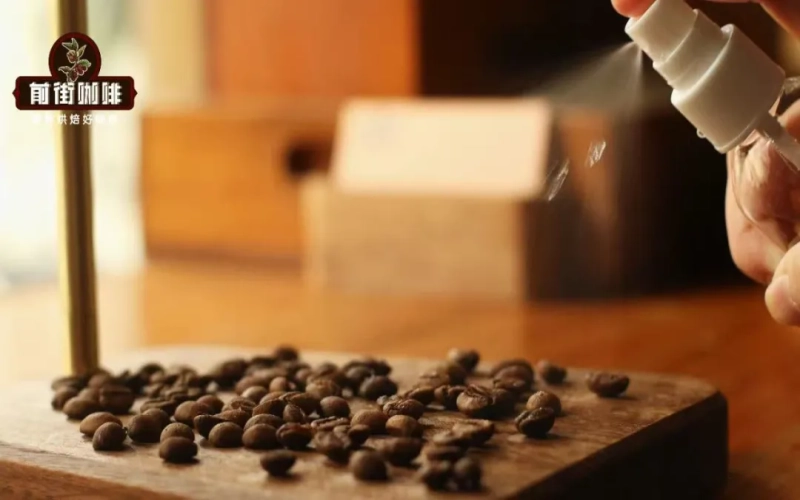
Can spraying water on coffee before grinding reduce static clumping? A detailed explanation of the principles, effects, and limitations of the RDT technique
Among the many supplementary techniques for making coffee, RDT (Ross Droplet Technique) is a method of reducing static electricity and clumping by spraying water onto coffee beans before grinding. Its principle is not complicated: during grinding, coffee beans generate static electricity due to friction and uneven charge distribution, causing fine particles to stick together into clumps, which in turn lowers the extraction yield and induces channeling. RDT can effectively alleviate this problem, but it also has obvious shortcomings—it is only suitable for single dosing, the water amount is difficult to control, and long-term use may damage the burrs. In this article, Front Street Coffee breaks down the ins and outs of RDT, its actual effects, and its operational limitations in detail, and offers a more reliable alternative. [more…]

How to Solve Coffee Ground Clumping and Static Clinging? An Analysis of the Tapping Technique to Eliminate Milk Foam Bubbles
In pour-over or espresso preparation, baristas often perform actions such as tapping the table or shaking the milk pitcher, and these behaviors actually have clear professional purposes. From the perspective of Front Street, this article explains two common reasons: first, static electricity generated during grinding in dry seasons, which causes fine particles to stick together or cling to the walls, affecting extraction uniformity; second, large bubbles left by mistakes when steaming milk, which need to be eliminated by shaking the pitcher. Regarding the static electricity issue, the article introduces the RDT droplet technique proposed by David Ross, which suppresses static electricity at the source by spraying a very small amount of water before grinding, while also reminding readers about water volume control and alternative methods. Regarding milk foam bubbles, it explains the professional terminology and operational logic of tapping and shaking the milk pitcher, helping coffee enthusiasts understand and optimize their daily output. [more…]
Flavor Analysis of Jamaican Blue Mountain Clifton Estate Coffee Beans: Origin Altitude Restrictions, Historical Origins, and Tasting Experience
Jamaican Blue Mountain coffee is especially precious due to its strict altitude requirements and export controls. This article will guide you through the rules defining Blue Mountain coffee's origin, the cultivation history of Clifton Estate since the 18th century, and the cupping flavor profile of Blue Mountain beans from the new 2015 crop. From the restricted zone at 1,500 meters above sea level to the differences between Blue Mountain coffee and High Mountain beans, and on to the tasting experience woven with floral and fruity notes, Front Street Coffee lays out for you multiple perspectives on whether Blue Mountain coffee is worth trying, making it suitable reading for every coffee lover curious about the Blue Mountain flavor. [more…]
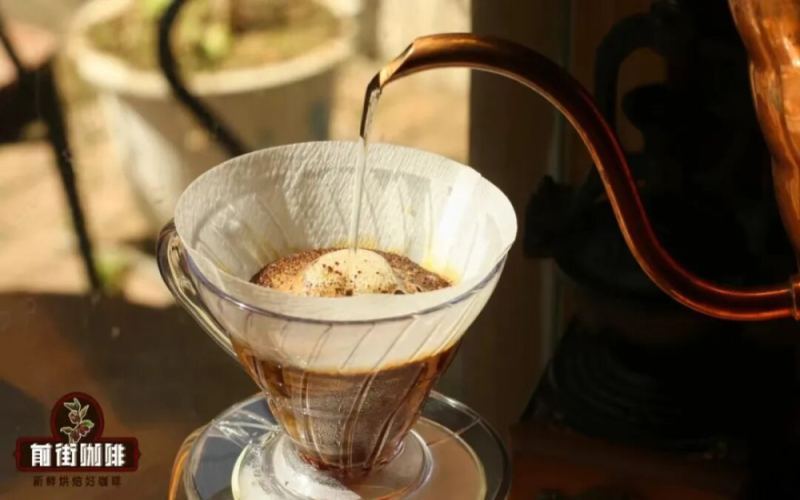
An Analysis of Seven Mainstream Pour-Over Coffee Techniques: A Full Reveal of Their Pros, Cons, and Flavor Characteristics
In the world of pour-over coffee, differences in brewing technique directly affect the final flavor expression in the cup. Some people prefer a light-bodied style with bright acidity, while others pursue an experience with a prominent, rich sweetness. Compiled by Front Street Coffee, this article systematically reviews seven currently mainstream pour-over brewing methods, including the single-pour method, the three-stage pour, the 4-6 method, the volcanic pour, variable-temperature brewing, the stirring pour, and the drip method. It analyzes each technique one by one in terms of operational characteristics, flavor tendencies, and suitable scenarios, helping coffee enthusiasts choose the brewing strategy that best suits their needs. [more…]
Jamaica Blue Mountain No. 1 Clifton Estate: A Complete Analysis of History, Terroir, and Flavor
Jamaican Blue Mountain coffee, with its exquisite balance of aroma, body, and acidity, is regarded by many connoisseurs as one of the world's top coffees. What truly makes Front Street Coffee's Jamaican Blue Mountain coffee unforgettable, however, is its round, sweet finish. This article will take you deep into the regulatory system behind Blue Mountain coffee, as well as Clifton Estate—one of the oldest coffee estates still in operation in Jamaica. From its cultivation origins in the mid-eighteenth century, to the pastoral memories written by Marianne Ross, to the current state of the Sharp family's stewardship and its cupping performance, we will present a complete picture of this 4,300-foot estate's historical trajectory and flavor characteristics, and introduce the flavor profile details of Front Street Coffee's Clifton Farm Blue Mountain coffee. [more…]

A Complete Guide to the Kono Drip Method: From Grind Size to Pouring Rhythm, the Ultimate Pursuit of Mellow Sweetness in Dark Roast Coffee
The drip method, hailed as one of the most challenging brewing techniques in the pour-over field, was invented in 1973 by the Kono family, founders of the Kono brand. Through its unique rhythm of dripping first and then pouring, it allows dark-roasted coffee to present a fuller body and higher sweetness. This article will provide a complete analysis of every detail of the Kono-style drip method, from its origin and background, brewing principles, and equipment selection, to specific parameters and step-by-step operations. Front Street Coffee uses Sumatra PWN Golden Mandheling as an example to share the complete process and precautions of this high-concentration, low-extraction brewing method, leading you to appreciate the charm of the drip method. [more…]

Visiting Jamaica's Blue Mountain Clifton Estate: A Complete Guide from Typica Variety to Washed Processing
Why is estate coffee worth tracing to its roots? In the world of specialty coffee, traceability means you can find out exactly which estate, which plot, and even which farm a bean comes from. The unique microclimate, varietal characteristics, and processing methods behind each lot of beans together shape that inimitable flavor in the cup. This article will take you into one of Jamaica's oldest coffee estates—Clifton Estate—and provide a complete analysis of the allure of Blue Mountain No. 1, from the growing region's environment, varietal characteristics, and washed processing to green bean grading and roasting curves, while also sharing Front Street Coffee's brewing recommendations and authenticity verification methods for this legendary bean. [more…]
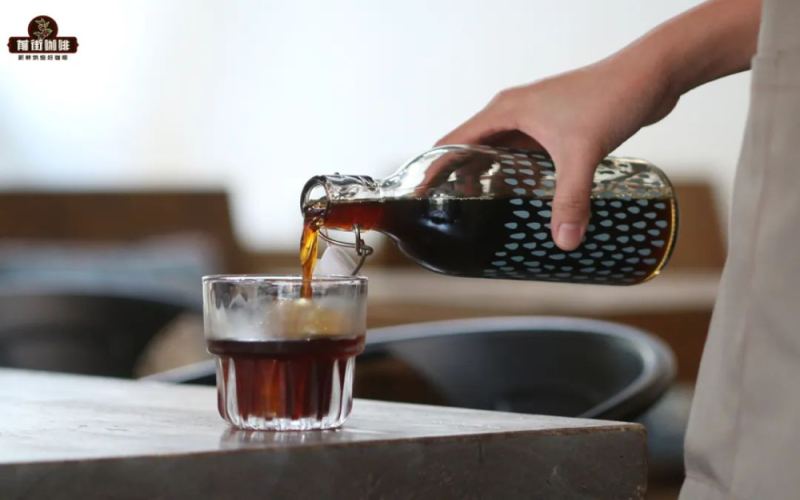
Cold Brew Coffee Grind Size Recommendations | What Are the Coffee-to-Water Ratios and Techniques for Making Cold Brew Coffee? Can Blended Coffee Beans Be Used for Cold Brew Coffee?
What makes a good cold brew coffee? There is no detailed standard; everyone has their own methods and standards. What details should be noted when making cold brew coffee—bean selection, grind size, coffee-to-water ratio, drip rate, storage and shelf life, and so on? Today's article will cover various operational details. [more…]
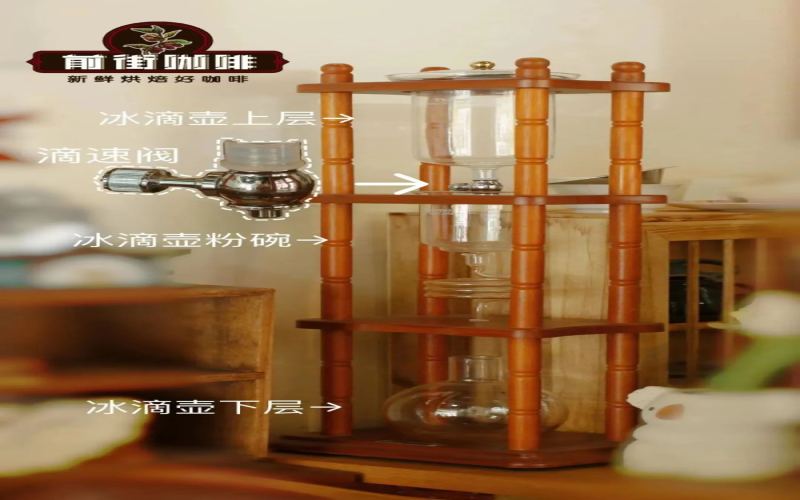
A Detailed Guide to Cold Brew Coffee Making: From Equipment Structure to Coffee Bean Selection, Master Cold Brew Techniques at Once
The ice drip pot has a unique shape, and its stacked layers often make people mistakenly think they have walked into a laboratory. Many customers who come to Front Street are curious about this set of equipment and want to replicate the store's signature ice drip at home. This article will systematically explain the structure and usage of the ice drip coffee pot, including key parameters such as grind size setting, coffee-to-water ratio, and valve flow rate control, and will share a production example using Costa Rica Mozart coffee beans from the Front Street store. In addition, the article also discusses the idea of choosing beans for ice drip coffee, offering specific coffee bean recommendations one by one according to four categories: tropical fruit fermented type, refreshing and clean type, sweet and mellow type, and flavor blend type, to help readers find the ice drip solution that best suits them. [more…]
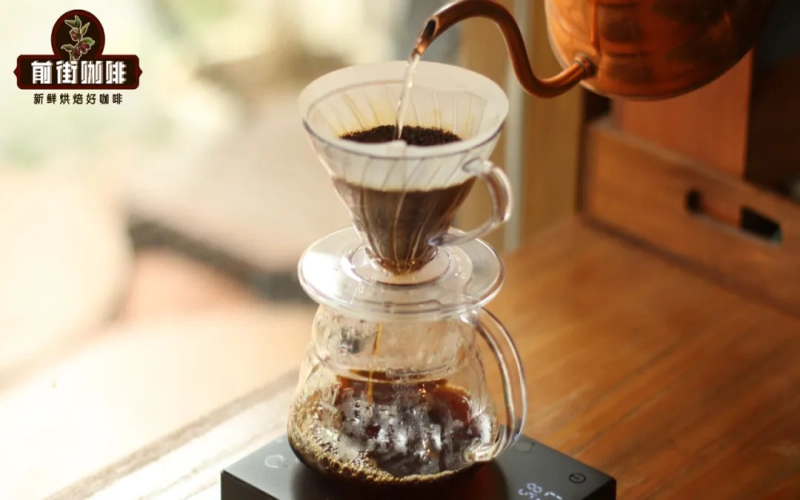
Pour-Over Coffee Water Pouring Techniques Explained: How to Avoid Common Mistakes and Reduce Bypass Water Effects
In the process of pour-over coffee, the pouring method is often overlooked, yet its impact on the final flavor is no less significant than parameter settings. When many coffee enthusiasts encounter unsatisfactory extraction, the first thing they suspect is the coffee-to-water ratio or water temperature, while neglecting the force and path of the water stream itself. In reality, the height, amplitude, and landing point of the pour all directly change the stirring efficiency and extraction uniformity of the coffee grounds. This article, from the perspective of Front Street, will sort out three common pouring mistakes—high-low fluctuation, pouring from too high, and pouring to the edge of the filter paper—and explain why they lead to extraction deviations, while offering practical tips to reduce bypass water and improve extraction quality, helping you brew a good cup of coffee more consistently. [more…]
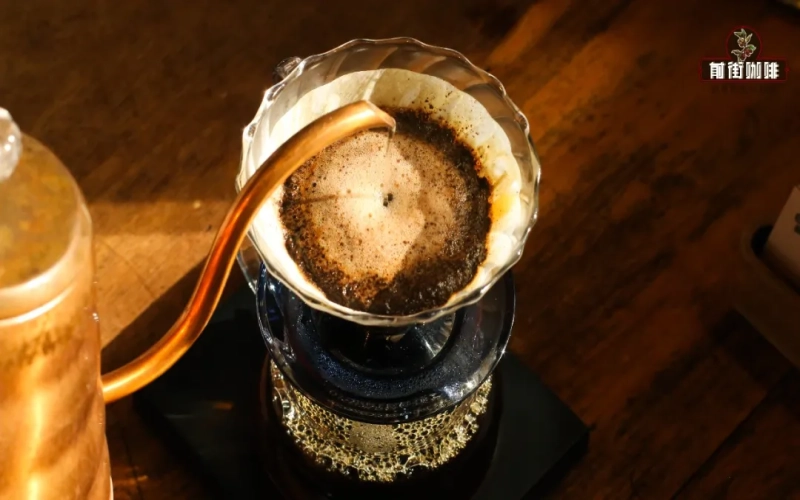
Water flow thickness, pouring height, and circular trajectory: How brewing techniques influence coffee flavor expression
The same beans and the same parameters, brewed by a different person, can taste different—the difference often comes down to pouring style. Pouring style refers to each person's preferences for flow rate, pouring height, and circling pattern when pouring water. These choices may seem subtle, but they change how the coffee grounds are distributed in the dripper, the degree to which they are disturbed by the hot water, and the dissolution rate of soluble substances, ultimately giving a cup of coffee noticeably different flavor, mouthfeel, and layering. Front Street Coffee will break down, one by one, the relationship between flow rate, pouring height, and pouring pattern—these three dimensions—and their corresponding effects on extraction, so that after understanding the principles, you can adjust your technique more calmly and brew a cup of coffee you truly enjoy. [more…]

Siphon vs. Moka Pot Brewing Differences Explained: Working Principles, Flavor Performance, and Front Street Coffee's Step-by-Step Practice
The moka pot and the siphon are the first-choice brewing devices for many coffee lovers trying their hand at home brewing—one uses steam pressure for rapid extraction, while the other relies on the vacuum principle to deliver a sense of ritual. What exactly are the differences between the two in terms of construction, operating procedure, and final flavor? Is the coffee brewed with a moka pot good enough to drink? And how should a siphon be operated correctly? Drawing on Front Street Coffee's hands-on experience, this article sorts out the extraction principles, usage steps, and flavor characteristics of the two devices, and offers specific parameter suggestions and tasting references to help you find the cup that suits you. [more…]
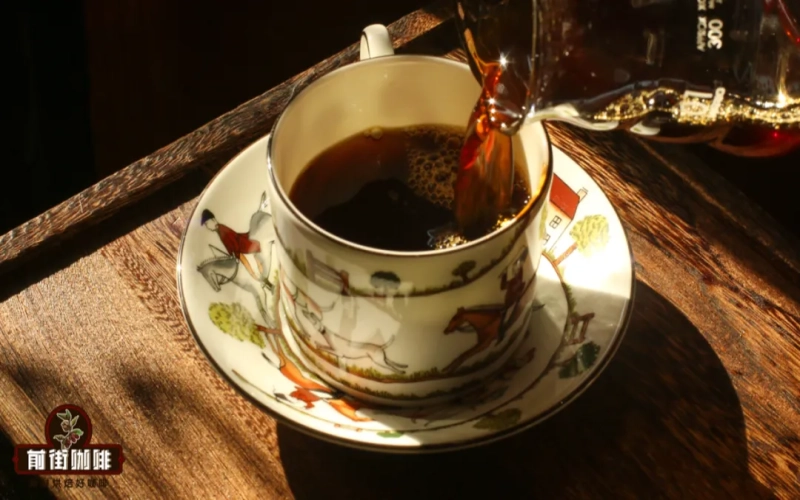
The Complete Kono-Style Drip Method Tutorial: How Japanese-Style Pour-Over Overcomes the Challenge of Extracting Fresh Beans
Freshly roasted coffee beans contain a large amount of carbon dioxide, and brewing them directly often leads to uneven extraction and imbalanced flavor. To address this, the Japanese developed a series of solutions, among which the Kono-style drip method is considered a classic. It uses water droplets instead of a water stream to pre-wet the coffee grounds, waits for sufficient degassing before switching to a stronger flow for extraction, and finally adjusts the concentration through bypass. In this article, Front Street Coffee will use PWN Golden Mandheling as an example to break down in detail the parameter settings and operating steps of this brewing method, helping you brew a rich, balanced, and delicious cup even with fresh beans. [more…]
Exploring Jamaica Blue Mountain No.1 Clifton Estate: A Complete Interpretation from Historical Origins to Cup Flavor
Jamaica Blue Mountain No. 1 coffee has long been hailed as the "King of Coffee," and Clifton Estate, as the oldest coffee-producing estate still in operation in the Blue Mountain region, produces a Blue Mountain No. 1 that is especially sought after. This article will begin with the natural conditions of the Blue Mountain growing region, trace the history of Clifton Estate since the eighteenth century, analyze its unique washed processing method and green bean grading standards, and share Front Street Coffee's roasting curve and brewing parameters. Finally, it will provide practical methods for identifying genuine Blue Mountain coffee, giving you a comprehensive understanding of the origins and story behind this legendary coffee. [more…]
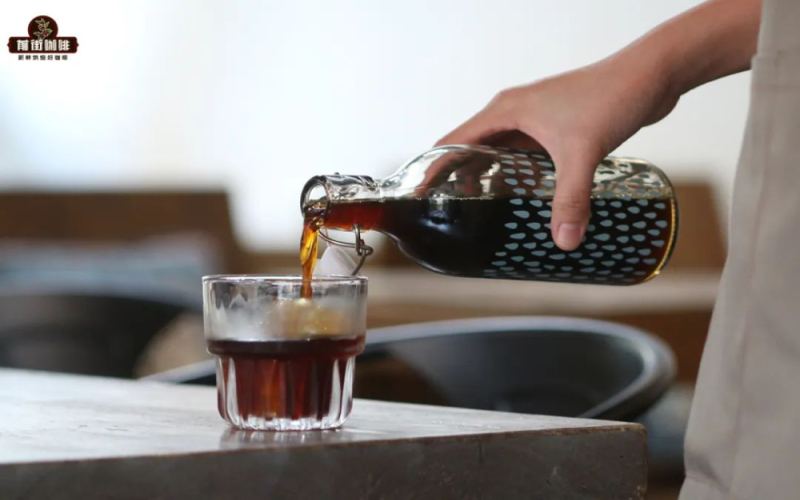
Cold Brew Coffee Complete Guide: Detail Techniques from Coffee-to-Water Ratio to Grind Size and Single-Origin Bean Recommendations
Cold brew coffee presents a refreshing, rich sweet-and-sour flavor through low-temperature slow extraction, but making a satisfying cup requires attention to many details. This article walks through the key points of cold brew coffee production one by one, from bean selection, roast date, tapping and tamping, pre-wetting, and filter paper placement, to grind size, drip rate, coffee-to-water ratio, and finally refrigeration fermentation and storage. It also combines Front Street brand's recommended single-origin beans such as Sidra, Strawberry Candy, Little Tomato, and Huakui, along with a recipe example of Strawberry Candy blended with Red Cherry, to help coffee enthusiasts master the core techniques of low-temperature extraction and reliably reproduce a clean, layered cup of cold brew coffee at home. [more…]

Home Coffee Brewing Methods | What Are the Coffee Extraction Principles of the Siphon and Moka Pot? Which Tastes Better, Siphon or Moka Pot Coffee?
There are hundreds of coffee brewing devices on the market, yet there is actually no definitive answer as to which coffee device brews the best-tasting coffee, because everyone's taste preferences differ. Even with the same coffee beans, using the same coffee device and the same brewing time, the acidity, bitterness, sweetness, body, strength, and lightness that each person perceives are [more…]
What's the difference between a siphon and a moka pot? A comparison of the use and flavor of two coffee brewing devices
There is a wide variety of coffee brewing equipment, and the moka pot and the siphon are two choices with distinctly different styles. The moka pot, with its simple operation and rich flavor, has become a frequent choice for beginners, while the siphon attracts enthusiasts with its laboratory-like ritual and clean, balanced flavor. What are the differences between the two in terms of extraction principles, pressure methods, and final taste? Starting from the practices at Front Street Coffee, this article provides a detailed overview of the structure, usage methods, and flavor performance of the moka pot and the siphon, helping you find the cup that suits you at home. [more…]
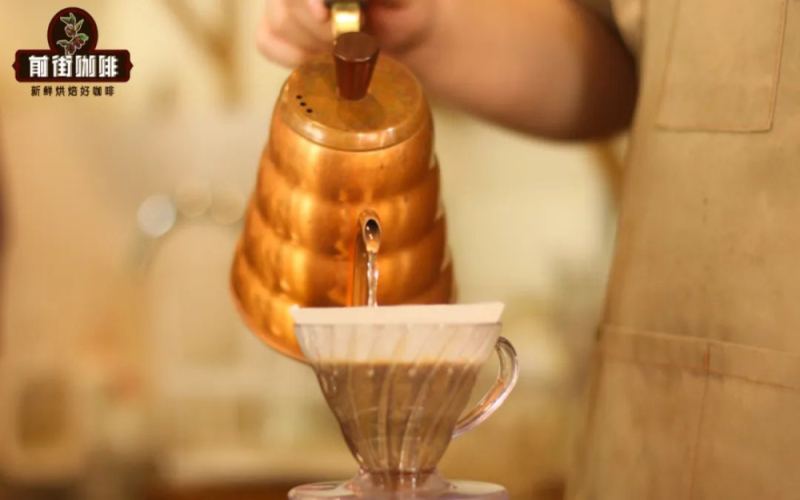
How Does Pour-Over Water Height Affect Flavor? Three Key Factors: Penetration, Heat Loss, and Verticality
The pouring height in pour-over coffee may seem like a minor detail, but it directly affects the penetrating force of the water stream, the rate at which hot water loses heat, and the verticality of the stream, ultimately determining extraction efficiency and the flavor in the cup. Some people prefer pouring from a high position, while others habitually keep the spout close to the water surface. Both approaches have their merits, but only by understanding the effects of different heights can you adjust flexibly according to the kettle type and brewing method you use. In this article, Front Street Coffee systematically sorts out the three core effects of pouring height and offers practical advice to help you avoid common problems such as uneven extraction and over-agitation, so you can brew a more stable and delicious pour-over coffee. [more…]
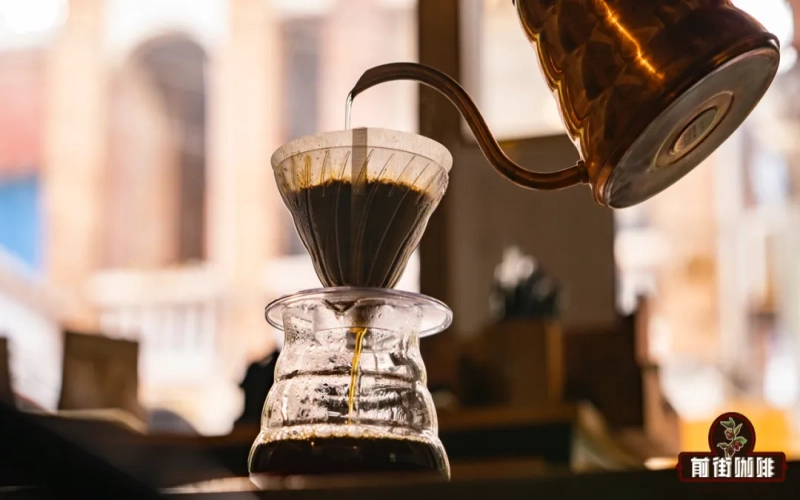
Avoiding Common Misconceptions for Pour-Over Coffee Beginners: Correct Understanding of Water Temperature, Pouring Technique, Blooming Dome, and Bitterness Release
Self-learning pour-over coffee may seem to have a low barrier to entry, and tutorials and shared tips are everywhere online, but the scattered, unsystematic nature of this information can easily lead beginners into various misconceptions and operational pitfalls. This article compiles the frequently asked questions Front Street Coffee has recently received, covering common myths one by one: understanding extraction parameters, the habit of washing the coffee bed wall while pouring, the pros and cons of pouring from a high position, whether a lack of blooming means the beans are not fresh, and whether bitterness is only released in the final phase. Whether you are just starting out with pour-over or have been brewing for a while but still find the flavor falls short of expectations, you can use this to check yourself, avoid these easily stumbled-into traps, and make your extraction more stable and your coffee taste better. [more…]