







Which pour-over coffee technique suits which flavor?
Pour-over brewing can be grouped into seven mainstream techniques: the one-cut pour, the three-stage pour, the 4-6 method, the volcano pour, variable-temperature brewing, the agitation method and the drip method. Each one recomposes water temperature, coffee-to-water ratio, extraction time and grind size, and those changes alter which substances dissolve from the grounds, so the finished cup tastes different.
Anyone who wants brighter acidity, heavier body or more pronounced sweetness can pick a technique to match. The one-cut pour, for example, calls for pouring all remaining water in one uninterrupted stream after blooming, which is often confused with skipping the bloom altogether. Reading each method's operational steps and flavor tendency makes it easier to choose a strategy that fits a personal taste preference.
In the world of pour-over coffee, differences in brewing technique directly affect the flavor expression in the final cup. Some people prefer a light-bodied, bright-acidity style, while others pursue a rich, sweet, and prominent experience. This article, compiled by Front Street Coffee, systematically sorts out the seven mainstream pour-over brewing methods currently available, including the one-cut pour, the three-stage pour, the 4-6 method, the volcano pour, variable-temperature brewing, the agitation method, and the drip method, analyzing one by one each technique's operational characteristics, flavor tendencies, and applicable scenarios, to help coffee enthusiasts choose the most suitable brewing strategy according to their own needs.
One often sees claims online like this: using different brewing methods will result in coffee with distinctly different characteristics. For example, some brewing methods can make the coffee's sweetness more prominent, while others can make the mouthfeel richer and fuller...
This is not an exaggeration. Adjusting the brewing method is essentially recomposing parameters such as water temperature, coffee-to-water ratio, extraction time, and grind size. Once the parameters change, the types and amounts of substances dissolved from the coffee change accordingly, and the final flavor expression naturally differs as well.
Because everyone has different taste preferences, the brewing methods they use also vary. At present, Front Street believes that the field of pour-over coffee can roughly be summarized into seven mainstream schools. Next, Front Street will introduce one by one the advantages of these seven brewing methods and the characteristics of the coffee they produce. (Each subheading is the entry point to the detailed article on the corresponding brewing method; interested friends can click to view it directly.)
1. One-Cut Pour
The one-cut pour may be, besides the three-stage pour, the brewing method everyone is most familiar with. Its theory is very simple: after blooming ends, pour in all the remaining target water volume at once in an uninterrupted stream.
However, because the name "one-cut pour" contains the word "one," many friends mistakenly think it does not require blooming and that you simply dump all the hot water in at once, which is the so-called "one-pour method." In fact, it is precisely because the entire pouring process is divided into two stages, like being cut into two segments by a single knife, that it is named "one-cut pour."
Because there is not much pause in the middle of the one-cut pour, the overall extraction time is relatively short. At the same time, because there is not much intervention in technique, it can more directly and stably present the coffee's own flavors. In addition, coffee brewed with the one-cut pour usually has a light mouthfeel and bright acidity. But its shortcoming is also obvious—pouring all at once means there is no chance to remedy problems midway. Therefore, when using the one-cut pour, a certain level of proficiency in controlling the flow rate is required; otherwise, it is very easy to cause underextraction.
2. Three-Stage Pour
The three-stage pour is the pouring method Front Street uses most frequently in daily practice. The so-called three-stage pour means dividing the total water volume into three stages to complete: first bloom, then two main extraction stages.
The reason Front Street prefers the three-stage pour is that, compared with other pouring methods, it leaves more room for error and is also broader in applicability. If problems such as water draining too quickly or too slowly are noticed during extraction, they can be corrected in time by adjusting the rhythm of the next pour.
Because the temperature of the coffee bed keeps fluctuating throughout the brewing process, coffee brewed with the three-stage pour often has richer layering, and its flavor expression is especially prominent.
3. 4-6 Method
The 4-6 method was developed by World Coffee Brewing Champion Mr. Tetsu Kasuya, with as many as five pouring stages. Although there are many stages, compared with the first two methods, its pouring difficulty is actually lower. This is because Mr. Tetsu Kasuya designed the 4-6 method with the idea that "anyone can brew good coffee." When using this method, you do not need a deep understanding of water control or brewing; as long as you operate according to the formula, you can extract a satisfying pot of coffee.
Mr. Tetsu Kasuya's brilliance lies in breaking down the brewing problem. The first two pours account for 40% of the total water volume, and they determine the final taste direction of the coffee. For example, if you want the acidity to be more prominent, pour more water in the first stage; if you prefer stronger sweetness, allocate more of this 40% of water to the second stage.
The remaining three pours account for 60% of the total water volume, and they are responsible for determining the coffee's mouthfeel. By the same principle, whether you want the coffee richer or lighter, it can all be achieved by adjusting the allocation of water among the stages.
4. Volcano Pour
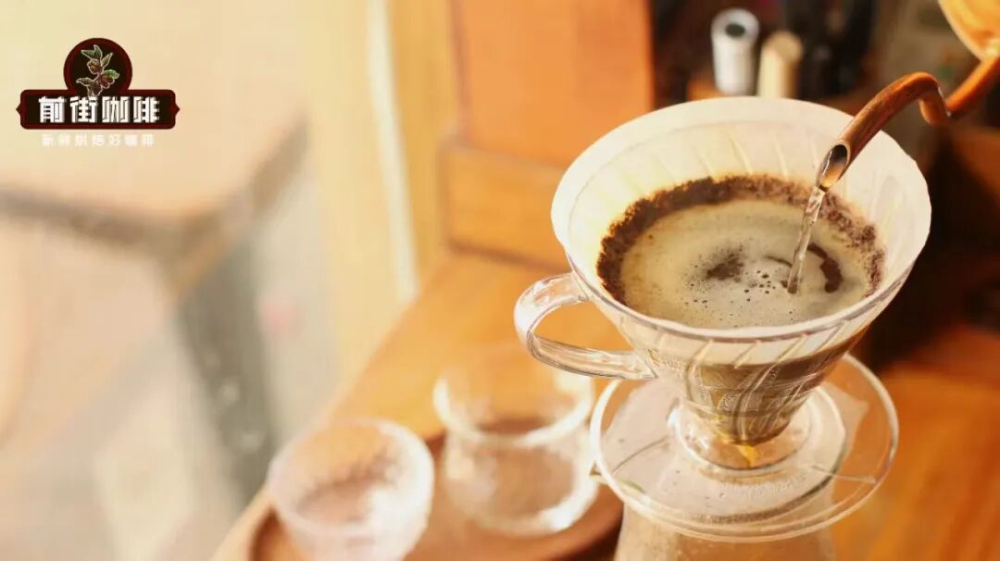
The volcano pour is a very classic Japanese pouring method. It is named this because during pouring, the coffee bed takes on a form resembling a volcanic eruption as hot water continues to be poured.
This brewing method has a longer extraction time, so the final coffee has a very rich mouthfeel. Also, because the overall extraction efficiency is not too high, the coffee, besides being rich, also carries obvious sweetness. Most attractively, the entire brewing process is highly visually appealing. The only drawback is that this brewing method is rather picky about beans and is not very suitable for brewing light-roasted coffee.
5. Variable-Temperature Brewing
Many friends, perhaps due to habit or limitations in the quality of their grinder, often brew overextracted coffee. So-called overextraction means that excessive substances have been dissolved from the coffee, resulting in unpleasant burnt bitterness and off-flavors. When this happens, variable-temperature brewing is a very good solution.
Variable-temperature brewing means: during a single brewing process, use two kinds of hot water with a relatively large temperature difference. Use hotter water for extraction in the early stage, then switch to slightly cooler water in the middle and later stages. This can reduce the extraction rate in the middle and later stages, avoid the large release of bitter substances, and thereby give the coffee a high-sweetness expression.
6. Agitation Method
Whether it is the three-stage pour or the one-cut pour, when pouring we all use a circular motion, letting the stream of water create an agitation effect on the coffee bed. This can improve extraction efficiency and speed up the rate at which hot water dissolves coffee substances. The agitation method has a similar effect, with the difference being that it relies on manual operation to stir the coffee bed rather than on the water stream.
This method allows aromatic substances in the coffee grounds to be released in large quantities in a short time, and it is especially suitable when extraction efficiency is constrained. But as the saying goes, the bigger the storm, the more expensive the fish; agitation is like a double-edged sword. When there is too much agitation and extraction efficiency is too high, the coffee is extremely prone to overextraction. Therefore, using the agitation method requires the operator to have a deep understanding of coffee extraction.
7. Drip Method
The last one to introduce is the drip method. Like the volcano pour, it is also a classic Japanese brewing method. This brewing method differs from conventional operations: it first uses drop-by-drop water droplets to bloom the coffee grounds for a long time, and after the carbon dioxide hidden in the coffee grounds has basically been released, it then turns the droplets into a stream for formal extraction.
Also because the extraction time is relatively long, the brewed coffee has a very rich mouthfeel. But the difficulty of the drip method lies in its extreme test of the barista's water-control skills; the hot water needs to keep falling in the form of droplets, making it highly difficult to operate and requiring repeated practice to master.
The above are the seven brewing methods that Front Street considers relatively mainstream. So, which school do you belong to?
The above content is compiled by CoffeeHunters, a coffee news website.


