







Search Results for: Roast Level Influence
How Does Roast Level Influence Coffee's Acidity and Bitterness? Three Medium-Dark Roast Pour-Over Single-Origin Recommendations
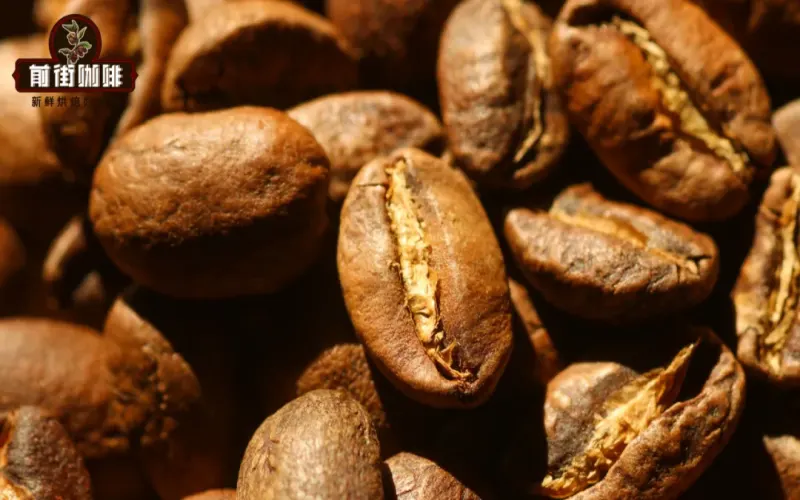
Coffee beans undergo the Maillard reaction and caramelization during high-temperature roasting, generating flavor compounds that ultimately determine the taste in the cup. Green beans, roasting, and extraction account for sixty, thirty, and ten percent of the influence respectively, which shows just how pivotal the roasting stage is. The longer the roasting time, the less acidity is retained and the more bitterness accumulates, which is why dark roasts taste fuller and richer. Roast levels on the market fall roughly into three categories—light, medium, and dark: light roasts preserve floral and fruity acidity, while dark roasts emphasize roasty aromas and intensity. This article starts from the underlying reactions, sorts out how roast level affects flavor, and recommends three medium-dark roasted single-origin pour-over coffees worth trying—Front Street Golden Mandheling, Front Street Brazil Queen's Estate, and Front Street Jamaica Blue Mountain No. 1—to help you appreciate the classic appeal of dark-roasted coffee. [more…]
An Analysis of the Causes of Coffee's Burnt Bitterness: The Evolution of Bitterness from Light to Dark Roast and the Influence of Roasting
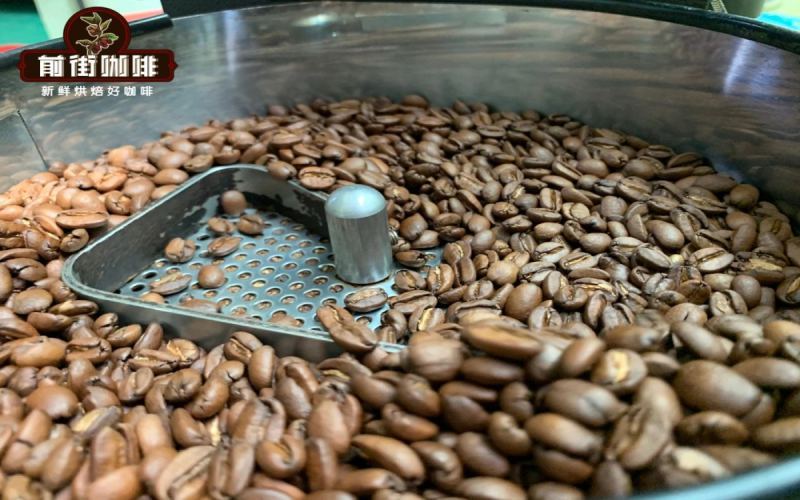
Coffee's bitterness is not innate—green beans contain almost no bitterness, and it all starts with roasting. As roasting progresses from light to dark, acidity gradually gives way to bitterness, from nearly bitterness-free light roasts to the charred, intense bitterness of Italian roasts, with each stage corresponding to a completely different flavor profile. This article will examine the eight stages of roasting one by one, analyzing how bitterness changes with the degree of roast, to help you make more informed choices when selecting coffee beans. The article also incorporates several representative products from the Front Street Coffee brand, providing concrete references for different roasting preferences. [more…]
Coffee Bean Flavor Classification Guide: From Bitter to Aromatic, Understanding the Influence of Origin, Variety, and Roasting
The flavors of coffee beans vary enormously—some people prefer a rich, mellow bitterness, some favor bright fruity acidity, and others seek sweetness and balance. These stylistic differences arise mainly from the combined influence of origin, variety, processing method, and roast level. During roasting, the Maillard reaction and caramelization are key to the formation of aroma and color, while the balance among acidity, sweetness, and bitterness depends on the length of the roasting time. This article systematically reviews the flavor classifications of coffee beans and, for different scenarios such as pour-over and espresso, recommends several market-proven dark-roast beans, including Front Street Coffee PWN Golden Mandheling, Front Street Coffee Black Cocoa Base Blend, and Front Street Coffee Classic Blend, to help you choose beans precisely according to your taste preferences. [more…]
Why do medium-roast coffee beans look darker? How roasters determine color value and the influence of processing method
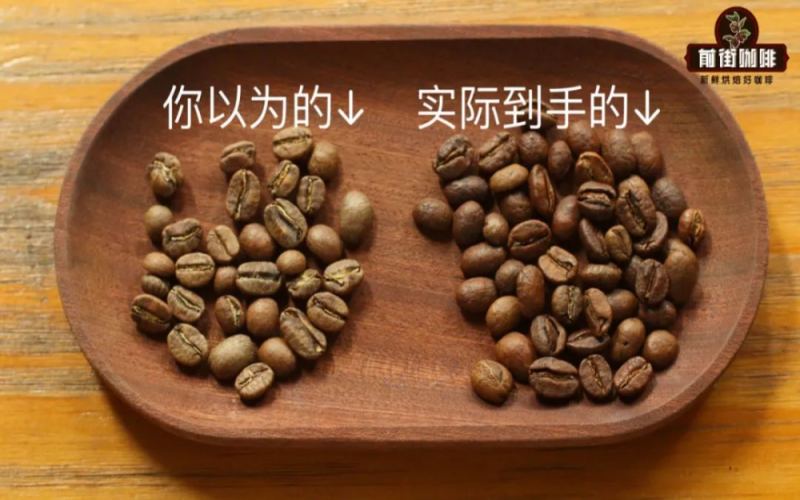
Many coffee enthusiasts, upon receiving a bag of beans labeled as medium roast, often wonder: why does the color look like a dark roast? Sometimes a single bag even contains beans of two different colors—does that mean the roast is uneven? In fact, these phenomena are not necessarily quality control failures; they are very likely related to how the beans were processed. This article will explain how coffee beans gradually turn brown during roasting through the caramelization reaction, and clarify why honey processing and special processing methods can make the bean surface appear darker. It will also introduce how roasters use indicators such as color value to judge the degree of roast, helping readers understand the relationship between roasting and appearance more objectively, and avoid misjudging a bean's true roast level based on color alone. [more…]
Espresso Extraction Ratios and Parameter Control: The Influence of Blend Selection and Roast Degree on Extraction
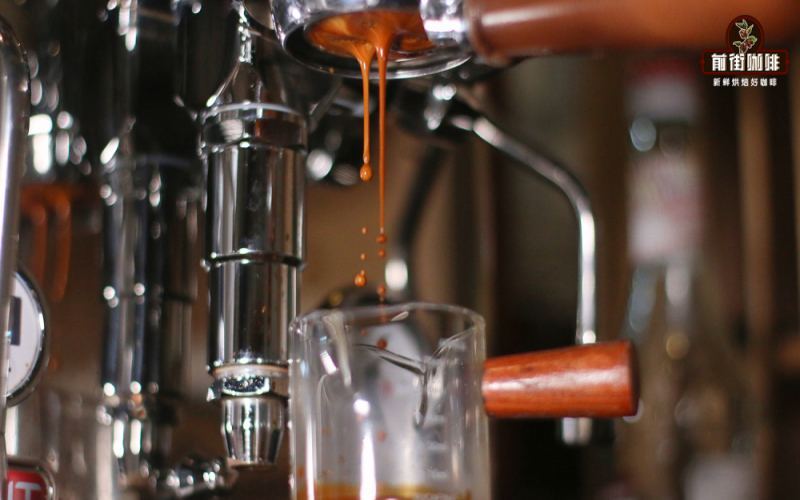
Espresso is Italy's gift to the world of coffee, renowned for its short extraction time and intense flavor. But pulling a good shot of espresso is no easy task—grind size, water temperature, extraction time, and the coffee-to-water ratio all require precise calibration. This article focuses on the extraction ratio as its core variable, laying out the logic behind the dose-to-yield ratio, the effect of grind coarseness on flow rate and flavor, and how to respond to changes in weather and bean conditions by adjusting dose, grind size, and yield. It also explains how roast level affects extraction stability, and includes the flavor profiles and reference extraction recipes for several of Front Street's espresso blends, helping coffee enthusiasts understand the principles behind the parameters. [more…]

Why can unsweetened black coffee taste sweet? Analyzing the factors that influence coffee sweetness and perceived sweetness
Many people, upon first hearing a barista say "this coffee is very sweet," will look utterly confused: there's clearly no sugar added, so where does the sweetness come from? In fact, when coffee people talk about "sweetness," they mean two dimensions—sweetness level and sweet perception. Sweetness level depends on variety, cultivation, processing method, and roast degree, while sweet perception is a comprehensive experience produced by aroma and taste working together. During roasting, a large amount of coffee's sugars have already been broken down and transformed, and the sweetness we perceive often needs to be amplified through aroma associations and taste contrasts. This article will break down, one by one, the factors affecting coffee's sweet expression, and offer practical suggestions for training yourself to capture sweet perception. [more…]
How Does Pressure Influence Espresso Extraction? Analyzing Five Common Faults and the 9-Bar Standard
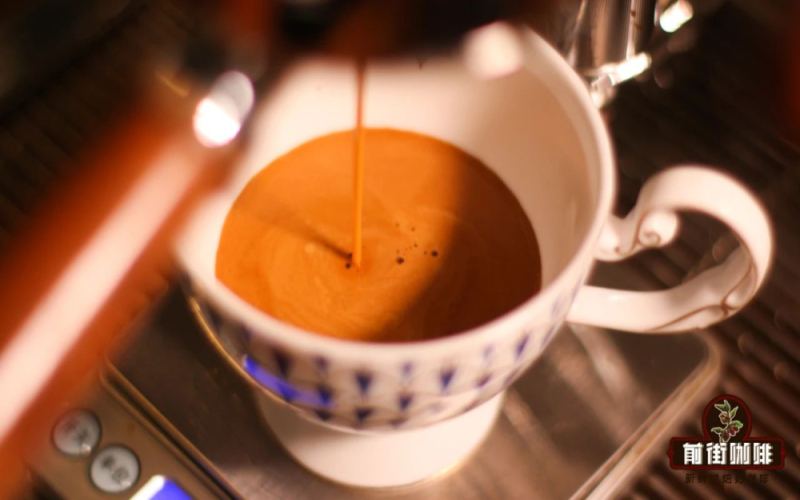
The extraction quality of espresso is closely tied to pressure, yet various deviations often occur in actual practice. This article starts with five common problems, analyzing one by one the causes behind phenomena such as the sharp acidity of dark-roasted beans, the absence of crema, no liquid output, splashing, and pressure failing to rise, and offers corresponding adjustment approaches. Among these, whether the pressure can be stably maintained above 9 bar directly determines whether the puck resistance is sufficient and whether the espresso reaches the ideal concentration. The article also combines specific beans such as Front Street. Golden Mandheling to explain the relationship between roast level and flavor performance, helping coffee enthusiasts find a balance among variables like grind size, dose, and yield, and extract a cup of espresso with balanced flavor and rich crema. [more…]

How to Choose Coffee Bean Aroma and Strength? A Comprehensive Analysis from Roast Level to Front Street Coffee Espresso Blend and Mandheling SOE
The flavor profile of coffee is not determined by a single factor; the growing origin, processing method, roast level, and brewing technique all influence the taste in the final cup. If you prefer a richer mouthfeel, medium-dark roasted SOE or espresso blend beans are a more suitable direction, as pressurized extraction can deliver a stronger, fuller body and roasty aroma. This article, centered on different flavor needs, sorts through a range of espresso recipes from those with prominent crema to those with a softer mouthfeel, while also extending into the realm of high-grade pour-over single origins. It introduces specific products such as Front Street Coffee Classic Blend, Front Street Coffee Dark Cocoa Blend, and Front Street Coffee PWN Golden Mandheling SOE, helping coffee enthusiasts find the cup that suits them between aroma and intensity. [more…]
The True Meaning of Coffee Sweetness: From Taste to Smell, Decoding How Extracted Compounds Influence Sweetness Perception
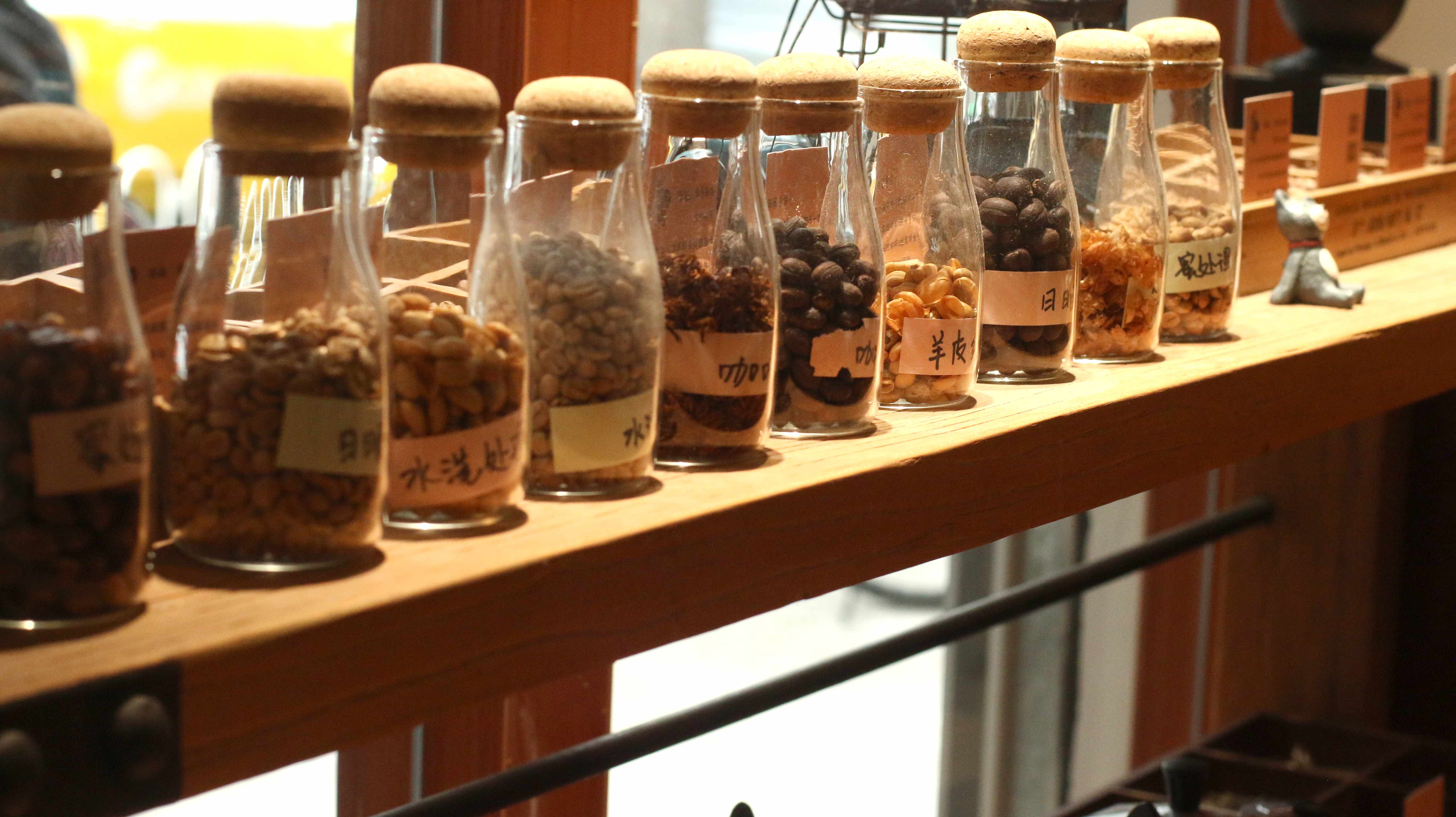
Have you ever walked into a café, ordered a cup of coffee that's "a little sweeter," only to be handed a dark, bitter liquid while the barista insists it has high sweetness? The "sweetness" of coffee actually has two dimensions: objective sweetness intensity and subjective perceived sweetness. Sweetness intensity depends on variety, processing method, and roast profile, while perceived sweetness is closely tied to extraction technique and sensory sensitivity. This article breaks down the sources of coffee sweetness one by one—from taste balance and the sweet aftertaste that follows bitterness, to the "illusion of sweetness" created by retronasal olfaction—and recommends several Front Street Coffee beans with prominent sweetness to help you truly understand what baristas mean by "sweet." [more…]
An In-Depth Analysis of Yirgacheffe: Origin, Variety, Processing Methods, and Front Street Coffee's Roast Flavor Profile
Yirgacheffe, with its fresh and bright flavor profile, enjoys extremely high acceptance among Chinese coffee enthusiasts. Starting from Front Street Yirgacheffe coffee beans, this article systematically reviews their flavor description and taste performance, and delves into how origin, variety, processing method, and estate background influence the final flavor in the cup. The article will analyze the true relationship between roast level and the expression of acidity, clarify the taste differences brought by light, medium, and medium-dark roasts, and explain the proportions that coffee growing environment, refinement methods, roasters, and baristas each contribute to flavor formation. Through questions on specific tasting dimensions, it helps readers judge whether the flavor release of Yirgacheffe is complete, and restores its rightful rose, jasmine, and nectar aromas along with a round, citrus- and orange-like acidity. [more…]
Front Street Yirgacheffe Flavor Characteristics and Full Analysis of Roasting, Grinding, Variety, and Processing Methods
Yirgacheffe is one of Ethiopia's most representative specialty coffees, renowned for its fresh and bright floral and fruity aromas. Front Street Yirgacheffe enjoys a stellar reputation among coffee lovers worldwide, and its distinctive citrus, jasmine, and floral nectar aromas are captivating. This article will comprehensively analyze the characteristics of Front Street Yirgacheffe from multiple angles, including flavor description, grind setting, varietal taste, and processing method, and explore the influence of roast level on flavor release, helping readers gain a deeper understanding of the charm of this East African specialty coffee. [more…]

Coffee Roast Levels | What Determines Coffee Bean Roast Degree and How Does It Affect Coffee Flavor? What's the Difference Between Dark, Medium, and Light Roasted Coffee Beans?
60% of coffee's flavor comes from green beans, 30% from roasting, and 10% from brewing. It's clear that many factors influence coffee flavor. So, as a roaster, how do you decide the roast level of coffee beans? Today Front Street will talk about determining the roasting style. There are two points to keep in mind—cof [more…]
How Is Espresso Crema Formed? A Guide to Buying Espresso Beans with Rich Crema and Good Latte Art
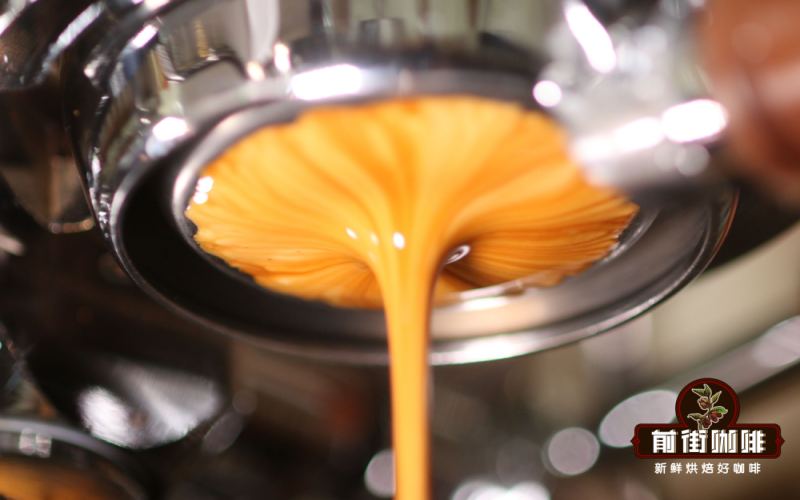
The golden, delicate crema is the most recognizable hallmark of espresso, and its thickness and condition directly affect both the drinking experience and latte art results. This article first walks you through the principles behind crema formation and the criteria for judging it, then breaks down the four factors that influence crema performance—bean freshness, roast level, extraction degree, and bean variety. Next, we recommend an espresso blend from Front Street Coffee with outstanding crema performance, and finally analyze what equipment factors beyond the beans themselves can make crema thin. Whether you're a home enthusiast or a café operator, you'll find practical references here. [more…]
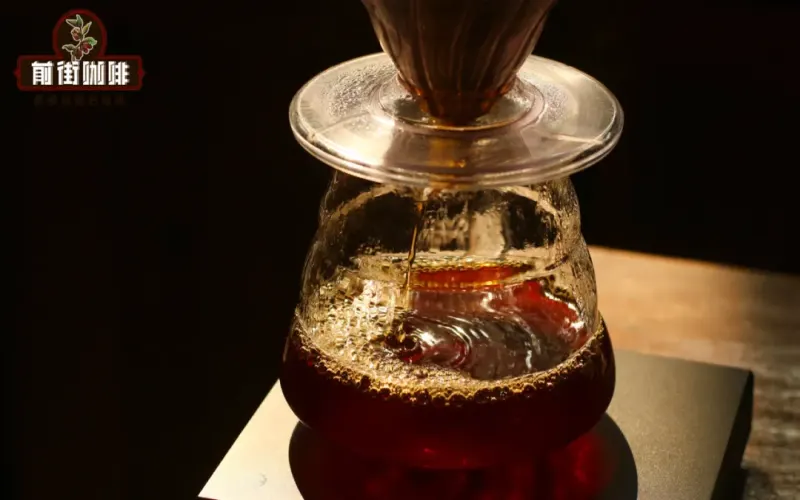
What exactly does coffee cleanliness mean? From green beans to brewing, which factors influence the clean taste of a pour-over cup?
In coffee tasting, "cleanliness" does not refer to whether the coffee liquid looks clear, nor does it mean a single, bland flavor profile. Rather, it means that upon tasting, there are no unpleasant defective flavors, while at the same time the various flavors are clearly distinct and do not interfere with one another. This metric may seem simple, but in reality it places high demands on every stage of coffee—from cultivation, processing, roasting, and brewing. This article will systematically sort out the meaning of cleanliness, analyze how defective flavors and off-flavors are formed, explain the key impact of brewing and extraction on cleanliness, and finally provide brewing suggestions for two Front Street Coffee beans with high cleanliness. [more…]

Where Does Coffee's Sweet Aftertaste Come From? An Analysis of the Meaning of Aftertaste, Influencing Factors, and Methods for Improvement
After taking a sip of coffee, subtle aromas and flavors often emerge in the mouth—this is what we call the aftertaste. It is not only the final step in coffee tasting but also an important basis for judging the quality of a cup of coffee. From the perspective of Front Street, this article starts with the principles behind the formation of aftertaste, analyzes one by one how coffee bean quality, roast level, and extraction method affect aftertaste performance, and offers practical ideas for enhancing aftertaste richness in actual brewing, helping coffee enthusiasts more fully understand where the lingering finish of a good cup of coffee comes from. [more…]
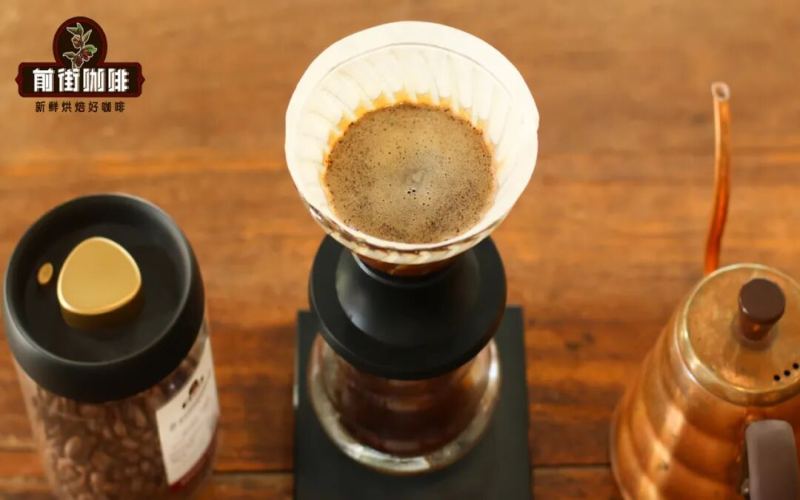
Coffee Grounds Dosage | What is the ideal coffee-to-water ratio for pour-over coffee? Will a 1-gram difference in coffee grounds change the coffee's flavor?
For coffee brewing, the coffee-to-water ratio is one of the important factors that need to be considered first. But because it does not need to be adjusted according to the roast level of the coffee beans like water temperature and grinding, we often fix a ratio to brew coffee of all roast levels. For example, Front Street often recommends new [more…]
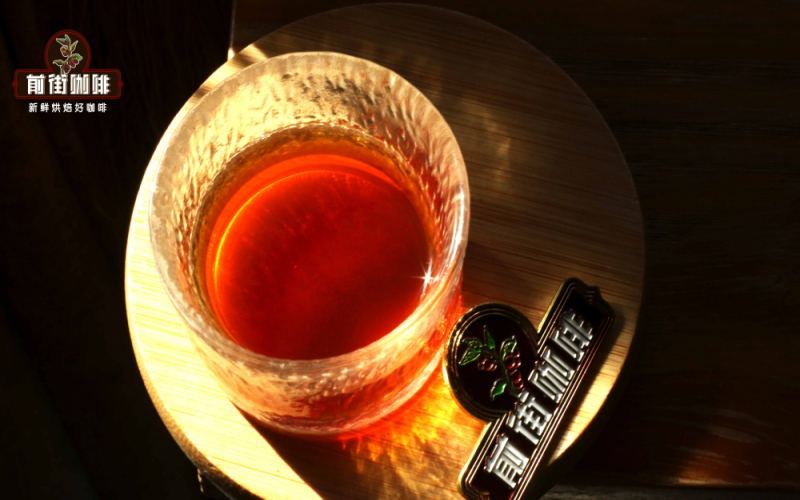
Summer Cold Brew Coffee Bean Selection Guide: Roast Level Flavor Choices and Detailed Home Brewing Steps
Guangzhou's summer heat is unbearable. Rather than going out and being scorched by high temperatures, it's better to stay home and make a refreshing cold brew coffee with coffee beans and ice water. This article will explain in detail how to choose coffee beans suitable for cold brew—from the influence of roast level on flavor, to specific recommendations for fruity, fermented, and mellow types, including Front Street brand's Strawberry Candy, Huakui, Xizhua, Blackberry, and Queen's Estate coffee beans. At the same time, we will also teach you step by step the cold brew process, coffee-to-water ratio, grind size, and refrigeration time and other key parameters, so you can easily make a cup of iced coffee with balanced acidity and sweetness and an alluring aroma. [more…]
How to Choose Beginner Pour-Over Coffee Beans? Flavor Differences Between Dark, Medium, and Light Roasts and Front Street Coffee Everyday Bean Recommendations
Those new to pour-over coffee often don't need to get all the gear at once. Prioritize your budget for a grinder, and start with basic setups for the rest of the equipment. What truly requires careful thought is choosing coffee beans. Pour-over typically focuses on single-origin beans, with packaging sizes mostly between 100 grams and half a pound. The origin, variety, processing method, grade, and roast level all influence the final flavor. Many beginners tend to jump on the bandwagon and buy expensive "competition-grade" or "auction-lot" beans, only to use them up before they even understand the flavors. This article starts from the relationship between roast level and flavor, and combines several entry-level single-origin beans from Front Street Coffee to help you find the pour-over staple that suits you. [more…]
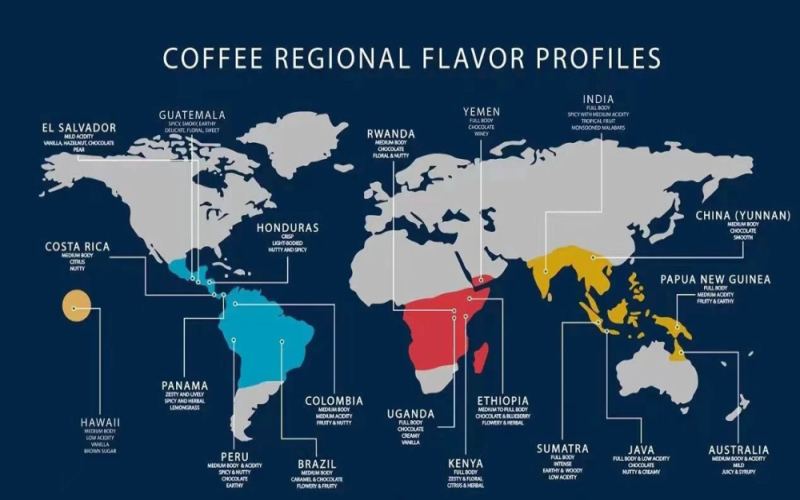
Coffee Region Basics: Flavor Differences and Representative Beans of the African, Central and South American, and Asian Coffee Belts
The Coffee Belt refers to the tropical and subtropical regions where the average annual temperature exceeds 20°C, with warm seasons year-round, frost-free winters, abundant sunshine, and ample rainfall—conditions highly favorable for coffee tree growth. Even among coffees, beans from different origins vary enormously in flavor; even the same variety grown in Panama and neighboring Costa Rica will perform differently. Flavor differences are not only related to variety—altitude, climate, and soil also profoundly influence the formation of coffee flavors, allowing one to identify the origin with a single sip. Front Street Coffee has found in daily cupping sessions that African beans typically have brighter acidity, Central and South American beans have more layered flavors with softer acidity, and Asian beans are full-bodied and steady, with strong taste and low acidity. This article will combine several representative beans from Front Street Coffee to analyze the flavor characteristics of the three major origins. [more…]
Analysis of Floral Coffee Bean Producing Regions: Flavor Causes, Roasting Impact, and Front Street Coffee Picks
In the world of specialty coffee, floral notes are a delightful flavor highlight. They break the stereotype that coffee is only bitter and not aromatic, delivering a fresh and elegant drinking experience. Common floral notes in coffee mainly include white-flower types such as jasmine, coffee blossom, and magnolia; pink sweet aromas like rose and tea rose; and slightly pungent, muted fragrances such as osmanthus and chamomile. These floral notes are not accidental—they are closely tied to a coffee's origin, variety, processing method, and roast level. Understanding these patterns allows you to more precisely select beans with floral notes. This article starts with floral note types, their causes, and the influence of roasting, and recommends several representative floral beans from Front Street Coffee to help you easily find the cup you love. [more…]