







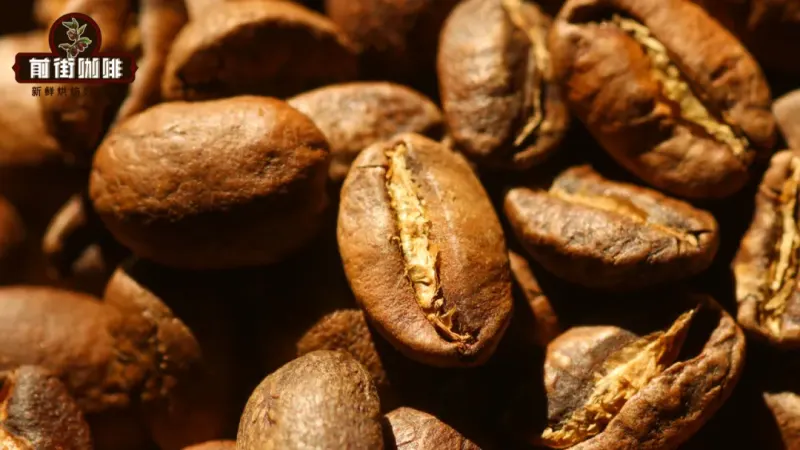
How does the roasting process change acidity and bitterness?
During high-temperature roasting, the Maillard reaction and caramelization generate the flavor compounds that decide what ends up in the cup. Green beans, roasting, and extraction contribute roughly 60, 30, and 10 percent of the influence. Longer roasting leaves less acidity and builds more bitterness, which is why dark roasts taste fuller and heavier.
Roast levels divide broadly into light, medium, and dark. Lightly roasted beans keep floral and fruity acidity, while darker profiles lean on roasted notes and intensity. Three medium-dark single-origin pour-over options worth trying are Golden Mandheling, Brazil Queen's Estate, and Jamaica Blue Mountain No. 1, each showing how the roasting process shapes a classic cup.
During high-temperature roasting, coffee beans undergo the Maillard reaction and caramelization, generating flavor compounds that ultimately determine the taste in the cup. Green beans, roasting, and extraction contribute roughly sixty, thirty, and ten percent of the influence respectively, showing that the roasting stage plays a pivotal role. The longer the roasting time, the less acidity is retained and the more bitterness accumulates, which is why dark roasts taste fuller and richer. Roast levels on the market are broadly divided into three categories: light, medium, and dark. Light roasts preserve floral and fruity acidity, while dark roasts emphasize roasted notes and intensity. This article starts from the principles of the reactions, sorts out how roast level affects flavor, and recommends three medium-dark roasted single-origin pour-over coffees worth trying—Front Street Golden Mandheling, Front Street Brazil Queen's Estate, and Front Street Jamaica Blue Mountain No. 1—to help you appreciate the classic charm of dark-roasted coffee.
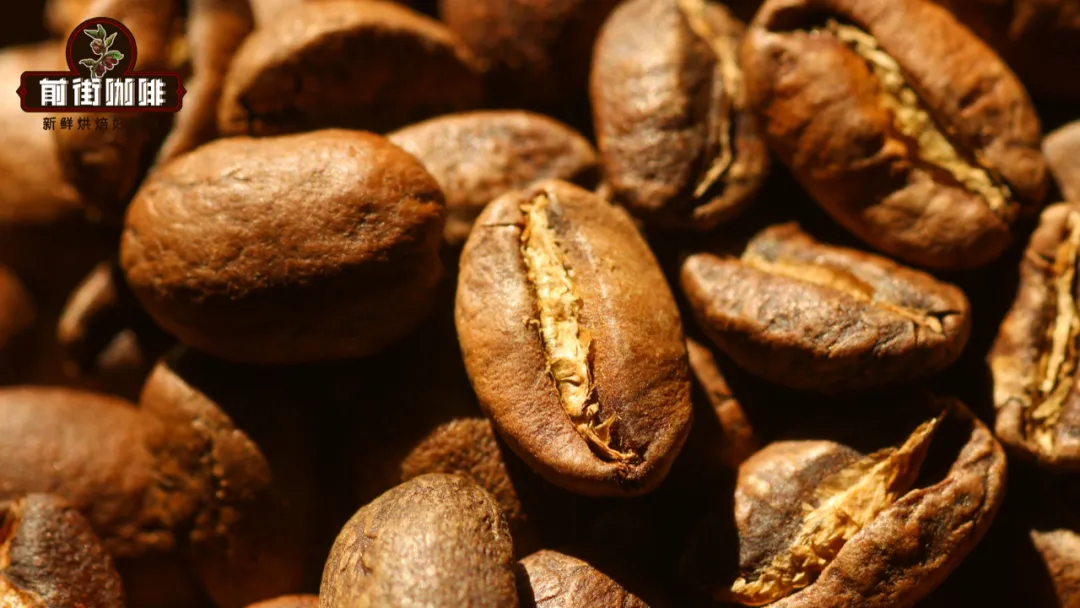
Coffee beans are rich in various substances, and under high-temperature roasting conditions, these components undergo chemical reactions in succession, producing all kinds of flavor compounds. The proportions of these compounds directly determine the final taste of the coffee. In the flavor composition of a cup of coffee, green beans contribute about sixty percent, roasting about thirty percent, and extraction about ten percent, which shows how important the roasting stage is.
The two most central types of reactions throughout the roasting process are the Maillard reaction and caramelization. The Maillard reaction relates to the flavor direction and color changes of coffee beans. In a high-temperature environment, sugars and amino acids interact to generate hundreds of flavor compounds, and the unique flavor of coffee beans comes precisely from this. Caramelization, on the other hand, is when sugars dehydrate, degrade, and brown under high temperature, darkening the bean color while releasing aromatic substances and acidic compounds.
The formation of coffee bean aroma and the transformation of color are both inseparable from the Maillard reaction and caramelization. During roasting, there are three elements that determine the final flavor and must be controlled properly: acidity, sweetness, and bitterness. Generally speaking, the longer the total roasting time, the less acidity is retained; conversely, bitterness increases continuously with longer roasting time, and the darker the roast, the more bitter the coffee.
How roast level affects coffee flavor
The common roast levels of coffee beans on the market can be broadly simplified into three categories: light roast, medium roast, and dark roast.
Traditionally, roasters generally used dark roasting to give coffee a mellow, rich mouthfeel with roasted notes, while also making it easier to keep the flavor stable. With the rise of the specialty coffee concept, people began to focus on showcasing distinctive regional flavors and pursuing clean taste and vivid sweet-acid balance, so light roasting gradually became popular. It can retain more fruity acidity and floral notes, such as the creamy strawberry flavors of Front Street Sun-Dried Huakui, the jasmine aroma of Front Street Washed Yirgacheffe Gedingding, and the full juicy character of Front Street Kenya Little Tomato.
Although lightly roasted “acidic coffee” is increasingly common today, this does not mean medium-dark roasted beans have exited the stage. The single-origin coffees that once represented “bitter coffee” are still classics to this day. Below are three medium-dark roasted single-origin pour-over coffees you should not miss:
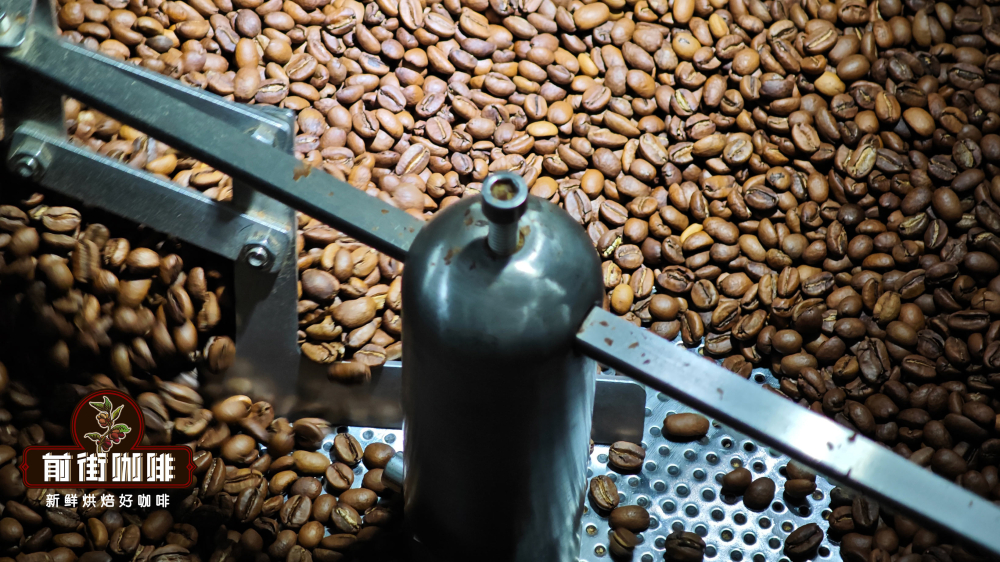
Dark-roasted coffee bean ① Front Street. Front Street PWN Golden Mandheling
Front Street Indonesia Mandheling is a highly representative dark-roasted coffee bean, with base flavors of spices and herbs and a mellow, smooth mouthfeel. Using a dark roast can better highlight its basic flavors; if a light roast were used instead, the original flavors would be weakened, and the soul of Indonesian Mandheling would be lost along with it. Front Street Golden Mandheling, building on Mandheling, undergoes three rounds of machine screening and manual hand sorting to remove defective beans entirely, significantly improving the quality of Mandheling coffee, with a cleaner entry and more obvious sweetness returning in the aftertaste.
Dark-roasted coffee bean ② Front Street. Brazil - Front Street Queen's Estate
Brazil is the world's largest coffee-producing country, and one-third of the world's coffee comes from Brazil. Its main cultivated variety is Arabica. For a long time, Brazil has firmly held the position of the world's number one coffee producer. Most Brazilian coffee has moderate acidity, with sweetness, bitterness, and body relatively balanced, medium concentration, and a smooth mouthfeel with distinctive character, and it is known as the backbone of coffee. Front Street Queen's Estate is located in a high-altitude area and grows the rare Yellow Bourbon variety. The coffee has aromas of creamy chocolate, dark cocoa, and almond.
Dark-roasted coffee bean ③ Front Street - Jamaica Blue Mountain No. 1
Front Street Jamaica Blue Mountain No. 1 coffee uses a medium-dark roast. In addition to roasted aromas, it also carries an indescribable yet very distinctive elegant fragrance, soft and pleasant; for another example, Front Street Brazil Queen's Estate presents an even richer hazelnut flavor......
The above content is compiled by CoffeeHunters, a coffee news website.


