







Search Results for: Refined Natural
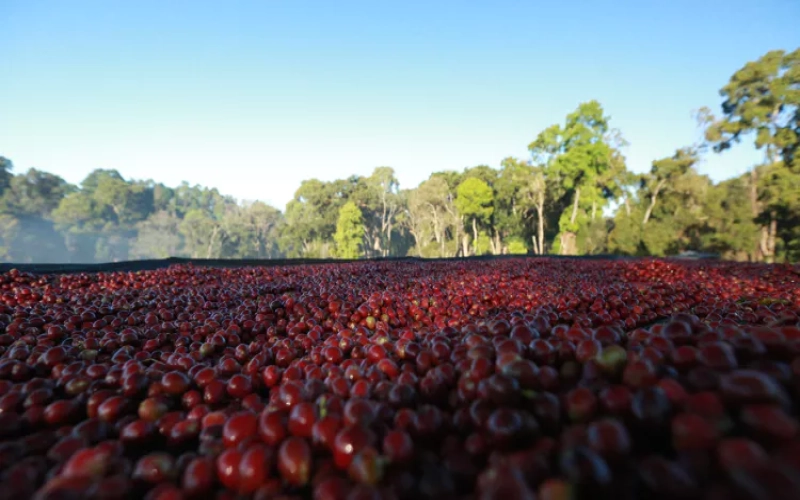
The Evolution of Ethiopian Natural Processing: From Traditional Natural to Refined Natural, How Does the Flavor of Hambela Huakui Differ?
Coffee processing methods have a decisive influence on flavor direction. As the oldest processing method, natural drying has evolved from crude and rough to refined and controllable. From the perspective of Front Street Coffee, this article sorts out the basic principles and historical limitations of natural processing, compares the quality differences between traditional natural processing and refined natural processing, and uses the Hambela G1 coffee from the Guji zone of Sidama, Ethiopia, as an example to analyze how natural processing gives coffee a full body and dark berry notes. It also includes Front Street Coffee's brewing parameters and technique suggestions to help enthusiasts better present the fruit acidity and sweetness of naturally processed beans. [more…]
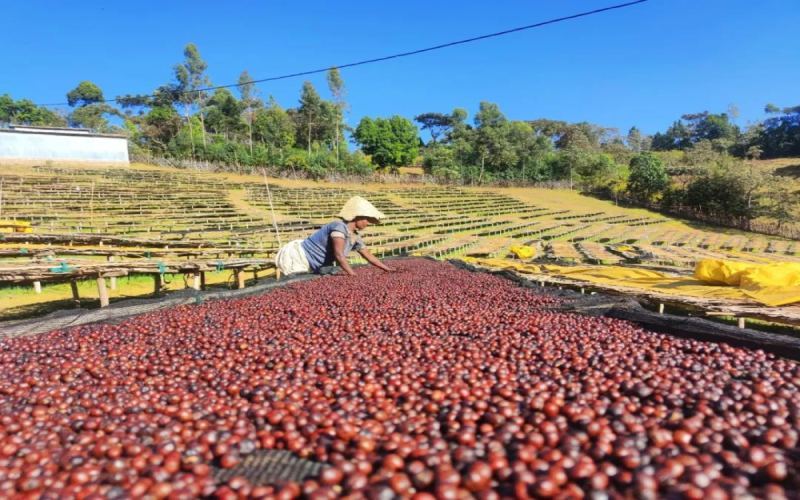
Analysis of the Natural Process Workflow and Flavor Characteristics: A Beginner's Guide to Green Coffee Processing from Traditional to Specialty Natural
The final flavor profile of a cup of coffee is determined not only by variety and origin, but also by the way the green beans are processed. As one of the oldest coffee processing methods, the natural process has re-emerged as a focal point in the specialty coffee world in recent years, thanks to its rich fruity aromas and full-bodied sweetness. This article, from the perspective of Front Street, systematically walks through the complete steps of the natural process, compares traditional natural processing with refined natural processing, explains in detail each stage from picking and sorting, drying, to hulling and storage, and introduces two representative Front Street natural-processed coffee beans — Huakui and the 2013 Typica — to help coffee enthusiasts fully understand the appeal of the natural process. [more…]
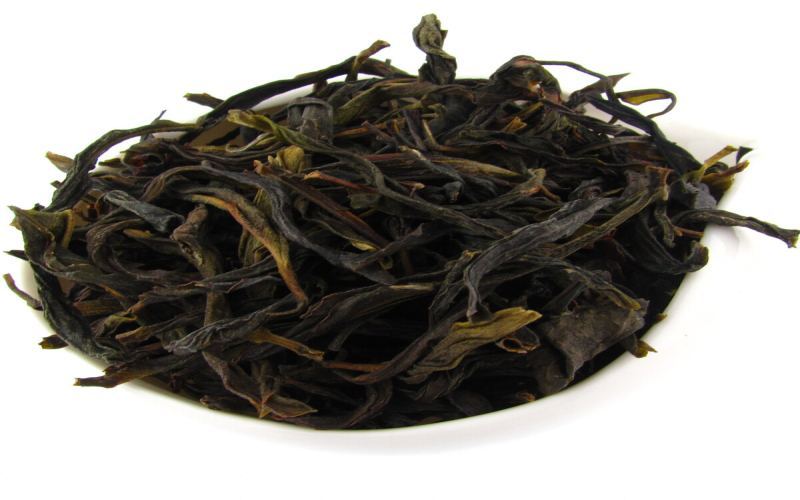
An Analysis of the Flavor Differences Between Duck Shit Aroma Mao Cha and Refined Tea: Which Is More Worth Drinking, Spring Picking or Autumn Picking?
As a star aroma type of Phoenix Dancong, Duck Shit Aroma presents strikingly different flavor profiles depending on the harvest season and roasting process. Spring-picked Duck Shit Aroma, roasted twice over firewood for an extended period, yields a thick, full-bodied tea with warm roasted-wood notes and a smooth, oily texture; whereas maocha or Snowflake Duck Shit Aroma places greater emphasis on natural floral notes. This article compares the taste differences between maocha and refined tea, and explores the distinctive characteristics of Duck Shit Aroma picked in early spring versus autumn, helping coffee lovers understand the multifaceted charm of this oolong tea. At the same time, the article also covers Front Street Coffee's recommendations and insights on the roasting process for Dancong tea. [more…]
Ethiopian Natural Sidamo Coffee Bean Flavor Analysis: The Quality Leap from Traditional Natural to G1 Specialty
Sidamo is a famous specialty coffee region in Ethiopia, and its natural processing method has evolved from rough to refined. Traditional natural processing, due to direct sun-drying on the ground and a lack of sorting, produced unstable quality and was prone to off-flavors and defective beans. The improved natural method greatly enhances the coffee's cleanliness and sweetness through steps such as picking only fully red cherries, drying on raised beds, and manually removing defects. This article provides a detailed analysis of the flavor characteristics of natural Sidamo and explains how final sorting achieves the highest grade, G1. This natural Sidamo recommended by Front Street Coffee is a prime example of this refined processing and is well worth savoring slowly by coffee lovers. [more…]
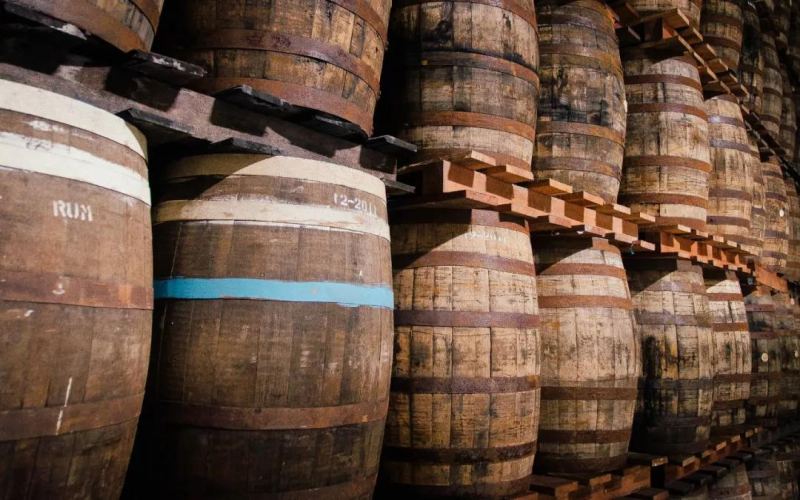
San Jose Estate Rum Barrel Fermented Coffee Bean Analysis: Colombia Castillo Variety Flavor Review
Colombian coffee occupies an important place in the global specialty coffee landscape thanks to its exceptional natural conditions and refined cultivation techniques. This article focuses on a Front Street Colombian coffee bean that uses a special processing method—a refined washed rum-process coffee from Finca San Jose. Finca San Jose is located in the Caldas region of central Colombia, with a century-old heritage and 18 hectares of cultivated land, abundant sunshine year-round, and an average temperature of 22°C, providing an ideal environment for coffee cultivation. This bean uses the Castillo variety, undergoes low-temperature fermentation in oak barrels, and is then washed and dried, presenting a rich flavor profile interwoven with rum truffle, rum, tropical fruit, and maple syrup, with a creamy, smooth, and balanced mouthfeel. The following sections will introduce the estate background, processing technique, variety characteristics, as well as V60 brewing parameters and flavor evaluation in detail. [more…]
Brazil Queen's Farm Yellow Bourbon Coffee Beans: Estate Cultivation Origins and Refined Natural Process Flavor Analysis
Against the backdrop of widely promoted mechanized large-field cultivation in Brazil, estate-level specialty coffee is particularly scarce, and Queen's Estate in Mojiana is precisely a standout among them. This century-old estate, belonging to the Carvalho Dias family, is renowned for its old Yellow Bourbon variety and meticulous sun-drying process, while its altitude and climate conditions endow the coffee beans with higher density and sweetness. Front Street Coffee's bean list includes only this one Brazilian estate-level coffee bean, which uses a medium-dark roast and is presented via pour-over to bring out its rich flavors of peanut, nuts, cream, and cane sugar. This article will guide you through Queen's Estate's cultivation history and processing techniques, and share Front Street Coffee's brewing recommendations. [more…]
A Complete Guide to Coffee Bean Processing Methods: Traditional Natural vs. Specialty Natural and Five Single-Origin Pour-Over Recommendations
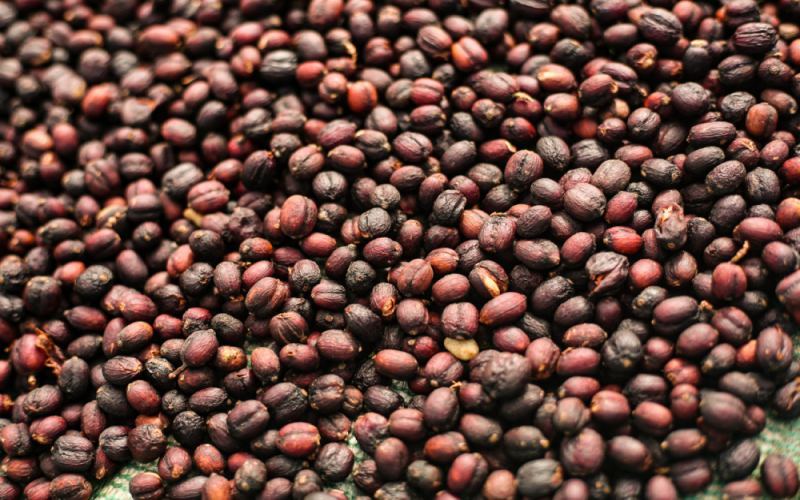
The flavor of coffee beans depends largely on the processing method, and among these, the natural process is one of the oldest and most representative methods. This article first introduces the basic workflow of traditional natural processing, its advantages and disadvantages, and its impact on flavor, then takes a deeper look at the detailed steps and unique taste of fine natural Yirgacheffe. After that, we recommend five widely praised specialty natural coffee beans for coffee lovers, including Front Street Natural Red Cherry, Huakui, Yunnan Typica, Hacienda La Esmeralda Diamond Mountain, and Fazenda Rainha, along with the region, estate, altitude, variety, and flavor description of each bean, to help you understand the charm of natural coffee more systematically. [more…]
What makes the Yirgacheffe region unique? A detailed guide to coffee bean flavors, processing methods, and drip bag brewing
Yirgacheffe is Ethiopia's most iconic specialty coffee region, renowned worldwide for its delicate white floral aromas and refined mouthfeel. This article begins with the history of the Yirgacheffe region, tracing how it became independent from Sidamo and the episode in which Starbucks once attempted to trademark the name. At the same time, the article will provide an in-depth analysis of how the washed and natural processing methods affect Yirgacheffe's flavor, and introduce the characteristics of two representative coffee beans: Front Street's Gutingding and Red Cherry. Finally, Front Street Coffee's baristas will share the complete parameters and steps for pour-over Yirgacheffe, as well as practical tips on how to brew drip bag coffee with a full-bodied flavor, helping coffee lovers enjoy this region's alluring charm at home. [more…]
Panama Deborah Estate Geisha Coffee and the Savage Project: An Analysis of High-Altitude Terroir and Anaerobic Natural Processing
Panama Geisha has always been a shining star in the specialty coffee world. From Hacienda La Esmeralda's rise to fame to today's flourishing of estates, enthusiasts have always been in pursuit of more refined flavors. Among the many renowned estates, Finca Deborah, with its altitude of over 1,900 meters, unique microclimate, and owner Jamison Savage's extreme exploration of processing methods, has become a rising star that has drawn much attention in recent years. The coffee project initiated by Savage brings together fully ripe red cherries from small estates in the Boquete and Volcán regions, endowing Geisha with sweeter fruit and floral notes through anaerobic natural processing. Front Street Coffee has selected the Savage series Geisha, using a light roast to preserve its delicate sweetness and acidity, and provides V60 brewing parameter references. This article will comprehensively cover the history of Geisha's spread, the terroir advantages of Finca Deborah, and the key details of this coffee from cultivation to cup. [more…]
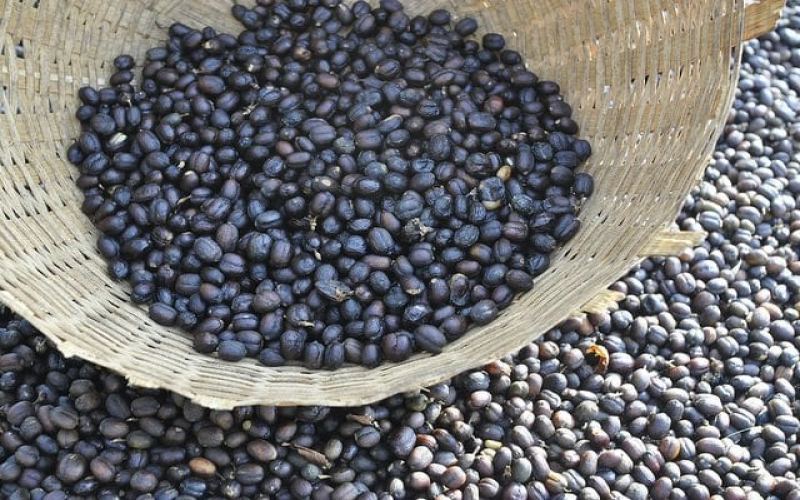
A Comprehensive Analysis of the Natural Process: From Traditional Drying to the Flavor Code of Specialty Coffee
The natural process is the oldest method of processing coffee beans, drying coffee cherries together with their pulp under the sun, known in English as Natural. This processing method maximizes the retention of sugars and aromas in the pulp, giving the coffee beans rich tropical fruit flavors, full-bodied fermentation notes, and sweetness. However, traditional natural processing was once heavily criticized for inconsistent quality control, until the rise of the specialty coffee wave, when refined natural processing techniques revived this ancient method. This article will guide you through the principles of the natural process, its historical evolution, the revolutionary significance of the Red Cherry Project, as well as recommendations and brewing parameters for several Front Street natural process coffee beans, allowing you to deeply experience the unique charm of natural coffee. [more…]
Sidamo G1 Washed Process Analysis: Cupping Notes, Sweetness-Acidity-Body, and Front Street Coffee Recommendations
Sidamo G1 is a gem among Ethiopian specialty coffees. This article focuses on the batch recommended by Front Street Coffee, systematically outlining its fine washed processing method, including key steps such as sun-drying the fruit with the pulp and skin intact, screening red cherries in a fermentation tank, and natural drying to a moisture content of 12%. It also provides a cupping report and flavor description, covering multidimensional aspects such as dry aroma, wet aroma, acidity, sweetness, body, and throat feel, helping coffee enthusiasts fully understand the charm and tasting points of Sidamo G1's refined washed processing method. [more…]
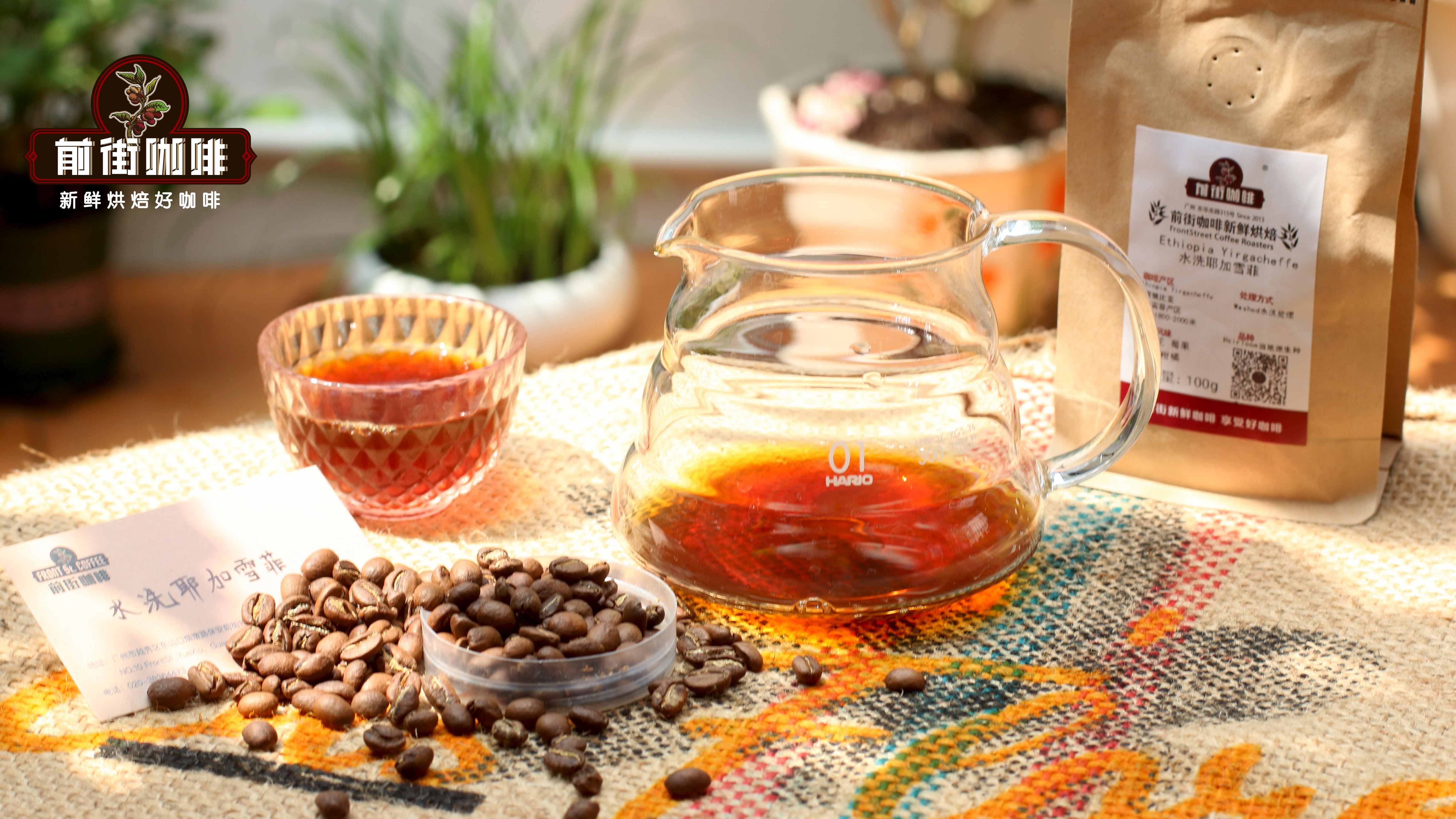
Yirgacheffe Natural Worka Flavor Analysis: From Origin Grading to Front Street Coffee Brewing Parameters Explained
Yirgacheffe, as a representative producing region of Ethiopian specialty coffee, has in recent years showcased stunning fruity flavors through the refined craft of its natural processing method. This article begins with the geography and history of Yirgacheffe, then takes a deep dive into the natural processing characteristics of the Worka cooperative, and introduces in detail the brewing parameters and flavor performance of Front Street Coffee's washed Yirgacheffe. Whether you are a beginner just getting into specialty coffee or a veteran looking for high-value everyday beans, you can learn about the grade classifications and flavor differences between the two major processing methods of Yirgacheffe—washed and natural—as well as the care Front Street Coffee puts into bean selection and roasting. [more…]
Front Street Coffee Colombia Pine Tree Estate Anaerobic Dried Fruit Natural Coffee Beans: Fruit Wine Flavor and Castillejo Variety Analysis
This anaerobic dried-fruit natural coffee from Finca El Pino in Antioquia, Colombia, brought to you by Front Street Coffee, is a micro-lot custom-flavored bean from the 2019 harvest. It uses the Castillo variety and, through a refined anaerobic dried-fruit natural process, presents rich layers and extremely high sweetness. This coffee, named "Fruit Brew," is intended to express notes of ripe dried fruit and fruit wine. Front Street designed a well-developed light roast profile for it, striving to maintain a clear and intense flavor expression from high to low temperatures, with excellent smoothness and sweetness. This article will introduce in detail the background of Finca El Pino, the characteristics of the anaerobic dried-fruit natural process, and the flavor profile and roasting approach of this coffee, taking you deeper into the charm of this unique micro-lot coffee. [more…]
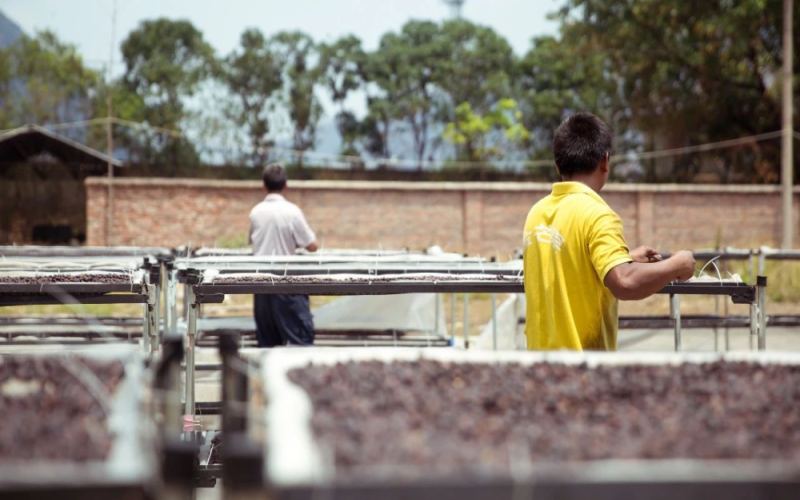
What's the difference between washed and natural coffee beans? Comparing flavor, sweetness, and processing method differences from Blue Mountain to Geisha
Washed and natural are the two most classic coffee processing methods. How do different processing methods affect the flavor direction of the same bean? Front Street Coffee uses Jamaica Blue Mountain No. 1 and Panama Hacienda La Esmeralda Blue Label Geisha as samples, comparing their washed and natural versions respectively, conducting a comprehensive analysis from processing principles, green bean appearance, roasting curves, to cup tasting flavors. The article also explains in detail the refined natural process, the details of washed fermentation, and the actual performance of the two processing methods in terms of sweetness, cleanliness, and layering, helping coffee enthusiasts understand the flavor logic that natural tends to be sweeter while washed tends to be cleaner. [more…]
Flavor Analysis and Brewing Parameters of Panama Casa Ruiz Estate Natural Geisha Coffee Beans
The Boquete region is one of Panama's most prestigious specialty coffee origins, and both Hacienda La Esmeralda and Elida Estate hail from here. This article focuses on the sun-dried Geisha produced by Casa Ruiz, S.A., an estate that has cultivated the terroir of Boquete since its founding in 1920 and is also a frequent winner at the Best of Panama auction. This sun-dried Geisha, sourced by Front Street Coffee, is grown at an altitude of 1,600–1,650 meters and processed using a refined natural method; in cupping it displays a complex profile of berry-like sweet acidity, tea-like floral notes, sugarcane, and orange-like citric acidity. The article will share Front Street's full roasting curve, cupping data, and a segmented pour-over recipe for coffee enthusiasts to reference. [more…]
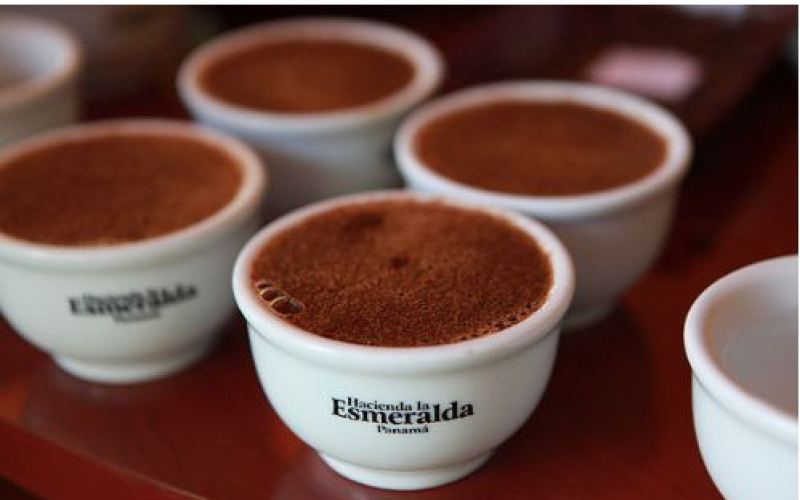
A Complete Analysis of Geisha Coffee Bean Origins: From Ethiopian Beginnings to Cultivation and Flavor at Panama's Hacienda La Esmeralda
Geisha coffee, also known as Gesha coffee, is widely recognized as a top-tier variety in the specialty coffee world. It originated in the Geisha forests of Ethiopia, then spread through Kenya, Uganda, and Costa Rica before arriving in Panama. It was not until 2004, when Hacienda La Esmeralda won the Best of Panama (BOP) competition, that it truly came into the public eye. Geisha is extremely demanding when it comes to its growing environment—high altitude, cloud cover for shade, and fertile soil are all indispensable, and this is what gives it its refined and elegant floral aroma and fruity acidity. Today, Colombia, Costa Rica, Guatemala, Peru, and even Ethiopia itself are all cultivating Geisha, with each origin offering its own distinctive flavors. Among the many Geisha coffee beans that Front Street Coffee has sourced are Panama Hacienda La Esmeralda's Red Label and Green Label, as well as representatives such as Colombia Hanami, Costa Rica Mirazu, and Ethiopia Gesha Village. This article will systematically outline Geisha's history of dissemination and the characteristics of each origin, along with Front Street's brewing recommendations and flavor descriptions, to give you a comprehensive understanding of this legendary coffee. [more…]
Detailed Guide to the Sun-Dried Flavor of Kenya Chania Estate French Mission Coffee Beans
Front Street Coffee's Kenya Chania Estate French Mission coffee showcases a distinctive flavor profile through a refined natural process. These beans are grown at a high altitude of 1,900 meters, and the variety is French Mission Varietal—a Bourbon heirloom introduced to Kenya by French missionaries in 1892, unmodified by science and preserving the purest Bourbon genetics. The Harris family of Chania Estate has a deep understanding of the local red volcanic soil, and by combining it with suitable temperature and rainfall conditions, they have cultivated this coffee's thick chocolate finish and vivid natural fruit notes. On the palate, you can feel a dense, rich body, accompanied by alluring berry, red wine, and malt sugar aromas, with abundant oiliness and a long finish. The following will introduce its origin background and flavor performance in detail. [more…]
Front Street Yirgacheffe Natural Bean Flavor, Estate Origin, Processing Method, and Grind Size Full Analysis
Yirgacheffe is one of Ethiopia's most representative specialty coffee regions, and its processing methods have undergone multiple transformations from washed to natural. This article will guide you through Yirgacheffe's flavor characteristics, estate and regional background, the historical evolution of washed and natural processing methods, as well as the rigorous selection standards and unique flavors of Front Street Coffee's natural Yirgacheffe beans. From the first attempt at washed processing in 1959, to the strong return of the natural method in 2006, and then to Front Street's natural Yirgacheffe reaching G1 grade in 2015, the article provides a detailed overview of this region's journey of quality advancement. Whether you prefer jasmine floral notes and citrus tones, or are captivated by the strawberry, peach, and red wine nuances brought by natural processing, you will find something to resonate with. [more…]
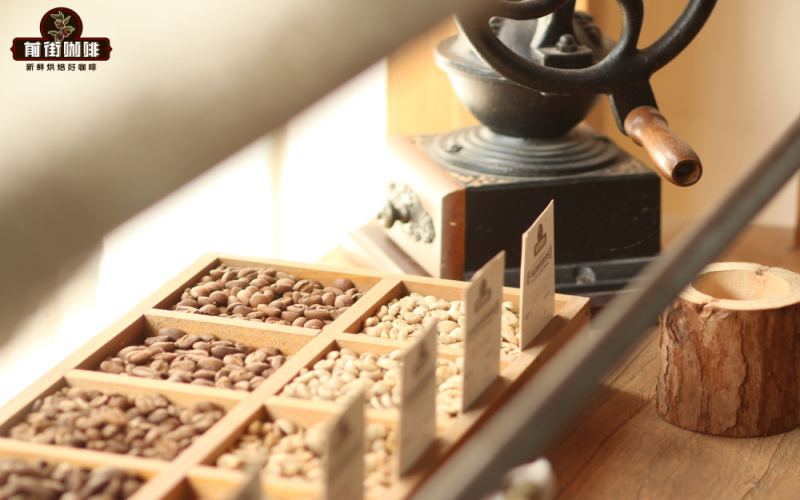
French Press Coffee Grind Size and Bean Selection Guide, with Front Street Coffee Huakui Brewing Step-by-Step Instructions
The French press, with its simple operation and rich, full-bodied flavor, has become the daily go-to for many coffee enthusiasts. But to brew a truly refined cup with it, grind size, water temperature control, and bean selection all matter. Starting from the history and working principle of the French press, this article explains in detail the grind sifting rates and water temperature recommendations for different roast levels, recommends Front Street Coffee beans suited to immersion brewing, and finally, using Front Street Coffee Huakui beans as an example, provides complete French press brewing parameters and steps to help you easily recreate a cup of full-bodied, rich Huakui. [more…]
Ethiopia Yirgacheffe Gedio Region Natural Coffee Flavor Analysis and the Berry Orchard Story
Yirgacheffe is one of Ethiopia's most iconic specialty coffee regions, and the natural-process lots from the Gedeo Zone are especially renowned for their clean, bright fruit character. The coffee featured in this article, Ethiopia Yirgacheffe Natural Boyefi G1, comes from the Gedeo Zone in the SNNPR Region. It is dried using the traditional, meticulous natural method at an altitude of roughly 1,850 to 2,300 meters, and the variety is Ethiopia's ancient heirloom landraces. The word Boyefi comes from the local language: Fere means berry, and Bota/Yefirafire means garden or orchard—together they mean berry orchard. This coffee has slightly larger beans and slightly lower density and moisture content. When brewed, you can taste blueberry, strawberry, and other berry flavors bursting in the mouth, accompanied by the aroma of tropical fruits such as passion fruit and mango. In the mid-palate, apricot, white peach, and grape juice flavors emerge, while floral and peach notes run through the entire palate. Front Street Coffee recommends this bean to coffee lovers who enjoy natural Yirgacheffe—its solid, full, and juicy flavor performance is not to be missed. [more…]