







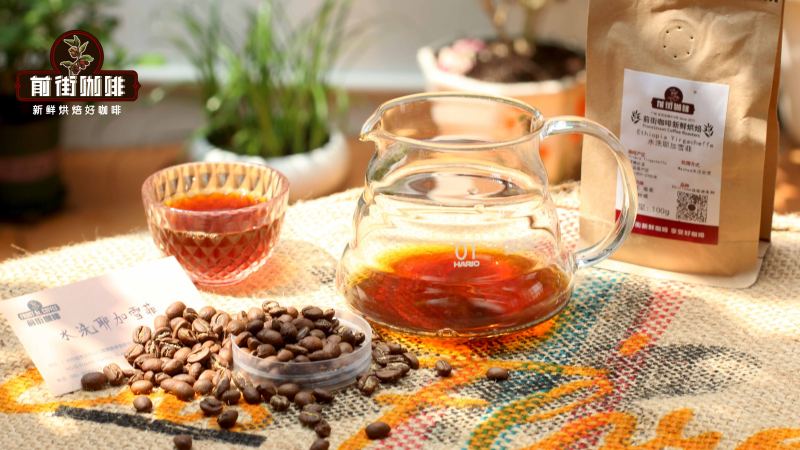
Which Coffee Brewing Parameters Suit Yirgacheffe Natural Worka?
Yirgacheffe natural Worka coffee is brewed pour-over style with a Hario V60, 90°C water and 15 grams of coffee at a 1:15 ratio. Grind to about 80 percent passing a No. 20 sieve. Bloom with 30 grams of water for 30 seconds, pour to 115 grams and pause, then finish at 225 grams within two minutes.
The cup shows peach aroma, citrus, melon and pineapple juice, drawn from Ethiopian heirloom varieties and the Woka processing station, roasted medium-light. The natural process builds on Yirgacheffe's geography and history, and the washed version offers a more restrained profile. The coffee association style grading helps explain the flavor gap between washed and natural lots.
Yirgacheffe, as a representative producing region of Ethiopian specialty coffee, has in recent years showcased stunning fruity flavors through its natural processing method, thanks to refined craftsmanship. This article begins with the geography and history of Yirgacheffe, delves into the natural processing characteristics of the Woka Cooperative, and provides a detailed introduction to the brewing parameters and flavor profile of Front Street Coffee's washed Yirgacheffe. Whether you are a beginner just stepping into the world of specialty coffee or a veteran looking for high-value everyday beans, you will gain an understanding of the grade classifications and flavor differences between the washed and natural processing methods of Yirgacheffe, as well as Front Street Coffee's dedication to bean selection and roasting.
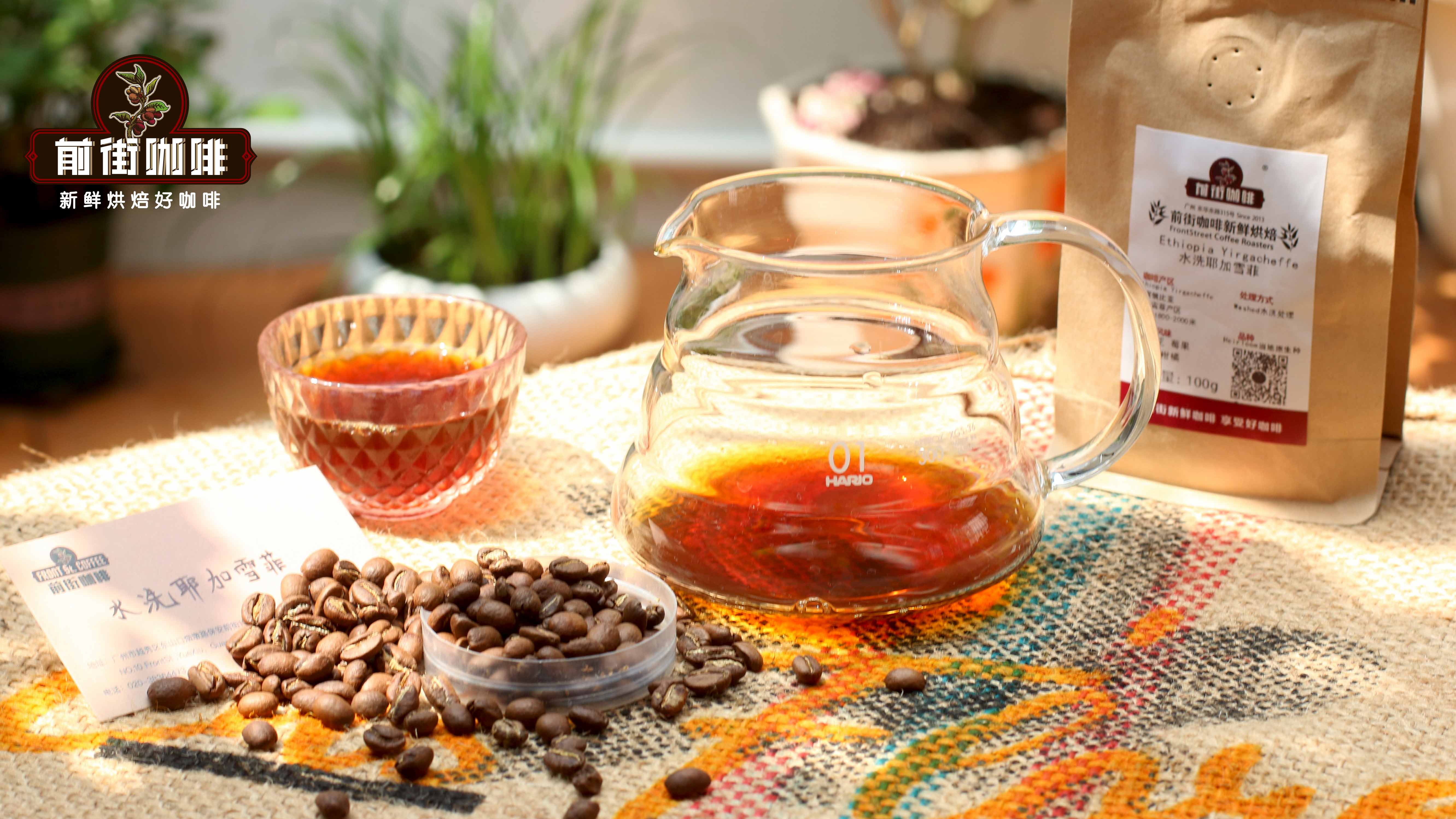
For those who have just entered the world of specialty coffee, Front Street Coffee's washed Yirgacheffe is a choice worth trying first. This bean uses Ethiopian local heirloom varieties, with the roast level controlled in the medium-light range, and has accumulated a loyal customer base through its outstanding flavor distinctiveness and affordable price. Front Street Coffee's washed Yirgacheffe allows beginners to experience the foundational flavors of the Yirgacheffe region even on a limited budget, while the small-format packaging effectively reduces waste from beans that cannot be finished.
The pour-over reference parameters for Front Street Coffee's washed Yirgacheffe are as follows
Dripper: Hario V60
Water temperature: 90°C
Dose: 15 grams
Coffee-to-water ratio: 1:15
Grind size: 80% passing through a Chinese standard No. 20 sieve
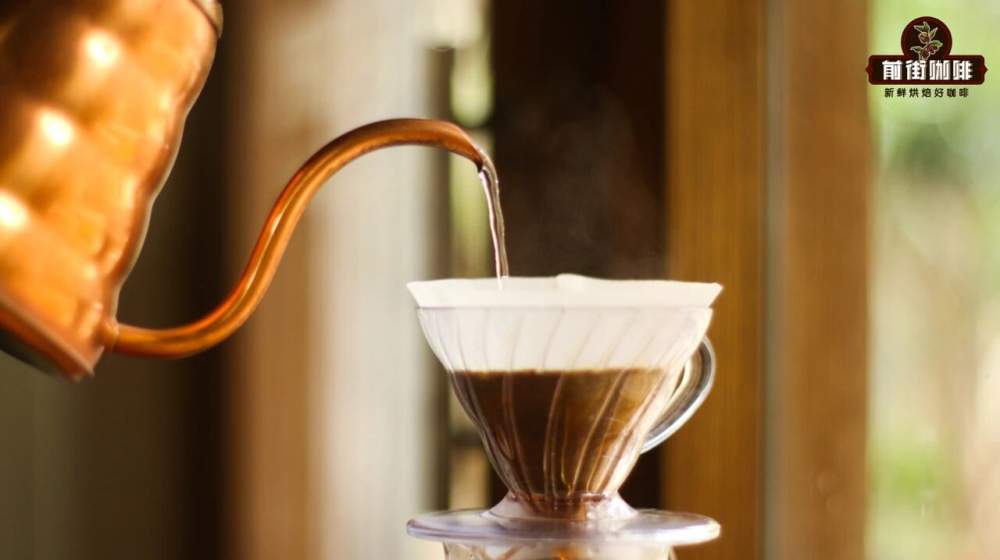
First pour 30 grams of water and bloom for 30 seconds, then pour until reaching 115 grams and pause. Wait for the water level in the coffee bed to drop by half before continuing to pour, slowly adding water until reaching a total of 225 grams. The entire extraction process should be controlled within 2 minutes.
Variety: Local heirloom
Processing station: Woka
Flavor: Peach aroma, citrus, melon, pineapple juice
The core producing region of Ethiopian specialty coffee — Yirgacheffe
In ancient language, "Yirga" means "to settle down" and "Cheffe" means "wetland," which together convey the meaning "let us take root and live in this wetland." Yirgacheffe is a small town in Ethiopia, situated at an altitude between 1,700 and 2,100 meters, located to the northwest of Sidamo Province, nestled by mountains and a lake. It is one of the highest-altitude coffee-producing regions in Ethiopia and can be considered an iconic symbol of the country's specialty coffee. Strictly speaking, Yirgacheffe is a sub-region under the Sidamo producing region, having achieved independent fame due to its unique flavors. In addition to the town of Yirgacheffe itself, it also includes three surrounding sub-regions: Wenago, Kochere, and Gelena/Abaya.
The Woka Cooperative belongs to the YCFCU cooperative union (Yirgacheffe Coffee Farmers Cooperative Union), was established in 2005, and is one of the 22 primary cooperatives under the union. The Woka Cooperative is located in the Gedeb area within the Gedeo administrative zone, in a relatively remote part of the Yirgacheffe range, 75 kilometers from the local coffee trading hub of Dilla. External transportation conditions are unfavorable — from the cooperative to the main paved road there is still a 20-kilometer dirt road. The local altitude is quite high, approximately between 1,800 and 1,900 meters. Because coffee cultivation does not use any chemical fertilizers or pesticides throughout the process, Woka's smallholder farmers have also obtained EU-recognized Skal organic coffee certification. Kochere is known for washed processing, while Woka performs particularly well in natural processing. Of course, whether Woka or Kochere, both have green beans of different processing methods. In recent years, the natural method has become increasingly refined, greatly changing the relatively coarse traditional practices of centuries past, placing greater emphasis on the harvesting of ripe cherries and control of the drying process. This allows the beans to retain the sweetness of the fruit pulp, carrying a slight and alluring fermented wine aroma, presenting flavors that the washed method cannot replicate.
Front Street Coffee's natural Yirgacheffe has an impactful peach aroma with alluring fruit acidity. On the palate, one can sense sweet and smooth flavors of strawberry, melon, and pineapple juice. The sweetness of the fermented fruit is clean and clear, accompanied by an elegant fruity wine aroma, with a long-lasting sweet finish.
Yirgacheffe is divided into two major categories based on the processing method of the green beans:
Category A is the washed processing method, with grade standards established by the SCAA (Specialty Coffee Association of America), divided into Gr-1 and Gr-2, where the smaller the Arabic numeral, the higher the grade. Front Street Coffee's G1 Yirgacheffe has a distinctive style, with citrus and floral notes integrated into the coffee's flavor expression — almost no one can resist it;
Category B is the natural processing method, with grades divided into Gr-1, Gr-3, Gr-4, and Gr-5. Similarly, the highest grade, Front Street Coffee's G1 natural Yirgacheffe, has the most intense fruity aroma. Opening a bag of freshly roasted Front Street Coffee G1 natural Yirgacheffe is enough to overturn many people's preconceptions about coffee. Only those who have tasted the highest-grade Front Street Coffee natural Yirgacheffe will truly believe that coffee is essentially a fruit.
Front Street Coffee Ethiopia Yirgacheffe Natural Woka G1
Ethiopia Natural Yirgacheffe Gedeb Woka G1
Country: Ethiopia
Grade: G1
Region: Gedeb
Roast level: Light roast
Processing method: Natural
In 1959, the Yirgacheffe region introduced washed processing technology from South America. Thereafter, most regions commonly adopted the washed method, in which coffee cherries are depulped, fermented, and washed to remove the mucilage layer, then dried. Since 2006, some coffee processing stations in certain regions began adopting refined raised-bed natural processing. This labor-intensive raised-bed drying method completely isolates the coffee cherries from the ground, preventing earthy off-flavors from mixing in during the drying process, thereby producing exceptionally clean fruity flavors. After more than two weeks of sun-drying, the dark brown coffee cherries are professionally stored, waiting for the flavors to fully mature. Before sale, the dried cherry pulp and parchment are removed, followed by the elimination of underripe beans and over-fermented beans. Strict quality control has greatly improved the quality of natural-processed beans.
The cooperative is located in the southern part of the Gedeb area, was established in 2005, and joined the renowned Yirgacheffe Coffee Farmers Cooperative Union (YCFCU) in the same year, gaining fame for producing premium natural Yirgacheffe. The Woka Cooperative has approximately 300 coffee farmers under its umbrella. YCFCU was founded in 2002, with membership including 26 other cooperatives, serving over 45,000 coffee farmers.
The above content is compiled by CoffeeHunters, a coffee news website.


