







Search Results for: Red Jade
Ethiopia Yirgacheffe Kochere Region: Red Jade CM Natural Coffee Bean Flavor Analysis
The Yirgacheffe Kochere region in Ethiopia is famous for its high-quality coffee beans, and the Red Jade CM Select series launched by Origin Project uses carbon dioxide maceration combined with natural processing, delivering an unforgettable flavor performance. This article will take an in-depth look at the principles of the CM processing method, the terroir characteristics of the Kochere region, and the detailed flavor profile of Red Jade CM natural coffee beans. If you are interested in this bean, Front Street Coffee also has related recommendations. [more…]
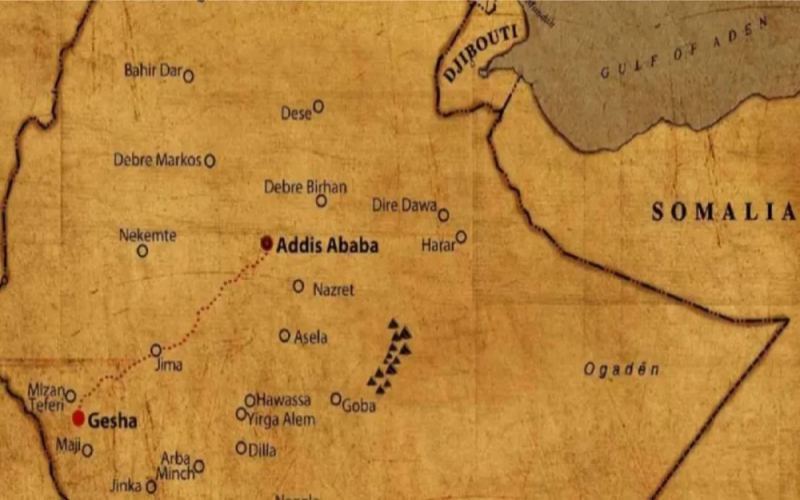
A Comparative Flavor Analysis and Variety Breakdown of Ethiopia Gesha Village Green Label vs. Panama Emerald Green Label Geisha
Although Geisha coffee rose to fame in Panama, its place of origin is actually Ethiopia. Starting from the variety's origins, this article traces Geisha's spread from the Gori Forest to Panama, introduces the background behind the establishment of Gesha Village as Ethiopia's first coffee estate and its grading system, and focuses on comparing the Green Label from Hacienda La Esmeralda and the Green Label from Gesha Village in terms of variety, processing method, and cupping flavor. Front Street Coffee presents the two distinctly different profiles using actual cupping data, helping coffee lovers clearly distinguish between these two Green Label Geishas that are often confused. [more…]
A Complete Guide to Hawaiian Kona Coffee Beans: Terroir, History, and Grading and Processing Methods Explained
Kona coffee comes from the western coast of the Big Island of Hawaii in the United States. It is as famous as Jamaican Blue Mountain coffee, and together they have long been praised as "one king and one queen." The unique island climate and volcanic soil here allow coffee to grow full and flavorful even at the relatively low elevation of 200 to 800 meters. From coffee first being introduced in 1817, to missionaries promoting large-scale cultivation, to Guatemalan Typica replacing Brazilian varieties, Kona coffee endured pests and waves of industry change before finally achieving its current specialty status. Its green beans are known for their plump, jade-like appearance, and strict grading standards and hand sorting ensure quality. This article will systematically introduce the terroir conditions, historical development, green bean grading, and washed processing method of the Kona producing region, and share Front Street Coffee's roasting and brewing suggestions, giving you a comprehensive understanding of this world-class specialty coffee. [more…]
A Detailed Explanation of the Anaerobic Double Fermentation Process: The Flavor Code and Processing Craft of Colombian Rose Valley Coffee
Anaerobic fermentation has garnered significant attention in the specialty coffee world in recent years, and double anaerobic fermentation has become a popular choice thanks to its clean finish and distinctive flavor profile. Starting with the anaerobic processing methods introduced by Front Street Coffee, this article takes a deep dive into the origin background of the Colombian Rose Valley beans, the cultivation and processing details at Big Tree Estate, and how anaerobic double enzyme washed processing imparts better sweetness and balance to the coffee. If you are interested in the principles and flavor expression of special processing methods, this article will take you on a journey of discovery. [more…]
NINETY PLUS Panama Geisha Coffee Beans Flavor Analysis and Specialty Recommendations
Geisha (Gesha) is not the name of a coffee drink, but a rare coffee variety originating from Ethiopia, now most renowned for the flavors produced in Panama and Colombia. This article provides an in-depth introduction to NINETY PLUS's original W2, N2, and H2 processing methods and its L5 to L95 green bean grading system, and describes in detail the flavor characteristics, recommended coffee-to-water ratios, and brewing key points of three Geisha coffees: W2-L21 Lycello, H2-L39 Juliette, and N2-L39 Perci Red. The article also shares Front Street Coffee's philosophy on recommending specialty coffee beans, making it suitable reading for coffee enthusiasts who want to gain a deeper understanding of the Geisha variety and high-end processing methods. [more…]
A Detailed Guide to the Flavor Characteristics of Colombian Specialty Coffee Bean Regions: From Emerald Coffee to Andean Mountain Mellow Coffee
Colombian coffee is one of the few single-origin coffees sold worldwide under a country's name, and is renowned as the "Emerald Coffee." It is grown in the highlands of the Andes in northwestern South America, where the mild climate and humid air provide an ideal "natural pasture" for Arabica coffee. Colombian coffee is famous for its acidity with a hint of sweetness, mild bitterness, and excellent balance, with a silky, soft mouthfeel, a rich and full-bodied aroma, a bright, high-quality acidity, and sometimes a nutty nuance. The country's coffee-growing regions are divided into more than 200 grades, and harvests occur year-round, making it the world's largest exporter of washed Arabica coffee beans. This article will comprehensively analyze the unique charm of Colombian specialty coffee from the perspectives of its production background, flavor characteristics, geography and climate, cultivation management, and export system. [more…]
A Complete Analysis of the Flavor Comparison Between Washed and Natural Geisha Coffee Beans and Pour-Over Parameters
Geisha coffee, as a star variety in the specialty coffee world, attracts much attention for its unique flavor and high price. This article provides a detailed analysis of how the two processing methods—natural and washed—affect Geisha's flavor, shares the cupping performance of specific products such as Front Street Geisha Village Red Label and Emerald Green Label, and offers complete pour-over extraction parameters and brewing techniques to help coffee enthusiasts master the tasting and preparation skills for Geisha coffee. It also introduces Front Street Butterfly as a cost-effective alternative to Geisha, meeting the needs of everyday pour-over, moka pot, and cold brew. [more…]
Ethiopia Gesha Village vs. Panama Geisha: Variety Origins, Flavor Differences, and Pour-Over Parameters Explained
Since its discovery in the Geisha forest of Ethiopia in 1931, the Geisha variety has journeyed through Kenya, Uganda, Tanzania, and Costa Rica, ultimately rising to fame at Hacienda La Esmeralda in Panama. But although both are called Geisha, what exactly are the differences between coffee produced in the Panama region and that from Gesha Village in Ethiopia in terms of terroir conditions, flavor expression, and brewing strategies? This article will systematically trace the variety's propagation path, compare the green bean characteristics, roasting curves, and cupping performance of Hacienda La Esmeralda, Elida Estate, and Janson Coffee Farm in Panama with Gesha Village in Ethiopia, and include detailed pour-over parameters from Front Street Coffee to help coffee enthusiasts fully understand the differences between these two iconic growing regions. [more…]
Ethiopian Geisha Coffee Flavor Analysis: Differences from Panama Geisha and Brewing Recommendations
Geisha coffee has always been best known for Panama's Hacienda La Esmeralda, but the variety actually originated in the Geisha forest of Ethiopia. This article focuses on the taste characteristics of Ethiopian Geisha coffee beans, outlining the farm structure, grading system, and growing elevation of Geisha Village, and comparing how Panama Hacienda La Esmeralda Geisha differs in flavor, including specific differences in floral notes, tea-like quality, and candied sweetness. At the same time, Front Street Coffee also shares the complete three-stage pour-over parameters and operating steps for Panama Natural Green Label, providing a reference for coffee lovers when purchasing and brewing Geisha coffee. [more…]

Must-Read for Coffee Beginners: Getting to Know Entry-Level Coffee Bean Varieties and Recommended Arabica for Pour-Over
Many friends who are just getting into coffee think that latte and cappuccino are the names of certain coffee beans, but in fact they are simply drinks made by combining espresso with milk and milk foam—the real core that determines the flavor lies in the coffee beans themselves. Coffee beans are not actually beans, but the seeds inside the coffee fruit. Only after processing, roasting, grinding, and brewing do they become the aroma in our cup. Just as drinking wine is actually savoring grapes, drinking coffee is also about experiencing the taste of coffee beans. This article will introduce you to the two most common coffee species—Arabica and Robusta—and focus on three representative varieties under Arabica: Bourbon, Typica, and Geisha, helping you understand their respective flavor characteristics and suitable pour-over choices for beginners, while also recommending the corresponding well-regarded products from Front Street Coffee. [more…]
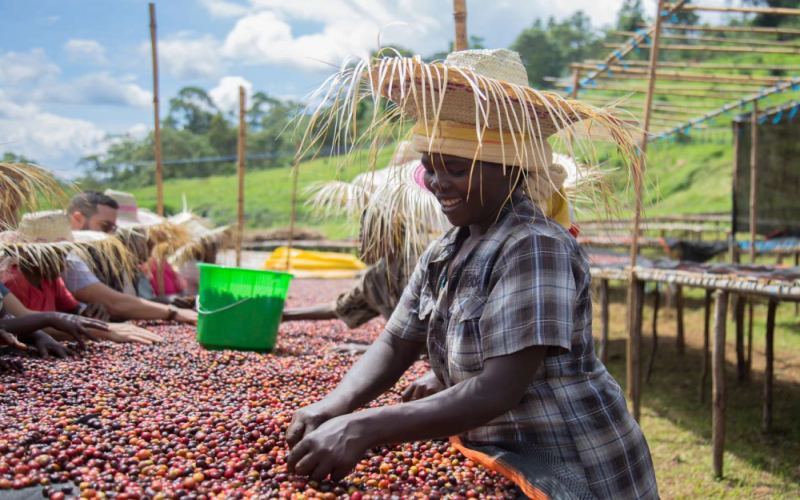
From Natural and Washed to Wet-Hulled, Honey, and Anaerobic Fermentation: A Complete Analysis of Flavor Differences in Common Coffee Processing Methods
Turning coffee cherries into green beans relies on the crucial step of "processing." Different methods of removing the skin, pulp, mucilage, and parchment lead to entirely different flavor directions in the final cup. This article systematically reviews the operational processes and flavor characteristics of common processing methods such as natural, washed, semi-washed (honey), wet-hulled, and anaerobic fermentation, while also explaining the specific performance of beans like Front Street Red Cherry, Fruit Ding Ding, Lintong Mandheling, Sidra, and Big Belly under each processing method, helping coffee enthusiasts understand how processing shapes a cup's acidity, sweetness, and sense of place. [more…]
Top Ten Most Expensive Coffee Beans | Blue Mountain Coffee vs. Kopi Luwak: Which Is Better? Is Panama Geisha a Higher Grade? What Makes Indonesian Golden Mandheling So Expensive?
For more specialty coffee knowledge, please follow: Front Street Coffee (Frontsteet Coffee) Different varieties of coffee have different aromas and flavors, and especially for those who truly love drinking coffee, enjoying a cup of top-quality coffee is an incredibly pleasant experience. Friends who drink coffee all [more…]
Top 10 Most Expensive Coffee Beans in the World: A Complete Guide to the Flavors and Prices of Blue Mountain, Kopi Luwak, Geisha, and More
The world of coffee is rich and diverse, with different varieties offering vastly different aromas and flavors. For those who truly love coffee, being able to enjoy a cup of outstanding quality is undoubtedly a great pleasure. Names like Blue Mountain, Kopi Luwak, and Geisha are already well known, and they are not only unique in flavor but also staggering in price. Today, Front Street Coffee sorts out the world's ten most expensive coffee beans for you, in no particular order, guiding you through their stories, origin characteristics, and flavor profiles one by one, to see how many of them you recognize. [more…]
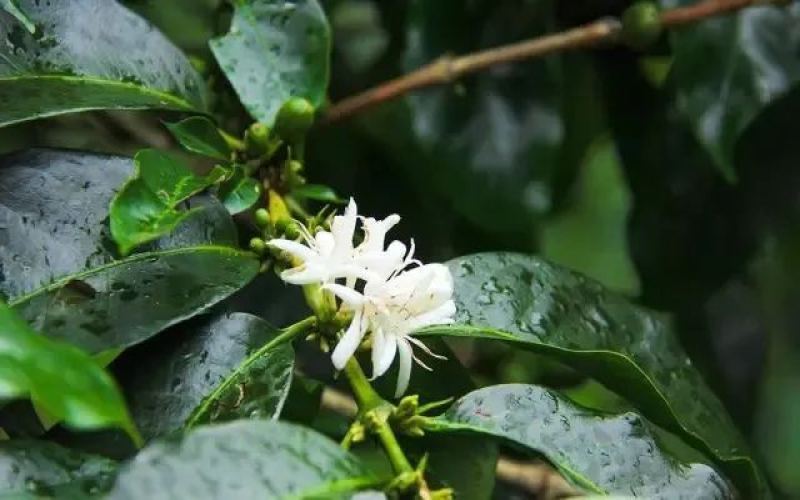
A Complete Guide to Geisha Coffee Flavor: From Origin to Cold Brew Practice, Front Street Geisha Series Recommendations
Geisha, once an obscure coffee variety, is now a shining star in the specialty coffee world. From the primitive forests of Ethiopia to the award-winning estates of Panama, Geisha has conquered countless coffee lovers with its bright floral and fruity aromas and clean, sweet taste. This article will take you deep into the origin story of Geisha, its cupping flavor characteristics, and the features of product lines such as Front Street Coffee Boquete Geisha, Emerald Red Label, and Butterfly. In addition, we will share a summer-appropriate Geisha cold brew tutorial, from grind size and coffee-to-water ratio to steeping time, teaching you step by step how to make a cup of cold brew coffee overflowing with floral fragrance. [more…]
A Complete Guide to Coffee Bean Processing Methods: Flavor Differences Between Natural, Washed, Honey, Wet-Hulled, and Anaerobic Fermentation
From fruit to green beans, coffee cherries must go through a series of processing steps to remove the skin, pulp, mucilage layer, and parchment. The processing method directly determines the final flavor profile of the coffee. This article systematically reviews the operational procedures and flavor characteristics of common processing methods such as natural (dry), washed (wet), honey (semi-washed), wet-hulled (Giling Basah), and anaerobic fermentation, compares their respective advantages and disadvantages, and explains why washed beans have bright acidity, natural beans are rich in fruity aromas, and wet-hulled beans carry a distinctive woody-spicy note. At the same time, the article combines specific Front Street Coffee products such as Red Cherry Yirgacheffe, Gudingding, Lintong Mandheling, Xizhua, and Daduqi to demonstrate the flavor expression of different processing methods in actual coffee beans, helping readers build a complete understanding from processing method to flavor in the cup. [more…]
A Complete Analysis of the Flavor and Aroma of Geisha Coffee Beans: From Ethiopian Origins to Panamanian Legend, Front Street Coffee's Recommendations for Selection and Cold Brew Guide
Geisha is one of the most dazzling varieties in today's specialty coffee world, winning over countless coffee lovers with its bright floral and fruity aroma, full sweetness, and clean mouthfeel. From its discovery in the Geisha forests of Ethiopia in 1931 to its sensational debut at Hacienda La Esmeralda in Panama, Geisha traveled a quiet road spanning more than seventy years. This article will give you a comprehensive understanding of Geisha's flavor characteristics, historical origins, and origin stories, and recommend different products from Front Street Coffee including Boquete Geisha, Esmeralda Red Label, Green Label, and Butterfly, and finally include a Front Street Coffee Boquete Geisha cold brew tutorial covering grind size, coffee-to-water ratio, and storage suggestions, helping you easily experience Geisha's unique charm. [more…]
Top Ten Premium Coffees in the World: How to Distinguish the Grades of Blue Mountain and Kopi Luwak
In the world of coffee, different regions and varieties bring vastly different aromas and flavors. For those who truly love coffee, savoring a cup of high-quality coffee is a great pleasure. Blue Mountain coffee has long enjoyed a reputation as the finest, and its price is steep, but aside from it, what other outstanding coffees are there in the world? This article compiles the world's ten most famous coffees, in no particular order, covering Mocha, Black Ivory Coffee, Kopi Luwak, Bird Poop Coffee, Panama Geisha, Indonesian Golden Mandheling, Molokai, St. Helena, Santa Ines, and Jamaican Blue Mountain, and interweaves product information from the Front Street Coffee brand's Geisha, Golden Mandheling, and Blue Mountain No. 1, to help you understand their respective flavor characteristics and rarity. [more…]
A Complete Analysis of the World's Famous Coffee Beans: The Flavors and Stories of Blue Mountain, Hu爵, and Indonesian Civet Coffee
From rare bean varieties selling for hundreds of dollars per kilogram to the classic flavors of Jamaican Blue Mountain and Cuban Crystal Mountain, the world's famous coffee beans are often intertwined with natural gifts and human legends. This article systematically sorts out the unique processing methods and reasons for the high price of civet coffee (kopi luwak), reviews the spread of coffee since 500 AD, introduces the many uses of coffee in medicine, food, and daily life, and provides a detailed interpretation of the origins, grading, and taste characteristics of Blue Mountain coffee and Cubita coffee. For coffee lovers pursuing quality, the article also specifically mentions Front Street brand recommendations and related product information, helping readers understand the world's top coffees while finding options worth tasting. [more…]
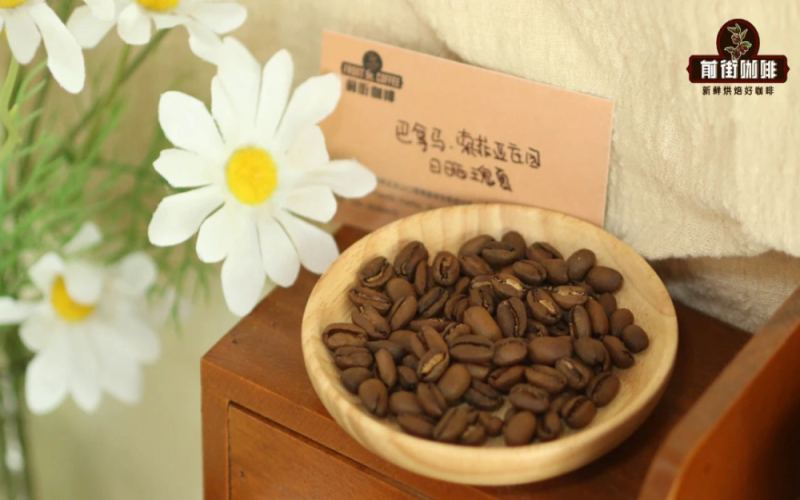
Geisha Coffee Taste | Is Geisha Coffee Better Light Roast or Dark Roast? Where Is Geisha Coffee Grown? How to Describe the Taste of Gesha Coffee?
Geisha coffee beans: is light roast or dark roast better? Flavor description and mouthfeel characteristics introduction CUPPING 10-10-11 Equipment: Hario V60 pour-over drip, medium grind (slightly fine). Because it is roasted relatively light, I hope a finer grind can reduce the acidity. Water temperature: 91°C, wet aroma is good. [more…]
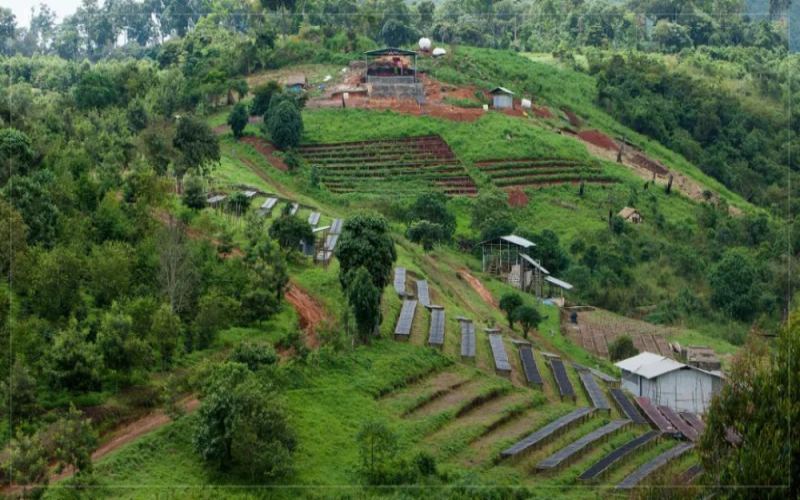
Exploring the Origins of Ethiopia's Gesha Village Estate: Did the Geisha Variety Originate in This Primitive Forest?
Geisha coffee is now popular all over the world, but where exactly are its roots? Gesha Village Coffee Estate in Ethiopia was co-founded by American documentary director Adam Overton and Ethiopian photographer Rachel Samuel, with the assistance of Dutch coffee professional Willem Boot, and in the Bench Maji region they found the original forest that shares the same origin as Panamanian Geisha. The estate grows only the Geisha variety and has established a strict grading system of Auction, Gold, Red, Green, and CHAKA. This article will provide a complete overview of the origins of Gesha Village Coffee Estate, its variety composition, plot divisions, and the characteristics of each grade, and will also share the cupping flavors and brewing suggestions of several Geisha coffees from Front Street Coffee. [more…]