







What makes Kona coffee beans different from other arabica?
Kona coffee is grown on the west coast of Hawaii's Big Island at roughly 200 to 800 meters, lower than the 1,200-meter mark often cited for specialty coffee. Volcanic soil and steady island sunshine let the cherries grow full, with pronounced acidity and sweetness. Green beans are known for a green, plump, jade-like look.
Coffee arrived in 1817, missionaries later pushed large-scale cultivation, and Guatemalan Typica replaced Brazilian varieties. A strict grading system and hand sorting keep quality consistent, and washed processing is standard. Where are arabica coffee beans grown elsewhere? Mostly at higher altitudes, which makes Kona an island exception rather than the rule.
Kona coffee is produced on the west coast of the Big Island of Hawaii, USA. It is as famous as Jamaican Blue Mountain coffee, and together they are known as "one king and one queen." The unique island climate and volcanic soil here allow coffee to grow full and flavorful even at the relatively low altitude of 200 to 800 meters. From coffee’s first introduction in 1817, to missionaries promoting large-scale cultivation, to Guatemalan Typica replacing Brazilian varieties, Kona coffee has weathered pests and industrial changes, ultimately forming today’s specialty status. Its green beans are known for their green, plump, jade-like appearance, while a strict grading system and hand sorting ensure quality. This article will systematically introduce the terroir conditions, historical context, green bean grading, and washed processing method of the Kona producing region, and share Front Street Coffee’s roasting and brewing suggestions, taking you through a comprehensive understanding of this world-class specialty coffee.
In an era when the concept of specialty coffee had not yet spread globally, the standards for judging top coffee were mainly influenced by Japan. At that time, the generally recognized "one king and one queen" were Kona coffee and Blue Mountain coffee. Hawaiian Kona coffee beans and Jamaican Blue Mountain coffee enjoy equally high international reputations. Hawaii’s island sunshine and beaches are desirable, and the Kona coffee beans grown there are also a local specialty. Their quality can be intuitively reflected in the price of Kona coffee.
Although The Craft of Specialty Coffee defines specialty coffee as Arabica coffee beans grown above 1,200 meters, the Kona region is an exception. Here the weather is sunny most of the time, and the volcanic soil brought by Hawaiian volcanoes gives the land abundant fertility. Unlike the common high-altitude cultivation of specialty coffee, Kona coffee is grown at about 200 to 800 meters. The relatively lower altitude instead allows the coffee cherries to grow fuller and display pronounced acidity and sweetness.
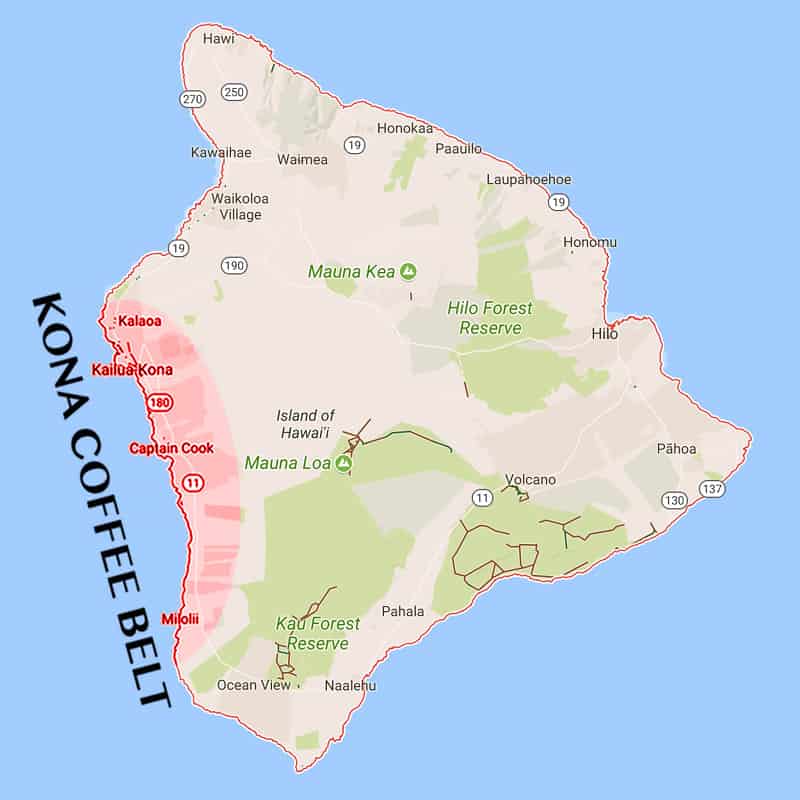
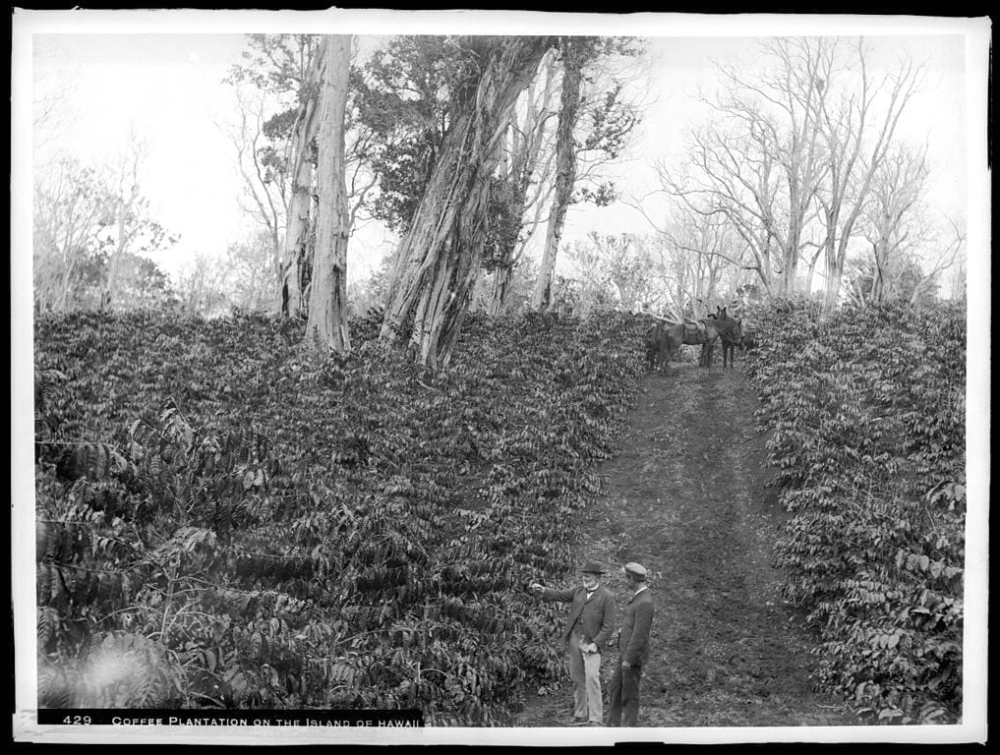
The Kona region of Hawaii produces a typical island-style coffee. Even though Hawaii is not a typical Arabica-growing region, it can still cultivate coffee with captivating flavor. The Big Island of Hawaii is not large, and coffee cultivation is mainly concentrated on the island’s west coast. There is an area called the "Kona Coffee Belt," about 30 miles long and about 2 to 3 miles wide, extending from the Makalei area to the Oceanview area, spanning North Kona, South Kona, and the Kona district.
Among many developed countries, the United States is the only one with a coffee-producing region, and Hawaii is the only part of the United States where Arabica coffee beans can be grown and produced. Like other coffee-producing regions in the Americas, this place originally had no coffee trees until someone introduced coffee.
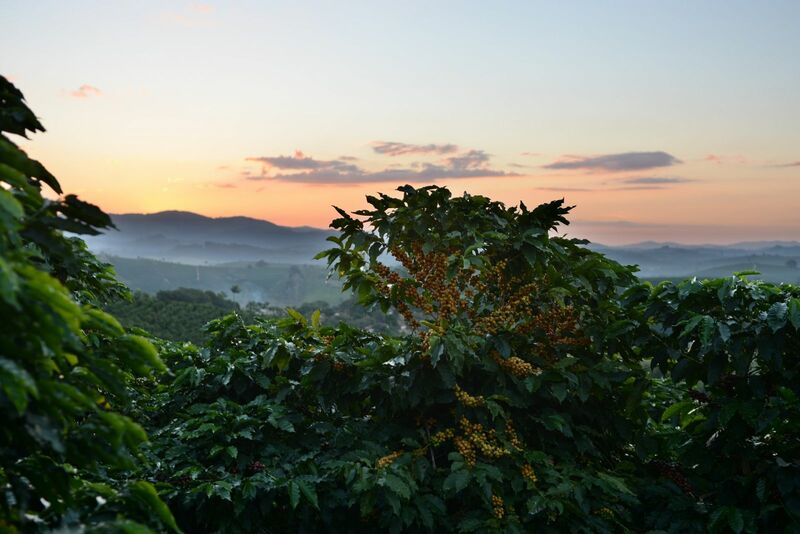
Hawaii’s coffee cultivation history can be traced back to 1817. A man named Don Francisco de Paula Marin hoped to be the first to try bringing coffee to Hawaii for cultivation, but this batch of coffee did not survive. It was not until 1825 that the governor of Oahu brought Brazilian coffee trees to Manoa Valley and planted them successfully, though they were not promoted on a large scale. It seems that all large-scale coffee cultivation is connected with missionaries. In 1828, American missionary Samuel Ruggles brought Brazilian Bourbon to the Big Island of Hawaii for cultivation. Afterward, more and more locals followed suit, and Kona coffee bean production rose year by year. Because of its superior quality, its price also increased year by year. By 1850, an outbreak of coffee berry pest disease occurred, and more farmers turned to growing sugarcane. In 1892, Herman Weidemann, a German judge in the Kingdom of Hawaii, introduced the local Typica variety from Guatemala and found that this variety had more stable yields than the varieties introduced from Brazil. As a result, the varieties of Kona coffee beans were gradually replaced by this Typica introduced from Guatemala.
After each coffee variety enters a new growing location, it changes accordingly over time, thereby becoming better adapted to the local terroir. The "Blue Mountain Typica" variety is a typical example. In the 1990s, in order to better promote the local coffee specialty, the local government named the local Typica variety "Kona Typica," making it more distinctive.
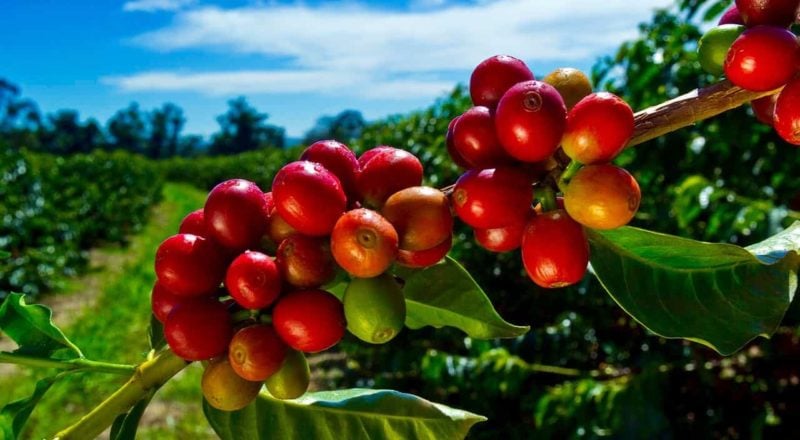
Every year from February to March is the season to go to Hawaii to admire coffee blossoms. At this time, the coffee plantations are filled with floral fragrance drifting on the wind, and the entire plantation is covered by snow-white coffee flowers, just like snow in winter. Locals call this beautiful scene "KONA Snow." After pollination, the flowers naturally fall off, and small green berries hang on the branches. In the following days they grow larger and larger, changing color from green to red, becoming true "coffee red cherries."
Hawaiian-grown Kona coffee beans are praised as "the most beautiful-looking coffee beans in the world." Kona coffee beans show a green hue, and the beans are plump and glossy, as perfect as jade. Buyers can obtain such beautiful Kona coffee beans thanks to a strict green bean grading system. In addition to extremely strict control, manual hand sorting and screening are also required, thereby presenting perfect-quality Kona coffee to the world.
Kona coffee green beans are divided into two types: one is peaberry, classified as Type 2; and most of the standard coffee bean types commonly found on the market are classified as Type 1. Among standard coffee beans, Kona coffee beans are further divided into five grades: Extra Fancy, Fancy, No.1, Select, and Prime. Among them, Extra Fancy is the highest grade. Kona coffee beans of this grade are about 19/64 inch in size, have fewer than 10 defective beans per pound of green beans, and have a green bean moisture content between 9% and 12%.
Hawaii is rich in water resources, and most local coffee cherries are processed using the washed method. After ripe coffee cherries are picked, the skin and pulp are removed immediately, and they are placed in a water tank to ferment for 12 to 48 hours. Then clean water is introduced and stirred to wash away the mucilage outside the parchment layer. After washing, the parchment beans are placed on large flat beds and naturally dried by sunlight. During washed processing, the coffee beans absorb more fruit acids such as citric acid and malic acid, giving the final product a wonderful acidity.
FrontStreet Coffee Hawaii Kona Coffee Beans
Region: Kona producing region, Hawaii
Estate: Queen Estate
Altitude: 1,100 meters
Variety: Typica
Processing method: Washed process
The processed coffee beans are shipped to coffee lovers around the world, and FrontStreet Coffee is one of them. When FrontStreet Coffee’s roaster received this Kona coffee green bean with a jade-like appearance, in order to highlight Kona coffee’s juicy acidity and sweetness, a medium roast level was used.
When brewing these Kona coffee beans, Front Street recommends using a Hario V60 dripper, 91°C water temperature, and a medium-fine grind.
Dripper: Hario V60
Water temperature: 91°C
Dose: 15 grams
Coffee-to-water ratio 1:15
Grind: 75% passing through China standard No. 20 sieve
First pour 30 grams of hot water to completely wet the coffee grounds and bloom for 30 seconds, then pour from the center with a small stream and slowly circle to 125 grams for the first stage. When the coffee bed is about to be exposed, continue pouring, slowly circling to 225 grams and then stop pouring. When the water in the dripper has completely dripped into the server below, remove the dripper. The total extraction time is about 2 minutes.
After Front Street’s careful roasting and brewing, the flavor of these Kona coffee beans truly impressed us. On the palate there is a faint osmanthus aroma, with a juicy feel like berries and mulberries, a walnut and nutty finish, and caramel sweetness, full of tropical island character.
For more coffee bean information, please follow Coffee Workshop (WeChat public account cafe_style)
For professional coffee knowledge exchange, please add WeChat ID kaixinguoguo0925
The above content is compiled by CoffeeHunters, a coffee news website.


