







Search Results for: Red Eye Coffee
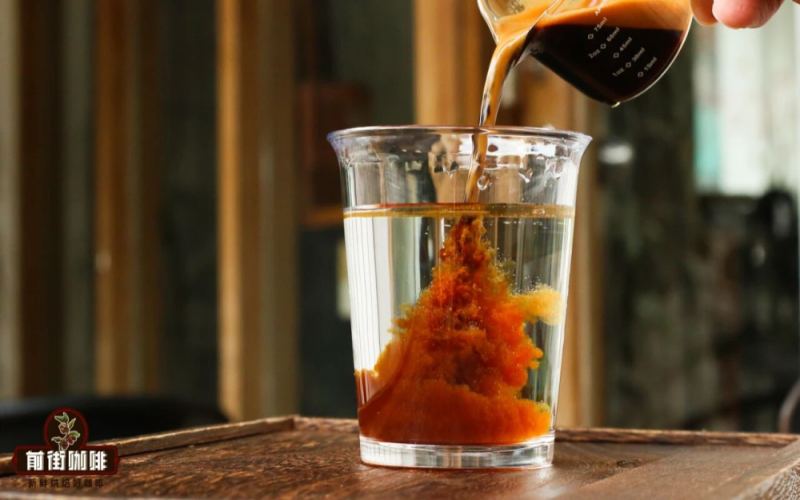
How Is Red Eye Coffee Different from Americano? The Origin of the Red Eye Flight Name and an Analysis of How to Make Black Eye Coffee
What exactly is a Red Eye Coffee? How does it differ from an Americano? And what is the connection between this name and red-eye flights? At Front Street, when a customer asked for an "espresso mixed with pour-over," we realized they were actually referring to Red Eye Coffee. This article will walk you through the origin story of Red Eye Coffee, how it's made, and its relationship with Black Eye Coffee and Dead Eye Coffee, as well as share Front Street's specific blending formula and extraction parameters. One thing to note: Red Eye Coffee was created for efficient caffeine delivery rather than flavor, so those sensitive to caffeine should proceed with caution. [more…]
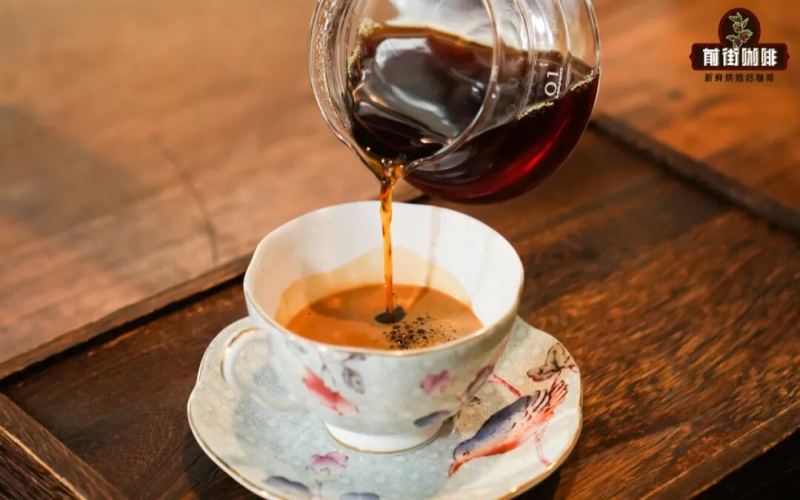
Coffee Brewing | What is Red Eye Coffee? What is the appropriate ratio of espresso to pour-over coffee? How do you make a delicious Red Eye Coffee?
“Espresso mixed with pour-over—how do you make it taste good?” Yes, you read that right! When Front Street Coffee heard this “staple with staple” question at the store before 5 p.m. yesterday, they were also taken aback, because such a question is truly unheard of. After some further investigation by Front Street Coffee, it was discovered that this customer friend had originally [more…]
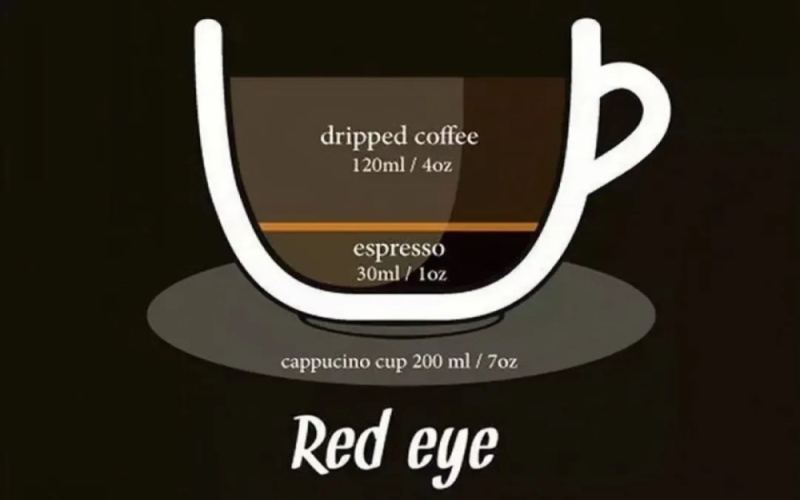
What Is Red Eye Coffee? An Analysis of the Black Eye Coffee Method Mixing Espresso and Pour-Over, and Its Differences from Americano
The name Red Eye Coffee comes from red-eye flights. It is said that cabin crew, in order to stay awake during long night flights, mixed espresso with drip coffee, and thus this extremely high-caffeine drink was born. Today, the way Red Eye Coffee is made has changed somewhat. Based on modern changes in espresso concentration, Front Street has optimized the ratio of espresso to pour-over to 1:5, and uses the medium-dark roasted Warm Sun blend and the Brazil Queen Estate for separate extraction to ensure harmonious flavor. This article will introduce in detail the origin of Red Eye Coffee, the specific preparation steps, the flavor performance, and its difference from Americano, while also reminding friends with sensitive stomachs or low caffeine tolerance to try it with caution. [more…]
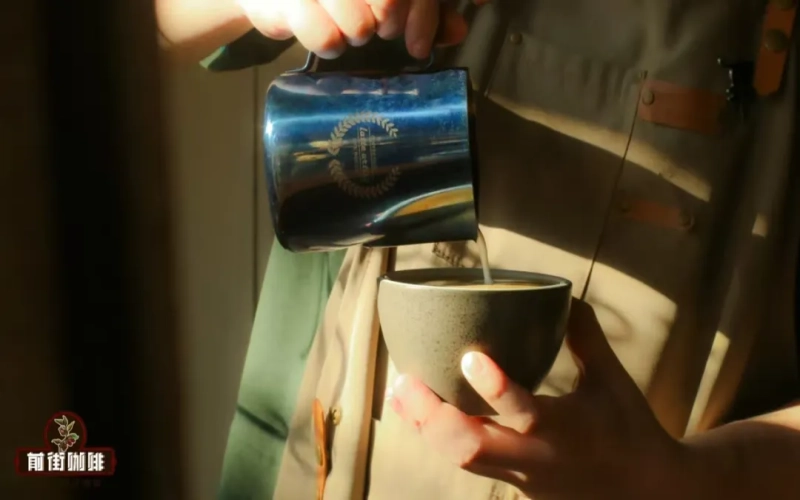
What members make up the espresso coffee family? A rundown of several obscure espresso milk coffees and red-eye coffees that are hard to find in cafés
There are many types of espresso drinks. Beyond the classic items we're all familiar with from everyday café menus, there are also quite a few "obscure" options that rarely appear on menus because they have a relatively limited audience. These coffees aren't bad in taste—it's just that their fame and popularity aren't high enough yet. In this article, Front Street will guide everyone through getting to know several obscure espresso drinks that you'll almost never encounter in cafés, including the Caffè Shakerato shaken in a cocktail shaker, and the rather hardcore-sounding Red Eye Coffee. Let's see how many of these you've tried. [more…]
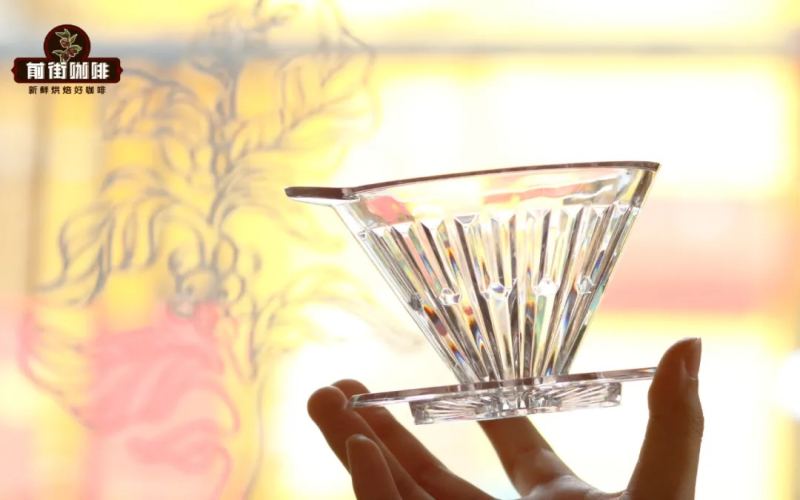
Coffee Beginner's Filter Cup Buying Guide: Ice Eye Filter Cup Structure Principles, Brewing Performance, and Comparison with V60
For those new to pour-over coffee, choosing the right dripper is often the first step in ensuring consistent results. This article provides a detailed analysis of the Ice Eye dripper, starting with the design of its exhaust groove structure, explaining its fundamental differences from the V60's spiral ribs, and presenting the differing flavor tendencies of the two drippers through practical comparisons under identical brewing parameters. The article also incorporates a brewing case using Front Street Yirgacheffe Gotiti Cooperative washed beans, offering dripper selection recommendations for coffee beans of different roast levels and processing methods, helping beginners make more suitable choices based on bean characteristics. [more…]
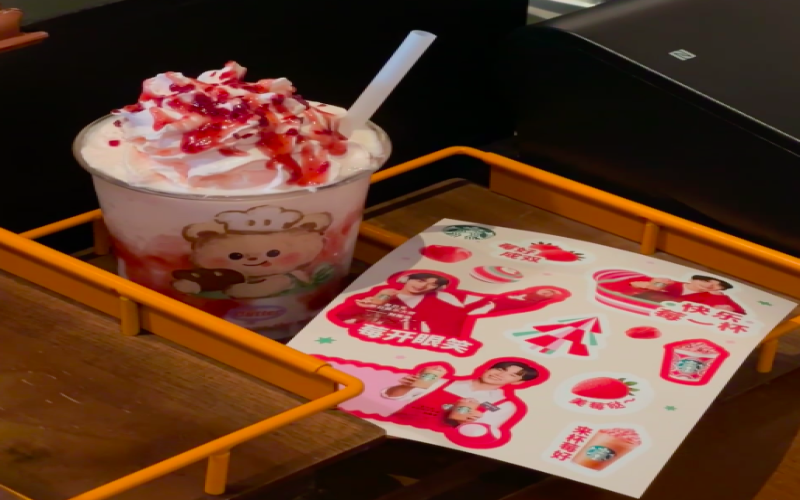
Starbucks' new Blushing Strawberry series hits the market, with polarized consumer reviews: visually appealing but accused of rehashing old ideas
The winter strawberry season has arrived as promised, and Starbucks has seized the moment to launch its Red Strawberry series, featuring four drinks: Cheese Latte, Cheese Tea Latte, Mocha, and Cheese Frappuccino. With pink whipped cream topped and red sugar crystals, the visual appeal is undeniably eye-catching, and buying any of them also gets you a limited-edition sticker designed by holiday ambassador Henry Lau. Yet the first wave of consumer feedback has been sharply divided: on one side is the enthusiasm for photo ops, and on the other, complaints about it being "cloyingly sweet" and having an "artificial flavor." Some longtime customers have even noticed that the series is highly similar in recipe to the Strawberry Coconut Frappuccino that was discontinued half a year ago, questioning whether the brand is just repackaging the same old thing. Starbucks' Christmas season marketing this year doesn't seem to have won the same acclaim as last year's Red Fuji series. [more…]

Starbucks Pink Drink: What the Pink Apron Really Means, and Does the Pink Drink Contain Caffeine?
Starbucks has recently officially launched the Pink Drink in the mainland China market, along with three new items: Pink Berry Lemonade Refresher, Dragon Drink, and Mango Dragonfruit Lemonade Refresher, priced between 34 and 40 yuan. To tie in with its summer beverage promotion, Starbucks baristas have put on limited-edition rose-red aprons, a bold and eye-catching choice that netizens have jokingly dubbed the "dopamine apron." At the same time, the brand has changed the mermaid logo on its takeaway cold cups to the silver-white version used in North America, making the look more in keeping with the pink tones of the Pink Drink. This article will explain the ranking significance behind the pink apron and answer the consumer question of whether the Pink Drink contains caffeine, while also retaining relevant recommendations from Front Street Coffee. [more…]
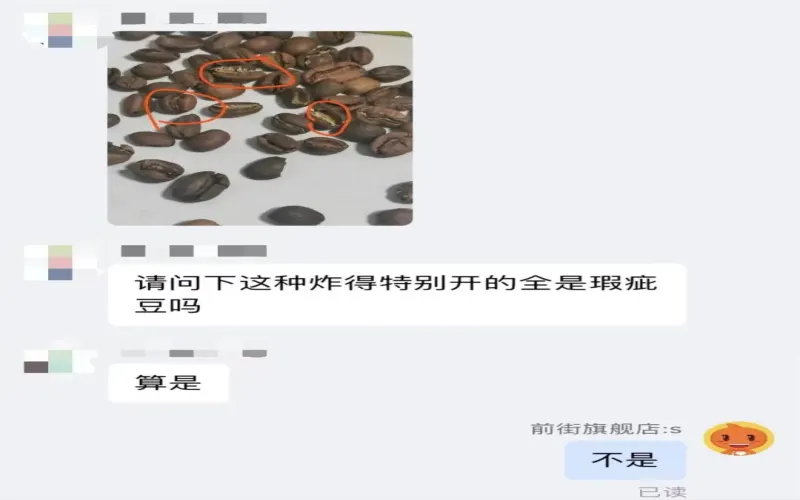
A Detailed Explanation of Green Coffee Defect Classification Standards: Which Beans Need to Be Removed and Which Are Just Visual Misunderstandings
Many coffee enthusiasts, when first encountering coffee beans, often misjudge defective beans based on unusual appearance. In reality, true defective beans are mainly concentrated at the green bean stage, and most have already been screened out at the producing region and roasting stages. Among the beans consumers buy day to day, those covered in wrinkles, with cracks, or on the lighter side in color are often not defects, but normal phenomena brought about by light roasting, high-altitude cultivation, or specific processing methods. This article systematically sorts out the classification standards for green coffee bean defects, distinguishes true defective beans from appearance traits that are easily misunderstood, and introduces Front Street Coffee's practice of double screening before and after roasting, helping readers build a more accurate basis for judging quality. [more…]
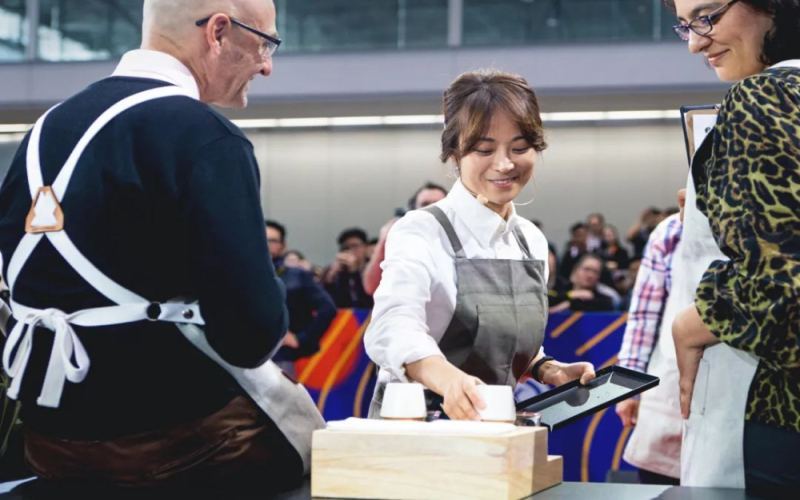
Ecuador Clara Estate Washed Sidra Coffee Beans: Flavor Profile and Full Analysis of the Bourbon Sidra Variety
At the 2019 World Barista Championship, South Korean competitor Jeon Joo-yeon won the championship with a Sidra coffee bean from Ecuador, beating many Geisha varieties and bringing the Sidra variety into the public eye. In 2022, Anthony Douglas won again with Sidra, which further sparked the industry's curiosity about it. After investigation, Front Street Coffee found that Sidra is a variety developed by an Ecuadorian coffee research center in the 1990s by crossing Typica with local Red Bourbon, and due to its outstanding flavor, small-scale commercial cultivation gradually began. The Sidra Jeon Joo-yeon used that year came from Hacienda La Clara—a specialty coffee estate located on the Loja plateau and established in 2014. This article will introduce the varietal origins of Sidra, the terroir conditions of Hacienda La Clara, as well as the flavor performance of this washed Sidra and Front Street Coffee's brewing suggestions. [more…]
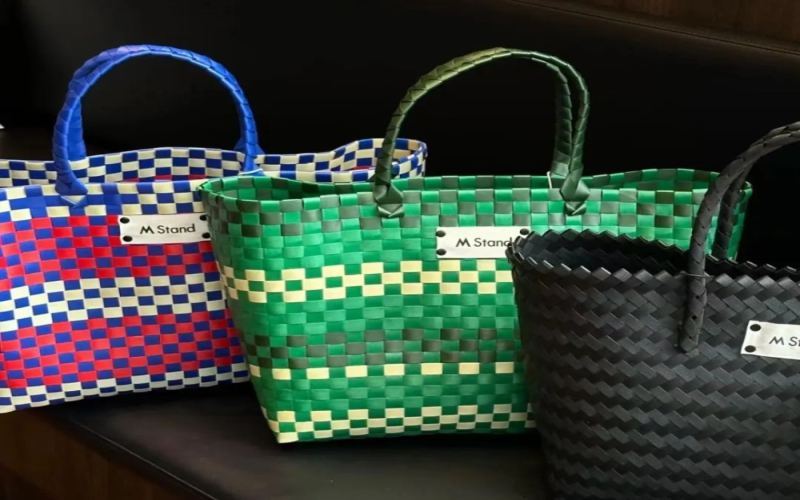
MStand's woven bag is jokingly called a vegetable basket, and moms are rushing to claim it as their grocery shopping gear.
The chain coffee brand MStand recently launched a new product, Blackberry Sparkling Americano, and simultaneously released three woven bags for everyday outings, in pure black, green-white, and red-blue colorways, which quickly sparked a buying frenzy among fans. However, this merch, with its surprisingly large capacity and stylish looks, went viral online because its appearance closely resembles the grocery baskets commonly used by elders, and many moms have directly commandeered it as everyday shopping gear. This article walks you through how this merch campaign works, real feedback from netizens, and the material issues to consider before buying. [more…]

How Anaerobic Fermentation Reshapes the Coffee Flavor Landscape: From WBC Championship to Santa Viny 96-Hour Natural
In recent years, the coffee consumer market has continued to expand, and various novel green bean processing methods have emerged one after another. The industry habitually refers to them collectively as special processing methods. These techniques give coffee a more diverse and distinctly individual flavor expression, and also bring richer layers of mouthfeel, thus winning the favor of a large number of enthusiasts. At present, the more mainstream special processing methods include anaerobic washed or natural, enzyme washed, lactic acid fermentation, and barrel-aged processing, among others. Among them, anaerobic fermentation has especially high exposure. This trend can be traced back to 2015, when the WBC World Barista Championship winner that year, Sasa Sestic from Australia, brought anaerobic fermentation processing into the public eye, and discussions around the fermented feel of coffee have not ceased to this day. This article will sort out the development of anaerobic processing, analyze the specific process of anaerobic natural, and introduce anaerobic-processed coffee beans such as Santa Vini currently sold by Front Street. [more…]
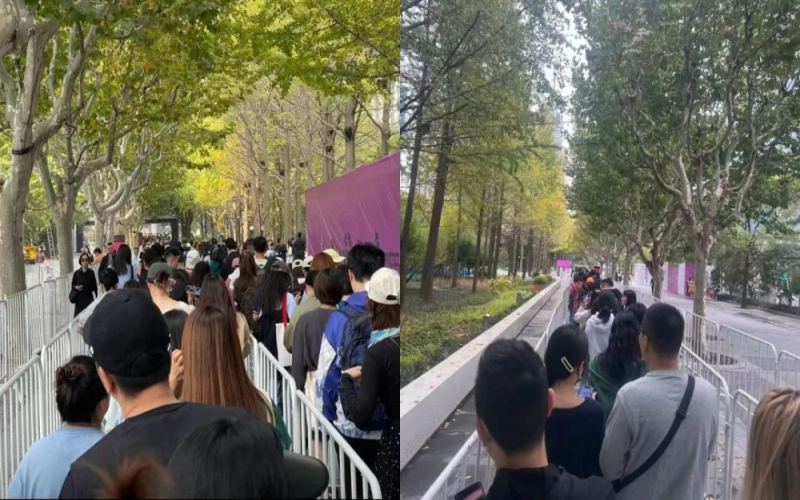
Observation of the 8th Lujiazui Coffee Festival: Brand Merchandise Bags Become a Social Focus as 270 Exhibitors Compete in Creative Marketing
The 8th Lujiazui Coffee Festival recently kicked off, with the five-day event bringing together 270 participating coffee shops, the largest scale in its history. In addition to more than a dozen overseas specialty coffee brands from Australia, Japan, Thailand, Singapore, South Korea and other places, the creative competition among exhibitors over peripheral giveaways is equally eye-catching. From oversized canvas tote bags to red and yellow plastic bags that replicate the style of wholesale markets, brands are using uniquely designed shopping bags to attract attention and generate buzz. As coffee itself becomes increasingly homogenized, these peripheral products, which are both practical and highly shareable, are becoming a "hard currency" more sought after than coffee at the festival. [more…]

Analysis of Coffee Flavors from Carbonic Maceration: The Wine-Making Process and Operational Flow of CM Processing
Carbonic maceration processing, also known as the CM process, falls under the category of anaerobic processing. In 2015, Sasa won the World Barista Championship with this type of coffee bean, bringing this innovative technique into the public eye. The method was inspired by red wine making, achieving fermentation by injecting carbon dioxide into a sealed stainless steel tank. The CM process has two versions, natural and washed, differing in the material fermented inside the tank. This article provides a detailed analysis of its flavor characteristics, processing flow, and key control parameters, along with related product recommendations from Front Street Coffee. [more…]
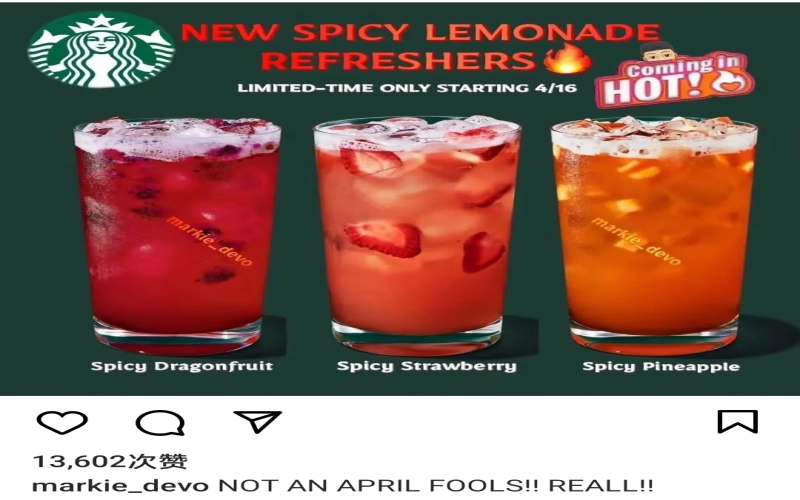
Starbucks Summer Spicy Refreshers Series Revealed: Chili Powder in the Drink, Launching Nationwide for a Limited Time on April 16
Just after the Qingming holiday, as temperatures rise, Starbucks' summer menu update is quietly approaching. Recently, an Instagram user leaked Starbucks' upcoming "Spicy Lemonade Refresher Series," which features chili powder and comes in three flavors—dragon fruit, strawberry, and pineapple—with an optional spicy cold foam, and is planned to be available for a limited time at stores across the United States starting April 16. This is not Starbucks' first attempt at spicy drinks; as early as 2015, its stores in China launched a Spicy Chili Mocha. From Dongpo Braised Pork Latte to Wasabi Pistachio Latte, Starbucks has been continuously testing the waters on the path of "dark cuisine." This article will take you through the specific details of this new spicy product, its preparation process, and the history of past spicy coffees. [more…]
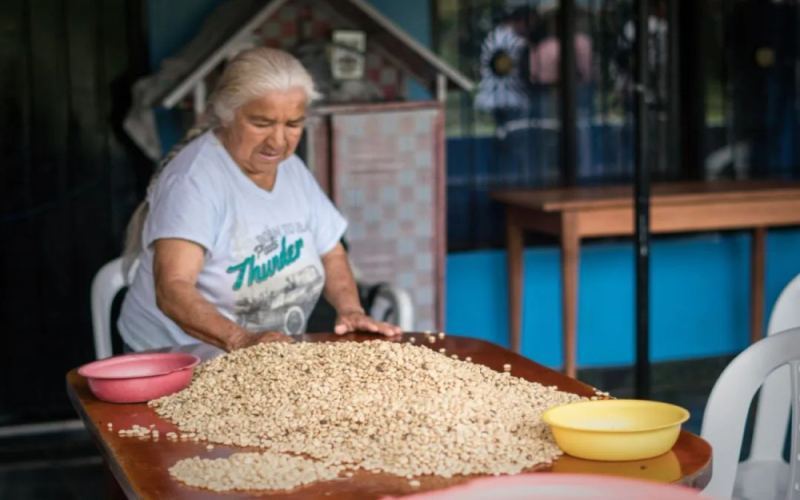
Do defective beans really change coffee flavor? From grading to roasting, we teach you to accurately identify various coffee bean defects.
Defective beans are generally considered in the specialty coffee world to affect the flavor performance of a cup of coffee. If you have the habit of buying coffee beans and brewing at home, do you need to specifically pick out defective beans before brewing? In fact, green coffee beans undergo grading after processing, and most grading systems include a defect rate indicator. The number of defects in high-grade coffee beans has already been pressed to a very low level. From green bean grading, removal before roasting, to screening after roasting, with layer upon layer of checks, there is basically no need to worry about defective bean issues when buying roasted single-origin coffee beans. However, some coffee beans that look like defects are actually normal phenomena. Front Street Coffee has summarized several common types of situations that are easily misjudged, to help everyone distinguish them accurately. [more…]
Guji Hambela Buku Able Washed G1: A Complete Guide to Flavor and Brewing
In Ethiopia's specialty coffee landscape, the Guji Hambela region shot to fame with the sun-dried lot that won the 2017 TOH competition, bringing the Floralke series into the public eye. In this article, Front Street Coffee will systematically sort out the terroir differences between the Sidamo and Guji regions, the sun-drying process at the Buku Able processing station, and the evolution of Floralke from 1.0 to 5.0, fully presenting the green bean characteristics, roasting records, cupping performance, and V60 brewing recipe of Floralke 5.0 coffee beans, helping coffee enthusiasts understand why this bean can combine a strawberry-cream-like sweetness with the full body of blackcurrant juice. [more…]
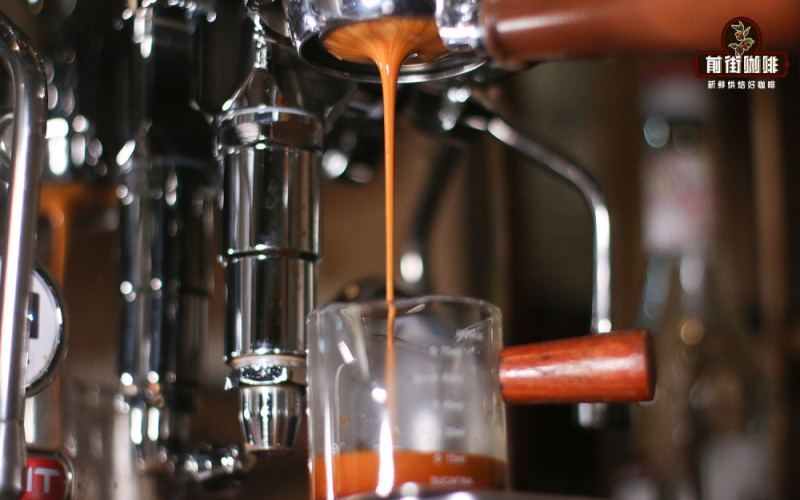
A Comprehensive Analysis of SOE Espresso: Characteristics of Single-Origin Espresso Beans and How They Differ from Blends
With the rise of the specialty coffee movement, the concept of SOE has gradually entered the public eye. It refers to single-origin espresso, which, through the high-pressure extraction of an espresso machine, can amplify and showcase the flavors of its origin, but at the same time also faces the risk of flavor imbalance. This article will explain SOE from aspects including its definition, its differences from blend beans, bean selection approaches, roasting key points, and extraction adjustments, and will provide specific recommendations based on several Front Street Coffee products, helping coffee enthusiasts fully understand the characteristics and preparation essentials of SOE. [more…]
Instant Black Coffee Buying Guide: Flavor Review and Processing Analysis of Mainstream Freeze-Dried Coffee Brands
For many office workers, a daily cup of coffee has become a necessity, but buying it out over the long term adds up, making home brewing a money-saving solution. There are countless types of instant coffee—what exactly is the difference between freeze-drying and spray-drying, and how do their flavor profiles differ? This article first traces the history of instant coffee from its invention in 1901 to Nestlé's mass production, then analyzes how spray-drying and freeze-drying affect flavor, and finally presents Front Street Coffee's hands-on comparison of multiple instant coffee products from five brands—Tim Hortons, Yongpu, Eagle Eye, Saturnbird, and Coffee Box—to help you find the one that suits your taste. [more…]
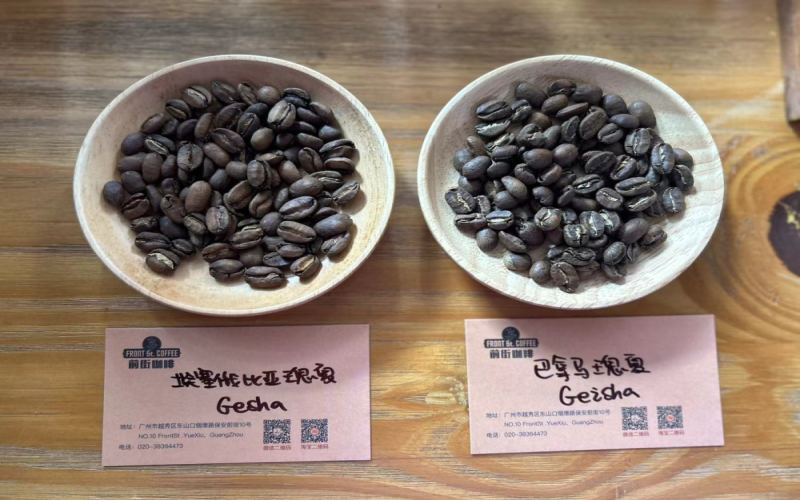
Geisha or艺妓? A Complete Flavor Analysis of Colombian Specialty Coffee Sun-Dried and Washed Beans
In recent years, Geisha coffee beans have gradually entered the public eye, and more and more coffee enthusiasts have begun to look up information about them. During their searches, many people have discovered that Geisha also has a Chinese nickname—"Geisha coffee beans." Where exactly did these two names come from? Do they refer to the same variety, Gesha? This article will trace the naming origins of Geisha, the history of the variety's spread, and how it rose to fame at Hacienda La Esmeralda in Panama. At the same time, we will also introduce the flavor differences between Geisha/Geisha beans under natural and washed processing methods, and recommend representative products such as Front Street Coffee Emerald Red Label, Green Label, and Hacienda La Esmeralda Geisha, to help you find the cup that best suits your taste. [more…]
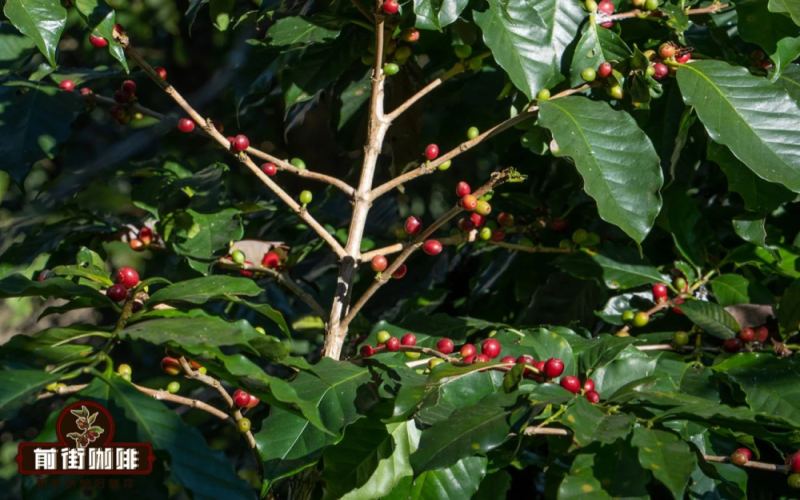
In-Depth Look at Yunnan's Coffee Regions: The Advantages, History, and Variety Evolution of Arabica Cultivation in China
Front Street Coffee has found that many people new to specialty coffee often start with Ethiopia's Yirgacheffe or Sidamo, and when it comes to Asian beans, their first thought is Indonesia's Mandheling. However, in recent years, with the rise of the local consumption wave, Yunnan coffee has gradually entered the public eye. Some people are skeptical about the quality of domestic products, but in fact Yunnan beans are already capable of rivaling mainstream producing regions. This article will systematically introduce the distribution pattern of China's coffee producing regions, the natural conditions for growing Arabica in Yunnan, the historical origins of the first coffee tree, and the lineage of variety transitions from Typica to Catimor, helping readers gain a comprehensive understanding of Yunnan coffee's past and present. [more…]