








Which Green Coffee Bean Defects Actually Matter?
True defective beans show up mainly at the green coffee bean stage, and most are removed at origin or during roasting. Insect-damaged, moldy, and underdeveloped quaker beans are the real problems. Wrinkled, cracked, or lighter-colored roasted beans are usually normal results of light roasting, high-altitude growth, or specific processing methods.
Many countries use defect rate as a core indicator in their coffee grading system, so exporters screen green lots to earn a higher grade and price. Roasters then buy high-grade green coffee and sort again. Front Street Coffee screens both before and after roasting, which is why consumers rarely encounter true defects in the bag.
Many coffee enthusiasts often misjudge defective beans when they first encounter coffee beans due to their unusual appearance. In reality, true defective beans are mainly found at the green bean stage, and most have already been screened out at the origin and during roasting. Among the beans consumers buy daily, those covered in wrinkles, with cracks, or with a lighter color are often not defects, but normal phenomena caused by light roasting, high-altitude cultivation, or specific processing methods. This article systematically sorts out the classification standards for green coffee bean defects, distinguishes true defective beans from appearance features that are easily misunderstood, and introduces Front Street Coffee's practice of double screening before and after roasting, helping readers establish a more accurate basis for judging quality.
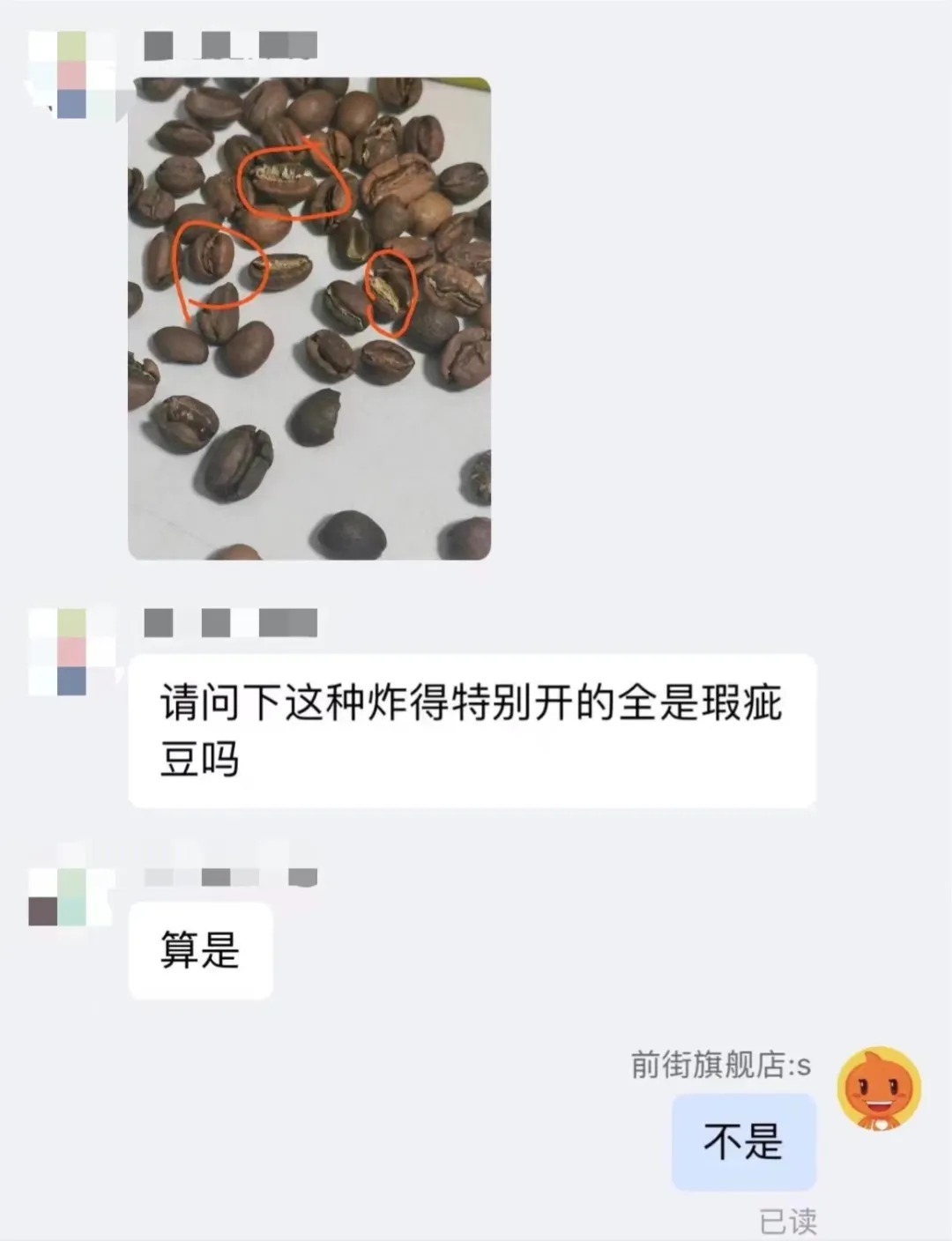
The reason many friends frequently develop misunderstandings is that the definition of defective beans itself is not clear enough. For example, some people assume that roasted coffee beans should be like industrial products on an assembly line, each one round, plump, and smooth on the surface. Of course, the more direct reason is that people usually have no chance to see defective beans with their own eyes. With today's abundant online information, it is easy to find all kinds of materials about defective beans, such as insect-damaged beans bitten by bugs, moldy beans with mold on the surface, underdeveloped quaker beans, and so on. Although these materials usually come with pictures, most people can only remember a few names and simple definitions because they lack physical reference.
In fact, defective beans mainly appear at the green bean stage, and ordinary consumers rarely have the chance to encounter them. One reason is that most coffee origins screen for defects when exporting green beans, because the coffee grading systems of many countries use defect rate as a core indicator. The lower the defect rate, the higher the grade, and naturally the more expensive the price. In order to sell at a better price, green bean traders consciously remove defective beans. And roasters, in order to ensure stable quality and reduce the workload of subsequent bean sorting, also prioritize purchasing high-grade green beans. Therefore, by the time green beans reach the roaster, they have actually already gone through one round of screening, and the proportion of defects is already very low.
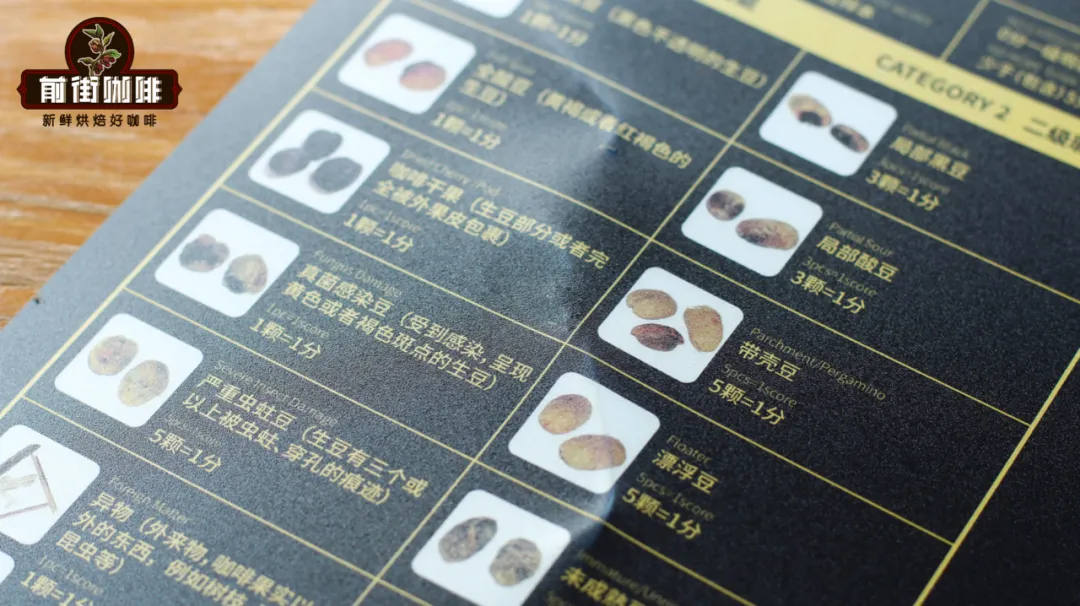
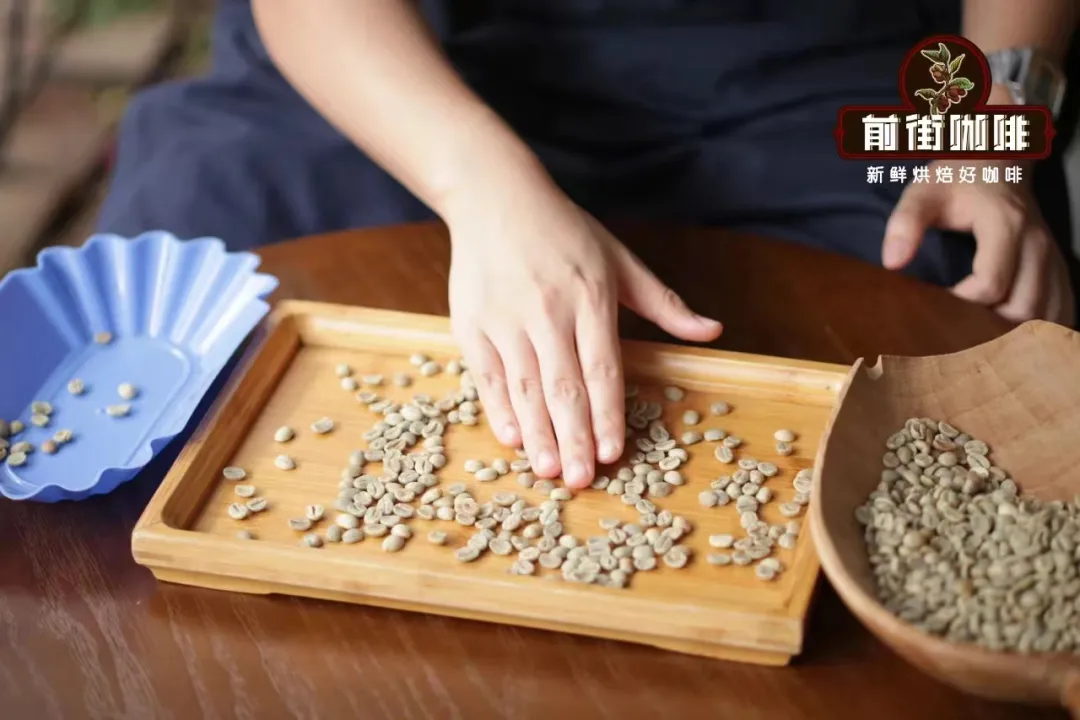
Even if only a small amount remains, the vast majority of defective beans can still cause obvious damage to the flavor of the entire cup, and no roaster would risk their reputation just to save effort. So before formal roasting, most roasters screen the green beans once more, picking out defective beans to ensure the finished product reaches the quality level it should.
However, there are always some defects that are difficult to spot before roasting, such as white-eye beans, as well as defects that only appear during roasting. In response to this situation, Front Street Coffee's approach is to conduct a second manual screening after the coffee beans are roasted, removing these beans that affect the experience, and then weighing, packaging, and delivering them to buyers. After such a complete process, the probability that consumers will encounter major defective beans recognized by the industry is extremely low.
But we should also be clear that a bag of beans does not completely eliminate defective beans; it is just that for most merchants, those defective beans that would seriously ruin the taste almost never appear. What is more common are broken beans caused by knocks during transportation. They are merely not intact and will not affect the overall flavor of the coffee (these are the beans with irregular cracks). Next, Front Street Coffee will list several kinds of beans that are easily mistaken for defects but are actually normal.
1. Beans with wrinkled surfaces and obvious black spots or streaks
This type of bean is most often misjudged as defective because its surface is densely wrinkled and accompanied by obvious black spots or streaks, very different from the smooth, round coffee beans in classic pictures, so it is often treated as insect-damaged or moldy.
But in fact, this type of bean is not only not defective, it may even have quite excellent flavor performance. There are two main reasons for this appearance: first, light roasting (the most important reason), and second, the beans being grown at a higher altitude. During roasting, after the moisture in the coffee beans evaporates, the bean body shrinks, and wrinkles and streaks form on the surface. As roasting time extends, the bean body begins to expand, these wrinkles gradually stretch out, and the bean surface also tends to become smooth. However, in many cases, in order to better present the bean's own flavor, we need to remove the beans from the roaster and stop roasting before they have undergone too many reactions. These wrinkles have not yet had time to unfold before the beans come out, so they remain on the bean surface, creating this not-so-attractive appearance.
2. Coffee beans with large-area cracks
Some beans have other cracks besides the crack in the middle, and this type of bean is also often mistaken for defective. But in fact, they are likewise normal beans.
During roasting, the moisture inside the bean is heated and turns into steam. At first, this steam is locked inside the bean body by the sturdy bean surface and cannot escape. As the steam continues to accumulate, the bean body gradually cannot withstand the pressure, and then with a "bang," the steam bursts out from the ruptured bean body. Accompanied by a loud sound, it announces that the bean has completed roasting. This is what we commonly call "first crack." Some denser beans, because their texture is too hard, accumulate more steam and burst with greater force, giving themselves a rather extreme shape. But in reality, it is still just an unattractive appearance, and in taste it is no different from other beans.
3. White-eye beans?
As Front Street Coffee mentioned earlier, among coffee defective beans there is one called "white-eye bean." The cause is that coffee farmers harvest the fruit before it is ripe, resulting in green beans containing less sugar and other substances, and after roasting they have almost no flavor.
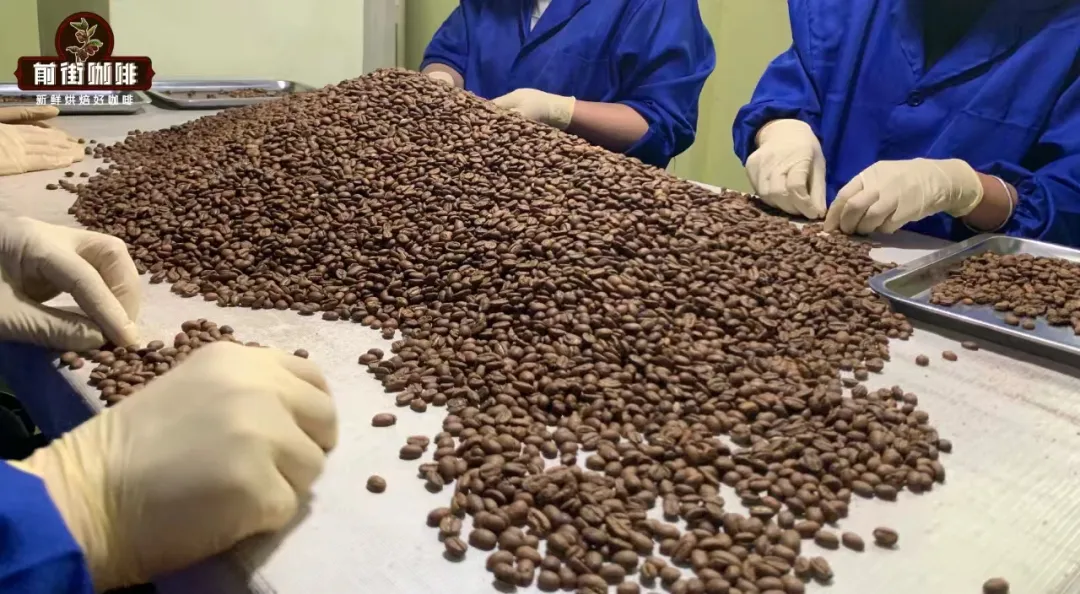
Because white-eye beans are not very different from other beans at the green bean stage, they easily mix into the same batch and are roasted together. In the end, due to insufficient sugar and substances and not enough reaction, their color when coming out is noticeably lighter, creating a large contrast with other beans. Precisely because the difference is so obvious, workers can identify white-eye beans at a glance after roasting. In addition, since the mainstream harvesting method today is manual picking of fully red cherries, the occurrence of large numbers of white-eye beans is already rare, so overall, it is very difficult to see white-eye beans in the beans consumers buy.
But even so, many friends still come to Front Street Coffee with photos of suspected white-eye beans, because compared with other beans in the same bag, their color is indeed lighter.
After summarizing the beans purchased by these friends, Front Street Coffee found that these beans suspected of containing large numbers of "white-eye beans" all came from anaerobic or honey-processed batches. The answer is then very clear. When beans use these processing methods, a large amount of sugar attaches to the bean surface, and the amount of sugar attached to each bean varies, causing the final roasting under caramelization reactions to make beans with more surface sugar darker and beans with less sugar lighter. Thus the same roast produced two colors, one darker and one lighter, which led to the misunderstanding by friends.
In summary, some beans simply look unusual, but in fact they are really not defective beans.
- END -
The above content is compiled by CoffeeHunters, a coffee news website.


