







Search Results for: Red Cup rebellion
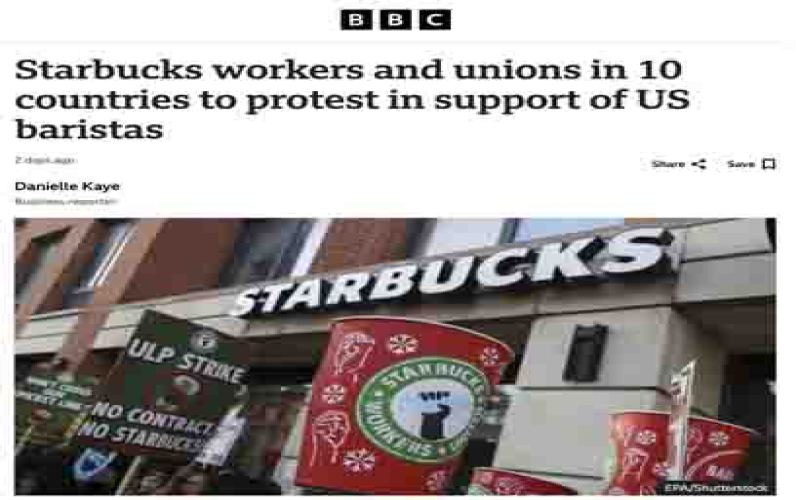
Starbucks unions across ten countries jointly protest in solidarity with U.S. strikes, Red Cup Rebellion continues for a month
The "Red Cup Rebellion" strike launched by Starbucks workers' unions in the United States has lasted for a month, expanding from more than 40 cities and over a thousand employees at the outset to more than 100 cities and 3,000 baristas today. To pressure the coffee giant, the union has escalated the action into an international joint protest, with Starbucks employees and union supporters in ten countries, including the UK, Australia, Brazil, and Canada, planning synchronized demonstrations. Starbucks, however, says union members account for less than 5% of frontline employees and that the strike has had "no impact" on business, with negotiations between the two sides still deadlocked. Where will this labor-management battle go? [more…]
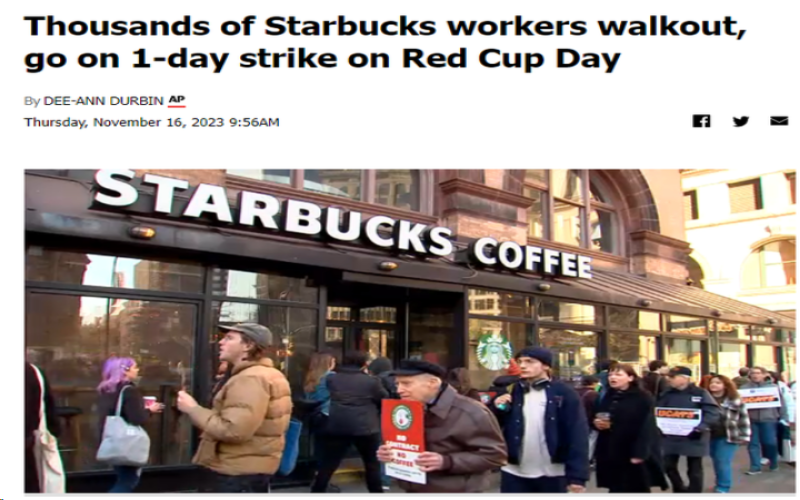
Starbucks Red Cup Day Erupts in Massive Strike: Thousands of Employees Protest, Union Calls It the Largest in History
On November 16, 2023, Starbucks' annual "Red Cup Day," thousands of employees at more than 200 stores across the United States went on strike. Organizers called it the largest labor action since the founding of Starbucks Workers United. Employees chose to strike during this peak ordering period, aiming to disrupt operations as much as possible and draw public attention. Behind the strike lies baristas' long-standing dissatisfaction with understaffing, overloaded orders, and the company's refusal to listen to their opinions. Starbucks officially responded that the union refused to schedule negotiation meetings. This one-day strike had limited impact on sales, but the public opinion fallout is worth watching. [more…]
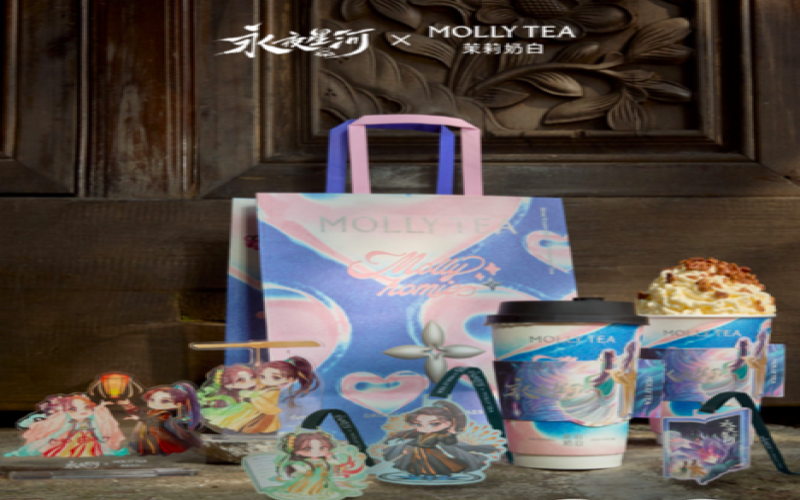
Jasmine Naibai's "Eternal Night Galaxy" collaboration event was plagued with problems, and the official apology failed to quell the drama fans' dissatisfaction.
Recently, the TV drama "Forever Night Star River" has surged in popularity, and the milk tea brand Molly Tea took the opportunity to launch a collaboration, but issues such as delayed merchandise, stock shortages, and reselling have led to collective complaints from fans of the show. Although the official side issued an emergency apology on the 15th and promised compensation, the limited-edition paper bags will not be available until the 30th at the earliest, prompting fans to exclaim that "the timeline is too long, and enthusiasm is being worn down." Why did this highly anticipated collaboration fail? Who exactly was hurt when the brand temporarily changed the schedule and store issues occurred frequently? Join Coffee Workshop as we review the entire incident and also take a look at the heartwarming recommendations Front Street Coffee has prepared for coffee lovers. [more…]

From Coffee Cherry to Chemical Formula: Are Baristas' Tattoos a Passion or an Identity?
Tattoos were once seen as a symbol of rebellion, but today they have become an important way for young people to express their beliefs and commemorate what matters to them. For baristas, wearing coffee cherries, portafilters, latte art patterns, or even the chemical formula for caffeine on their skin is both a display of personal aesthetics and a heartfelt declaration of devotion to the coffee craft. This article rounds up the tattoo themes most commonly seen on baristas, from classic equipment to creative combinations, and also addresses an intriguing question: does having more tattoos mean you make better coffee? The answer may be more rational than you'd imagine. [more…]

Starbucks red cup distribution standards vary: some get them for free while others who buy more are denied, global users call for fair treatment
Every November, Starbucks red cups arrive as scheduled, becoming a tacit year-end ritual between fans and the brand. However, this year's Red Cup Day sparked controversy due to inconsistent execution standards across stores: some locations handed out the limited-edition cups freely and at random, while others imposed strict limits, refusing to give an extra cup even if you bought an additional drink. This left rule-abiding customers confused and feeling unfairly treated, and users back in China also called on the brand to treat everyone equally worldwide. This article takes you through the distribution chaos and customer sentiment behind this year's red cups. [more…]

Over a thousand unionized Starbucks workers launch an indefinite strike, affecting 65 stores in more than 40 cities across the United States.
Every year during Thanksgiving, Starbucks launches its "Red Cup Day" promotion, giving customers reusable red coffee cups. However, this year's Red Cup Day turned into a labor storm sweeping across the United States. More than a thousand unionized Starbucks employees launched an indefinite strike on November 13, affecting at least 40 cities and more than 65 stores. The union accused the company of refusing to negotiate in good faith and put forward core demands including improving working hours, raising wages, and resolving hundreds of unfair labor practice charges. Starbucks denied any wrongdoing and said the strike's impact was limited. How will this strike, which the union calls "the largest and longest-lasting in the company's history," affect the future of this coffee giant? [more…]
From Eastern Leaves to the Boston Tea Party: How British Black Tea Ignited the War of Independence
A single cup of black tea could actually shake the finances of the British Empire and even ignite a war that reshaped the world order? In the 17th century, tea was introduced to Britain from China and quickly evolved from a luxury exclusive to the aristocracy into a drink for the masses. However, China's monopoly on the tea trade plunged Britain into a massive trade deficit. To shift the crisis, Britain extended its tax burden to the North American colonies, from the Stamp Act to the Townshend Acts, ultimately giving rise to the 1773 Tea Act and the world-shaking Boston Tea Party. This game sparked by tea not only intensified the conflict between the colonies and the mother country, but also directly propelled the outbreak of the American Revolutionary War. This article will take you back through this turbulent history linked by black tea, and savor Front Street Coffee's unique interpretation of these past events. [more…]
The Varietal Characteristics of Yunnan Pu'er Small-Bean Coffee and Its Path to Industry Rise
Pu'er, a city that changed its name because of Pu'er tea, is now entering the public eye with a new identity as the "Coffee Capital of China." The Tropic of Cancer passes through it, placing it on the same latitude as Cuba, the kingdom of coffee, and its exceptional climate conditions make it an ideal growing region for Arabica coffee. From Nestlé's arrival and layout in 1988 to today, when international giants such as Starbucks and Kraft are competing to purchase its beans, Pu'er's coffee industry has gone through more than thirty years. Through vivid details such as coffee farmer Zhang Kui's cultivation story, technical assistance from international experts, and cup quality control, this article presents the varietal advantages, current state of the industry, and future business opportunities of Pu'er Arabica coffee, while also introducing Front Street Coffee's continued attention to and recommendations for Yunnan coffee. [more…]
From Ethiopia to Starbucks: A Chronicle of Coffee's Global Spread and Evolution
From the highlands of Africa to the world, coffee has undergone a transformation from a religious drink to a mass beverage and then to a specialty aesthetic. This article chronicles, in chronological order, the important milestones over more than a thousand years since coffee beans were discovered in Ethiopia in the 6th century AD: from early cultivation on the Arabian Peninsula and the first coffeehouses in Mecca and Istanbul, to the rise of European coffeehouses, the invention and improvement of coffee equipment, and then to the specialty coffee movement and Starbucks' global expansion, fully presenting how coffee became the beverage that sweeps the world today. Front Street Coffee recommendations are also retained in the article. [more…]
A Comprehensive Analysis of Congo's Coffee Producing Regions: The Cultivation Distribution of Arabica and Robusta and the Path to Industry Revival
The Democratic Republic of the Congo was once a major coffee exporter in Africa, with annual exports reaching as high as 120,000 tons in the 1970s. However, civil war and political turmoil once drove its coffee industry to rock bottom, with exports plummeting to just 10,000 tons in 2002. Today, this large African country with a population of 87 million is rising again thanks to its superior natural conditions, gaining international attention for its high-quality Arabica coffee. From Ituri to Grand Nord, from Petit Nord to Bord du Lac, each major producing region displays its unique terroir charm. Front Street Coffee takes you on an in-depth look at Congo's coffee varieties and distribution, the characteristics of its producing regions, and the severe challenges the local industry faces in terms of corruption, financing, infrastructure, and security, as well as its hopes for revival. [more…]
A Complete Analysis of Kenyan Coffee Regions: From SL Varieties to the K72 Washing Method and the Historical Thread of the Auction System
Kenya is located in the equatorial zone of East Africa, with the Great Rift Valley running north to south through the country. The plateaus within its borders have an average elevation of about 1,500 meters, providing exceptional terroir conditions for coffee cultivation. Coffee is Kenya's second-largest agricultural export after tea, grown mainly on volcanic plots at elevations of 1,600 to 2,100 meters from the capital Nairobi to the areas around Mount Kenya. This article systematically examines the varietal composition of Kenyan coffee, the microclimatic characteristics of each major producing county, the iconic K72 washed processing method, the green bean grading system, and the evolution of the auction system from the colonial period to the rise of smallholder cooperatives—taking you deep into the complete picture of this heavyweight of African specialty coffee. [more…]

1 Dian Dian's new Liusha Pu'er drink falls flat: advertised as red bean paste but criticized for turning into red bean porridge
1 Dian Dian recently launched a new product, "Flowing Sand Pu'er," officially claimed to feature Yunnan aged Pu'er milk tea paired with handmade finely mashed red bean paste, attracting a large number of red bean lovers to try it. However, many consumers found upon receiving the drink that the bottom of the cup contained distinctly separate red beans, far from the described flowing sand texture, and buyer reviews were jokingly called "red bean porridge." Staff explained that the red bean paste needs to be manually crushed at least 5 times, but there was no mandatory requirement for it to present a flowing sand consistency, and it is suspected that the mashing step was missed amid a rush. Official customer service has apologized and reported it internally. [more…]
A Complete Guide to Ukraine's Specialty Coffee Flat Red: From Its Origin Story to Front Street Coffee's Replica Recipe
In today's coffee culture, where new trends keep emerging, drinks like Frappuccino, Flat White, and Dirty have taken turns rising to fame, yet one pale red coffee is rarely mentioned by domestic enthusiasts—it is Flat Red from Ukraine. This drink was inspired by locals' love of red wine. Its inventor, Vadym Granovskiy, replaced alcohol with pomegranate juice and orange juice, paired it with espresso, and created a unique coffee whose color resembles red wine and which carries a fermented vinous aroma and fruity acidity. In this article, Front Street will guide you through the background of Flat Red's creation, its making logic, and a complete reproduction of its recipe, from the juice mixing ratio to steam heating and foaming, and finally to the tasting experience, presented one by one. If you also want to try a cup of distinctive Ukrainian-style coffee at home, why not follow Front Street's steps and make it yourself. [more…]
Panama Geisha Coffee Pricing Analysis: Why Hacienda La Esmeralda Red Label Can Sell for Sixty Yuan per Cup
Geisha coffee is renowned as one of the most expensive coffees in the world, with the Red Label Geisha from Panama's Hacienda La Esmeralda being particularly notable. Since winning the BOP competition in 2004, Geisha's auction prices have repeatedly hit new highs, reaching $1,029 per pound in 2019. But where does Geisha's high price come from? And how do you distinguish between Hacienda La Esmeralda's Red Label and Green Label? Front Street Coffee, as an experienced roaster, not only offers cost-effective Red Label and Green Label Geisha, but also a Boquete Geisha suitable for beginners. This article will comprehensively analyze Geisha's pricing system, grade classifications, brewing parameters, and flavor characteristics, taking you on a deep dive into the charm of this legendary coffee. [more…]
Why Is Panama Geisha Coffee So Expensive? A Full Breakdown of the Cost Per Cup and Flavor of Hacienda La Esmeralda Red Label Geisha
Panama Geisha is hailed as one of the most expensive coffees in the world, with prices that even make Blue Mountain coffee seem affordable. What exactly makes this coffee so precious? From the wild forests of Ethiopia to the volcanic fertile soil of Boquete, Panama, Geisha underwent nearly a century of migration and obscurity, until it won the BOP competition in 2004 and amazed the world. This article will provide an in-depth analysis of the reasons behind Geisha coffee's price, the grading of Hacienda La Esmeralda's Red Label and Green Label, and the high-value Geisha selections recommended by Front Street Coffee. Whether you are a beginner coffee enthusiast or a seasoned expert, you can find the right cup of Geisha for yourself. [more…]
Brazil Cerrado Red Bourbon Coffee Flavor Analysis: A Complete Guide from Origin and Variety to Roasting and Brewing
Brazil, as the world's largest coffee producer, has its Cerrado region's Red Bourbon coffee beans known for their nutty, chocolatey, and creamy, full-bodied flavor. This Brazil Cerrado Red Bourbon from the Front Street Coffee daily drinking bean series, with its rich chocolate and nutty notes, has become the top entry-level choice for many coffee lovers first trying full-bodied styles. This article will systematically cover the terroir conditions of the Cerrado region, the historical origins and botanical characteristics of the Red Bourbon variety, the unique features of the pulped natural processing method, and include Front Street Coffee's actual roasting curve and brewing parameters, helping you fully understand this classic Brazilian coffee from seed to cup. [more…]
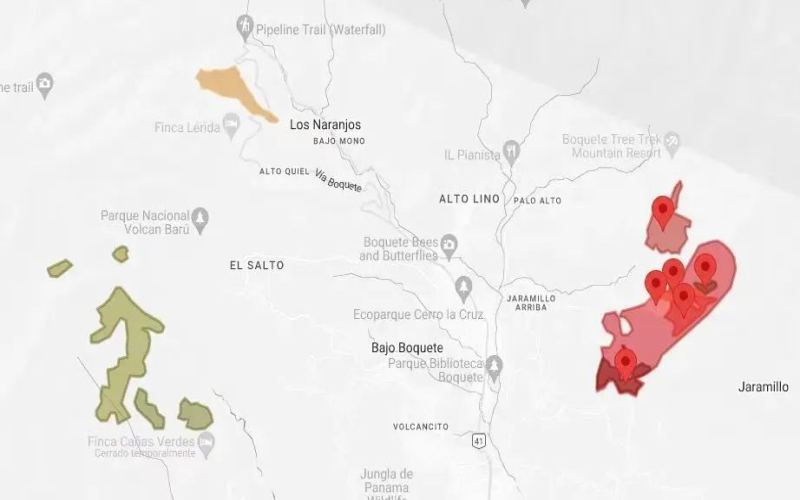
A Complete Guide to Panama Hacienda La Esmeralda Geisha Coffee: Red, Green, and Blue Label Grading, Flavor Characteristics, and Price Reference
Hacienda La Esmeralda is the discoverer and promoter of Panama Geisha flavor, and its red, green, and blue label grading system has always been a focal point for coffee enthusiasts. This article starts with the climate and soil conditions of Panama's coffee-growing regions, outlines the five major brand classifications of Hacienda La Esmeralda, and focuses on explaining the differences between Geisha red label and green label, their cup profile performance, and the cost-effective options recommended by Front Street Coffee. Whether you are trying Geisha for the first time or want to gain a deeper understanding of Hacienda La Esmeralda's grading logic, this article provides clear and practical reference. [more…]
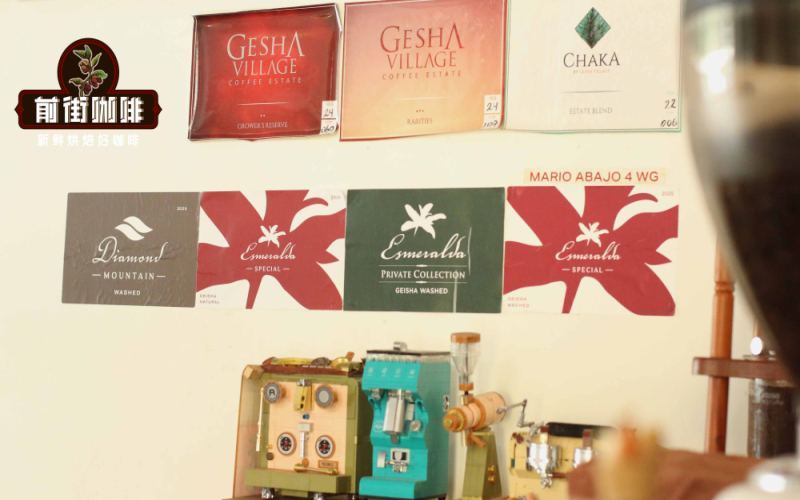
What are the differences between Gesha Village Gold Label and Panama Emerald Red Label? A clear explanation from variety and origin to flavor
Geisha enthusiasts often see two "labels" on Front Street Coffee's blackboard: Hacienda La Esmeralda Red Label and Gesha Village Gold Label. The former is 75 yuan per cup as pour-over, the latter 60 yuan per cup. Both represent the top-tier Geisha of their respective estates, yet few people examine closely the differences in naming logic, variety origin, terroir, and cup profile. Starting from the two beans currently sold at Front Street Coffee, this article sorts out the origins of the Chinese-context names "Red Label" and "Gold Label," traces the varietal relationship between Panama Geisha and Gesha Village's "Geisha 1931," compares the terroir conditions of Hacienda La Esmeralda's Boquete region and Gesha Village's Bench Maji region, and through actual brewing comparisons, presents the specific dry aroma and flavor performance of these two top-tier Geishas. [more…]
Coffee Brewing | What is Red Eye Coffee? What is the appropriate ratio of espresso to pour-over coffee? How do you make a delicious Red Eye Coffee?
“Espresso mixed with pour-over—how do you make it taste good?” Yes, you read that right! When Front Street Coffee heard this “staple with staple” question at the store before 5 p.m. yesterday, they were also taken aback, because such a question is truly unheard of. After some further investigation by Front Street Coffee, it was discovered that this customer friend had originally [more…]
Why Is Hacienda La Esmeralda Red Label Geisha So Expensive? A Complete Analysis of Pour-Over Parameters and Flavor Profile
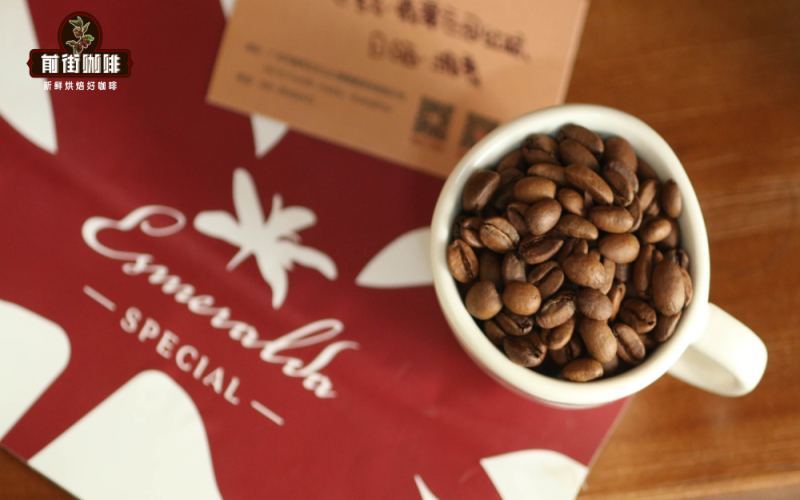
Geisha coffee is often associated with the word "expensive," and Hacienda La Esmeralda's Red Label Geisha is the priciest single-origin item on Front Street Coffee's bean list, priced at 350 yuan per 100 grams, or about 75 yuan per cup. What exactly justifies such a high price? The answer lies in the variety's characteristics, its extremely low yield, and the strict grading and processing methods. This article will unpack the logic behind the high price of Hacienda La Esmeralda's Red Label Geisha, explain the criteria for distinguishing Red, Green, and Blue Labels, describe the plot of origin and slow sun-dried processing method of the Red Label Geisha selected by Front Street Coffee, and provide a complete set of V60 pour-over brewing parameters to help you brew a cup of Geisha with rose aromatics and sweet notes of citrus, berries, and honey at home. [more…]