







How Do La Esmeralda's Geisha Coffee Labels Differ?
Hacienda La Esmeralda introduced Panama Geisha to the world and grades it with red, green, and blue labels. Red label marks the top tier from the highest plots, green label is the broader estate selection, and blue label sits below them. The labels signal both cup profile and price level.
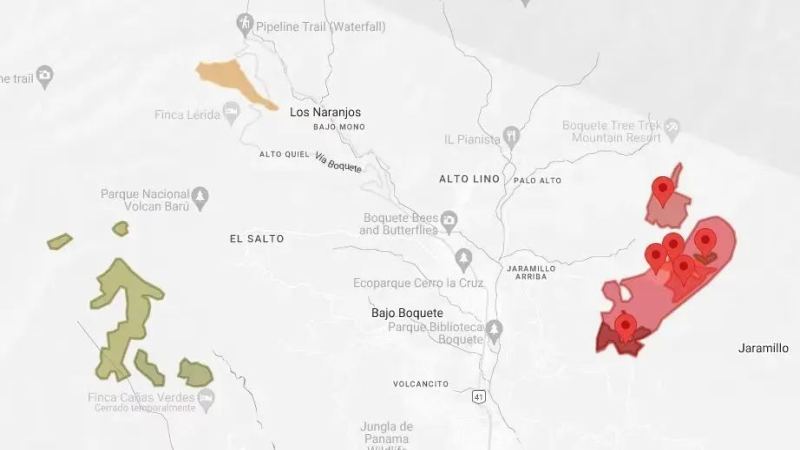
Panama's east-west layout funnels cold air along the central range, and the area around Boquete and Piedra de Candela forms a microclimate with temperature and rainfall suited to coffee. Nutrient-rich soil there supports distinctive lots. Panamanian geisha coffee from Boquete, near the Baru volcano, reflects that setting.
Hacienda La Esmeralda is the discoverer and promoter of Panama Geisha flavor, and its red, green, and blue label grading system has always been a focal point for coffee enthusiasts. This article starts with the climate and soil conditions of Panama's coffee-producing regions, outlines the five brand classifications of Hacienda La Esmeralda, and focuses on explaining the differences between Geisha red label and green label, the cup profile performance, and the high-value options recommended by Front Street Coffee. Whether you are trying Geisha for the first time or want to gain a deeper understanding of Hacienda La Esmeralda's grading logic, this article provides clear and practical references.
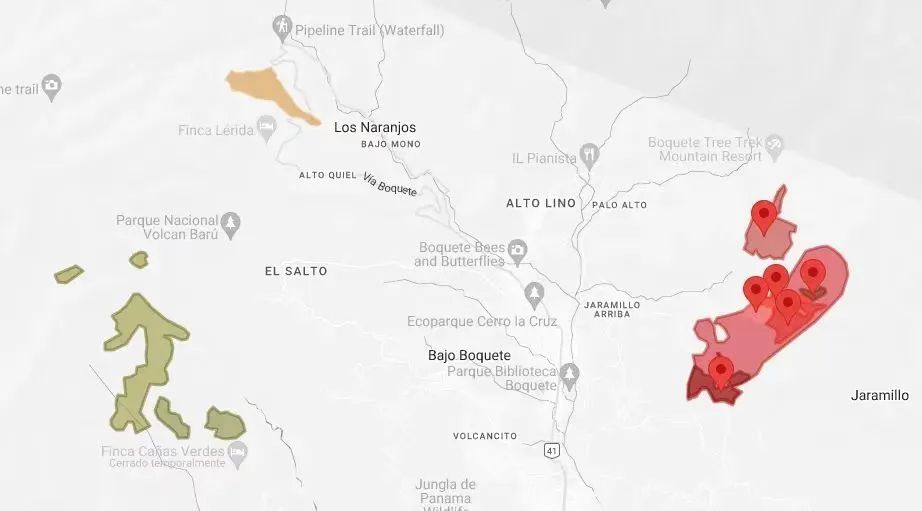
The exceptional quality of Panamanian coffee is inseparable from the local unique climate conditions. This country borders Costa Rica and Colombia, and its east-west geographical layout allows cold air to flow along the central mountain range, eventually converging in areas above 6,500 meters in elevation. As a result, the areas around Boquete and Piedra de Candela have formed a distinctive microclimate, with temperature and rainfall both perfectly meeting the needs of plant growth, making this region the core production area for Panamanian coffee. At the same time, the soil around this region is nutrient-rich and fertile, providing an ideal cultivation environment for coffee trees and giving rise to many coffees with distinctive styles and outstanding quality.
Of course, there is another factor that cannot be overlooked in Panama coffee winning global attention. Front Street Coffee believes that since the end of the 20th century, the development of Panamanian coffee can be described as smooth sailing. At that time, the United States participated in the construction of the Panama Canal and independently controlled the area for a period, and a large number of American elites went south to Panama, both for work and to seek business opportunities. Hacienda La Esmeralda is precisely a product and witness of that era when elites gathered.
Panama mainly has three coffee-producing regions: Boquete, Volcan, and Renacimiento. Hacienda La Esmeralda is located in the Boquete region. Boquete is a small town in Chiriqui Province, located near the border between Panama and Costa Rica, adjacent to the famous Baru volcano. The scenery here is beautiful, the soil is fertile and deep, and the climate and soil quality are very suitable for growing high-quality coffee. The microclimate of the Boquete highlands is an irreplaceable and important resource for the specialty coffee of this region.
Hacienda La Esmeralda is both the discoverer of Geisha flavor and the promoter that brought Panamanian Geisha coffee to the world. From its Geisha product line, one can see the estate's emphasis on the Geisha variety and its strict control over quality.
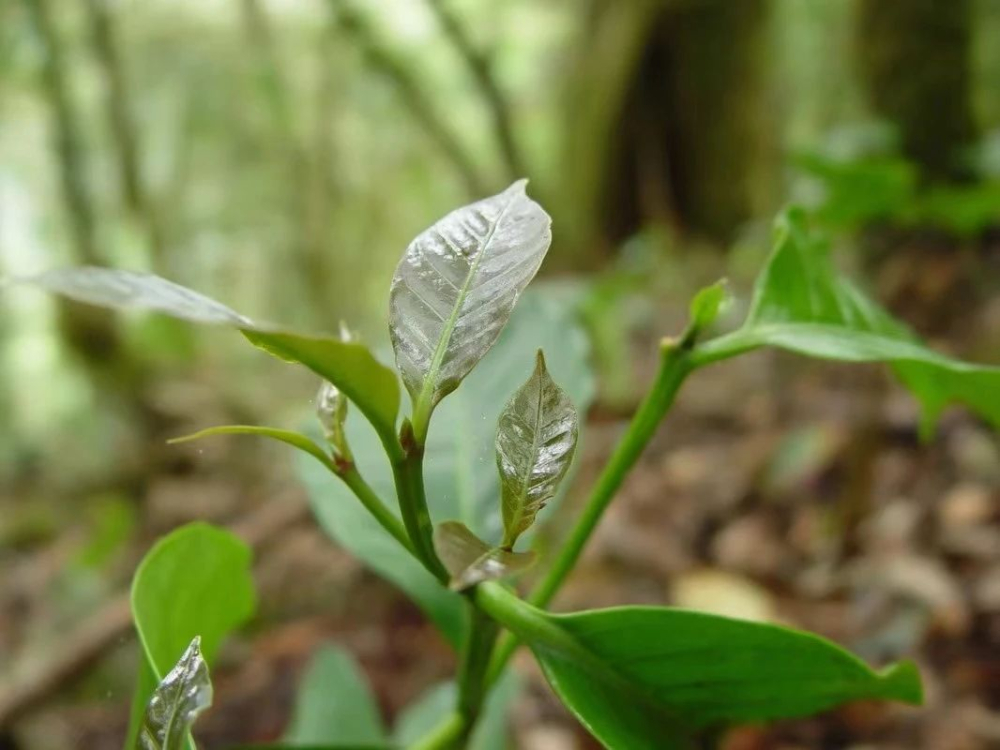
After Hacienda La Esmeralda first discovered that certain coffee beans had outstanding flavor performance, in order to achieve precise management, it conducted cup testing on different areas within the estate one by one and delineated planting plots according to altitude. It is precisely because of this that today's well-known Geisha grades—red label, green label, and blue label—came into being, all divided according to altitude.
Based on cup performance, cultivated variety, and planting plot, Hacienda La Esmeralda divides its products into five major brands. Among them, the Geisha variety accounts for three: Esmeralda Special, Private Collection, and Geisha 1500. If you are a beginner wanting to try it, you can buy the relatively high-value Front Street Esmeralda Green Label Geisha; if it is a gift for relatives and friends or to share with like-minded people, then the highest grade Front Street Esmeralda Red Label Geisha is recommended. The other two brands belong to the Catuai variety: Diamond Mountain grows and Palmyra.
Front Street Esmeralda Red Label Geisha
The Geisha produced by Esmeralda Special is what everyone commonly calls red label. This bean is grown at an altitude of 1,600 to 1,800 meters, has a cup score of above 90 points, and comes from Geisha beans from the two producing areas of Jaramillo and Canas Verdes.
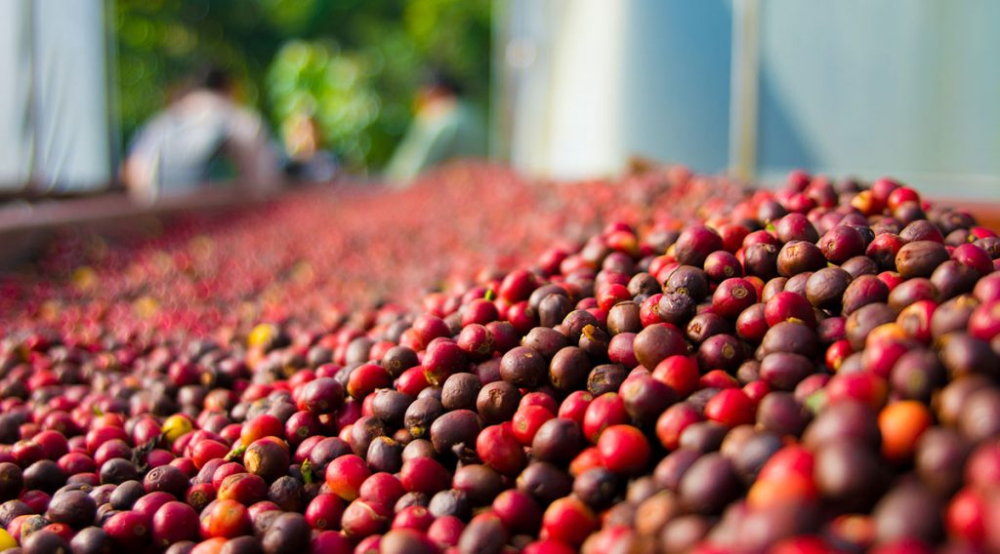
In the independent auction held by Hacienda La Esmeralda itself, only those Geisha lots selected from the divided plots to participate in the auction can truly be called auction red label. Guests often ask whether auction red label tastes better or red label tastes better. In fact, non-auction red label and auction red label come from the same plot, and the only difference is whether they participate in the auction. Front Street Coffee feels that it is not necessary to pursue the auction level. First, the price is indeed relatively high; second, if you are just trying it out, red label is already a very good choice. This grade of Geisha is processed by natural or washed methods, and the flavor presents a unique and bright floral aroma as well as citrus notes.
Front Street Esmeralda Green Label Geisha
Private Collection, commonly known as green label, belongs to lots that do not participate in the independent auction. It does not participate in bidding at the cultivation stage but is still an excellent-quality Geisha variety. It uses Geisha grown at an altitude of 1,600 to 1,800 meters, and is a blend of micro-lots from different plots such as Jaramillo and Canas Verdes.
People often ask what exactly the difference is between red label and green label. Front Street Coffee gives the most plain explanation: red label can be traced back to a specific small plot, while green label is a blend of beans and cannot be traced to its source. Because it uses a blended-bean model and does not provide detailed labeling of plots, the flavor similarity between green label and red label can sometimes be very high, but the next output may also differ. Front Street Coffee feels that drinking green label is like buying a lottery ticket—you might just happen to get a lot this time that carries the flavor of red label.
As a high-quality Geisha grown at high altitude by Hacienda La Esmeralda, green label possesses the classic flavor of Geisha—floral aroma, fruity notes, citrus-like acidity, and a rich, juicy mouthfeel. Green Label Geisha also offers the option of washed or natural processing.
Front Street Esmeralda Red Label Geisha Coffee Cup Profile Dry aroma: jasmine, citrus Wet aroma: citrus, lemon, honey On the palate: lemon, honey, berries, orange peel, mango, cream, citrus, tea-like sensation
Front Street Esmeralda Green Label Geisha Coffee Cup Profile Dry aroma: jasmine, ginger flower Wet aroma: lemon, sweet orange On the palate: lemon, sweet orange, honey, cream, almond, tea-like sensation
The above content is compiled by CoffeeHunters, a coffee news website.


