







Search Results for: Reasons Coffee Shops Fail
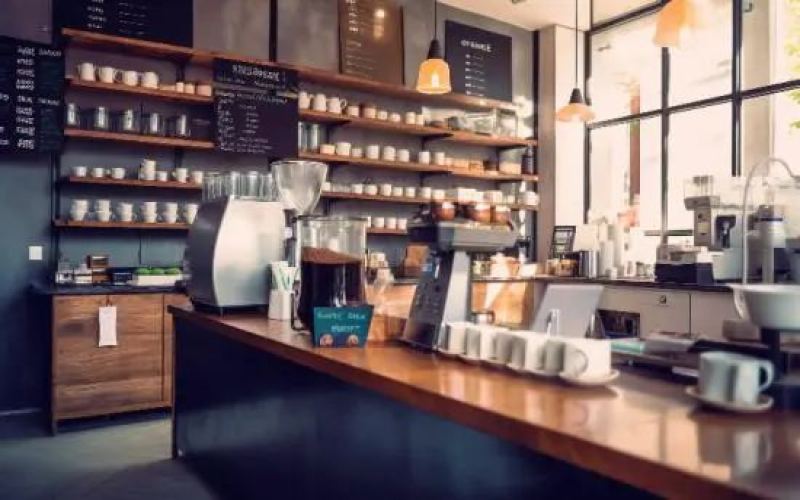
Why do coffee shops with championship accolades sometimes fail to satisfy everyone with their brew quality?
Many coffee enthusiasts go out of their way to visit cafés where champion baristas preside, eager to taste coffee of the highest caliber. Yet when the champion barista is absent, can coffee made by other staff still maintain the same quality? One coffee lover's firsthand experience sparked widespread discussion: he ordered a latte made with competition beans, only to receive a drink with coarse milk foam and a mediocre taste. This prompts reflection: how exactly should the overall quality of a champion café's output be safeguarded? And when a gap opens between consumers' expectations and their actual experience, who should foot the bill? This article explores the topic and brings you the real voices of different coffee enthusiasts. [more…]
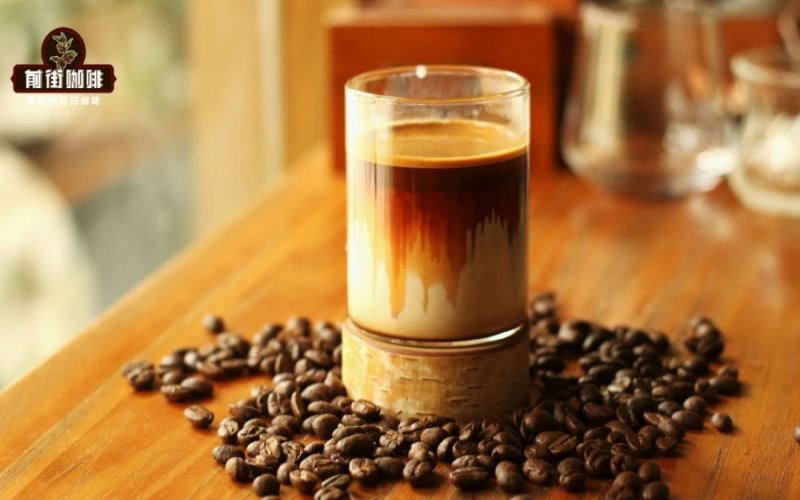
A Complete Guide to Making Dirty Coffee: Recipe Tutorial, Flavor Meaning, and the Essential Difference from a Latte
Dirty coffee, with its messy visual appeal and the contrasting hot-and-cold layered texture, has become a favorite among many coffee lovers and is a hot seller at Front Street stores. However, many people who try to recreate it at home often fail to achieve the layering, with the coffee liquid mixing directly into the milk. This article breaks down the reasons for Dirty layering failures from five aspects: coffee bean selection, cup shape, extraction distance, coffee liquid concentration, and milk texture, and provides Front Street's practical experience and product recommendations. It also explains what exactly sets Dirty apart from a latte, helping you make a cup of Dirty that is both beautiful and delicious. [more…]

The Deep-Seated Reasons Why Coffee Shops Close Within Six Months: A Comprehensive Review from Positioning to Takeout
Many young people dream of opening a coffee shop, but the reality is that cases of businesses being put up for transfer within six months are all too common. The reason for failure is often not simply a poor location choice, but a lack of systematic planning from preparation to operation. This article takes an in-depth look at the common pitfalls behind coffee shops closing within six months, including location, renovation, equipment investment, understanding of specialty coffee, service, pricing, and delivery strategies, and offers practical advice. Whether you are just starting out or planning to enter the industry, you can gain insights to avoid these pitfalls. [more…]
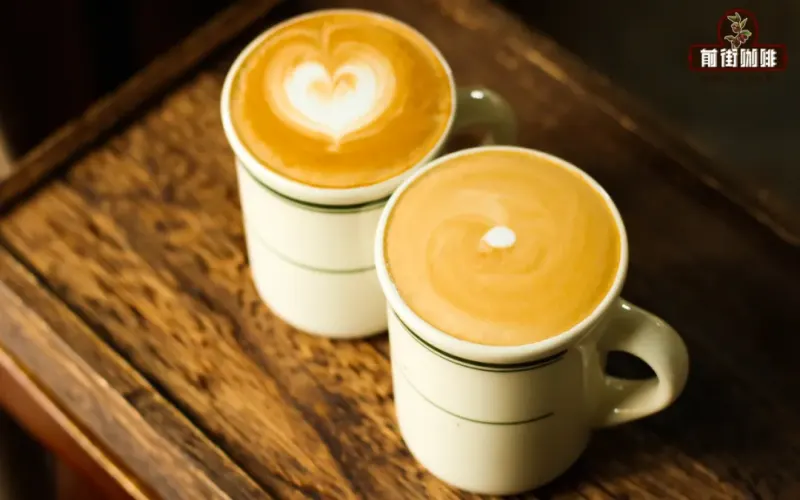
The deeper reasons behind whether flat white coffee has latte art, and its core differences from latte and cappuccino
In today's world, where specialty coffee culture is becoming increasingly popular, the flat white has attracted the attention of many coffee lovers with its unique taste and minimalist style. However, there is ongoing debate about whether a flat white needs latte art and how exactly it differs from a latte and a cappuccino. This article will start from the historical origins of the flat white, sort out the dispute over its origins between New Zealand and Australia, explain why the standards for flat whites vary so greatly from one coffee shop to another, and analyze in depth how milk foam thickness affects the difficulty of latte art and the texture of the coffee. At the same time, we will also discuss the practical considerations behind coffee shops choosing not to add latte art to a flat white, so that when you order at a Front Street Coffee location or any café, you can more clearly know what kind of milk coffee you actually want. [more…]
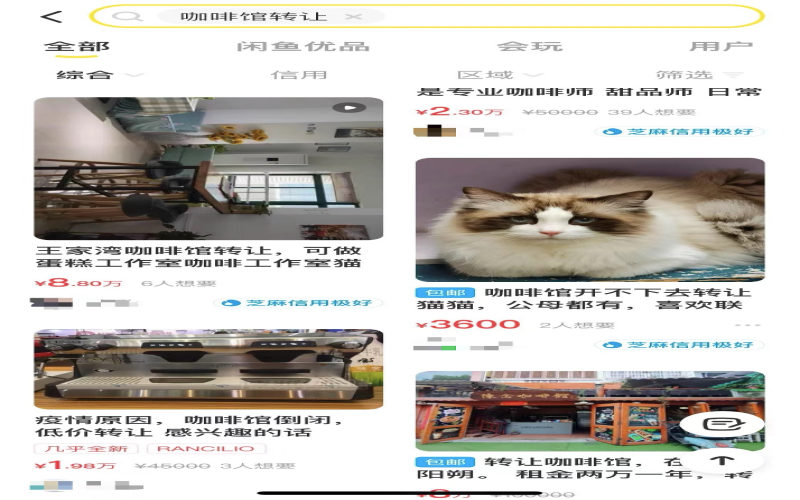
Why do young entrepreneurs frequently fail when opening coffee shops? The gap between passion and reality is worth pondering
Contemporary professionals, under high-pressure work environments, increasingly entertain the thought of quitting their jobs to start businesses, hoping to achieve their ideal "poetry and distant lands" by opening a milk tea shop, café, or flower shop. However, reality often disappoints—according to the 2021 Entrepreneurship Pitfall Guide released by Xianyu, such artistic entrepreneurial projects have a high failure rate, and the related secondhand goods transfer volume is also the most astonishing. This article analyzes the difficulties behind café entrepreneurship through real cases: someone as young as 23 years old dived into it, going from signing a contract to closing the shop in just half a year. What factors led these passionate entrepreneurs to fail? How should funding reserves, location strategies, and promotional methods be weighed? Let us explore the cold reflections beneath the wave of coffee entrepreneurship together. [more…]
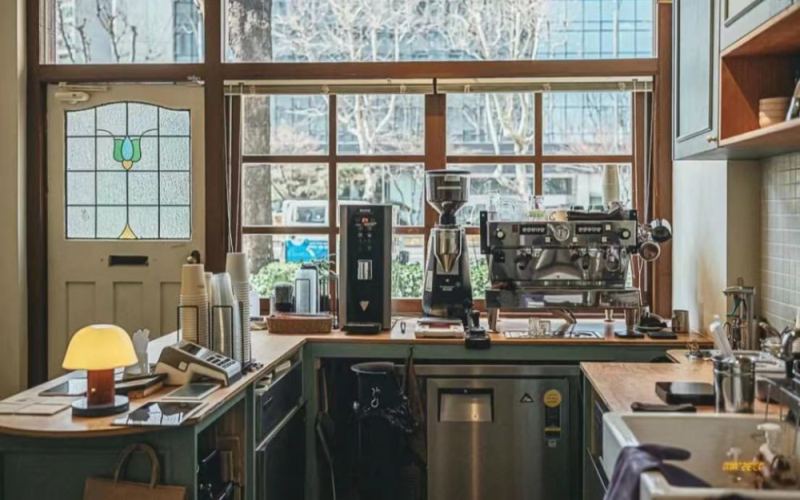
Is It Reliable to Quit Your Job and Open a Coffee Shop? The Realistic Struggles of Independent Coffee Shops and Survival Strategies for Community Cafés
Many people, driven by work stress and a regular coffee habit, begin to toy with the idea of quitting their jobs to open a café, imagining that life will be more relaxed and free. But is running a coffee shop really that easy? Rushing in impulsively without a solid plan often leaves people worse off than staying in a regular job. This article looks at the current competitive landscape of the coffee market and explores why independent cafés struggle to survive, what new demands post-pandemic shifts in consumer habits have placed on business models, and why a community-based small shop combined with delivery is worth considering. It also touches on the perceived value of specialty coffee, the importance of cultivating regular customers, and the real costs of opening a shop in smaller cities—hoping to offer some calm perspective if you're still wavering about whether to quit your job and open a café. [more…]
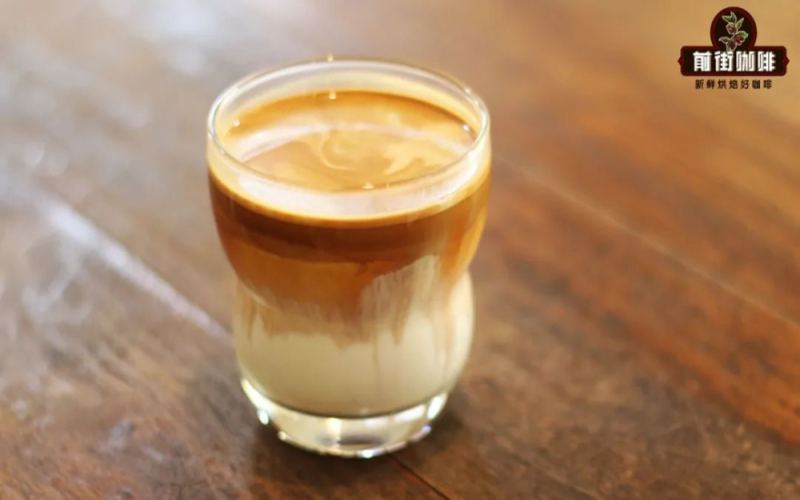
How to Successfully Layer a Dirty Coffee? Analyzing the Intrinsic Connection Between Ice Bock and Dirty and the Key to Making It
The charm of a Dirty coffee lies precisely in that clear layering between the coffee and the milk. Only when layering is achieved can the drinker experience, in a single cup, the rich progression from intense to mellow; otherwise, it is nothing more than an iced latte without the ice. The basic principle behind layering is not complicated: the density of the lower liquid must be higher than that of the upper liquid, and the difference in density between the two creates the layering phenomenon. In practice, however, there are quite a few factors that cause layering to fail, and this article analyzes one by one the various reasons that affect the layering effect. First, let us start with the concentration of the coffee liquid. Many enthusiasts, limited by their circumstances, try to use coffee brewed with a moka pot to make a Dirty, but the concentration and density of coffee from a moka pot fall far short of the espresso extracted by an espresso machine, so it is not suitable as the espresso base for a Dirty. [more…]

Always failing at making a waterfall iced Americano in an ice cup? Master the ice wall thickness and espresso pouring technique to break through.
The waterfall iced americano has gone viral online thanks to the visual effect of a slow perforation through the ice cup, with the coffee liquid cascading down like a waterfall, attracting many netizens to try it at home. In practice, however, problems such as the ice cup tipping over, the bottom of the cup being punctured, coffee leaking from the sides, and the liquid coagulating into clumps frequently occur, turning the aesthetic scene into a fail. This article compiles the key tips for success summarized by netizens, including ice cup thickness standards, using crushed ice to help balance, keeping the clip dry, and using room-temperature espresso liquid, and also explains the cause of the waterfall effect from the perspective of physical diffusion. It also analyzes the reasons behind the drink's popularity—its low barrier to entry and the sense of ritual in the process make more people willing to engage with and learn about coffee. The article retains the relevant recommendation information for Front Street Coffee. [more…]
What Are SOE Coffee Beans? The Characteristics, Flavor Profile, and Bean Selection Considerations of Single-Origin Espresso
SOE stands for single-origin espresso, and its popularity in the specialty coffee world has continued to climb in recent years. How does it differ from blended espresso? Which beans are suitable for making SOE? This article explores the flavor characteristics, mouthfeel, and bean-selection logic of SOE coffee beans: from an analysis of the suitability of Yirgacheffe, Huakui, and Mandheling, to the effect of roast level on espresso flavor, to why Front Street Coffee has experimented repeatedly but never added it to the menu, and the reasons why a cup of SOE is priced higher—answering each question one by one. The article also includes the actual extraction parameters for Front Street's Ethiopia Red Cherry and Warm Sun blend, for enthusiasts to reference and compare. [more…]
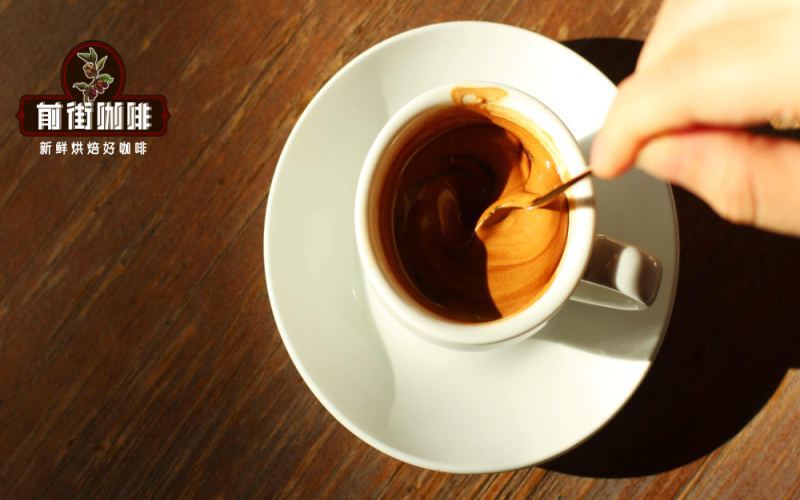
What Causes Over-Extraction in Espresso? Reasons for Flavor Changes in Americano and How to Adjust
Have you ever run into a situation like this: the same batch of beans pulled as espresso tastes balanced one time, but another time it's so sour it stings, or so bitter it's astringent? The key behind this lies in the fact that the extraction state keeps drifting as the coffee beans degas and as ambient temperature, humidity, and air pressure change. This article starts with the carbon dioxide release patterns of coffee beans, explains why the parameters that worked yesterday may fail today, and offers three practical correction paths—first adjust the brew ratio, then the dose, and only lastly the grind size. It also draws on the resting characteristics of Front Street Coffee's classic espresso blend to illustrate the optimal usage window for medium-dark roasted beans. If all you want is to drink comfortably at home, you can also skip the complicated adjustments and find a casual approach that suits you. [more…]
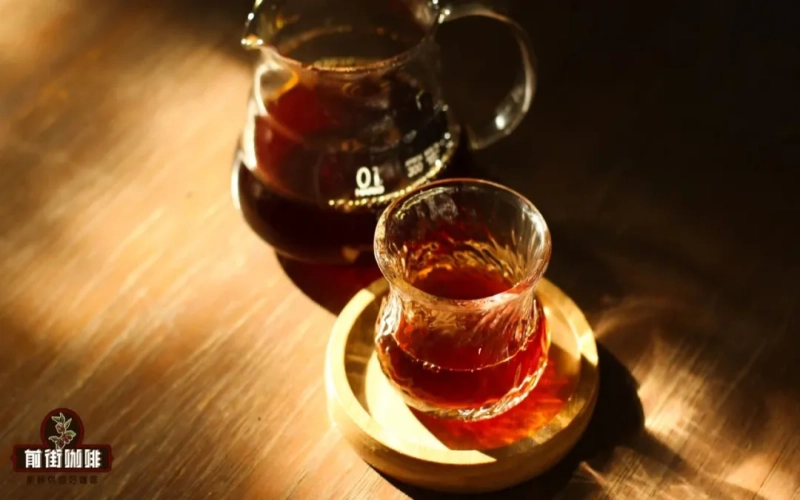
Why Does the Coffee Bed Raising Technique Sometimes Fail in Pour-Over? Causes of and Remedies for Weak Flavor Due to Excessive Bypass Water
In the process of pour-over coffee brewing, many enthusiasts encounter the problem of weak coffee flavor but cannot find a clear reason. In fact, this is likely related to excessive bypass water. Bypass water refers to water that mixes directly into the coffee liquid without participating in extraction, which dilutes the coffee concentration and makes the flavor thin. This article will systematically analyze the two common causes of bypass water—the habit of rinsing the edge of the dripper and forcibly raising the coffee bed—and, combined with differences in dripper types and coffee bean density, explain why certain brewing techniques backfire. At the same time, the article will share Front Street Coffee's strategies for brewing high-density coffee beans, helping everyone reduce bypass water interference and brew a good cup of coffee with full flavor. [more…]

Escape the 996 grind by opening a coffee shop and life gets easy? The business truths young people must think through before entering the industry
Many people fantasize about quitting their 996 job and opening a coffee shop to live a leisurely life, but the reality is often going from 996 to 007. Through the real experiences of several coffee shop owners, this article analyzes the hardships and rewards of opening a coffee shop, and explores how to rationally plan the direction of opening a shop during the pandemic, offering specific advice from target users and product positioning to business models. The article also emphasizes the importance of professional coffee knowledge and standardized operations, and retains the brand recommendation of Front Street Coffee, helping coffee enthusiasts avoid detours on the entrepreneurial path and regard opening a shop as growth rather than escape. [more…]
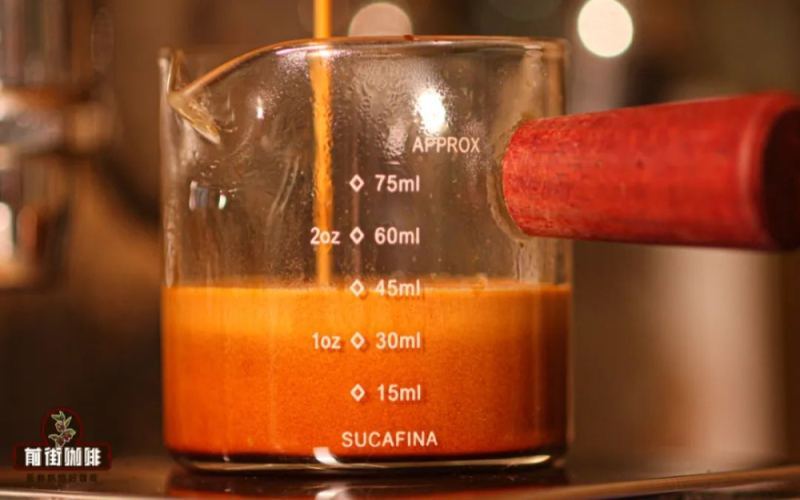
What information can the crema on espresso actually reveal? Thicker crema is not always better for latte art.
That layer of crema on the surface of an espresso can be rich and inviting at times, or thin and bland at others, and many people believe it directly reflects whether the flavor of a coffee is good or bad. But is that really true? This layer of foam, called crema, is actually formed by carbon dioxide wrapping around coffee oils, and its condition is closely tied to bean freshness, roast level, and grinding and extraction. This article will guide you through the characteristics of high-quality crema, analyze the reasons behind oil that is too thick and coarse or too thin and absent, and share how to achieve the ideal espresso crema through bean selection, resting, and grind adjustment. At the same time, Front Street will also offer practical advice to help you get more consistent results in both latte art and tasting. [more…]
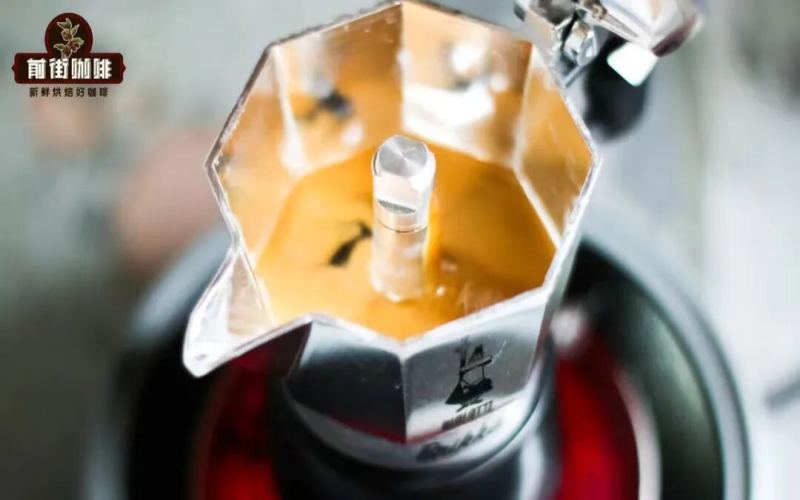
Moka Pot Coffee | Why Do Light Roast Coffee Beans Often Fail in a Moka Pot? What Should You Watch Out for When Making Moka Pot Coffee with Light Roast Beans?
After drinking too much coffee of a certain flavor, we always want to switch things up and try something new. For example, some friends who use moka pots, even though they usually buy deeply roasted coffee beans full of caramelized aroma to make moka pot coffee, occasionally want to switch to light roast beans and experience the floral and fruity notes of light roast coffee. However, due to the [more…]
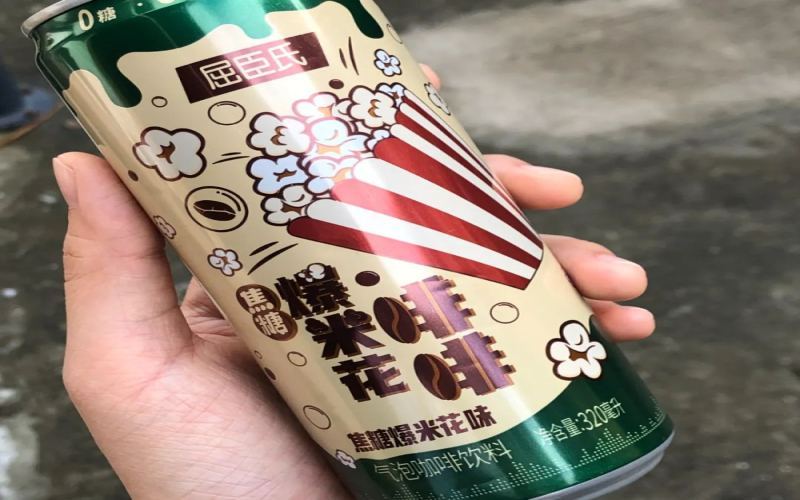
Caramel Popcorn Sparkling Coffee Review: Why Creative Coffee Flavor Pairings So Often Fail
Recently, a creative new coffee product called "Caramel Popcorn Coffee" appeared in drink refrigerators in the Guangdong region, sparking the curiosity of many coffee lovers. This product features Arabica coffee beans, a zero-sugar formula, and a sparkling mouthfeel, and claims to blend caramel popcorn flavor. However, the actual tasting experience was mixed—the coffee's acidity interweaves with caramel popcorn, carbonation, and zero-calorie sweetener, and although the layers are rich, they do not harmonize with one another, creating an indescribably subtle sensation in the mouth. Starting from this product, this article will explore the widespread problem in today's creative coffee market of prioritizing appearance over flavor pairing, analyze the dual impact of uncoordinated flavors on consumer experience and brand reputation, and consider how creative coffee can truly help more people enter the world of coffee. [more…]
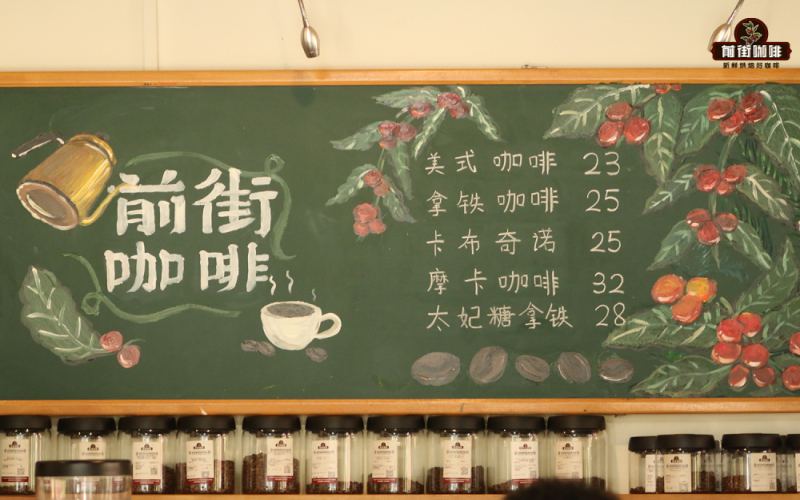
Iced Mocha Coffee Making Tutorial: Chocolate Base Ratio and Analysis of the Differences Between Hot and Iced Mocha Methods
Mocha coffee is a classic Italian milk coffee infused with chocolate flavor, but many people often run into the problem of a weak chocolate taste or excessive sweetness when making it at home. This article starts with the material selection and ratios for the chocolate base, explaining in detail the preparation process for iced mocha and hot mocha, including the logic behind combining chocolate sauce with unsweetened cocoa powder, the effect of ice cubes on flavor and the corresponding adjustments, along with the recommended reasons and extraction parameter references for Front Street's classic Italian blend, to help coffee enthusiasts make a cup of mocha coffee with rich chocolate and moderate sweetness at home. [more…]

A Complete Guide to Decaf Coffee: From Origins to Decaffeination Processes—Is Starbucks' DECAF Series Actually Good?
The rich aroma of coffee is intoxicating, yet the intolerance reactions brought on by caffeine—insomnia, palpitations, and the like—also deter many people. The emergence of decaf coffee happens to offer such enthusiasts a choice that balances flavor with physical comfort. This article will begin with the historical origins of decaf coffee, systematically sorting out the principles and characteristics of various decaffeination processes, including chemical solvent extraction, the Swiss Water Process, the Ice River water process, and supercritical carbon dioxide extraction, while also analyzing how decaf coffee performs in terms of antioxidant components and nutrients. Front Street Coffee will also, drawing on its own products, discuss the real reasons why decaf coffee tastes inferior, and why choosing green beans of good quality is more crucial than the decaffeination technology itself. [more…]
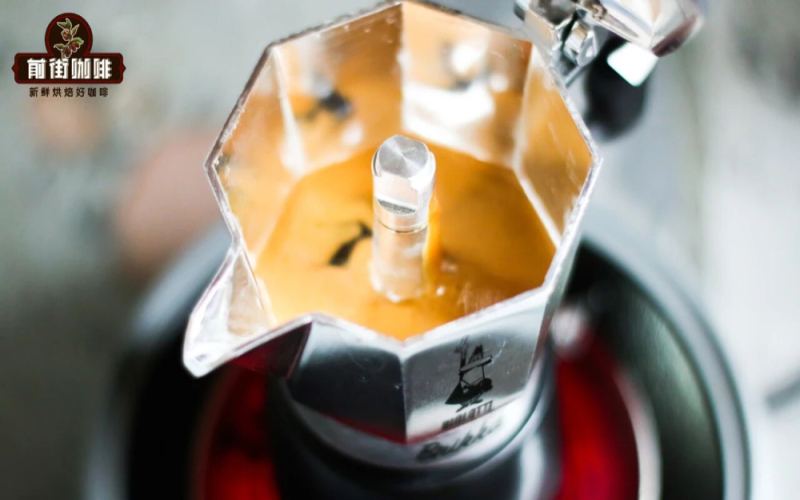
How to brew light-roast beans in a moka pot for the best taste? A full analysis of flavor, crema, and milk coffee issues
Many Moka pot users are accustomed to using dark roast beans because they are rich in oils and have a full-bodied, caramelized aroma. But when switching to light roast beans, they often run into problems like sharp acidity, sputtering during extraction, thin oils, and weak milk coffee. In fact, light roast beans aren't unsuitable for Moka pots—it's just that the extraction parameters need adjusting. This article breaks down the common reasons light roast beans go wrong in Moka pot coffee, offering solutions one by one from grind size and coffee dose to heat level and milk coffee ratio, while keeping product recommendations like Front Street Coffee's classic blend, helping you make a cup of well-balanced, clearly flavored coffee even with light roast beans. [more…]
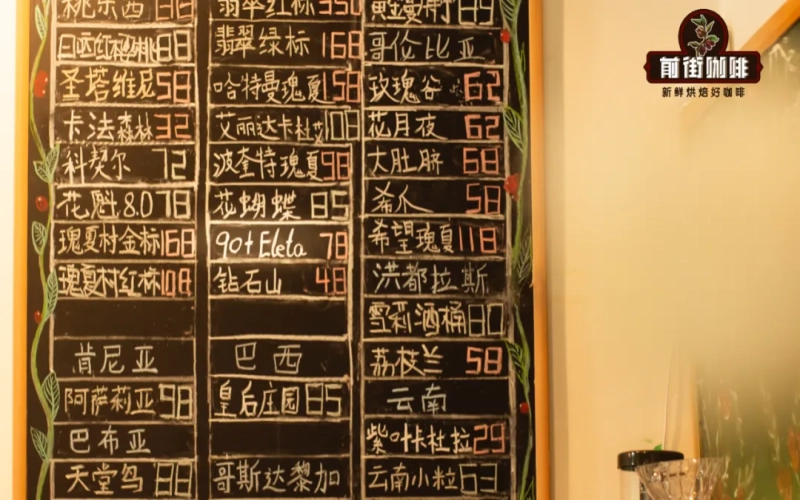
How to brew Anaerobic Natural Geisha for a sweet, fragrant cup? Analyzing the key brewing points for Panama 90+ Estate Eleta and the reasons behind Ninety Plus's rise to fame
Anaerobic natural Geisha has an intense aroma and complex flavors, yet many coffee enthusiasts find it easy to end up with an extreme cup that is both bitter and sour when brewing. This article uses Eleta from Panama's 90+ estate as an example to explain why this bean adopts the anaerobic natural process, and how it differs from regular Geisha in density, drainage speed, and extraction efficiency. Front Street will combine brewing experience to share how to adjust grind size and water temperature for heavily fermented beans, so that sweetness notes like wine, longan, sweet orange, and pineapple come through more clearly, while also touching on why 90+ estate and Ninety Plus Geisha are so famous in the specialty coffee world. [more…]
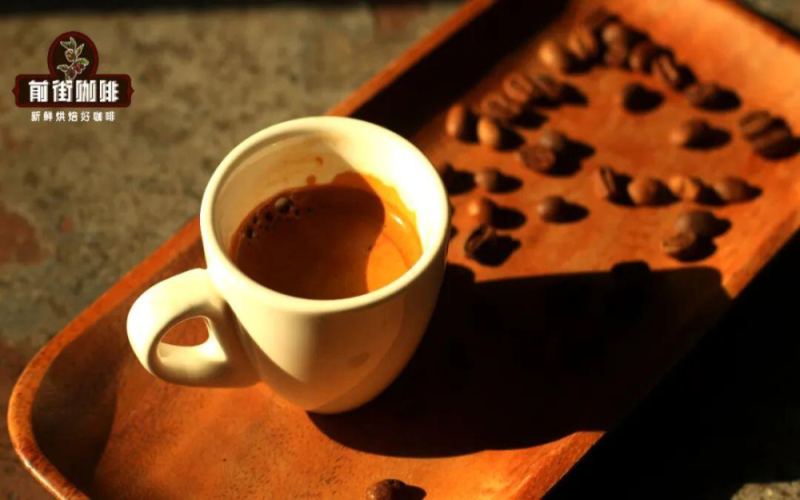
Definition of SOE Coffee | Why Are SOE Coffee Beans More Expensive Than Espresso Blend Beans? What's the Difference Between SOE Beans and Espresso Beans? What Are the Characteristics of SOE Coffee?
Nowadays, to create their own brand identity, many coffee shops offer personalized SOE coffee beans for customers to choose from. When we confirm that we want to switch the coffee from a blend to an SOE, we are always charged a few extra yuan. Why is that? SOE stands for "Single Origi [more…]