







Is Opening a Coffee Shop After Quitting Really Easier?
Quitting a job to open a cafe rarely delivers the relaxed life people imagine. Market competition is intense, independent shops struggle to stay afloat, and post-pandemic shifts in consumer habits demand new business models. Without clear goals, escaping workplace stress this way usually makes life harder, not easier.
Startup costs look modest because a coffee machine seems to be the main purchase, but regulars, perceived value, and differentiation from chains decide survival. Even the most expensive coffee machine guarantees nothing. A small community shop paired with delivery is one workable route, especially in a smaller city where rents and fixed costs run lower than in major urban centers.
Many people, burdened by work stress and already fond of drinking coffee, start entertaining the idea of quitting their jobs to open a café, imagining life will be easier and more relaxed. But is running a coffee shop really that easy? Rushing in on impulse without a plan often leaves you worse off than staying employed. This article looks at the current competitive landscape of the coffee market, why independent cafés struggle to stay afloat, what new demands post-pandemic shifts in consumer habits place on business models, and why a small community shop paired with delivery is worth considering. It also touches on the perceived value of specialty coffee, the importance of cultivating regulars, and the real costs of opening a shop in a smaller city—hoping to offer some calm perspective if you're hesitating about quitting your job to open a café.
Professional coffee knowledge exchange. For more coffee bean information, please follow Coffee Workshop (WeChat public account: cafe_style).
For more specialty coffee beans, please add the private WeChat account Front Street Coffee (FrontStreet Coffee), WeChat ID: qjcoffeex.
A while ago, a friend who had hit a bottleneck at work left a message in the background saying: "Work stress has been absolutely overwhelming lately! Since I love drinking coffee, friends around me suggested I quit and open a café—at least life would be more comfortable. Everyone says the coffee market has lots of changes and opportunities this year... If I open a shop now, can I really compete?"
Opportunities are always there, at every stage. But if you haven't set clear goals for yourself and are just trying to escape workplace pressure, then no matter where you open a coffee shop, life won't get easier—it may only get harder.
I recall that Nikkei Chinese once reported on the current state of China's coffee boom: few succeed, while failures are countless. The article noted that China's youth unemployment rate for those aged 16 to 24 reached 19.3%. Many college graduates can't find suitable jobs, and young people full of grievances are hardly few.
As housing prices soar and income gaps widen, coffee shops—which don't require huge startup capital—have become a shortcut to many people's dreams, since all you need is a coffee machine to open up. But success isn't easy. Even after opening, you can neither differentiate yourself from large chains nor achieve profitability, and this has become the biggest challenge in running a coffee shop.
Does opening a coffee shop necessarily mean losing money? Of course not. The reason there are so many failure stories is mostly that people rush in on impulse when opening, without ever thinking through or planning for the future.
Many friends who have run coffee shops say that recurring pandemic disruptions, chain coffee brands entering the market, opening too impulsively, discovering it's not profitable after opening and losing the motivation to keep at it, and high upfront costs are all reasons independent cafés can't hold on.
The pandemic's ongoing impact keeps changing consumer habits. More and more people are choosing takeout or delivery, minimizing time spent in public spaces, which means fewer and fewer customers are willing to sit and linger in coffee shops.
When opening a shop, many friends want it to have both refined products and a comfortable space, so they impulsively spend big on renting a spot in a bustling area, buy high-end equipment, and focus solely on in-store offerings without joining any delivery platforms. But this way of thinking no longer suits the current environment.
If you choose to open a shop at this time, consider opening in a community not far from a bustling area. The shop doesn't need to be large, but it should satisfy a small number of customers' needs for space and specialty coffee while also attracting mass consumers.
Amid the pandemic, coffee shops need to be smaller and more efficient, so a small community shop plus delivery is a more suitable model. Focusing on efficiency, on product quality, and serving every customer who walks in well—these are the primary conditions for a coffee shop to survive.
Today there are more and more chain coffee brands, with every industry joining in, making competition in the coffee industry even fiercer. Most chain brands have mature operations management systems and marketing techniques, plus ample funding from financing and investment and stronger risk resistance, so coffee prices keep getting lower.
Although low-priced coffee has gotten more people to start consuming coffee, it has also changed the public's perception of coffee consumption. For independent cafés, this isn't an easy thing, because costs are right there in front of them.
Although there are more and more chain and cross-industry coffee shops, there's actually no shortage of people willing to spend at independent cafés—you could say these are two different consumer groups. The former needs caffeine; the latter needs atmosphere, service, and professional quality. Even for the same coffee drink, consumers are willing to pay more to walk into an independent café, precisely for the experience that chain coffee shops don't offer.
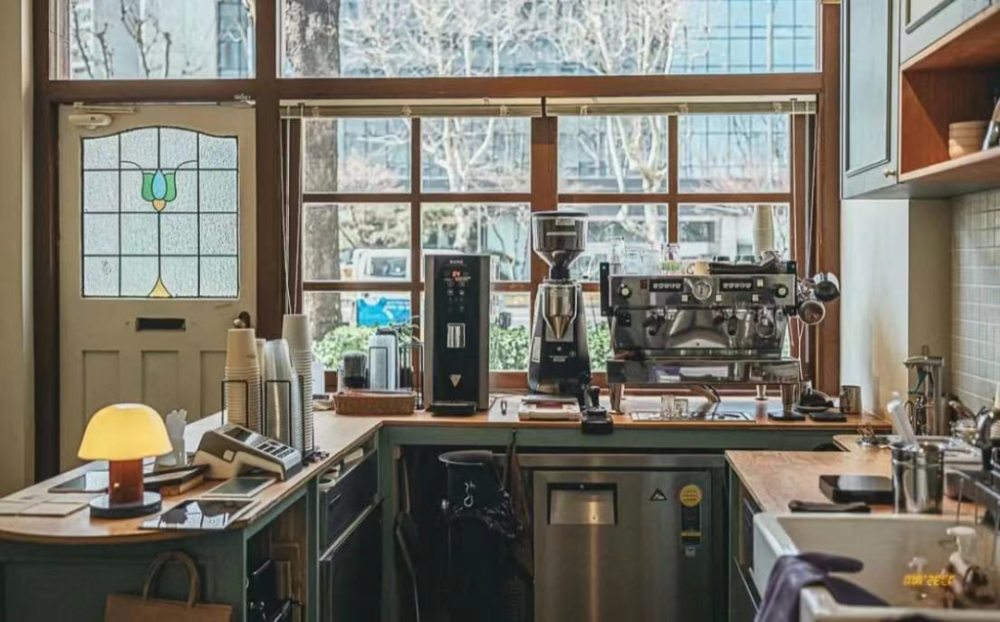
Specialty coffee pursues the quality of the coffee beans, the quality of the brew, and the value of the barista themselves, but few people know how to appreciate it. Mass consumers won't believe that the value of this cup includes the high cost of the beans themselves and the barista's expertise. You may have a thousand reasons why it's expensive, but not one reason that convinces mass consumers—so consistency in product quality and professional, refined service are what matter most.
The most important thing in running a shop is having returning customers. The owner should be good at observing what each customer likes, when they usually come, and other characteristics, keeping these little details in mind and making adjustments accordingly.
Customers will also notice what changes you've made, which raises their satisfaction with the shop and turns them into loyal customers. The cost of acquiring a new customer is several times that of keeping a regular! Cultivating regulars is the most valuable business model.
Does opening in a small city mean lower costs? Perhaps compared to rent in big cities, it is indeed cheaper, but this may be an illusion... Shop rent is often based on foot traffic, and in small cities, places with heavy foot traffic still have very expensive rent—possibly even more expensive than in big cities... After all, heavy traffic doesn't guarantee business, because there aren't as many people who need coffee as you'd imagine.
Opening a shop is easy; keeping it is hard. Although coffee entrepreneurship is brutal, it isn't doomed to fail from the start. That said, I don't encourage anyone, out of their ideals or a moment's impulse, to run into setbacks on something that's clearly more beneficial to their future, or—just because they've made a little money—to think, "Why not open a coffee shop and live a comfortable life?"
Every job has its exhausting parts. Even if you love it, what torments you will still torment you. So before opening a coffee shop, you absolutely must think it through and make a decision you won't regret~
Image source: Internet
The above content is compiled by CoffeeHunters, a coffee news website.


